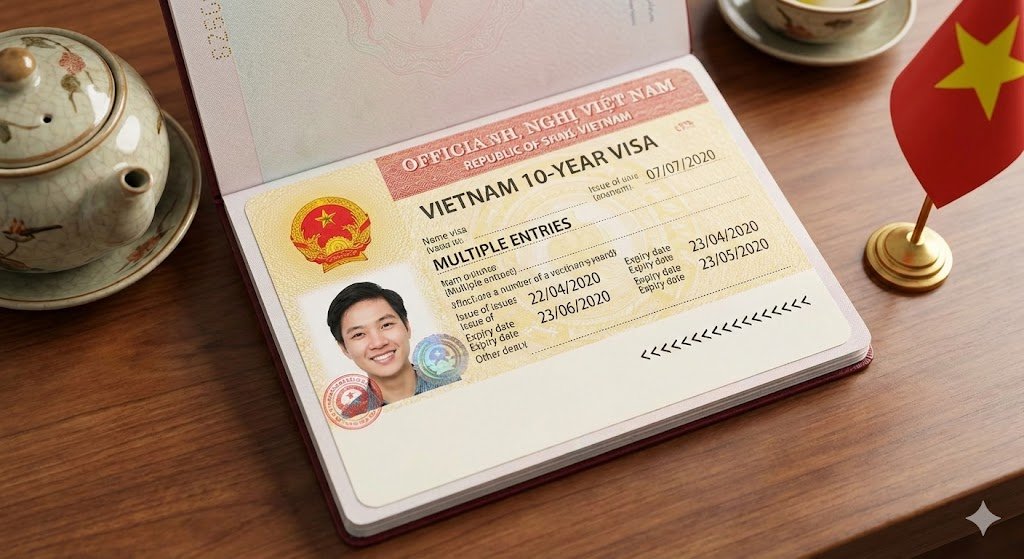
Navigating Vietnam’s 10-Year Visa: Everything You Need to Know
As the world adapts to a new era of mobility and global integration, Vietnam has emerged as a compelling destination for expatriates and long-term visitors. The introduction of the 10-Year Visa represents a significant shift in the country’s immigration policy, catering to a diverse range of individuals seeking to establish roots in this vibrant nation.
Understanding the 10-Year Visa: Overview and Eligibility
The 10-Year Visa for Vietnam serves as a long-term solution for foreign nationals seeking to live, work, or retire in the country. Officially launched in 2025, this visa has drawn considerable attention for its extended validity compared to traditional options. Eligibility typically includes a range of categories such as retirees, foreign investors, skilled professionals, and their family members. Applicants must provide proof of financial stability, health insurance, and a clean criminal record, among other requirements. This comprehensive application process is designed to ensure that only qualified individuals gain access to the long-term benefits of this visa.
One of the most appealing aspects of the 10-Year Visa is its multi-entry feature, allowing holders to travel freely in and out of Vietnam without the hassle of frequent reapplications. This flexibility is particularly beneficial for those engaged in online jobs or business ventures, as they can maintain a stable presence in Vietnam while managing international commitments. Furthermore, this visa aligns with the growing trend of digital nomadism, where professionals leverage technology to work remotely. For more on online job opportunities that complement the 10-Year Visa, explore our guide on Online Jobs.
Application Process: Step-by-Step Guide
Applying for the 10-Year Visa can seem daunting, but breaking it down into manageable steps can simplify the process. First, potential applicants must gather necessary documents, which include a valid passport, proof of residence in Vietnam, financial statements, and health insurance coverage. It is essential to ensure that all documentation is accurate and up-to-date, as discrepancies can lead to delays or denials.
Once documentation is collected, applicants must submit their application to the appropriate Vietnamese consulate or embassy. The processing time may vary, but typically it takes several weeks. During this period, applicants may be required to attend an interview or provide additional information. Following approval, the visa will be issued, allowing individuals to enjoy the benefits of long-term residency.
Additionally, the Vietnamese government has implemented online application options, streamlining the process for tech-savvy individuals. As digitalization continues to reshape global interactions, this shift reflects Vietnam’s commitment to accommodating modern expatriates. The 10-Year Visa not only represents an opportunity for long-term residency but also signifies Vietnam’s evolving stance on immigration and its openness to global talent.
Benefits of the 10-Year Visa: A Long-Term Perspective
The advantages of obtaining a 10-Year Visa in Vietnam extend beyond mere residency. For expatriates, this visa provides a sense of stability and security, essential for planning long-term personal and professional goals. Furthermore, it opens doors to various opportunities in a rapidly developing economy.
One of the most significant benefits is the ability to invest in the Vietnamese market without the constant worry of visa expiration or renewal. Vietnam’s economy has been on an upward trajectory, making it an attractive destination for foreign investment. Individuals can explore various business ventures, from startups to established enterprises, contributing to the local economy while enjoying the perks of their long-term visa status. For those considering entry into the Vietnamese business landscape, our resource on Business provides essential insights.
Moreover, the 10-Year Visa encourages cultural integration, allowing holders to immerse themselves in Vietnamese society. This extended stay fosters relationships with locals, enhances language skills, and provides valuable insights into the country’s rich history and traditions. As tourism continues to grow, so does the significance of cultural exchange, creating a more interconnected global community.
Challenges and Considerations: Navigating the Complexities
While the 10-Year Visa offers numerous advantages, it is essential to acknowledge potential challenges. One of the primary concerns is compliance with local laws and regulations. Visa holders must remain aware of their obligations, including adherence to Vietnamese labor laws and tax regulations. Failure to comply can result in fines or visa revocation.
Additionally, the evolving political landscape may impact visa policies and regulations. It is crucial for visa holders to stay informed about any changes that may affect their residency status. Building a network of fellow expatriates can provide valuable support and insights into navigating these complexities.
Furthermore, the cost of living in Vietnam varies widely depending on the region, with major cities like Ho Chi Minh City and Hanoi typically being more expensive than rural areas. Understanding the local economy is vital for budgeting effectively, especially for those transitioning from a different financial context. For insights into financial management in Vietnam, consider exploring Finance 2026, which offers tips on managing finances as an expatriate.
Future Outlook: The Evolution of Visa Policies in Vietnam
The introduction of the 10-Year Visa marks a pivotal moment in Vietnam’s immigration landscape. As globalization continues to shape the world, Vietnam’s willingness to adapt its visa policies reflects a broader trend towards welcoming foreign talent and investment. In the coming years, it is likely that the government will continue to refine and expand its visa options to attract diverse populations.
Looking ahead, the potential for new visa categories tailored to specific skill sets or industries may emerge, further enhancing Vietnam’s appeal as a global destination. The rise of remote work and digital nomadism will likely influence future visa policies, as countries vie to attract professionals who can contribute to their economies without being tied to a physical office.
As the world enters a new phase of mobility, Vietnam’s 10-Year Visa could serve as a model for other countries seeking to balance immigration with economic growth. By embracing a forward-thinking approach to visa policies, Vietnam positions itself as an attractive destination for individuals seeking to enrich their lives and contribute to a vibrant community.
Takeaways: Embracing Opportunities in Vietnam
The introduction of Vietnam’s 10-Year Visa opens up a world of possibilities for expatriates and long-term visitors. With its attractive features, such as multi-entry capability and flexibility, this visa caters to a diverse range of individuals, from retirees to digital nomads. While navigating the application process and compliance requirements can be challenging, the benefits of stability, economic opportunity, and cultural integration far outweigh the complexities. As Vietnam continues to evolve, the 10-Year Visa stands as a testament to the country’s commitment to embracing global talent and fostering a dynamic future.
| Visa Type | Validity | Multi-Entry | Eligibility |
|---|---|---|---|
| 10-Year Visa | 10 Years | Yes | Retirees, investors, skilled professionals |
| 1-Year Visa | 1 Year | Yes | Short-term visitors, tourists |
| 3-Month Visa | 3 Months | No | Tourists, business visitors |
| Business Visa | Variable | Yes | Business professionals |
Frequently Asked Questions
What are the key benefits of the Vietnam 10-Year Visa?
The Vietnam 10-Year Visa offers numerous benefits for expatriates and long-term visitors. One of the most significant advantages is the extended validity, allowing holders to stay in Vietnam for a decade without frequent renewals. This stability is particularly valuable for individuals looking to establish roots in the country, whether for work, retirement, or investment purposes. Additionally, the visa features multi-entry capabilities, enabling holders to travel freely in and out of Vietnam without the hassle of reapplication. This flexibility is especially beneficial for those managing online jobs or business ventures that require international travel. Furthermore, the long-term residency fosters cultural integration and personal relationships with locals, enhancing the overall living experience. As Vietnam continues to grow economically, the 10-Year Visa positions holders to take advantage of emerging opportunities in various sectors, making it an attractive option for many.
How does the application process work for the 10-Year Visa?
Applying for the Vietnam 10-Year Visa involves several steps to ensure a smooth process. First, applicants must gather necessary documents, which typically include a valid passport, proof of residence in Vietnam, financial statements, and health insurance coverage. It is crucial to ensure that all documentation is accurate and up-to-date, as any discrepancies may lead to delays or denials. Once the documents are prepared, the application must be submitted to the appropriate Vietnamese consulate or embassy. The processing time can vary but usually takes several weeks. During this period, applicants may be required to attend an interview or provide additional information. After approval, the visa is issued, granting the individual long-term residency in Vietnam. The introduction of online application options has also streamlined the process, allowing tech-savvy individuals to apply more conveniently.
What challenges might visa holders face while living in Vietnam?
While the 10-Year Visa offers numerous advantages, holders also face certain challenges that require awareness and adaptability. One of the primary concerns is compliance with local laws and regulations. Visa holders must remain informed about their obligations, including adherence to Vietnamese labor laws and tax regulations. Non-compliance can lead to fines or even visa revocation. Additionally, the political landscape in Vietnam is subject to change, which may impact visa policies and regulations. Staying informed about any changes that may affect residency status is essential for long-term expatriates. Furthermore, the cost of living in Vietnam varies widely depending on the region, with major cities being more expensive than rural areas. Understanding the local economy is vital for effective budgeting and financial management. Building a support network of fellow expatriates can provide valuable insights and assistance in navigating these complexities.
What is the future outlook for visa policies in Vietnam?
The introduction of the 10-Year Visa marks a significant evolution in Vietnam’s immigration landscape, and the future outlook appears promising. As globalization continues to shape the world, Vietnam’s willingness to adapt its visa policies reflects a broader trend toward attracting foreign talent and investment. In the coming years, it is likely that the government will continue to refine and expand its visa options to cater to specific skills or industries. The rise of remote work and digital nomadism will likely influence future visa policies, as countries compete to attract professionals who can contribute to their economies without being tied to a physical office. As Vietnam positions itself as an appealing destination for expatriates, the 10-Year Visa may serve as a model for other countries seeking to balance immigration with economic growth.
How does the 10-Year Visa affect expatriates’ integration into Vietnamese society?
The Vietnam 10-Year Visa significantly enhances expatriates’ ability to integrate into Vietnamese society. With an extended residency period, visa holders have ample opportunity to immerse themselves in the local culture, build relationships with residents, and learn the Vietnamese language. This long-term presence fosters a deeper understanding of the country’s traditions, values, and social norms, facilitating a smoother transition into daily life. Additionally, the visa encourages expatriates to participate in community activities, local events, and cultural exchanges, which can enrich their experience and broaden their perspective. As the tourism sector continues to grow, the significance of cultural exchange becomes increasingly important, creating a more interconnected global community.