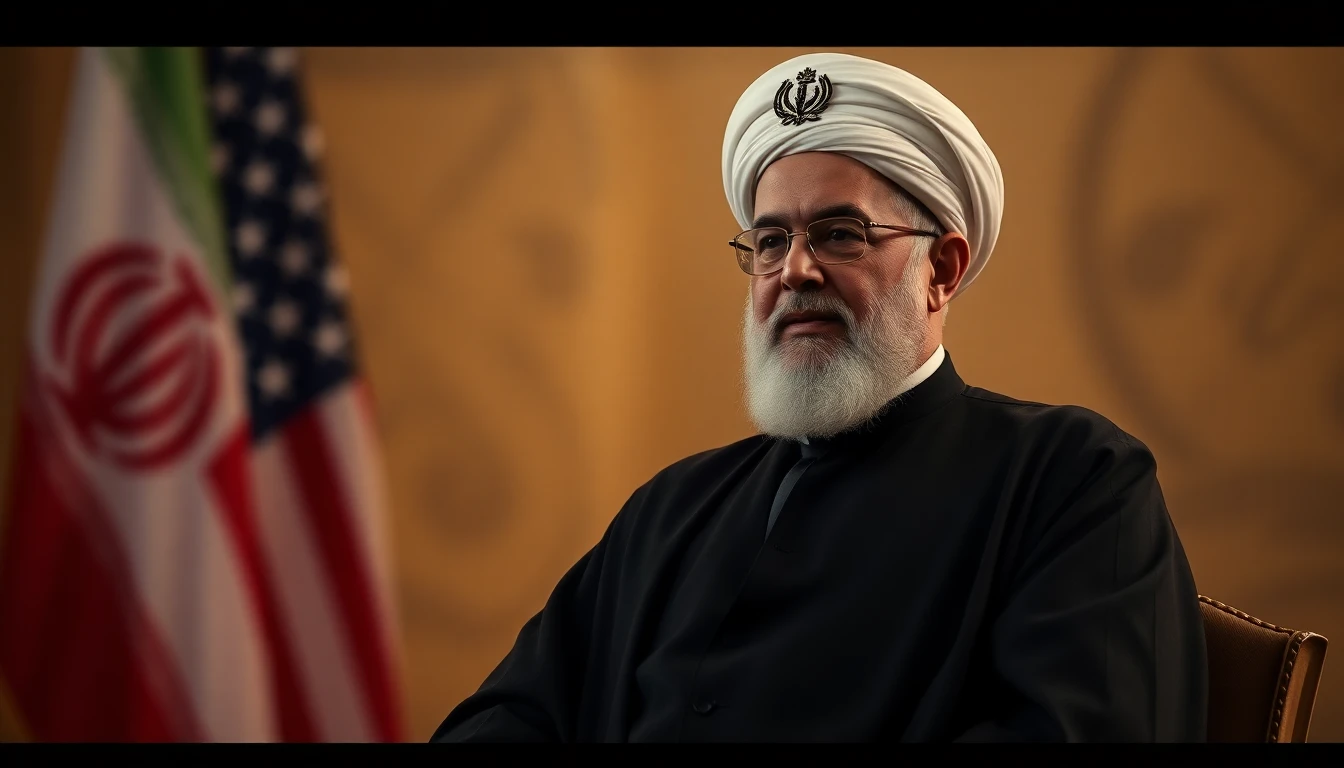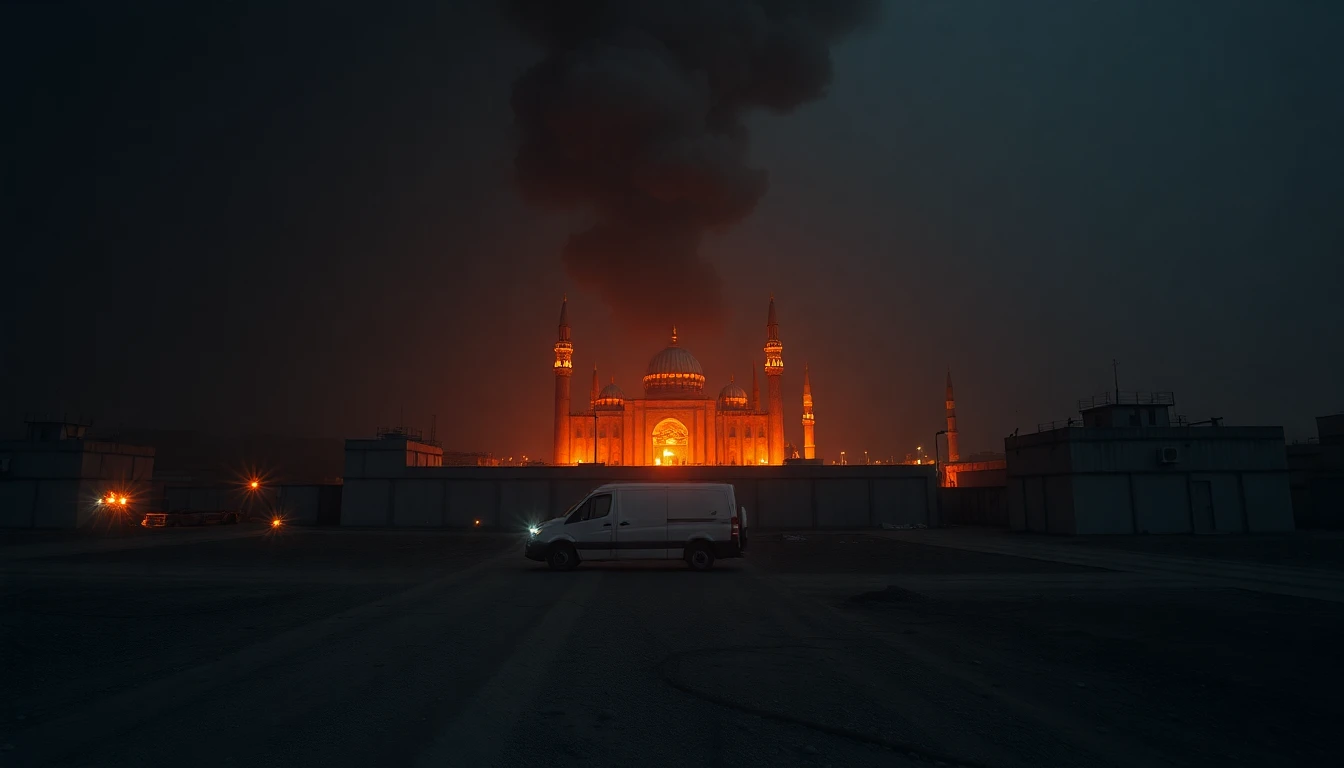
The geopolitical landscape of the Middle East has once again been thrown into turmoil as escalating tensions between Iran, the United States, and Israel have boiled over into direct military action. Following a series of escalating incidents, US and Israeli forces have reportedly launched targeted strikes against key leadership sites within Iran. This action comes as a direct response to Tehran’s retaliatory strikes, which have impacted several locations across the region. The world now watches with bated breath, questioning whether these actions mark the beginning of a wider, more devastating conflict.
Tit-for-Tat Escalation: The Spark That Ignited the Fire
The current crisis is not an isolated event but rather the culmination of a series of escalating actions and reactions that have characterized the relationship between Iran, the US, and Israel for years. The initial spark can be traced back to a series of alleged Iranian-backed attacks on US interests in the region, including drone strikes and cyberattacks. Washington responded with increased sanctions and heightened military presence in the region, further fueling tensions. Israel, a long-time adversary of Iran, has also conducted numerous covert operations aimed at disrupting Iran’s nuclear program and its support for proxy groups in countries like Syria, Lebanon, and Yemen. The assassination of key Iranian scientists and military figures, attributed to Israeli intelligence, further inflamed the situation. Tehran’s response has been a mixture of denials, threats, and retaliatory actions, including cyberattacks on Israeli infrastructure and the alleged arming and training of militant groups targeting Israeli interests. The cycle of action and reaction has created a dangerous dynamic, making it increasingly difficult to de-escalate the situation and find a peaceful resolution. As detailed in our previous analysis of Trump meets with top Iran advisers as war threat grows, the seeds of this conflict have been sown over a prolonged period, with both overt and covert actions contributing to the current volatile state.
Targeting Leadership: A High-Risk Strategy
The decision by the US and Israel to target leadership sites within Iran represents a significant escalation in the conflict. This strategy carries immense risk, as it directly threatens the Iranian government and its power structure. The potential consequences are far-reaching, ranging from a full-scale war to internal instability within Iran. The justification for such a drastic measure likely stems from a belief that targeting leadership is the only way to effectively deter Iran’s aggressive behavior and prevent further attacks on US and Israeli interests. However, this approach also raises serious questions about international law and the principle of national sovereignty. Critics argue that such actions violate international norms and could set a dangerous precedent for other countries to engage in similar behavior. Furthermore, there is a risk of unintended consequences, such as civilian casualties or the destabilization of the Iranian government, which could lead to a power vacuum and further exacerbate the regional conflict. The United Nations’ recent approval of a 40-member scientific panel on the impact of artificial intelligence over US objections, as covered in our report UN approves 40-member scientific panel on the impact of artificial intelligence over US objections, highlights the growing international concern about the potential for technological advancements to be used in ways that could escalate conflicts and undermine global stability.
Tehran’s Retaliation: A Region Gripped by Fear
In response to the US and Israeli strikes, Tehran has unleashed a barrage of retaliatory attacks, targeting a range of strategic assets across the region. These strikes have reportedly hit military installations, oil refineries, and critical infrastructure in countries allied with the US and Israel. The scope and intensity of these attacks have sent shockwaves throughout the region, sparking widespread panic and fear. The economic impact has been immediate, with oil prices soaring and stock markets plummeting. The disruption to trade routes and supply chains has further compounded the economic crisis. The humanitarian consequences are also dire, with millions of people displaced and facing food shortages and a lack of access to essential services. Neighboring countries are bracing for a potential influx of refugees, further straining their already limited resources. The international community is scrambling to provide humanitarian aid and prevent a further escalation of the conflict. However, the complexities of the situation and the deep-seated mistrust between the warring parties make it difficult to find a diplomatic solution. The situation bears resemblance to past crises, where misinformation and biased narratives complicated resolution efforts. One must remain vigilant to prevent similar occurrences. One can find insights into misinformation in our previous reporting on ICE officers suspended after making ‘untruthful statements’ about shooting.
The Specter of Wider War: Alliances and Involvement
The current conflict carries the very real threat of escalating into a wider regional or even global war. Both the US and Iran have a network of allies and proxy groups in the region, and any miscalculation or escalation could draw these actors into the conflict. Israel’s close relationship with the US means that any attack on Israel could trigger a US response, while Iran’s support for groups like Hezbollah in Lebanon and Hamas in Gaza could lead to a wider regional conflict. Furthermore, the involvement of other major powers, such as Russia and China, could further complicate the situation. Russia has close ties with Iran and has previously provided military support to the Assad regime in Syria, while China has significant economic interests in the region and could be drawn into the conflict to protect its investments. The potential for a wider war is further heightened by the proliferation of advanced weaponry in the region, including ballistic missiles, drones, and cyber weapons. These weapons could be used to target critical infrastructure and civilian populations, leading to a devastating loss of life and widespread destruction. The situation demands immediate and concerted diplomatic efforts to de-escalate the conflict and prevent a catastrophic war.
Future Outlook: Navigating a Dangerous New Reality
The future remains uncertain, but several possible scenarios could unfold in the coming days and weeks. One possibility is that the conflict will remain contained within its current boundaries, with limited strikes and retaliatory actions. However, this scenario is unlikely, given the deep-seated mistrust and animosity between the warring parties. A more likely scenario is that the conflict will escalate further, with increased attacks on strategic assets and civilian populations. This could lead to a wider regional war, drawing in neighboring countries and potentially other major powers. Another possibility is that the international community will be able to broker a ceasefire and initiate peace negotiations. However, this will require a significant shift in the attitudes and behaviors of the warring parties, as well as a willingness to compromise and address the underlying causes of the conflict. Regardless of the outcome, the current crisis has profound implications for the future of the Middle East and the global order. It underscores the need for a more comprehensive and sustainable approach to conflict resolution, one that addresses the root causes of instability and promotes dialogue and cooperation. The current situation also highlights the importance of international law and the need for a rules-based global order. The principles of national sovereignty, non-interference, and peaceful resolution of disputes must be upheld if we are to prevent further conflicts and create a more peaceful and just world. Furthermore, there is a need to address the growing threat of cyber warfare and the proliferation of advanced weaponry, which are increasingly being used to destabilize regions and undermine global security. The recent fluctuations in the cryptocurrency market, detailed in our report Bitcoin, Ethereum, XRP Drop. This Could Have a Big Impact on Crypto This Week., serve as a reminder of the interconnectedness of the global economy and the potential for geopolitical events to have far-reaching consequences. The situation also raises questions about the role of technology in conflict and the need for ethical guidelines and regulations to prevent its misuse. The Supreme Court’s adoption of new technology to help identify conflicts of interest, as highlighted in our analysis US Supreme Court adopts new technology to help identify conflicts of interest, demonstrates the potential for technology to be used for good, but also underscores the need for caution and oversight to prevent unintended consequences. As global tensions rise, even seemingly unrelated issues such as visa accessibility and immigration policies come under increased scrutiny. The potential impact of the “New Trump administration rule will bar green-card holders from applying for SBA loans”, as discussed in Newsjack: New Trump administration rule will bar green-card holders from applying for SBA loans, could exacerbate social and economic tensions, indirectly contributing to a climate of instability.
Conclusion: A Call for De-escalation and Diplomacy
The current crisis in the Middle East is a stark reminder of the fragility of peace and the dangers of unchecked escalation. The US and Israeli strikes on Iran and Tehran’s retaliatory attacks have brought the region to the brink of a wider war, with potentially catastrophic consequences. It is imperative that all parties exercise restraint and engage in serious diplomatic efforts to de-escalate the conflict and find a peaceful resolution. The international community must also play a more active role in promoting dialogue and cooperation, addressing the underlying causes of instability, and upholding international law and the principles of national sovereignty. The alternative is a descent into chaos and violence, with devastating consequences for the region and the world. As we navigate this dangerous new reality, it is essential to remain vigilant, informed, and committed to the pursuit of peace and justice.
| Factor | United States | Israel | Iran |
|---|---|---|---|
| Military Strength | Global Superpower, Advanced Technology | Regional Power, Strong Air Force | Large Military, Ballistic Missile Program |
| Economic Stability | Largest Economy, Global Influence | Developed Economy, High-Tech Sector | Sanctioned Economy, Oil Dependent |
| Political Alliances | NATO, Strong Ties with Israel | US, European Support | Russia, China (Limited) |
| Regional Influence | Global Presence, Military Bases | Strategic Location, Strong Intelligence | Support for Proxy Groups, Regional Ambitions |
Frequently Asked Questions
What are the main reasons behind the escalating conflict between the US, Israel, and Iran?
The escalating conflict is a culmination of long-standing tensions stemming from various factors. These include Iran’s nuclear program, its support for proxy groups in the region, and its ballistic missile development. The US and Israel view these activities as threats to their national security and regional stability. Furthermore, the US’s withdrawal from the Iran nuclear deal and the reimposition of sanctions have further exacerbated tensions. Israel’s covert operations against Iranian targets and the assassination of Iranian scientists have also contributed to the escalating conflict. The differing geopolitical interests and ideological differences between the three countries make it difficult to find common ground and resolve the underlying issues, leading to a cycle of action and reaction that has brought the region to the brink of war.
What are the potential consequences of targeting leadership sites within Iran?
Targeting leadership sites within Iran is a high-risk strategy with potentially far-reaching consequences. It could lead to a full-scale war between Iran, the US, and Israel, with devastating consequences for the region and the world. It could also destabilize the Iranian government, leading to a power vacuum and further exacerbating the regional conflict. Furthermore, it could violate international law and set a dangerous precedent for other countries to engage in similar behavior. There is also a risk of unintended consequences, such as civilian casualties or the radicalization of the Iranian population. The success of this strategy depends on the accuracy of intelligence and the ability to minimize collateral damage. A miscalculation or a failed operation could have disastrous consequences, further escalating the conflict and undermining any chance of a peaceful resolution.
How might a wider regional war involving Iran, the US, and Israel impact the global economy?
A wider regional war involving Iran, the US, and Israel would have a significant and detrimental impact on the global economy. The conflict could disrupt oil supplies, leading to a sharp increase in oil prices and a global energy crisis. It could also disrupt trade routes and supply chains, leading to inflation and economic recession. The conflict could also trigger a global financial crisis, as investors lose confidence in the region and pull their investments. Furthermore, the conflict could lead to increased military spending and a diversion of resources from other important sectors, such as healthcare and education. The humanitarian consequences of the conflict would also have a significant economic impact, as millions of people are displaced and require assistance. The long-term economic consequences of a wider regional war could be devastating, potentially setting back the global economy for years to come.
What role can the international community play in de-escalating the current conflict?
The international community has a crucial role to play in de-escalating the current conflict and preventing a wider war. International organizations, such as the United Nations, can facilitate dialogue and negotiations between the warring parties. Major powers, such as Russia and China, can use their influence to encourage restraint and promote a peaceful resolution. The international community can also provide humanitarian aid to those affected by the conflict and work to address the underlying causes of instability in the region. Furthermore, the international community can uphold international law and the principles of national sovereignty, sending a clear message that aggression and violence will not be tolerated. A united and coordinated international effort is essential to de-escalate the current conflict and create a more peaceful and stable future for the Middle East. Diplomacy and commitment must be present during the discussions.
What are the long-term implications of the current crisis for the future of the Middle East?
The current crisis has profound long-term implications for the future of the Middle East. It could lead to a prolonged period of instability and conflict, with devastating consequences for the region’s population and economy. It could also reshape the geopolitical landscape of the Middle East, with new alliances and power dynamics emerging. The crisis could also exacerbate existing tensions and rivalries within the region, leading to further fragmentation and conflict. The long-term consequences of the crisis will depend on the actions of the warring parties and the ability of the international community to promote peace and stability. A failure to address the underlying causes of the conflict could lead to a cycle of violence and instability that lasts for generations. It is imperative that all parties work together to build a more peaceful and just future for the Middle East, one that is based on dialogue, cooperation, and respect for international law.