Tourism Malaysia: A Deep Dive into a Thriving Sector
As one of Southeast Asia’s most vibrant and multifaceted destinations, Malaysia’s tourism sector is a significant contributor to the country’s economy. With its rich cultural diversity, stunning natural landscapes, and a plethora of attractions, Malaysia has become a favored destination for travelers from around the globe. In this comprehensive article, we will explore the various facets of tourism in Malaysia, including its historical context, current trends, and future outlook.
Historical Context of Tourism in Malaysia
The evolution of tourism in Malaysia can be traced back to the early 20th century, when the country began to attract visitors drawn by its natural beauty and cultural richness. The establishment of Malaya as a British colony in the 19th century laid the groundwork for tourism infrastructure, with the construction of roads and communication networks facilitating travel. However, it was not until the 1970s that the Malaysian government recognized tourism’s potential as a key economic driver. Initiatives such as the ‘Visit Malaysia Year’ campaign launched in 1990 marked a turning point, boosting international arrivals and promoting the nation as a premier tourist destination.
Throughout the years, Malaysia has showcased its diverse heritage through various cultural festivals, culinary experiences, and eco-tourism initiatives. The formation of Tourism Malaysia in 1972 was pivotal in developing and promoting the country’s tourism sector, focusing on sustainable practices and the preservation of its rich biodiversity. Major events such as the World Tourism Conference in 1991 further cemented Malaysia’s commitment to becoming a global tourism hub.
Current Trends in Malaysian Tourism
As of 2025, the Malaysian tourism industry is witnessing a robust recovery following the global pandemic. The number of international arrivals has rebounded significantly, driven by increased confidence in travel safety and the resumption of major global events. Malaysia’s tourism landscape is characterized by several notable trends:
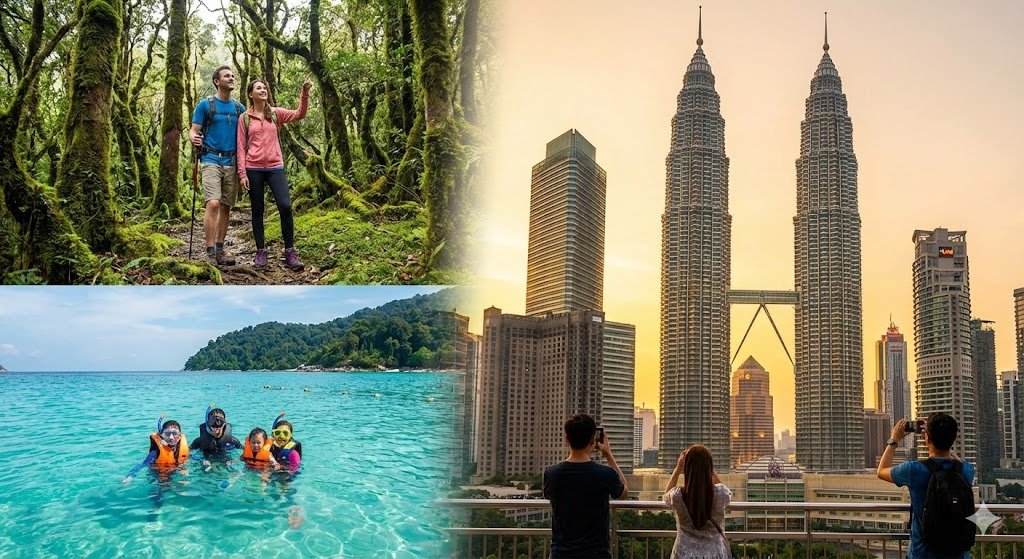
- Eco-Tourism and Sustainable Travel: With a growing global emphasis on sustainability, Malaysia has positioned itself as a leader in eco-tourism. The country’s lush rainforests, national parks, and marine reserves offer unique experiences for eco-conscious travelers. Initiatives aimed at protecting endangered species and promoting conservation efforts have become integral to Malaysia’s tourism strategy.
- Cultural Experiences: Travelers are increasingly seeking authentic cultural experiences. Malaysia’s rich tapestry of ethnicities, including Malay, Chinese, Indian, and indigenous groups, offers a unique blend of traditions, festivals, and cuisine. Culinary tourism, in particular, has gained traction, with food trails and cooking classes becoming popular among visitors.
- Digital Transformation: The integration of technology in the tourism sector has transformed how travelers plan and experience their trips. Mobile applications, virtual tours, and online booking systems have streamlined the travel process, making it easier for tourists to explore Malaysia. Additionally, the rise of social media has enabled travelers to share their experiences, further promoting the country’s attractions.
Key Attractions in Malaysia
Malaysia boasts a wealth of attractions catering to diverse interests:
- Kuala Lumpur: The capital city is a melting pot of cultures, with iconic landmarks such as the Petronas Towers, Batu Caves, and vibrant street markets. Kuala Lumpur’s nightlife and culinary scene are also significant draws for tourists.
- Penang: Known for its historic George Town, a UNESCO World Heritage Site, Penang is famous for its street art, colonial architecture, and delectable street food. The island’s beaches and cultural festivals attract both local and international visitors.
- Borneo’s Rainforests: Home to some of the world’s oldest rainforests, Malaysian Borneo is a paradise for nature lovers. Tourists can engage in eco-tours, wildlife spotting, and cultural interactions with indigenous communities.
- Langkawi: This archipelago is renowned for its stunning beaches and luxury resorts. Langkawi’s duty-free status makes it a popular shopping destination, while its natural beauty offers numerous outdoor activities.
Challenges Facing the Tourism Sector
Despite its successes, Malaysia’s tourism sector faces several challenges. Competition from neighboring countries, environmental concerns, and the need for continuous innovation are among the pressing issues. The recent rise in global travel costs, influenced by inflation and geo-political tensions, has also impacted tourist spending behaviors.
Moreover, Malaysia’s tourism infrastructure must keep pace with growing visitor numbers. Issues such as overcrowding at popular tourist sites and the need for improved transportation and accommodation options are critical challenges that require immediate attention. The COVID-19 pandemic underscored the importance of health and safety measures, prompting the need for more robust protocols to ensure traveler confidence.
Future Outlook for Malaysian Tourism
Looking ahead, the future of tourism in Malaysia appears promising, driven by strategic initiatives aimed at enhancing the visitor experience. The government has set ambitious targets to increase tourist arrivals, emphasizing the importance of sustainable and responsible tourism. Major investments in infrastructure, such as the development of new airports and transportation systems, are underway to accommodate future growth.
Additionally, the promotion of niche tourism markets, such as adventure tourism, wellness retreats, and digital nomad-friendly environments, will play a crucial role in diversifying Malaysia’s tourism offerings. With the introduction of the ‘Nomad Visa,’ Malaysia aims to attract long-term visitors who can contribute to the local economy while exploring the country’s rich cultural and natural heritage.
As Malaysia positions itself as a premier destination for travelers seeking unique experiences, the emphasis on innovation and sustainability will be key to ensuring the industry thrives in the coming years. The integration of digital solutions in marketing, booking, and customer engagement will further enhance the visitor experience, making Malaysia a competitive player in the global tourism arena.
Takeaways
In summary, the tourism sector in Malaysia is at a pivotal point of growth and transformation. With its rich cultural heritage, stunning landscapes, and a commitment to sustainability, Malaysia is poised to attract a diverse range of travelers. Addressing the challenges and capitalizing on emerging trends will be crucial for the sector’s continued success.
| Attraction | Location | Main Features | Visitor Experience |
|---|---|---|---|
| Kuala Lumpur | Federal Territory | Petronas Towers, Batu Caves | Urban culture, nightlife |
| Penang | Northwest Coast | George Town, street art | Cultural immersion, culinary exploration |
| Borneo Rainforests | Sabah & Sarawak | Wildlife, eco-tours | Nature adventure, indigenous culture |
| Langkawi | Kedah | Beaches, luxury resorts | Relaxation, shopping |
Frequently Asked Questions
What are the main attractions for tourists in Malaysia?
Malaysia offers a diverse range of attractions catering to various interests. Major cities like Kuala Lumpur boast iconic landmarks such as the Petronas Towers and vibrant street markets. In Penang, visitors can explore the historic George Town, famous for its street art and cuisine. Borneo’s rainforests provide opportunities for eco-tourism and wildlife experiences, while Langkawi is known for its stunning beaches and luxury resorts. The country’s cultural diversity also allows for immersive experiences through festivals, cuisine, and interactions with indigenous communities.
How has the COVID-19 pandemic impacted tourism in Malaysia?
The COVID-19 pandemic significantly affected the tourism sector in Malaysia, leading to a sharp decline in international arrivals and revenues. Travel restrictions, health concerns, and lockdown measures resulted in a temporary halt of tourism activities. However, the sector has shown resilience, with recovery efforts focusing on safety protocols, innovative marketing strategies, and the promotion of local tourism. As global travel resumes, Malaysia is working to restore traveler confidence and adapt to new trends in the post-pandemic landscape.
What initiatives is Malaysia implementing to promote sustainable tourism?
Malaysia is committed to promoting sustainable tourism through various initiatives focused on conservation, community engagement, and responsible travel practices. Efforts include the establishment of protected areas, eco-tourism initiatives that benefit local communities, and campaigns to raise awareness about environmental preservation. The government encourages collaborations with NGOs and the private sector to develop sustainable tourism products and experiences, ensuring that the natural and cultural heritage is preserved for future generations while providing economic benefits to local populations.
What role does technology play in the tourism sector in Malaysia?
Technology plays a crucial role in transforming the tourism sector in Malaysia. The integration of digital tools has enhanced the travel experience, from planning to booking and sharing experiences. Mobile applications provide travelers with instant access to information, while social media platforms allow for real-time sharing of experiences, promoting Malaysia’s attractions. The use of virtual reality and augmented reality in marketing efforts also offers innovative ways to engage potential visitors and showcase the country’s diverse offerings. As technology continues to evolve, it will further shape the future of tourism in Malaysia.