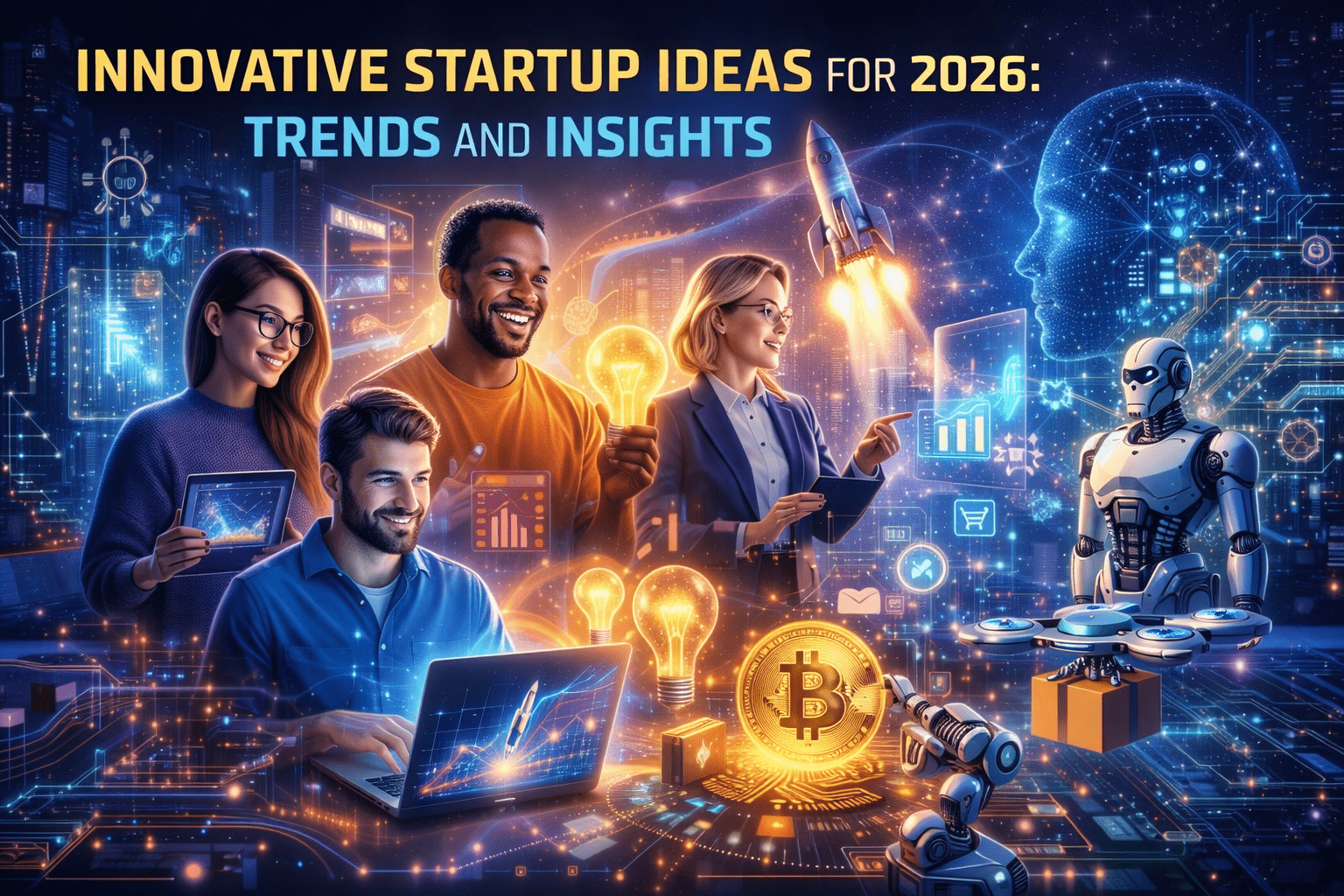
As we step into 2026, the entrepreneurial landscape is ripe with transformative opportunities that reflect our evolving societal needs, technological advancements, and the global economy’s shifting dynamics. This deep dive explores the most promising startup ideas for 2026, categorized into several key sectors, each addressing current demands and future trends.
The Health Tech Revolution
Healthcare technology continues to be one of the most dynamic sectors for startups in 2026. With the pandemic having accelerated the adoption of telemedicine and digital health solutions, entrepreneurs are now focusing on innovative ways to integrate technology into everyday health management. Wearable devices equipped with AI capabilities are becoming commonplace, enabling users to monitor their health metrics in real-time.
One of the most exciting areas within health tech is personalized medicine, where startups are leveraging genetic data to tailor treatments to individuals. Companies like Helix and 23andMe have paved the way for this sector, and new entrants can capitalize on the demand for bespoke healthcare solutions.
Moreover, mental health apps are surging in popularity as awareness around mental well-being increases. Startups that offer virtual therapy or AI-driven mental health support systems can fill a crucial gap in the market. As seen with platforms like BetterHelp, the potential for scalable and accessible mental health care is substantial.
Additionally, the integration of fitness with technology is transforming personal health. For instance, the Ultimate Core Strengthening Device represents a growing trend where fitness solutions are becoming more sophisticated and user-friendly. Startups offering smart fitness equipment that connects with apps for personalized coaching will likely find a receptive audience.
Sustainability and Eco-Innovation
As climate change becomes an increasingly pressing issue, sustainability is no longer just an option but a necessity for new businesses. Startups focused on eco-innovation are setting the stage for a greener future. In 2026, we expect to see a surge in companies that provide solutions for carbon capture, waste reduction, and sustainable energy.
For example, startups that develop biodegradable packaging alternatives can tap into a market that is increasingly rejecting plastic. Innovations in this space are already being pioneered by companies like Biopak and Lush, which have made significant strides in sustainable products.
Furthermore, the energy sector presents ripe opportunities for startups focused on renewable resources. Solar energy solutions, particularly those that utilize advanced storage technologies, are gaining traction. Entrepreneurs can explore partnerships with established solar companies or venture into new territories by developing localized solar energy solutions for communities.
Water scarcity is another area where startups can make a significant impact. Companies that develop technologies to purify or recycle water can address an urgent global need while also creating a sustainable business model. Overall, sustainability-focused startups will not only be pivotal in combating climate change but will also attract consumers who prioritize eco-friendly practices.
The Rise of AI and Automation
2026 is poised to be a landmark year for startups leveraging artificial intelligence and automation. As businesses across sectors look to optimize operations and reduce costs, the demand for AI-driven solutions is skyrocketing. Startups that provide AI tools for data analysis, customer service automation, and marketing can find themselves at the forefront of this trend.
AI-powered chatbots, for instance, are revolutionizing customer interactions. Startups that develop sophisticated chatbot solutions capable of understanding and responding to customer queries in a human-like manner will have a competitive edge. With businesses increasingly seeking to enhance customer experience while managing operational costs, this area is ripe for innovation.
Moreover, the integration of AI into creative industries is becoming more prevalent. Startups that harness AI for content creation, graphic design, or even music production are tapping into a niche that combines technology with artistry. This trend is evident in the rise of platforms that offer AI-generated art and music, providing new avenues for creative expression.
Nvidia’s advancements in AI technology are setting the pace for what’s possible in this realm. The company’s innovations are not only enhancing existing applications but also paving the way for entirely new sectors to emerge, making it an exciting time for tech-savvy entrepreneurs.
Remote Work and Digital Nomad Solutions
The shift to remote work has created a sustained demand for solutions that support digital nomad lifestyles. With more professionals seeking flexibility and the ability to work from anywhere, startups that cater to this demographic are well-positioned for success in 2026.
Co-working spaces that prioritize community building and offer amenities tailored to remote workers are likely to thrive. Startups can explore hybrid models that combine physical spaces with digital platforms, creating a seamless experience for users. Moreover, tools that enhance productivity and collaboration among remote teams will continue to see robust demand.
As digital nomadism becomes mainstream, startups offering services such as travel planning, legal advice for remote workers, or even relocation assistance can tap into a lucrative market. By creating solutions that simplify the logistics of working while traveling, entrepreneurs can attract a growing audience of professionals looking to embrace this lifestyle.
Additionally, health and wellness services tailored for remote workers are gaining traction. Companies that provide virtual health consultations, fitness programs, or mental wellness resources can address the unique challenges faced by this demographic.
Entertainment and Content Creation Innovations
The entertainment landscape is evolving rapidly, driven by technological advancements and changing consumer preferences. In 2026, startups that focus on content creation and distribution methods will play a crucial role in shaping the future of entertainment.
Streaming services continue to dominate, but the competition is fierce. Startups that can offer unique content or innovative distribution models are likely to capture audience attention. For instance, platforms that leverage blockchain technology for content monetization or rights management are gaining interest as they provide transparency and security for creators.
Moreover, the rise of interactive content, such as virtual reality (VR) experiences, presents a wealth of opportunities for startups. Companies that create immersive storytelling experiences or VR gaming platforms can engage audiences in ways that traditional media cannot. This trend is further fueled by advancements in hardware, making VR experiences more accessible to consumers.
Social media remains a powerful tool for content creators, with platforms like TikTok driving viral trends. Startups that develop tools or services to enhance content creation on platforms like TikTok, such as viral TikTok LED strip lights, can tap into the creativity of users eager to elevate their content.
In conclusion, as we look ahead to 2026, the startup landscape is vibrant with possibility. Entrepreneurs can capitalize on trends in health tech, sustainability, AI, remote work, and entertainment to build innovative solutions that address the challenges and desires of modern consumers. By aligning their visions with these emerging trends, startups can not only succeed but also contribute positively to society and the environment.
As we close out this exploration of startup ideas for 2026, it’s clear that the future of entrepreneurship is not just about profit—it’s about purpose, innovation, and the pursuit of a better world.
| Sector | Startup Idea | Market Trend | Growth Potential |
|---|---|---|---|
| Health Tech | Personalized Medicine | Rising demand for tailored healthcare | High |
| Sustainability | Biodegradable Packaging | Increased consumer focus on eco-friendly products | High |
| AI and Automation | AI-Powered Chatbots | Growing need for enhanced customer service solutions | Very High |
| Remote Work | Digital Nomad Services | Increasing number of remote workers | High |
| Entertainment | Interactive VR Experiences | Demand for immersive content | Very High |
Frequently Asked Questions
What are some innovative startup ideas for 2026?
Innovative startup ideas for 2026 span various sectors, including health tech, sustainability, artificial intelligence, remote work, and entertainment. In health tech, personalized medicine and mental health apps are gaining traction, driven by a growing demand for tailored healthcare solutions. Sustainability-focused startups can explore biodegradable packaging and renewable energy technologies. The rise of AI presents opportunities for businesses offering automation tools and AI-driven customer service solutions. Additionally, the digital nomad lifestyle is creating demand for services that support remote workers, while the entertainment industry is evolving with interactive content and immersive experiences. Entrepreneurs can find unique niches within these trends to create impactful and successful startups.
How is technology shaping the future of startups?
Technology is fundamentally reshaping the startup landscape by enabling innovative solutions that address consumer needs and market gaps. In 2026, advancements in artificial intelligence, machine learning, and automation are transforming various industries, allowing startups to enhance efficiency and deliver more personalized experiences. The rise of digital platforms has democratized access to markets, allowing entrepreneurs to reach global audiences with relative ease. Moreover, technology is driving new trends such as remote work, where digital tools facilitate collaboration and productivity for distributed teams. As a result, startups that leverage technology to create unique value propositions and streamline operations are positioned for success in this rapidly evolving environment.
What role does sustainability play in startup growth?
Sustainability plays a crucial role in startup growth as consumers increasingly prioritize eco-friendly practices and products. In 2026, startups that adopt sustainable business models not only attract environmentally conscious customers but also mitigate risks associated with regulatory changes and resource scarcity. By focusing on sustainable innovation, such as biodegradable products or renewable energy solutions, startups can differentiate themselves in crowded markets. Additionally, sustainability can lead to cost savings through efficient resource management and waste reduction. As awareness of climate change grows, businesses that integrate sustainability into their core strategies are likely to thrive and gain a competitive edge.
What are the implications of the rise of remote work for startups?
The rise of remote work has significant implications for startups, creating new opportunities and challenges. For one, startups can access a broader talent pool unrestricted by geographical limitations, allowing them to recruit skilled professionals from around the world. However, this also means increased competition for talent, as companies vie for the same remote workers. Moreover, startups must adapt to new operational models that support remote collaboration, including investing in technology and tools that enhance productivity and communication. Additionally, addressing the well-being of remote employees is essential, leading to increased demand for services that cater to mental health and work-life balance. Startups that embrace these changes and prioritize employee experience will likely succeed in the evolving work landscape.
What trends in entertainment should startups focus on in 2026?
In 2026, startups in the entertainment sector should focus on trends such as interactive content and immersive experiences. The demand for virtual reality (VR) and augmented reality (AR) is growing, as consumers seek novel ways to engage with stories and experiences. Startups that create VR gaming platforms or immersive storytelling applications can capitalize on this trend. Additionally, the rise of streaming services continues to reshape content consumption, with opportunities for startups that offer unique content or innovative distribution models. Blockchain technology is also emerging as a tool for content monetization, providing transparency and security for creators. By aligning with these trends, startups can create compelling offerings that resonate with audiences.