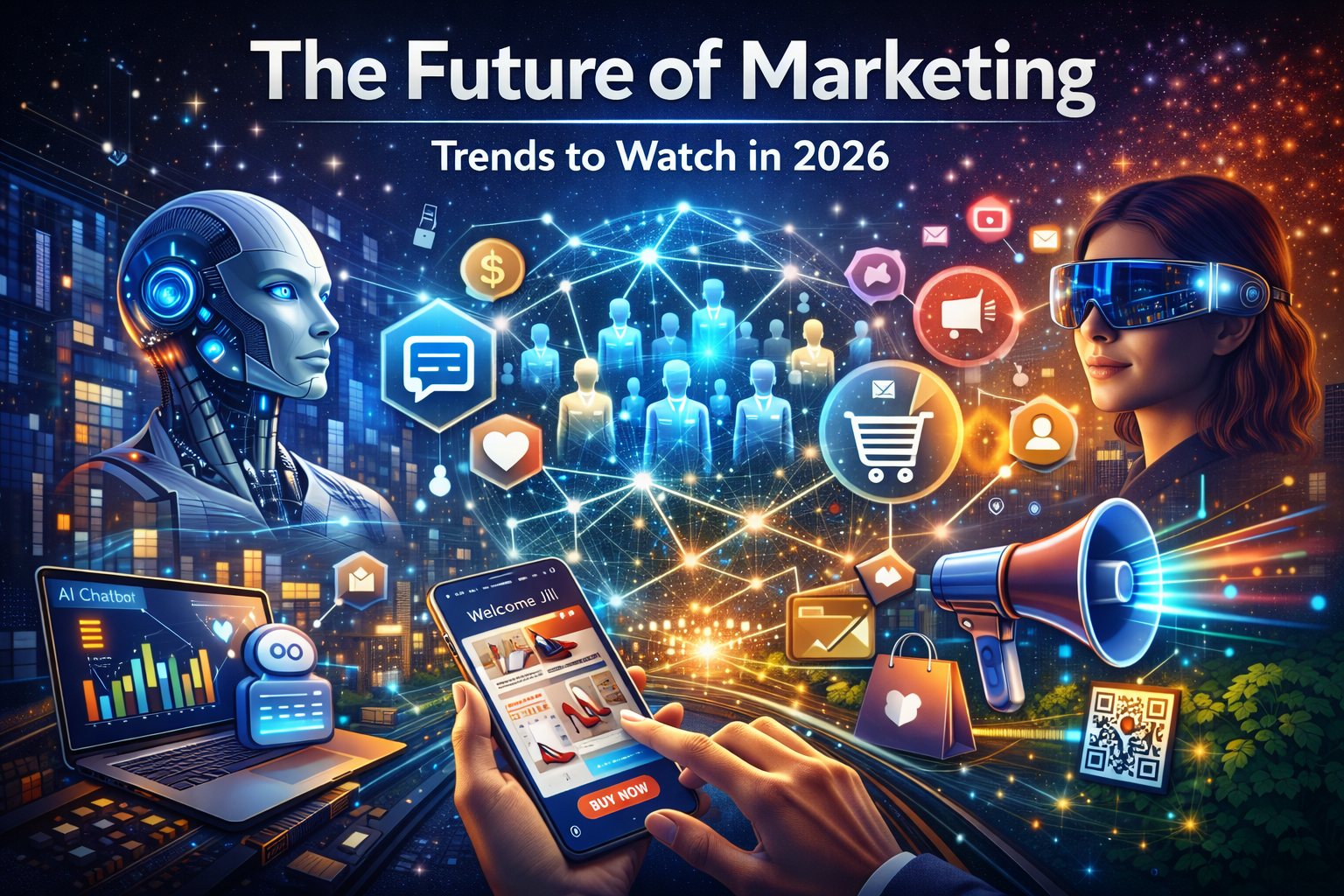
The Future of Marketing: Trends to Watch in 2026
As we approach 2026, the marketing landscape is evolving faster than ever, driven by technological advancements, shifting consumer behaviors, and the influence of global events. In this article, we will delve into the key trends expected to dominate marketing strategies in the coming year. From the rise of artificial intelligence to the increasing importance of remote working dynamics, understanding these trends will be crucial for businesses aiming to stay competitive.
The Dominance of Artificial Intelligence in Marketing
Artificial intelligence (AI) has been steadily influencing various sectors, and marketing is no exception. By 2026, AI is set to become a cornerstone of marketing strategies. Brands will use AI to analyze consumer data, predict trends, and create personalized experiences at scale. This move towards hyper-personalization is expected to enhance customer engagement and drive loyalty.
Moreover, AI-powered tools will enable marketers to automate repetitive tasks, allowing them to focus on strategic planning and creative endeavors. As businesses increasingly adopt AI, the demand for skilled professionals who can navigate this technology will rise, creating new job opportunities in the marketing field.
Shifting Consumer Behaviors
Consumer behavior is notoriously fickle, and the past few years have shown that adaptability is key for brands. In 2026, consumers will continue to prioritize brands that align with their values, particularly regarding sustainability and social responsibility. Companies that can effectively communicate their commitment to these values will likely see increased loyalty and brand affinity.
Additionally, the pandemic has accelerated the adoption of online shopping, making it imperative for businesses to enhance their digital presence. E-commerce is projected to continue its growth trajectory, with mobile shopping leading the charge. This shift necessitates that marketers develop mobile-first strategies to capture the attention of tech-savvy consumers.
The Rise of Remote Work and Its Impact on Marketing
The remote work revolution, which gained momentum during the pandemic, is expected to solidify its place in the corporate world by 2026. As more companies embrace flexible work arrangements, marketing teams will need to adapt their strategies. This change will not only affect internal communications but also how brands engage with consumers.
Remote work will likely change the way brands approach advertising and outreach. With a workforce that is no longer tied to a physical location, marketers will need to focus on digital channels to reach their audiences effectively. Additionally, remote work may lead to more diverse talent pools, allowing brands to craft messages that resonate with a broader audience.
The Integration of Augmented and Virtual Reality
Augmented reality (AR) and virtual reality (VR) technologies are set to transform the consumer experience in marketing. By 2026, brands that leverage AR and VR will be able to create immersive experiences that captivate consumers. For instance, retailers may implement AR to allow customers to visualize products in their homes before making a purchase.
This technology can enhance the online shopping experience, making it more interactive and engaging. As consumers increasingly seek unique and memorable interactions with brands, the integration of AR and VR will become essential for businesses aiming to stand out in a crowded marketplace.
Data Privacy and Ethical Marketing
As concerns about data privacy grow, marketers must prioritize ethical data usage. The implementation of stricter regulations will require brands to rethink their data collection practices. By 2026, transparency in data handling will be a significant factor in consumer trust. Marketers who adopt ethical practices will not only comply with regulations but also build stronger relationships with their customers.
Moreover, businesses will need to invest in robust cybersecurity measures to protect consumer information. As data breaches become more prevalent, companies that prioritize security will have a competitive edge over those that do not.
Influencer Marketing Evolution
Influencer marketing has proven to be a powerful tool for brands, and its evolution will continue into 2026. As consumers become more discerning, the authenticity of influencers will play a crucial role in their effectiveness. Brands will need to collaborate with influencers who genuinely resonate with their target audience, ensuring that partnerships feel organic and trustworthy.
Additionally, the rise of micro and nano influencers will challenge traditional celebrity endorsements. These smaller influencers often boast loyal followings and higher engagement rates, making them an attractive option for brands looking to connect with niche markets.
Embracing Sustainability in Marketing
As climate change becomes an increasingly pressing issue, sustainability will take center stage in marketing strategies. By 2026, brands that prioritize sustainable practices will appeal to environmentally conscious consumers. This includes not only product offerings but also supply chain transparency and eco-friendly marketing campaigns.
Brands can leverage sustainability as a unique selling proposition, creating campaigns that highlight their commitment to environmental responsibility. As consumers become more informed and engaged, they will favor brands that align with their values.
Conclusion: Preparing for the Future
As we look ahead to 2026, the marketing landscape is poised for significant transformation. Businesses must stay attuned to emerging trends to remain relevant and competitive. From embracing AI and AR to prioritizing ethical marketing and sustainability, the strategies that brands employ will shape their future success.
In a world where consumer preferences are constantly evolving, marketers must be agile and adaptable. The ability to pivot in response to new challenges and opportunities will be paramount. By understanding the trends that will define 2026, companies can position themselves for sustainable growth in an ever-changing marketplace.
Key Takeaways
- Artificial intelligence will play a pivotal role in marketing strategies, driving hyper-personalization.
- Shifting consumer behaviors will prioritize sustainability and social responsibility.
- The remote work revolution will reshape marketing outreach and internal communications.
- Augmented and virtual reality will enhance consumer engagement through immersive experiences.
- Data privacy and ethical marketing practices will be crucial for building consumer trust.
- Influencer marketing will evolve, focusing on authenticity and engagement over reach.
- Sustainability will become a key differentiator for brands in the marketplace.
| Trend | Impact on Marketing | Consumer Engagement | Technological Integration |
|---|---|---|---|
| Artificial Intelligence | Hyper-personalization | High | Data analysis & automation |
| Remote Work | Flexible outreach | Medium | Digital communication tools |
| Augmented/Virtual Reality | Immersive experiences | Very High | AR/VR technology |
| Sustainability | Brand loyalty | High | Eco-friendly initiatives |
Frequently Asked Questions
What role will AI play in marketing by 2026?
AI will drive hyper-personalization, automate tasks, and analyze consumer data to enhance marketing strategies.
How will consumer behaviors change in 2026?
Consumers will prioritize brands that align with their values, especially regarding sustainability and social responsibility.
What impact will remote work have on marketing?
Remote work will necessitate a shift towards digital marketing strategies and flexible outreach.
How will AR and VR change consumer experiences?
AR and VR will create immersive shopping experiences, allowing consumers to interact with products in unique ways.
What is the significance of ethical marketing practices?
Ethical marketing practices will build consumer trust and comply with stricter data privacy regulations.