Khamenei Death Claim Sparks Global Alarm: US-Iran Tensions Soar
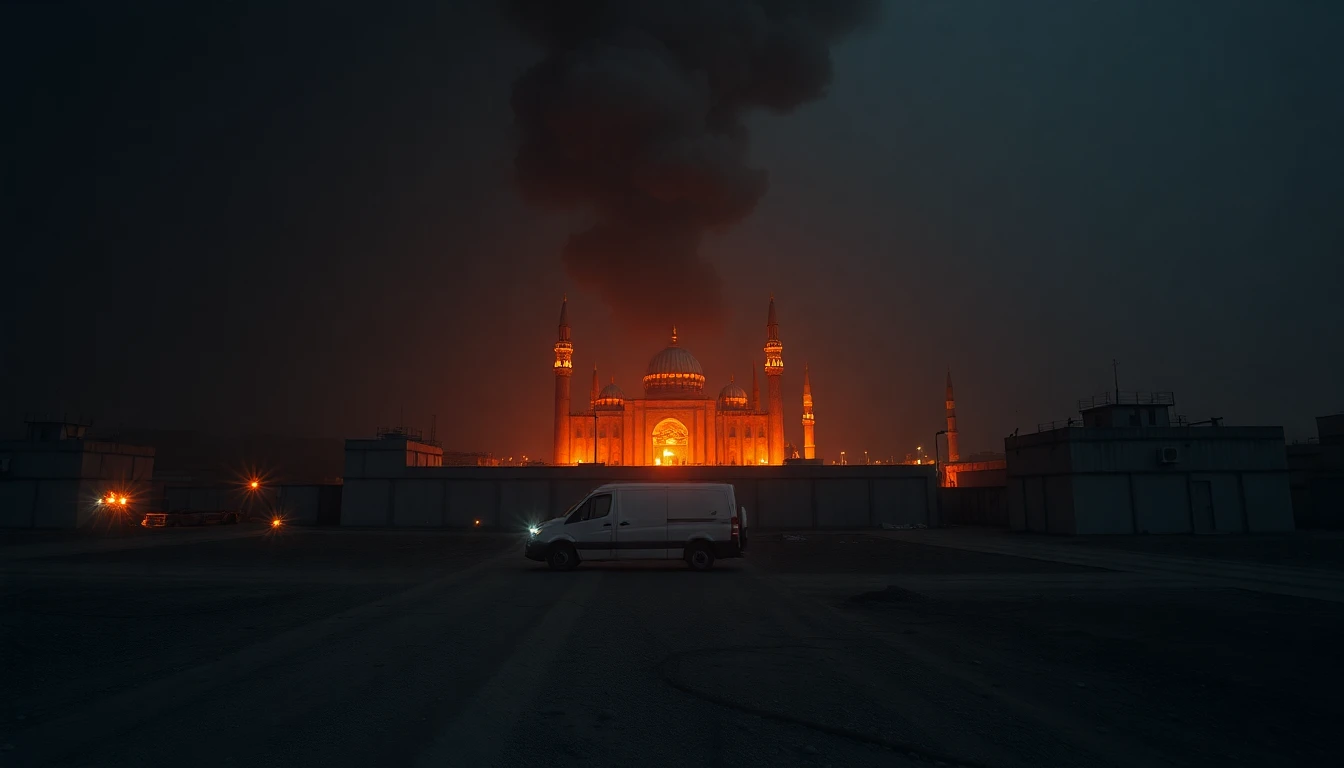
Washington D.C. – US President Donald Trump, in a surprise announcement earlier today, claimed that Iran’s Supreme Leader Ayatollah Ali Khamenei is dead, attributing his demise to recent joint US-Israeli military strikes. The claim, delivered via his Truth Social account and reiterated in a press conference held shortly thereafter, has sent shockwaves across the globe, triggering immediate emergency meetings at the United Nations and within various national security councils.
The veracity of Trump’s statement remains unconfirmed by official US government sources. The White House has so far declined to comment directly on the matter, issuing a brief statement indicating that they are “monitoring the situation closely.” However, several high-ranking officials, speaking on condition of anonymity, have acknowledged that there has been a significant increase in military activity in the region, though they have neither confirmed nor denied the targeting of Khamenei.
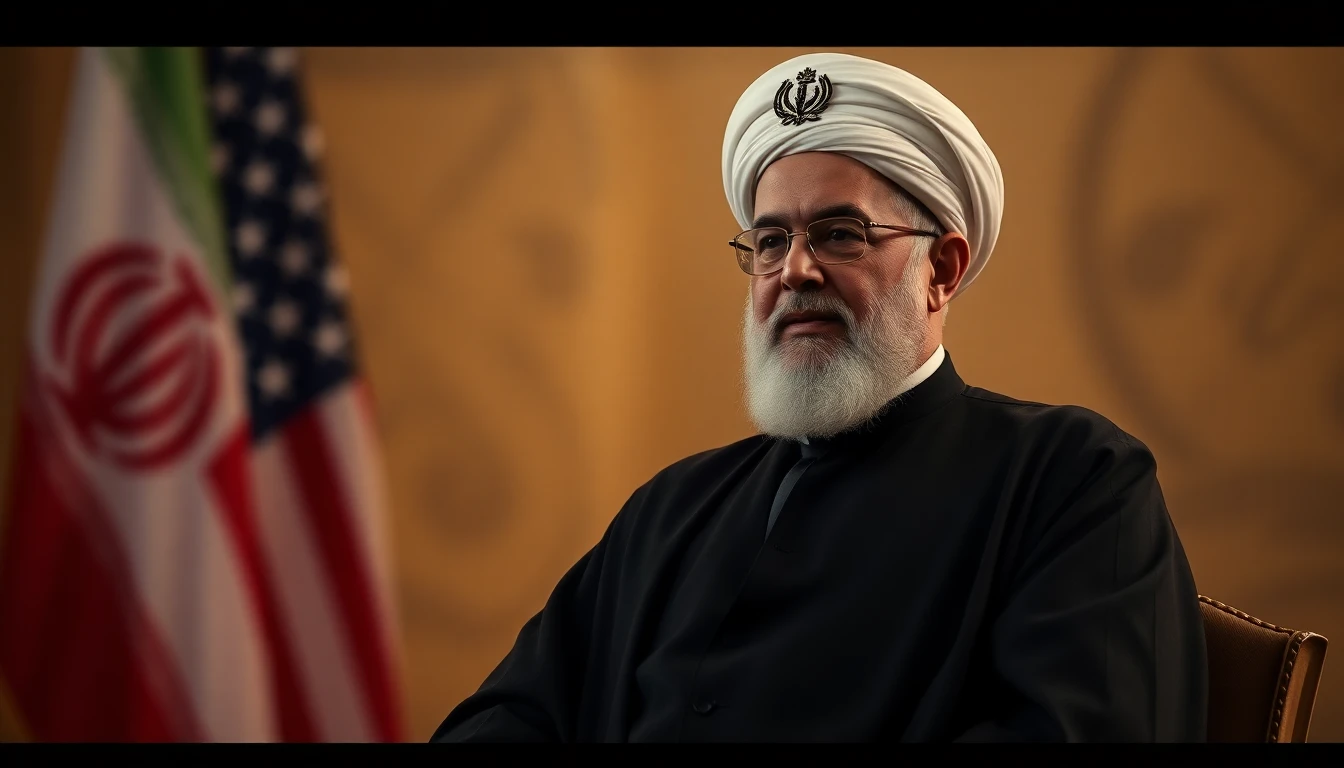
The Islamic Republic of Iran has vehemently denied Trump’s claim, with state media broadcasting images of Khamenei purportedly attending a meeting with senior government officials in Tehran earlier this morning. However, these images have been met with skepticism from international observers, many of whom point to inconsistencies in the broadcast and the lack of independent confirmation of Khamenei’s well-being.
The potential death of Khamenei, if confirmed, would represent a monumental shift in the geopolitical landscape of the Middle East. Khamenei has served as the Supreme Leader of Iran since 1989, wielding ultimate authority over the country’s political and religious affairs. His passing would likely trigger a fierce power struggle within Iran, potentially destabilizing the region and creating opportunities for both internal dissent and external intervention.
Immediate Global Reactions and Market Volatility
The immediate aftermath of Trump’s announcement has been characterized by widespread uncertainty and heightened anxiety. Global stock markets experienced a sharp downturn, with oil prices surging to levels not seen since the height of the Russia-Ukraine conflict. The Brent crude benchmark jumped over 8% in early trading, reflecting fears of potential disruptions to oil supplies from the Middle East. Investors are flocking to safe-haven assets such as gold and US Treasury bonds, indicating a flight from risk.
Numerous countries have issued travel advisories, urging their citizens to avoid non-essential travel to Iran and the surrounding region. Embassies and consulates have been placed on high alert, and security measures have been 강화 throughout major cities around the world.
The United Nations Security Council has convened an emergency session to discuss the situation, with representatives from the US, Russia, China, and the European Union all expressing deep concern over the escalating tensions. UN Secretary-General Antonio Guterres has called for restraint from all parties and urged them to refrain from any actions that could further destabilize the region. The UN’s recently approved 40-member scientific panel on AI could play a role in analyzing misinformation and propaganda during this crisis, assuming it is given the mandate and resources. UN approves 40-member scientific panel on the impact of artificial intelligence over US objections.
Several prominent political figures have weighed in on the situation. US Senator Mark Warner, Chairman of the Senate Intelligence Committee, issued a statement urging caution and calling for a thorough investigation into the veracity of Trump’s claims. “It is imperative that we verify the facts before making any definitive statements,” Warner said. “The potential consequences of acting on misinformation could be catastrophic.”
The ambiguity surrounding Khamenei’s condition has created a breeding ground for speculation and conspiracy theories. Social media platforms are rife with unverified reports and conflicting narratives, further fueling the climate of uncertainty. Fact-checking organizations are working overtime to debunk false claims and combat the spread of misinformation, but the sheer volume of information makes it a daunting task.
Deep Dive: The current situation highlights the fragility of international relations and the potential for misinformation to rapidly escalate tensions. The reliance on social media for disseminating information, particularly in times of crisis, underscores the need for greater media literacy and critical thinking skills. Furthermore, the incident serves as a stark reminder of the importance of verified sources and responsible reporting.
The Succession Question and Potential Power Struggles
If Khamenei’s death is confirmed, the immediate focus will shift to the question of succession. According to Iran’s constitution, the Assembly of Experts, a body of senior clerics, is responsible for choosing the next Supreme Leader. However, the process is often shrouded in secrecy and subject to intense political maneuvering.
Several potential candidates have been floated as possible successors, including Khamenei’s son, Mojtaba. However, his appointment would likely be met with resistance from within the religious establishment, as well as from reformist elements within Iranian society. Other potential contenders include President Ebrahim Raisi and several other high-ranking clerics with close ties to the Revolutionary Guard.
The succession battle could potentially trigger a period of instability and infighting within Iran. Different factions within the regime may vie for power, leading to a protracted struggle that could weaken the country and create opportunities for external interference. Some analysts have warned that the situation could even descend into civil conflict, particularly if the military becomes divided along factional lines.
The role of the Islamic Revolutionary Guard Corps (IRGC) in the succession process is also a key factor to consider. The IRGC has become increasingly powerful in recent years, wielding significant influence over Iran’s economy, security, and foreign policy. Its involvement in the succession process could further complicate matters and potentially lead to a more hardline outcome. It will be important to monitor for any potential impacts on peace talks related to Trump’s Gaza plan, which Indonesia has offered to support with peacekeeping troops. Indonesia Says It’s Preparing Thousands of Peacekeeping Troops for Trump’s Gaza Plan.
Historical Context: The history of succession in Iran is fraught with challenges and uncertainties. The transition from Ayatollah Ruhollah Khomeini to Khamenei in 1989 was relatively smooth, but it was preceded by a period of intense political maneuvering and debate. The current situation is even more complex, given the increased polarization within Iranian society and the heightened external pressures facing the country.
The power struggle could also provide an opportunity for reformist elements within Iran to push for greater political and social freedoms. Public discontent with the current regime has been growing in recent years, fueled by economic hardship and political repression. The succession crisis could create a window of opportunity for these forces to challenge the status quo and demand change.
US-Israeli Involvement and the Risk of Escalation
Trump’s claim that Khamenei’s death was the result of US-Israeli military strikes has raised serious questions about the nature and scope of their involvement in the region. While the US and Israel have long been critical of Iran’s nuclear program and its support for militant groups in the Middle East, they have generally avoided direct military confrontation with the Iranian leadership.
If Trump’s claim is true, it would represent a significant escalation of the conflict and could have far-reaching consequences. Iran would likely retaliate against US and Israeli interests, potentially targeting military bases, embassies, or civilian infrastructure. The conflict could also spill over into neighboring countries, drawing in other regional actors and further destabilizing the region.
The timing of Trump’s announcement is also noteworthy. It comes at a time of heightened tensions between the US and Iran, following a series of incidents in the Persian Gulf, including attacks on oil tankers and drone strikes against Saudi oil facilities. The US has blamed Iran for these attacks, but Iran has denied any involvement.
The potential for miscalculation and unintended escalation is high. In a climate of heightened tension and mistrust, even a minor incident could trigger a major conflict. The lack of clear communication channels between the US and Iran further exacerbates the risk.
Future Outlook: The US and Israel will need to carefully calibrate their response to the situation in Iran. A measured and restrained approach is essential to avoid further escalation. Diplomatic efforts should be prioritized, with the aim of de-escalating tensions and preventing a full-blown conflict. The possibility of Trump meeting with Iranian advisors looms large. Trump meets with top Iran advisers as war threat grows. It is critical to understand the full scope of US involvement, especially as the Supreme Court adopts new technology to help identify conflicts of interest. US Supreme Court adopts new technology to help identify conflicts of interest.
The Global Information War and the Role of Misinformation
The Khamenei death claim highlights the growing challenge of combating misinformation in the digital age. The rapid spread of unverified reports and conflicting narratives on social media has created a climate of confusion and mistrust, making it difficult for the public to discern fact from fiction.
The situation underscores the need for greater media literacy and critical thinking skills. Individuals need to be able to evaluate sources of information, identify potential biases, and distinguish between verified facts and unsubstantiated claims. Social media companies also have a responsibility to combat the spread of misinformation on their platforms.
The use of deepfakes and other forms of synthetic media poses a significant threat. Sophisticated AI-generated videos and audio recordings can be used to create realistic but entirely fabricated content, further blurring the lines between reality and illusion. The risk of such technologies being used to manipulate public opinion and incite violence is a growing concern.
The information war is not limited to social media. State-sponsored propaganda outlets and troll farms are actively engaged in spreading disinformation and undermining trust in democratic institutions. These actors often target vulnerable populations, exploiting existing divisions and grievances to sow discord and instability. Given the rapid advancement of AI tools like Gemini 3.1 Pro, the creation and dissemination of misinformation will only become more sophisticated. Gemini 3.1 Pro: A smarter model for your most complex tasks.
Deep Dive: The information war is a complex and multifaceted phenomenon that requires a comprehensive response. This includes investing in media literacy education, strengthening fact-checking organizations, and holding social media companies accountable for the content on their platforms. It also requires a greater awareness of the psychological tactics used by disinformation actors and a willingness to challenge false narratives.
Long-Term Implications for Regional Stability and Nuclear Proliferation
The unfolding events in Iran have significant long-term implications for regional stability and nuclear proliferation. The death of Khamenei, if confirmed, could create a power vacuum that would be exploited by various regional actors, including Saudi Arabia, Turkey, and Russia. The resulting competition for influence could further destabilize the region and exacerbate existing conflicts.
The situation also raises concerns about Iran’s nuclear program. With Khamenei gone, the future of the program is uncertain. Some analysts fear that a more hardline regime could accelerate the development of nuclear weapons, while others believe that a more moderate leadership could be more open to negotiations with the international community.
The collapse of the Iran nuclear deal in 2018, under the previous Trump administration, has already significantly increased the risk of nuclear proliferation in the Middle East. Without a verifiable agreement in place, Iran is free to enrich uranium to levels that could be used to produce nuclear weapons. The current crisis could further accelerate this process.
The international community needs to urgently address the issue of nuclear proliferation in the Middle East. This requires a renewed commitment to diplomacy and a willingness to engage with Iran on a mutually agreeable basis. The alternative is a dangerous arms race that could have catastrophic consequences for the region and the world.
Historical Context: The issue of nuclear proliferation in the Middle East has been a source of concern for decades. Israel is widely believed to possess nuclear weapons, although it has never officially confirmed or denied this. The prospect of Iran acquiring nuclear weapons would further destabilize the region and could trigger a nuclear arms race.
Conclusion: Navigating a Complex and Uncertain Future
The Khamenei death claim has thrown the Middle East into turmoil and created a climate of unprecedented uncertainty. The situation is fraught with risks, but also presents opportunities for positive change. It is crucial that the international community acts with caution and restraint, prioritizing diplomacy and de-escalation. The spread of misinformation needs to be aggressively countered, and efforts to promote media literacy and critical thinking must be intensified.
The future of Iran, and the region as a whole, hangs in the balance. The choices made in the coming days and weeks will have profound and lasting consequences. A commitment to dialogue, cooperation, and mutual respect is essential to navigating this complex and uncertain future. It will be important to track Bitcoin, which makes a ‘perfect record’ for tracking down criminals. Crypto expert explains why bitcoin makes ‘perfect record’ for tracking down criminals.
| Factor | Confirmed Death | Power Struggle | Regional Impact |
|---|---|---|---|
| Source of Information | Unverified claim by Donald Trump | Succession uncertainty | Significant destabilization |
| Iranian Government Response | Vehement denial, disputed evidence | Potential infighting among factions | Increased risk of regional conflict |
| Global Market Reaction | Stock market downturn, oil price surge | Economic instability | Global economic impact |
| Risk of Escalation | High, potential for miscalculation | Internal dissent and external intervention | Nuclear proliferation concerns |
Frequently Asked Questions
What is the basis for Trump’s claim that Ayatollah Khamenei is dead?
Donald Trump stated on his Truth Social account and at a subsequent press conference that Ayatollah Ali Khamenei’s death was the result of recent joint US-Israeli military strikes. However, he has not provided specific evidence to support this claim. The White House has issued a statement indicating they are monitoring the situation closely, but has neither confirmed nor denied Trump’s statement. This lack of official confirmation coupled with Iran’s denial makes the claim highly dubious and requires further investigation from independent sources.
How has the Iranian government responded to the claim of Khamenei’s death?
The Iranian government has vehemently denied the claim that Ayatollah Khamenei is dead. Iranian state media has broadcast images of Khamenei purportedly attending meetings with senior government officials. However, these images have been met with skepticism from international observers, who have pointed out inconsistencies and the lack of independent verification. The Iranian government’s denial should be viewed with caution, as they may have a vested interest in maintaining the appearance of stability and continuity, especially in the face of internal or external threats.
What are the potential consequences if Khamenei’s death is confirmed?
If Ayatollah Khamenei’s death is confirmed, the immediate consequences could be far-reaching and destabilizing. Within Iran, a fierce power struggle could erupt between different factions vying for control. This could lead to internal unrest and create opportunities for external intervention. Regionally, the power vacuum could be exploited by rival states, potentially escalating existing conflicts. Globally, the uncertainty could lead to economic instability, with fluctuations in oil prices and stock markets. The long-term implications could include a change in Iran’s foreign policy, particularly regarding its nuclear program and relations with the US and Israel. It is even more vital that ICE officers act with complete integrity and truthfulness, as lapses could destabilize the situation more. ICE officers suspended after making ‘untruthful statements’ about shooting.
What is the role of the Assembly of Experts in the event of the Supreme Leader’s death?
According to Iran’s constitution, the Assembly of Experts, a body of senior clerics, is responsible for choosing the next Supreme Leader. This process is typically shrouded in secrecy and subject to intense political maneuvering. The Assembly of Experts is composed of religious scholars who are elected by the Iranian people, but the process is heavily vetted by the existing regime. The selection of a new Supreme Leader involves complex negotiations and compromises between different factions within the religious establishment, as well as the Revolutionary Guard. The outcome of this process will significantly shape the future direction of Iran. This also impacts US foreign policy as it pertains to green card holders applying for SBA loans. Newsjack: New Trump administration rule will bar green-card holders from applying for SBA loans.
How might this situation affect Iran’s nuclear program?
The potential death of Ayatollah Khamenei introduces significant uncertainty regarding the future of Iran’s nuclear program. Khamenei has been a key decision-maker on nuclear policy, and his successor could adopt a different approach. A more hardline leader might accelerate the program, while a more moderate one might be open to negotiations. The absence of a verifiable agreement, like the Iran nuclear deal, further complicates the situation, allowing Iran to enrich uranium without strict international oversight. The international community must address nuclear proliferation to avoid a dangerous arms race. Additionally, travel to Cuba amid the fuel crisis may become more dangerous. What to Know About Traveling to Cuba Amid the Fuel Crisis.