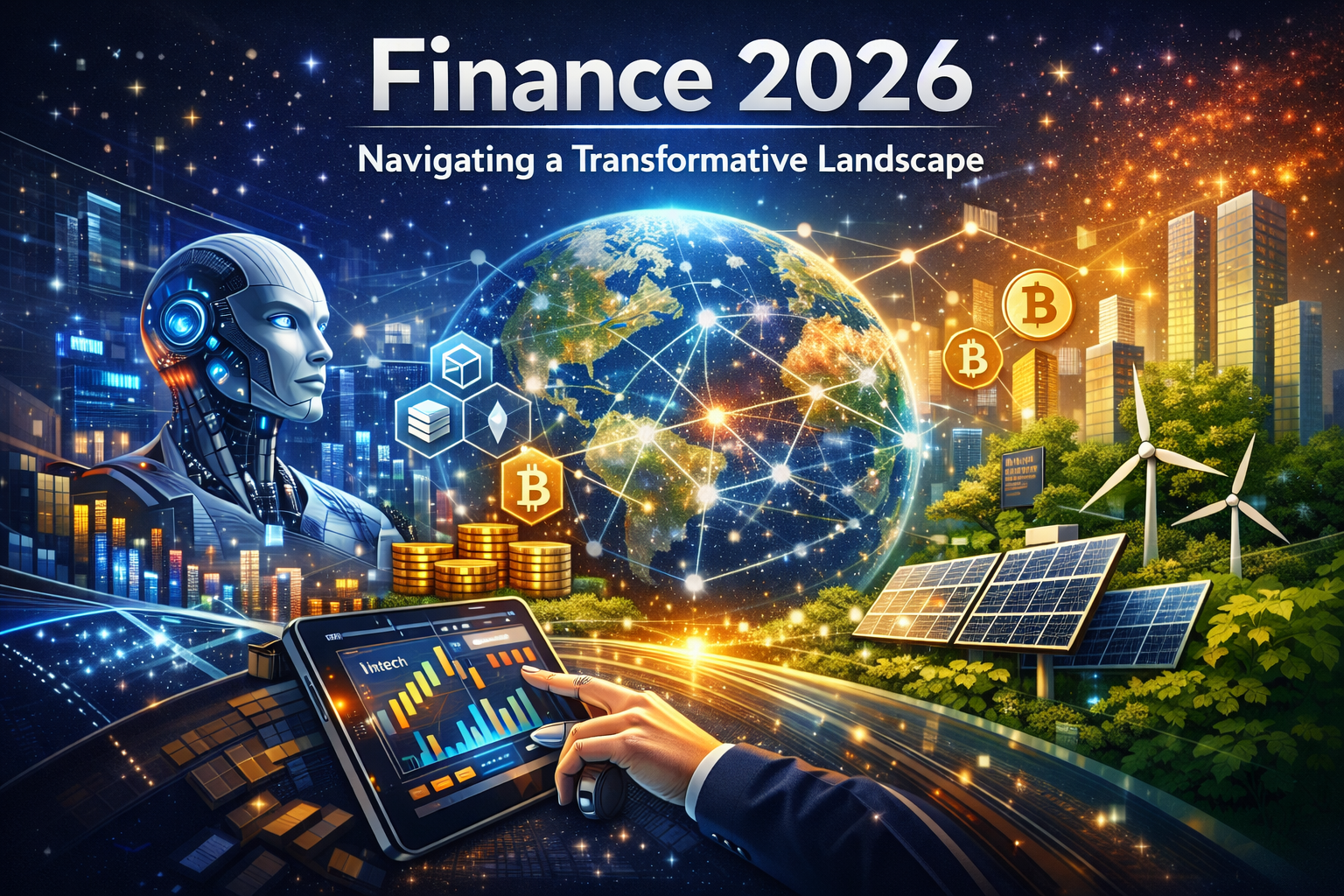
Finance 2026: Navigating a Transformative Landscape
As we approach the new year of 2026, the financial landscape is on the verge of significant transformation. Multiple factors including technological innovation, geopolitical shifts, and changing consumer behavior are reshaping how finance operates on both an individual and systemic level. This editorial examines the pivotal trends expected to define finance in the coming year, highlighting the implications for businesses and consumers alike.
The Rise of Digital Currencies
One of the most profound changes on the horizon is the increasing acceptance and integration of digital currencies, including Central Bank Digital Currencies (CBDCs) and cryptocurrencies. As nations strive to modernize their financial systems, major economies are racing to develop their own digital currencies, which promise to enhance payment efficiencies and reduce transaction costs. The European Central Bank and the Bank of England are among those leading these initiatives, aiming to harness the benefits of blockchain technology while maintaining regulatory oversight.
In 2026, we expect to see a greater push for regulatory frameworks that support the use of these digital currencies. This could lead to a more stable environment for cryptocurrencies, potentially increasing their adoption for everyday transactions. Countries that embrace this shift, like those in Asia, may see a competitive advantage in global finance. For a deep dive into how living costs differ between Europe and Asia, see our article on Europe vs Asia: Cost of Living.
Financial Inclusion Through Technology
As digital finance continues to evolve, financial inclusion remains a critical focus. In 2026, we can anticipate a surge in fintech solutions aimed at reaching underserved populations. Mobile banking apps and micro-lending platforms are set to proliferate, providing essential financial services to individuals previously excluded from traditional banking systems.
This trend is particularly relevant in developing regions where access to physical banking infrastructure is limited. Countries in Africa and Southeast Asia are leading the charge, leveraging mobile technology to create accessible financial ecosystems. As these innovations roll out, the implications for global commerce will be significant, fostering new opportunities for entrepreneurship and economic growth.
Remote Work and the Future of Employment
The remote work revolution, accelerated by the pandemic, is now a permanent fixture in the employment landscape. By 2026, remote work is expected to evolve further, with companies adopting hybrid models that blend in-office and remote work. This shift will have profound implications for financial planning and investment strategies.
For individuals, the ability to work remotely opens up a world of possibilities. The rise of the digital nomad lifestyle allows professionals to live and work from anywhere, transforming not only their personal finances but also local economies. As a result, we see an uptick in demand for digital nomad visas, which grant individuals the legal right to live and work in foreign countries temporarily.
Furthermore, businesses will need to reconsider their financial strategies to accommodate remote workers. This includes reevaluating benefits packages, compensation structures, and even cost-of-living adjustments—particularly when employees can choose to live in lower-cost regions. For budget travelers exploring affordable living options, check out our guide on Budget Travel Hacks.
Environmental, Social, and Governance (ESG) Investing
As climate change continues to dominate global discourse, ESG investing is becoming a mainstream focus for investors in 2026. Companies are increasingly held accountable for their environmental and social impacts, leading to a shift in how funds are allocated. Investors are not only looking for financial returns but also for investments that align with their values.
This shift creates both challenges and opportunities for businesses. Companies that prioritize sustainability may find themselves attracting more investment, while those that lag behind could face scrutiny and potential divestment. The financial sector will need to adapt by creating more transparent reporting mechanisms to satisfy the demands of socially-conscious investors.
Challenges in the Global Economy
Despite the promising trends, the global economy faces significant challenges in 2026. Inflation remains a pressing issue, as central banks grapple with the balance between stimulating growth and controlling price increases. Many countries are still recovering from the economic fallout of the pandemic, and geopolitical tensions continue to create uncertainty in markets.
In addition to inflation, supply chain disruptions remain a concern, affecting everything from production timelines to pricing strategies. Businesses will need to navigate these complexities carefully, employing financial strategies that can withstand volatility and adapt to changing market conditions.
Conclusion
As we look forward to 2026, the financial landscape is poised for transformation. Innovations in digital currency, a focus on financial inclusion, the permanence of remote work, and the rise of ESG investing are all set to redefine how finance operates. While challenges such as inflation and geopolitical tensions persist, the opportunities for growth and adaptation will be substantial. Stakeholders across all sectors must remain agile, informed, and prepared to embrace the changes ahead. The future of finance is not just about numbers; it’s about creating a sustainable, inclusive, and adaptable economic environment for all.