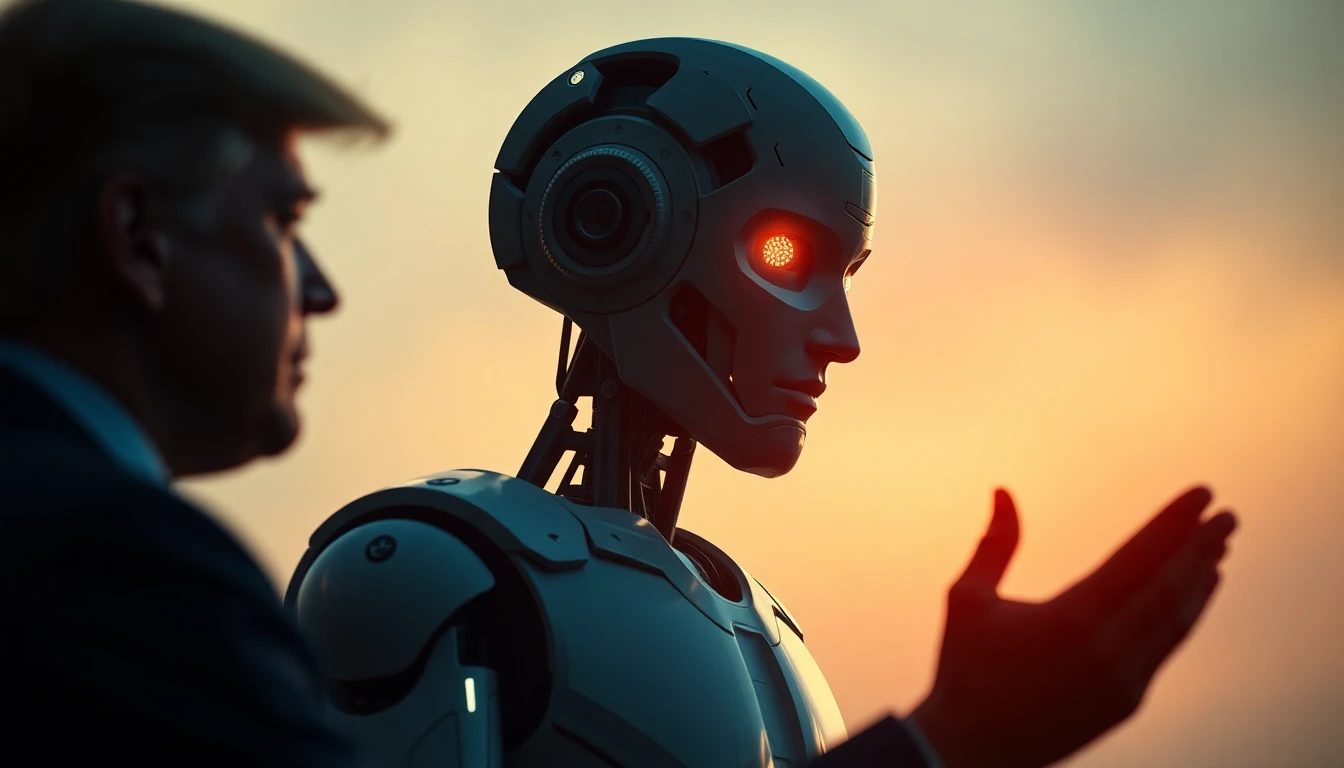
Artificial Intelligence: A Comprehensive Analysis
Introduction
Artificial Intelligence (AI) has transcended from the realms of science fiction into a pivotal technology in modern society. It’s reshaping industries, enhancing efficiencies, and altering the way we interact with the world around us. This article delves into the intricate layers of AI, exploring its historical evolution, current applications, and potential future impacts.
The journey of AI has been marked by phenomenal advancements and significant challenges. Understanding its trajectory helps us appreciate its current capabilities and prepare for future developments. From automation to predictive analytics, AI’s influence is vast and continues to expand as technology progresses.
As AI becomes increasingly embedded in our daily lives, it’s essential to scrutinize its implications on ethics, employment, and privacy. This analysis provides a detailed overview of AI, equipping readers with a thorough understanding of this complex field.
Key Takeaways
- AI’s historical roots trace back to classic philosophers who attempted to describe human thinking as a symbolic system.
- Today, AI technologies such as machine learning and deep learning propel innovations across various sectors.
- AI has significant implications for job markets, potentially displacing certain roles while creating new opportunities.
- Privacy and ethical concerns are at the forefront of discussions about AI’s impact on society.
- Future developments in AI could lead to transformative changes in healthcare, transportation, and more.
Deep Dive (Section 1): The Historical Context of AI
The concept of artificial intelligence is as old as the ancient myths of crafted beings endowed with intelligence or consciousness by master craftsmen. Philosophers and scientists through the ages have pondered over the possibilities of creating machines that think and act like humans. The formal foundation for AI was laid in the mid-20th century when pioneers like Alan Turing and John McCarthy began to conceptualize and develop algorithms that could simulate human decision-making processes.
The subsequent decades saw the evolution of AI from theoretical frameworks to practical applications. Early AI research focused on problem-solving and symbolic methods. The introduction of machine learning in the 1980s marked a pivotal shift towards models that adapt and learn from data. This period also witnessed the establishment of major AI research centers and the first real-world applications of AI technologies.
As computational power increased, so did the complexity and capabilities of AI systems. The late 1990s and early 2000s saw advancements in natural language processing and robotics. AI began to be viewed not just as a tool for automating tasks but as a potential means to augment human abilities and expand what was achievable technologically.
Deep Dive (Section 2): Current Trends and Data in AI
In recent years, AI has seen unprecedented growth due to breakthroughs in machine learning, particularly deep learning. This has enabled AI systems to perform complex tasks ranging from driving autonomous vehicles to providing personalized medicine. The proliferation of data and advancements in hardware have further fueled AI development, making it more efficient and accessible.
Industries such as finance, healthcare, and manufacturing have adopted AI to drive innovation and efficiency. AI’s role in data analytics and customer service is becoming indispensable, with chatbots and predictive analytics becoming common features. Additionally, AI’s integration into the Internet of Things (IoT) is creating smarter, more interconnected systems.
Despite its benefits, AI poses significant challenges, including ethical concerns, data privacy issues, and the risk of job displacement. Governments and organizations are increasingly focusing on regulations and frameworks to address these challenges, ensuring AI’s growth is balanced with societal needs.
Deep Dive (Section 3): Future Predictions and Implications of AI
The future of AI is both promising and fraught with uncertainties. Advances in AI technologies are expected to revolutionize sectors like healthcare, where AI could lead to earlier diagnosis and personalized treatment plans. In transportation, autonomous vehicles could redefine mobility, reducing accidents and improving traffic management.
AI is also likely to influence the future of work. While it may automate routine tasks, it could also create new job categories, necessitating re-skilling and education. Moreover, as AI systems become more sophisticated, the ethical implications and need for oversight will grow. Ensuring AI’s benefits are distributed equitably will be a significant challenge.
Ultimately, the trajectory of AI development will depend on a combination of technological, regulatory, and societal factors. Stakeholders must navigate these dynamics carefully to harness AI’s full potential while mitigating its risks.
| Variable | Historical | Current | Future |
|---|---|---|---|
| Computational Power | Limited | High | Very High |
| Algorithm Sophistication | Basic | Advanced | Highly Advanced |
| Application Areas | Few | Many | Expansive |
| Ethical Considerations | Minimal | Significant | Critical |
What is Artificial Intelligence (AI)?
Artificial Intelligence (AI) refers to the simulation of human intelligence in machines that are programmed to think and learn. It encompasses a variety of technologies, including machine learning, natural language processing, and robotics, among others.
How does AI impact industries?
AI has a transformative impact on various sectors by enhancing efficiency, automating processes, and facilitating data-driven decision-making. Industries such as healthcare, finance, and manufacturing have seen significant advancements due to AI integration.
What are the ethical concerns associated with AI?
AI raises several ethical issues, including privacy concerns, the potential for bias in decision-making processes, and the impact on employment. Addressing these concerns is crucial to ensure that AI technologies are developed and deployed responsibly.
Can AI lead to job displacement?
While AI can automate certain tasks and potentially displace some jobs, it also creates new opportunities and roles that require advanced skill sets. The net effect on employment varies across different sectors and economies.
How is AI regulated?
AI regulation involves various stakeholders, including governments, international organizations, and the private sector. Regulations are aimed at ensuring safe and ethical AI development and deployment, with guidelines focusing on data protection, transparency, and accountability.
What does the future hold for AI?
The future of AI is likely to see further integration into daily life and across industries. Advances in AI technology will continue to push the boundaries of what is possible, from improving healthcare outcomes to transforming how we work and interact with technology.