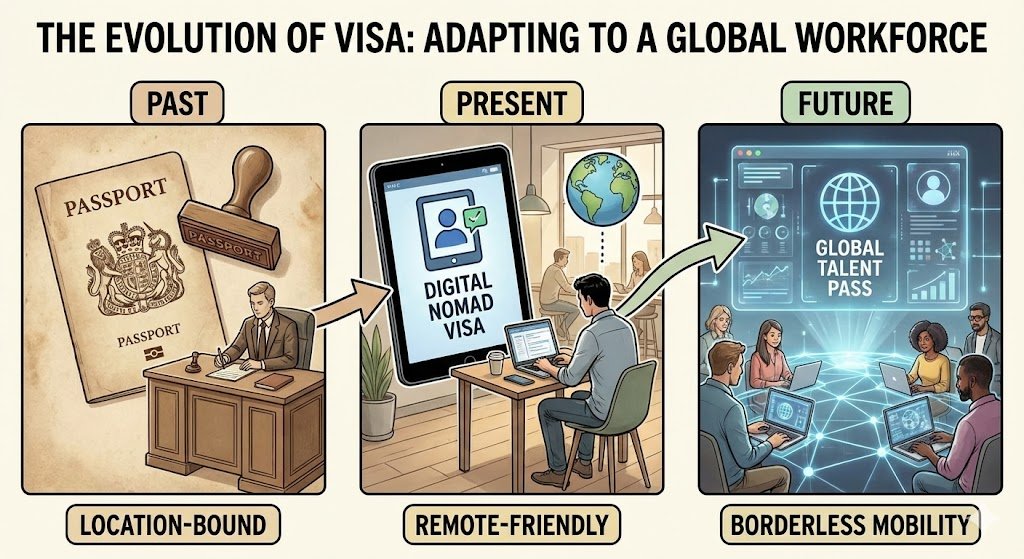
The Evolution of Visa: Adapting to a Global Workforce
As we approach the end of 2025, the landscape of work and travel continues to undergo significant transformations. At the heart of this evolution is the concept of the visa, which has become crucial for facilitating the movement of individuals across borders in a world increasingly defined by remote work and digital nomadism. This article delves into the multifaceted roles of visas today, their implications for global mobility, and the future of work.
Understanding the Visa Landscape
Traditionally, visas have served as governmental tools to regulate who can enter a country and under what circumstances. However, in recent years, the conventional notion of a visa has expanded, with many countries now offering specialized visas aimed at attracting a new class of global citizens: digital nomads.
Countries like Portugal, Estonia, and Thailand have introduced the Digital Nomad Visa, allowing individuals to live and work remotely while contributing to local economies. This trend reflects a broader acceptance of remote work, which has gained momentum in the wake of the global pandemic.
The Rise of the Digital Nomad
The rise of the digital nomad has not only influenced visa policies but has also reshaped the way we think about work-life balance. Many professionals now seek the freedom to travel while maintaining their careers, leading to a surge in online jobs that cater to this lifestyle. The allure of working from a beach in Bali or a café in Lisbon is appealing to a growing number of individuals.
According to recent surveys, nearly 80% of remote workers express a desire to travel while working, with a significant portion actively seeking opportunities that allow for such flexibility. This shift has prompted a reevaluation of traditional employment models and the importance of remote work in the modern economy.
Implications for Countries and Local Economies
As countries adapt their visa offerings to accommodate digital nomads, local economies are experiencing both challenges and opportunities. Cities that embrace this trend often witness an influx of foreign talent, which can lead to economic revitalization. However, the rapid arrival of nomadic workers can also strain local resources and housing markets.
For instance, in Lisbon, the influx of remote workers has driven up rents, making it challenging for local residents to find affordable housing. Policymakers must strike a balance between welcoming digital nomads and ensuring that local communities are not adversely affected.
Visa Types and Their Impact
Visas can be broadly categorized into several types: tourist, work, student, and specialized visas like the Digital Nomad Visa. Each type serves distinct purposes and has different implications for the individuals and countries involved.
Tourist Visas
Tourist visas are typically short-term, designed for individuals wishing to travel for leisure. However, these visas often have restrictions regarding work, which can limit the opportunities for travelers seeking to engage in remote work.
Work Visas
Work visas allow foreign nationals to live and work in a host country for a specified period. These visas are crucial for companies looking to hire international talent but often come with convoluted application processes and strict eligibility criteria.
Student Visas
Student visas facilitate international education, allowing students to study in foreign countries. These visas often enable part-time work, providing students with essential experience and income.
Specialized Visas
Specialized visas, such as the Digital Nomad Visa, represent a significant shift in immigration policy. They are tailored to attract individuals who contribute to the local economy while enjoying the freedom of remote work. This new category has been instrumental in positioning countries as desirable destinations for a global workforce.
The Future of Visa Policies
Looking ahead, the evolution of visa policies will likely continue to reflect the changing dynamics of work and travel. Countries may increasingly focus on creating streamlined processes and flexible options to attract talent and stimulate their economies.
Moreover, as technology advances, the rise of cryptocurrencies and digital currencies could further influence visa policies. The concept of a borderless economy may become more feasible, allowing individuals to work and travel without the traditional constraints of nationality and currency.
Challenges and Considerations
While the future looks promising for digital nomads, several challenges remain. Visa regulations are often complicated and vary significantly from one country to another. Additionally, the increasing competition among countries to attract remote workers can lead to a ‘race to the bottom,’ where countries may compromise on labor standards and worker protections to entice nomads.
Takeaways
The evolution of visas reflects broader societal changes toward work, travel, and globalization. As digital nomadism continues to rise, so too will the importance of visas that accommodate this lifestyle. Countries that recognize and adapt to this trend can position themselves as leaders in the new economy, benefiting from the skills and contributions of a diverse and mobile workforce.
| Visa Type | Duration | Eligibility | Work Authorization |
|---|---|---|---|
| Tourist Visa | Up to 90 days | Tourists | No |
| Work Visa | 1-5 years | Job offer required | Yes |
| Student Visa | Duration of study | Enrollment in institution | Part-time |
| Digital Nomad Visa | 1 year (renewable) | Remote workers | Yes |
Frequently Asked Questions
What is a Digital Nomad Visa?
A Digital Nomad Visa allows individuals to live and work remotely in a foreign country, catering specifically to remote workers.
How has the concept of visas changed?
Visas have evolved from traditional travel permits to specialized categories that accommodate the needs of digital nomads and remote workers.
What are the benefits of digital nomadism?
Digital nomadism offers the freedom to travel while working, access to diverse cultures, and the potential for a better work-life balance.
What challenges do digital nomads face?
Digital nomads often encounter visa complications, local regulations, and housing affordability issues in popular destinations.