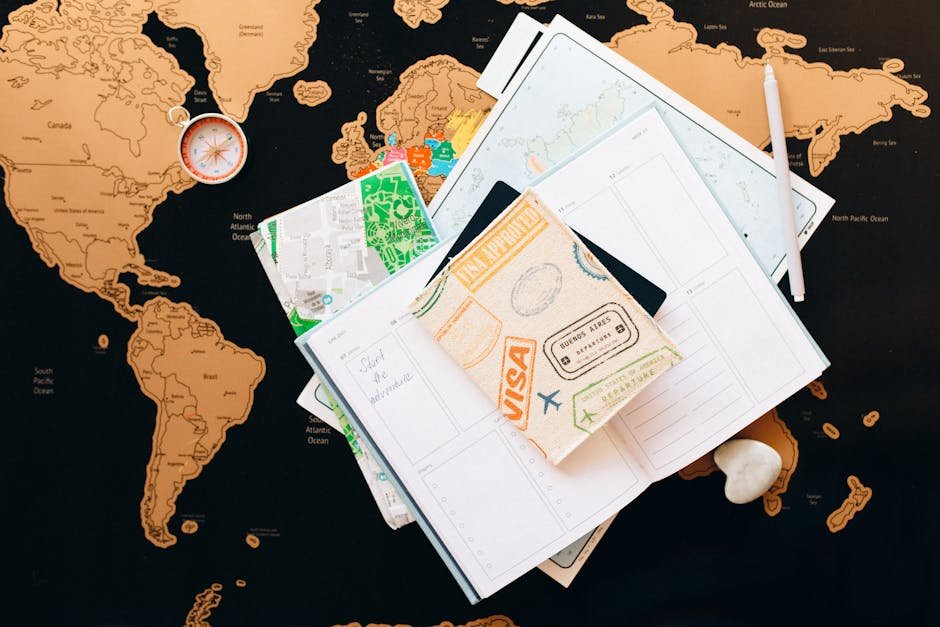
The allure of combining work and travel has never been stronger. As we move further into 2026, the concept of the digital nomad has firmly cemented its place in the global workforce. This lifestyle offers unparalleled freedom, allowing professionals to work remotely from virtually any corner of the world. It redefines the traditional office environment, replacing it with vibrant cafes, co-working spaces, or tranquil beachside retreats.
This comprehensive guide is crafted for both aspiring and experienced digital nomads navigating the evolving landscape of remote work. We delve into everything from visa requirements and tax implications to essential tools and building a supportive community. Our aim is to provide clean, scannable, and high-retention content that empowers you to embrace a truly location-independent career.
Key Takeaways
- Digital nomadism is a rapidly growing lifestyle, offering freedom and global work opportunities in 2026.
- Careful planning for visas, taxes, and health insurance is crucial for a smooth nomadic journey.
- Choosing the right destination involves considering cost of living, connectivity, and cultural fit.
- Essential tools and resources enhance productivity and maintain connection while working remotely.
- Building community and managing well-being are vital for long-term success and happiness as a nomad.
- Several countries, like Finland, now offer specific digital nomad visas, simplifying legal residency.
Understanding the Digital Nomad Lifestyle
The term ‘digital nomad’ refers to individuals who leverage technology to earn a living remotely, allowing them to travel and live in various locations. This lifestyle has moved beyond a niche trend to become a significant force in the global economy. Professionals from diverse fields, including tech, marketing, consulting, and creative industries, are increasingly adopting this flexible work model.
The freedom to choose your workspace, whether it is a bustling city or a serene natural landscape, is a primary driver. This autonomy fosters a greater sense of work-life balance and personal fulfillment. It also encourages a continuous learning mindset, as nomads constantly adapt to new environments and cultures.
What Defines a Digital Nomad?
A digital nomad is essentially anyone who works remotely using digital tools and technology, and who is not tied to a single physical location. They often travel frequently, spending weeks or months in different countries or cities. Their work can range from freelance projects to full-time remote employment.
Key characteristics include location independence, reliance on technology for work, and a desire for cultural immersion and exploration. This definition continues to evolve as more companies embrace remote-first policies, further solidifying the digital nomad’s place in the modern workforce. The flexibility extends to work hours, often allowing for non-traditional schedules.
The Evolution of Remote Work in 2026
Remote work is no longer a temporary solution but a fundamental shift in how businesses operate in 2026. Advancements in cloud computing, communication platforms, and collaborative software have made working from anywhere more efficient and secure. The global pandemic accelerated this transition, pushing companies to invest heavily in remote infrastructure.
Looking ahead, we see continued innovation in virtual reality and augmented reality tools for team collaboration. This further blurs the lines between physical and virtual workspaces. Employee expectations have also shifted, with many now prioritizing flexibility and work-life integration, making remote options a key factor in career choices.
Choosing Your Destination Wisely
Selecting the right destination is perhaps one of the most exciting, yet critical, decisions for a digital nomad. It involves more than just a beautiful landscape; practical considerations heavily influence the quality of your experience. Researching potential locations thoroughly can prevent many common nomadic pitfalls.
Prioritize locations that align with your work requirements, personal preferences, and financial situation. A vibrant local culture, alongside a welcoming community, can significantly enhance your time abroad. Consider seasonal weather patterns and local holidays that might affect your travel plans.
Factors to Consider
When evaluating potential destinations, several factors come into play. The cost of living is paramount, encompassing accommodation, food, and local transportation. High-speed, reliable internet access is non-negotiable for any remote worker, as is local safety and political stability.
Consider the time zone difference from your clients or team if you need to align with specific working hours. Local visa policies, healthcare access, and the availability of co-working spaces also impact your decision. Finally, cultural immersion and the ease of connecting with fellow nomads can greatly enrich your experience.
Popular Digital Nomad Hubs in 2026
In 2026, cities like Lisbon, Bali, Medellín, and Chiang Mai continue to attract digital nomads with their blend of affordability and vibrant communities. However, new contenders are emerging, often driven by proactive government initiatives. Smaller European cities, for instance, are gaining traction.
Destinations such as Helsinki in Finland, known for its high quality of life and technological infrastructure, are becoming increasingly appealing, especially with new visa options. Latin American cities are also rising in popularity, offering a rich cultural experience at a lower cost of living. Each hub offers unique advantages, catering to different preferences and work styles.
Navigating Visas and Legalities
One of the most complex aspects of the digital nomad lifestyle is navigating international legalities, particularly visas and taxation. While the idea of seamless global travel is appealing, understanding the rules of each country is essential. Incorrectly handling these aspects can lead to significant complications and even deportation.
The landscape for digital nomads is rapidly evolving, with more countries recognizing the economic benefits these professionals bring. This has led to the creation of specific legal frameworks designed to welcome remote workers. Staying informed about the latest regulations is key to a hassle-free nomadic existence.
The Rise of Digital Nomad Visas
The past few years have seen a surge in countries introducing dedicated digital nomad visas. These special permits allow remote workers to legally reside and work in a country for an extended period, typically ranging from six months to two years, often with options for renewal. This move legitimizes the digital nomad lifestyle and offers greater stability.
Finland, for example, has established a digital nomad visa pathway, attracting talent to its innovative and high-tech environment. Other countries like Portugal, Spain, Croatia, and Estonia were pioneers in this space, and their programs continue to mature. These visas generally require proof of remote employment or self-employment and a minimum monthly income.
Understanding Tax Implications
Taxation for digital nomads is a complex issue, often depending on your citizenship, residency status, and where you earn your income. It is crucial to understand concepts like tax residency, which can be triggered by spending a certain number of days in a particular country. Double taxation treaties can help prevent being taxed in two countries simultaneously.
Many nomads consult with international tax specialists to ensure compliance in both their home country and their temporary residences. Some countries offering digital nomad visas also provide special tax incentives or simplified tax regimes for remote workers. Planning ahead can save considerable financial stress.
Health Insurance for Nomads
Comprehensive health insurance is non-negotiable for digital nomads. Standard travel insurance often has limitations on duration or coverage for specific activities. Dedicated international health insurance plans are designed for long-term travelers and remote workers, offering robust medical coverage across multiple countries.
Look for policies that cover emergency medical evacuation, repatriation, and a wide network of healthcare providers. Understanding deductibles, out-of-pocket maximums, and pre-existing condition clauses is vital. Investing in good health coverage provides peace of mind, allowing you to focus on your work and travels without undue worry.
Essential Tools and Resources for Digital Nomads
Successfully operating as a digital nomad relies heavily on leveraging the right tools and resources. From staying connected to managing finances across borders, technology is your strongest ally. Equipping yourself with a reliable tech stack and supportive services ensures productivity and smooth operations.
Invest time in setting up your digital ecosystem before you embark on your journey. This preparation will significantly reduce stress and enhance your ability to adapt to new environments. Always have backup plans for critical services like internet access.
Connectivity Solutions
Reliable internet is the lifeline of a digital nomad. Researching local SIM cards, eSIM services, or portable Wi-Fi hotspots for each destination is essential. Many co-working spaces offer high-speed internet, providing a dedicated work environment.
Having a backup internet solution, such as a mobile hotspot or a secondary SIM card from a different provider, is highly recommended. VPNs are also crucial for secure browsing on public networks and accessing geo-restricted content. Always ensure your devices are protected with robust cybersecurity measures.
Productivity Apps and Software
A suite of productivity tools can make all the difference in maintaining efficiency while on the move. Project management software like Asana or Trello, communication platforms such as Slack or Microsoft Teams, and cloud storage solutions like Google Drive or Dropbox are fundamental.
Time tracking applications, note-taking apps, and distraction blockers can help manage your workday effectively. Investing in ergonomic portable equipment, like a travel monitor or an external keyboard, can also boost comfort and productivity. Automating routine tasks frees up valuable time for more impactful work or exploration.
Financial Management on the Go
Managing finances across different currencies and banking systems requires smart solutions. Multi-currency accounts from services like Wise (formerly TransferWise) or Revolut allow you to hold and exchange money at favorable rates. These are indispensable for receiving payments and making international transfers.
Budgeting apps help track your spending in various countries, ensuring you stay within your financial limits. Always have multiple payment methods, including different credit cards and some local cash, as a fallback. Be aware of ATM fees and always notify your bank of your travel plans to avoid card freezes.
Building a Thriving Digital Nomad Community
While the freedom of digital nomadism is appealing, it can sometimes lead to feelings of isolation. Building a strong community is vital for mental well-being and professional growth. Connecting with like-minded individuals provides support, shared experiences, and valuable networking opportunities.
Proactively seeking out social interactions and engaging with local communities can significantly enrich your nomadic journey. Remember that your support network doesn’t always have to be physical; online communities also offer valuable connections and advice.
Networking and Co-working Spaces
Co-working spaces are hubs for digital nomads, offering not just reliable internet and a dedicated workspace, but also invaluable networking opportunities. These environments facilitate casual conversations that can lead to collaborations, friendships, or even new client leads. Many co-working spaces also host regular social events and workshops.
Attending local meetups, industry conferences, or specialized workshops relevant to your field can expand your professional network. Platforms like Meetup.com and local Facebook groups are excellent resources for finding events and connecting with other expats and nomads in your area.
Maintaining Social Connections
Beyond professional networking, maintaining social connections is crucial for mental health. Regularly connecting with friends and family back home through video calls helps bridge the distance. Within your nomadic community, make an effort to form deeper bonds rather than just superficial acquaintances.
Participate in group activities, explore new places together, or even co-live for a period. Developing local friendships with people from the host country offers deeper cultural insights and a sense of belonging. Prioritize human connection as much as you prioritize your work.
Overcoming Challenges and Ensuring Longevity
The digital nomad lifestyle, while rewarding, comes with its own set of challenges. From dealing with loneliness to managing finances over the long term, being prepared for these hurdles is essential for sustaining a fulfilling nomadic life. Proactive planning and self-awareness are your best defenses.
Understanding your personal limits and developing coping mechanisms for common issues will contribute significantly to your overall success and well-being. It is a journey of continuous learning and adaptation, requiring resilience and a positive mindset.
Dealing with Loneliness and Burnout
Loneliness can be a common companion for digital nomads, especially when constantly moving. Actively combating this requires effort: join communities, attend social events, and engage in local activities. Be open to meeting new people and forming connections, even if they are temporary.
Burnout is another significant risk, often stemming from the blurred lines between work and leisure. Establish clear boundaries for your work hours, take regular breaks, and dedicate time to hobbies and relaxation. Prioritize self-care, including adequate sleep, healthy eating, and physical activity, to maintain energy levels and mental clarity.
Financial Planning for a Nomadic Life
Long-term financial stability is paramount for digital nomads. This involves more than just budgeting for daily expenses; it includes planning for emergencies, retirement, and potential periods of lower income. Building an emergency fund equivalent to several months of living expenses is crucial.
Diversifying your income streams and investing wisely can provide a safety net. Consider opening an international investment account. Regularly review your financial health and adapt your budget as your circumstances or cost of living change in different locations. Seek professional financial advice tailored to your unique situation.
Staying Productive and Disciplined
Without the structure of a traditional office, maintaining productivity and discipline can be challenging. Establishing a consistent daily routine, even with travel, can provide much-needed stability. Designate specific times and spaces for work to minimize distractions.
Set clear goals for your work and personal life, and regularly track your progress. Utilize productivity tools to manage your tasks and time efficiently. Remember why you chose this lifestyle, and let that motivation fuel your discipline. Flexibility is key, but so is structure to avoid procrastination.
Conclusion
The digital nomad lifestyle in 2026 offers an incredible opportunity for freedom, growth, and global exploration. While it demands careful planning and adaptability, the rewards of living and working on your own terms are immense. From navigating the intricacies of digital nomad visas, like those offered by Finland, to mastering remote work tools and building a supportive community, every step contributes to a richer, more fulfilling life.
Embrace the challenges as learning opportunities and celebrate every new experience. By staying informed, connected, and disciplined, you can craft a sustainable and enriching nomadic journey. The world is your office; go forth and explore its endless possibilities.
| Country | Minimum Monthly Income (approx.) | Visa Validity | Application Fee (approx.) | Processing Time (approx.) |
|---|---|---|---|---|
| Finland | €3,000 | 1 year | €400 | 2-3 months |
| Portugal | €820 | 1 year (renewable up to 5) | €75-€150 | 1-2 months |
| Spain | €2,500 | 1 year (renewable up to 5) | €80-€100 | 15-20 days |
| Croatia | €2,539 | 1 year (non-renewable immediately) | €55-€70 | 2-4 weeks |
| Estonia | €3,504 | 1 year | €100-€120 | 15-30 days |
Frequently Asked Questions
What exactly is a digital nomad in 2026?
In 2026, a digital nomad is an individual who works remotely, using digital technology to perform their job from any location. They are not tied to a traditional office and typically travel frequently, experiencing different cultures and environments. This lifestyle is facilitated by the widespread adoption of remote work policies and advancements in online collaboration tools. It offers freedom and flexibility, appealing to professionals across various industries.
How do I choose the best country for my digital nomad journey?
Choosing a destination involves considering several factors relevant to your work and lifestyle. Evaluate the cost of living, internet reliability, safety, and local culture. Research visa requirements, tax implications, and healthcare accessibility for each country. Popular hubs often offer established communities and co-working spaces, while emerging destinations might provide unique experiences. Align your choice with your personal and professional priorities for a fulfilling experience.
What are digital nomad visas and why are they important?
Digital nomad visas are special permits offered by countries to allow remote workers to legally reside and work within their borders for an extended period, typically six months to two years. They are important because they formalize the status of digital nomads, offering legal residency, access to local services, and often clearer tax guidelines. These visas simplify the process of living abroad compared to traditional tourist or business visas, providing greater stability and peace of mind.
What are the main challenges faced by digital nomads?
Digital nomads often face challenges such as loneliness due to constant movement, potential burnout from blurred work-life boundaries, and navigating complex international tax and visa regulations. Other hurdles include maintaining reliable internet connectivity, managing finances across different currencies, and ensuring adequate health insurance. Adapting to new cultures and time zones, along with establishing a disciplined work routine, also requires significant effort and resilience.
How do digital nomads manage their finances while traveling?
Managing finances as a digital nomad requires strategic planning. Many utilize multi-currency accounts like Wise or Revolut for international transactions and favorable exchange rates. Budgeting apps help track expenses across different countries. It is crucial to set up an emergency fund, understand tax obligations in various jurisdictions, and plan for long-term investments. Always have multiple payment methods and inform your bank of your travel plans to avoid card issues.
Source: N/A