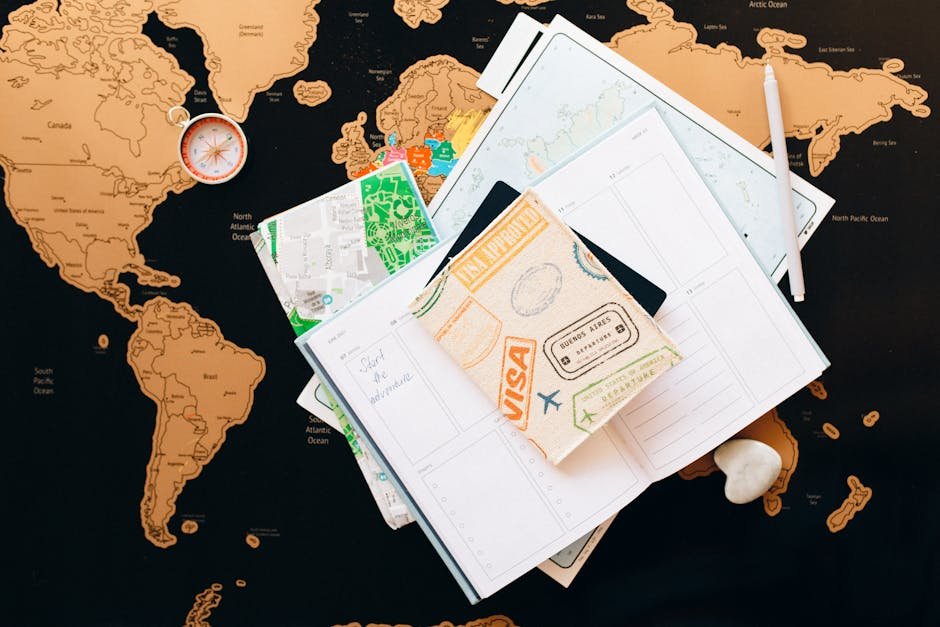
The landscape of work and lifestyle has undergone a profound transformation, none more evident than in the rise of digital nomadism. By January 2026, this global movement has evolved from a niche concept into a mainstream career path, with millions choosing the freedom to work remotely from any corner of the world. This comprehensive guide serves as your essential resource, offering insights and practical advice for navigating the dynamic world of digital nomadism.
Whether you are contemplating your first move abroad, seeking to optimize your current remote setup, or simply exploring the possibilities, understanding the current trends and requirements is paramount. We delve into everything from the latest visa opportunities to the most sought-after destinations and the indispensable tools that empower this lifestyle. Prepare to unlock the potential of a borderless professional life.
Key Takeaways for Digital Nomads in 2026
- Digital nomadism has matured into a mainstream lifestyle by 2026, driven by technological advancements and evolving work cultures.
- Understanding the diverse digital nomad visa landscape is crucial, with countries like Italy leading the way in structured pathways.
- Choosing a destination involves balancing lifestyle preferences, cost of living, connectivity, and local culture.
- Essential tools for productivity, financial management, and healthcare are indispensable for a seamless nomadic experience.
- Successful digital nomads proactively manage work-life balance, foster community, and adapt to cultural nuances.
- The future of remote work indicates continued growth and further integration of flexible, location-independent careers.
The Evolution of Digital Nomadism in 2026
The concept of working remotely while traveling is far from new, but its scale and sophistication by 2026 are unprecedented. What began as an experimental pursuit for a few tech-savvy individuals has blossomed into a global phenomenon, attracting professionals from diverse industries. This evolution is largely thanks to advancements in high-speed internet, cloud computing, and collaborative software, making location-independent work more accessible than ever before.
Governments and local economies are increasingly recognizing the significant economic and cultural contributions of digital nomads. This recognition has spurred the creation of specific legal frameworks designed to attract and support this mobile workforce. The result is a more structured and welcoming environment for those who choose to blend their careers with global exploration.
Defining the Modern Digital Nomad
Today’s digital nomad is not a monolithic entity. They range from freelance designers and software developers to online educators, consultants, and entrepreneurs. What unites them is the ability to perform their job duties entirely online, granting them the freedom to live anywhere with a reliable internet connection. This flexibility allows for an enriched personal life, cultural immersion, and often, a reduced cost of living compared to their home countries.
Beyond the professional aspect, modern digital nomads are often characterized by a mindset of adaptability, self-reliance, and a deep curiosity about the world. They are early adopters of new technologies, highly networked, and actively seek out communities that support their unique lifestyle. It’s a demographic that values experiences over possessions, and flexibility over rigid routines.
Why the Lifestyle Continues to Thrive
Several factors contribute to the sustained growth and appeal of digital nomadism. Economic pressures in some traditional markets push individuals to seek more affordable living while maintaining their income. The desire for a better work-life balance, escaping the daily grind, and pursuing personal passions also plays a significant role.
Furthermore, the increasing number of companies embracing remote-first policies has widened the talent pool for location-independent roles. This organizational shift, combined with a growing infrastructure of co-working spaces, specialized banking services, and dedicated communities, makes the nomadic lifestyle not just possible, but increasingly practical and sustainable for many.
Navigating Digital Nomad Visas and Residency
One of the most significant developments impacting digital nomads in recent years has been the proliferation of specialized visas. As of 2026, a growing number of countries have introduced bespoke residency permits designed specifically for remote workers, moving beyond traditional tourist or business visas. This formalization provides a legal framework for long-term stays, offering peace of mind and access to local services.
Navigating this complex landscape requires careful research and understanding of each country’s specific requirements. These often include proof of remote employment, minimum income thresholds, health insurance, and sometimes, a clean criminal record. Securing the correct visa is a foundational step towards a successful and compliant digital nomad journey.
Understanding the Visa Landscape
The digital nomad visa landscape is dynamic, with new options emerging regularly. These visas typically allow individuals to reside in a country for an extended period, usually between six months and two years, with options for renewal. Unlike traditional work visas, they generally do not require a local employer, focusing instead on income generated from outside the host country.
It is important to differentiate these from tourist visas, which strictly prohibit employment, and traditional work permits, which necessitate a local job offer. Each digital nomad visa comes with its own set of benefits and limitations, including tax implications, access to public services, and family reunification options. Thoroughly reviewing these details is crucial before making an application.
Spotlight: Italy’s Digital Nomad Visa and Its Impact
Italy’s Digital Nomad Visa, initially introduced in 2024, has by 2026 firmly established itself as a highly sought-after option within the European Union. Designed to attract highly skilled remote workers, the visa allows non-EU citizens to reside and work in Italy for up to a year, with possibilities for renewal. Its implementation marked a significant step for a major European economy embracing the remote work revolution.
To qualify, applicants must demonstrate proof of remote work for a non-Italian employer, an annual income meeting a specified threshold (typically around €28,000-€30,000, subject to change), valid health insurance, and accommodation arrangements. The visa also offers a pathway to potential long-term residency, making Italy an attractive option for those seeking a blend of rich culture and professional opportunity. Its success has spurred other countries to refine their own offerings.
Other Popular Digital Nomad Visas
Beyond Italy, several other nations have successfully rolled out their own attractive digital nomad programs. Portugal’s D7 Visa, for example, has long been a favorite, requiring passive income or remote work. Spain introduced its own Digital Nomad Visa in 2023, offering a simplified path to residency for remote workers and freelancers, complete with tax incentives for the first few years.
Croatia continues to be a strong contender, celebrated for its clear application process and beautiful coastline. Countries like Estonia, Mauritius, and Costa Rica also provide appealing options, each with unique requirements and benefits. The increasing competition among nations means more choices and potentially better terms for aspiring digital nomads looking for their next adventure.
Choosing Your Next Digital Nomad Destination
Selecting the ideal destination is a pivotal decision for any digital nomad, influencing everything from daily productivity to personal well-being. By 2026, the criteria for a ‘good’ destination have become more refined, extending beyond mere affordability to encompass factors like connectivity, community, safety, and cultural richness. A thoughtful approach to this choice ensures a more fulfilling and sustainable nomadic experience.
It is important to consider both the practicalities and the intangible benefits a location offers. Researching current living conditions, political stability, and the ease of integrating into local life will yield better results. Personal preferences regarding climate, cuisine, and leisure activities should also weigh heavily in the decision-making process.
Factors to Consider
When evaluating potential destinations, several key factors come into play. Reliable and fast internet connectivity is non-negotiable for remote work. The cost of living, including rent, food, and transportation, significantly impacts financial sustainability. Safety and security are paramount, as is the quality of healthcare and the availability of international insurance options.
Furthermore, the presence of a vibrant digital nomad community can greatly enhance the experience, offering networking opportunities and social support. Visa accessibility, cultural compatibility, and the local language barrier also play crucial roles. Finally, consider the time zone differences relative to your clients or team, as this can impact your work schedule.
Top Destinations for 2026
Based on current trends and infrastructure, several destinations stand out for digital nomads in 2026. Lisbon, Portugal, remains a perennial favorite, celebrated for its vibrant community, pleasant climate, and established visa pathways. Medellin, Colombia, offers a compelling combination of affordability, dynamic culture, and improving infrastructure, appealing to those seeking a Latin American experience.
For those prioritizing efficiency and technological advancement, Tallinn, Estonia, continues to attract with its e-Residency program and strong digital infrastructure. Southeast Asian hubs like Chiang Mai, Thailand, and Bali, Indonesia, despite stricter visa regulations, still draw nomads with their low cost of living and rich cultural immersion. Finally, Mexico City, Mexico, is rising as a major hub, offering a bustling metropolis with excellent food, culture, and connectivity.
Essential Tools and Resources for Digital Nomads
The success of a digital nomad lifestyle hinges significantly on the right set of tools and resources. In 2026, the market for remote work solutions is more robust than ever, offering an array of applications and services designed to streamline operations, maintain connectivity, and ensure personal well-being. Equipping yourself with these essentials is key to seamless productivity and peace of mind, no matter your location.
From project management software to international banking solutions, selecting reliable and efficient tools can dramatically reduce stress and enhance your overall experience. Prioritize tools that offer flexibility, robust security features, and excellent customer support, as you may need assistance from various time zones.
Productivity and Communication
Maintaining high productivity and effective communication is paramount for remote workers. Platforms like Asana, Trello, or Monday.com are indispensable for project management, keeping tasks organized and deadlines clear. For real-time communication, Slack and Microsoft Teams continue to dominate, facilitating instant messaging and virtual meetings.
Video conferencing tools such as Zoom, Google Meet, and Whereby ensure face-to-face interactions remain possible, regardless of geographical distance. Additionally, cloud storage solutions like Google Drive, Dropbox, and OneDrive are crucial for accessing and sharing files securely from anywhere. Reliable VPN services are also essential for secure internet access, especially on public networks.
Financial Management and Banking
Managing finances while traveling globally requires specialized solutions. Neo-banks such as Revolut, N26, and Wise (formerly TransferWise) have revolutionized international banking, offering multi-currency accounts, low-fee transfers, and transparent exchange rates. These platforms are indispensable for receiving payments, spending in local currencies, and managing budgets across borders.
For expense tracking and budgeting, apps like Mint or YNAB (You Need A Budget) provide invaluable oversight. Understanding international tax obligations and setting up appropriate structures for your income is also vital. Consulting with an accountant specializing in international taxation is highly recommended to ensure compliance and optimize your financial strategy.
Healthcare and Insurance
Healthcare is a critical consideration for digital nomads. Standard travel insurance may not cover long-term residency or specific medical conditions. Dedicated international health insurance providers like SafetyWing, World Nomads, or Cigna Global offer plans tailored to the nomadic lifestyle, covering emergencies, routine care, and repatriation.
It is important to thoroughly review policy details, including coverage limits, deductibles, and geographical restrictions. Always carry copies of your insurance documents and know how to access medical care in your host country. Additionally, maintaining a digital record of your medical history and prescriptions can be incredibly helpful in unforeseen circumstances.
Overcoming Challenges on the Road
While the digital nomad lifestyle offers unparalleled freedom and adventure, it is not without its challenges. From maintaining a healthy work-life balance to building meaningful connections in new places, navigating these hurdles is essential for long-term success and well-being. Proactive strategies and a resilient mindset can transform potential obstacles into opportunities for growth.
Recognizing that every nomad experiences difficulties is the first step towards addressing them. Seek advice from experienced travelers, leverage online communities, and remember that adaptability is your greatest asset. With proper planning and a positive outlook, most challenges can be successfully managed.
Maintaining Work-Life Balance
The blurred lines between work and leisure are a common struggle for digital nomads. The constant temptation to explore a new city can easily cut into work hours, while an urgent client request can interrupt a planned adventure. Establishing clear boundaries is crucial. Designate specific work hours and stick to them, creating a dedicated workspace even if it’s just a corner of your apartment.
Scheduling regular breaks, engaging in physical activity, and setting aside time purely for personal pursuits helps prevent burnout. Remember that sustainable nomadism means balancing professional responsibilities with the enriching experiences of travel. Prioritize your well-being to ensure longevity in this demanding yet rewarding lifestyle.
Building a Community
Loneliness can be a significant challenge for digital nomads, especially when constantly moving. Actively seeking out community is vital for mental health and social support. Co-working spaces are excellent hubs for meeting like-minded individuals and networking. Local expat groups, online nomad forums, and social events organized through platforms like Meetup also offer avenues for connection.
Don’t be afraid to initiate conversations and join activities. Building a support network, whether it’s a small group of friends or a larger professional community, provides a sense of belonging and helps combat isolation. These connections can also lead to collaborations and valuable local insights.
Navigating Cultural Differences
Immersing yourself in new cultures is a highlight of nomadic life, but it also presents challenges. Language barriers, different social customs, and varying work ethics can sometimes lead to misunderstandings or frustration. Approaching these differences with an open mind and a willingness to learn is key.
Take the time to research local etiquette, learn basic phrases in the local language, and observe how people interact. Be patient with yourself and others. Cultural immersion is a journey, not a destination, and embracing the nuances will enrich your travel experience and broaden your perspective.
The Future of Remote Work and Digital Nomadism
As we look to the mid-2020s, the trajectory of remote work and digital nomadism points towards continued expansion and refinement. The foundational shifts witnessed in the early years of the decade have paved the way for more sophisticated infrastructure, policies, and societal acceptance. Expect to see even more countries introducing digital nomad visas, making international remote work increasingly standardized and accessible.
Technological innovations, particularly in AI and virtual reality, will further enhance remote collaboration, potentially creating even more immersive and efficient distributed work environments. Education and training programs specifically designed for remote workers will also become more prevalent, equipping individuals with the skills needed to thrive in this evolving landscape. The digital nomad is no longer an anomaly, but a vanguard of the modern workforce.
Conclusion
The digital nomad lifestyle, by January 2026, represents a powerful blend of professional ambition and personal freedom. This guide has traversed the essential components of this dynamic way of life, from understanding the latest visa opportunities, particularly highlighting pioneering efforts like Italy’s Digital Nomad Visa, to navigating the practicalities of choosing destinations and leveraging vital tools.
Embracing digital nomadism is an exhilarating journey, demanding adaptability, foresight, and a spirit of adventure. With the right preparation, tools, and a commitment to continuous learning, the world truly becomes your office. The opportunities for growth, discovery, and a profoundly enriched life are boundless for those ready to answer the call of the open road.
| Country | Visa Name / Program | Key Requirements (Est. 2026) | Duration / Renewability | Est. Application Fee | Notes |
|---|---|---|---|---|---|
| Italy | Digital Nomad Visa | Proof of remote work for non-Italian employer, min. income approx. €28k-€30k/year, health insurance, accommodation. | Up to 1 year, renewable. Potential path to long-term residency. | €116 (visa fee) + other administrative costs. | Introduced in 2024, now well-established. Attracts highly skilled remote workers. |
| Spain | Digital Nomad Visa | Proof of remote work for non-Spanish employer, min. income approx. 200% of national minimum wage (approx. €2,500/month), health insurance. | Up to 1 year, renewable for 2-3 years. Tax incentives. | Approx. €80-€100 (visa fee) + administrative costs. | Launched 2023, popular for EU access and tax benefits. |
| Portugal | D7 / Digital Nomad Visa | Proof of remote income or passive income (approx. €820/month for D7, higher for specific DN visa), health insurance, clean record. | Initially 2 years, then renewable for 3 years. Path to permanent residency. | Approx. €90 (D7) / €150 (DN) + SEF fees. | Long-standing favorite. Two main options for remote workers. |
| Croatia | Digital Nomad Permit | Proof of remote work for non-Croatian employer, min. income (approx. €2,500/month), health insurance, no criminal record. | Up to 1 year, cannot be extended immediately; must leave for 90 days. | Approx. €60-€100 (application) + administration. | First EU country to offer a digital nomad visa in 2021. Clear process. |
Frequently Asked Questions
What exactly is a digital nomad in 2026?
By 2026, a digital nomad is someone who works remotely using digital technology, allowing them to live and travel independently of a fixed office location. This can include freelancers, entrepreneurs, or employees of remote-first companies. They typically generate income from sources outside their current host country and often seek specialized visas designed for their lifestyle. The definition has broadened to encompass various professionals seeking location independence.
Are digital nomad visas readily available globally in 2026?
Yes, by 2026, digital nomad visas are increasingly common. Over 50 countries have introduced or are planning to introduce specific visa pathways for remote workers. This represents a significant shift from a few years ago when options were limited. While requirements vary widely, the global trend indicates a growing acceptance and formalization of the digital nomad lifestyle, making it easier to legally reside in many desirable locations.
What are the typical income requirements for digital nomad visas?
Income requirements vary significantly by country, but most digital nomad visas require applicants to demonstrate a stable income above a certain threshold, typically earned from sources outside the host country. For instance, Italy’s visa asks for around €28,000-€30,000 annually, while Spain requires approximately €2,500 per month. These figures are subject to change and may increase for accompanying family members. Always check specific country requirements.
How important is health insurance for digital nomads?
Health insurance is critically important for digital nomads, and it is almost always a mandatory requirement for obtaining a digital nomad visa. Standard travel insurance often isn’t sufficient for long-term stays. Dedicated international health insurance plans, like those from SafetyWing or Cigna Global, are designed to cover emergencies, routine care, and often offer worldwide coverage, providing essential peace of mind while living abroad.
What is the key to maintaining work-life balance as a digital nomad?
Maintaining work-life balance as a digital nomad involves setting clear boundaries between professional and personal time. Establish a consistent work schedule, create a designated workspace, and schedule regular breaks. Actively prioritize leisure activities, exercise, and social engagements. It’s crucial to resist the temptation to work excessively or constantly explore, ensuring both productivity and personal well-being are sustainably managed for a fulfilling nomadic life.
Source: N/A