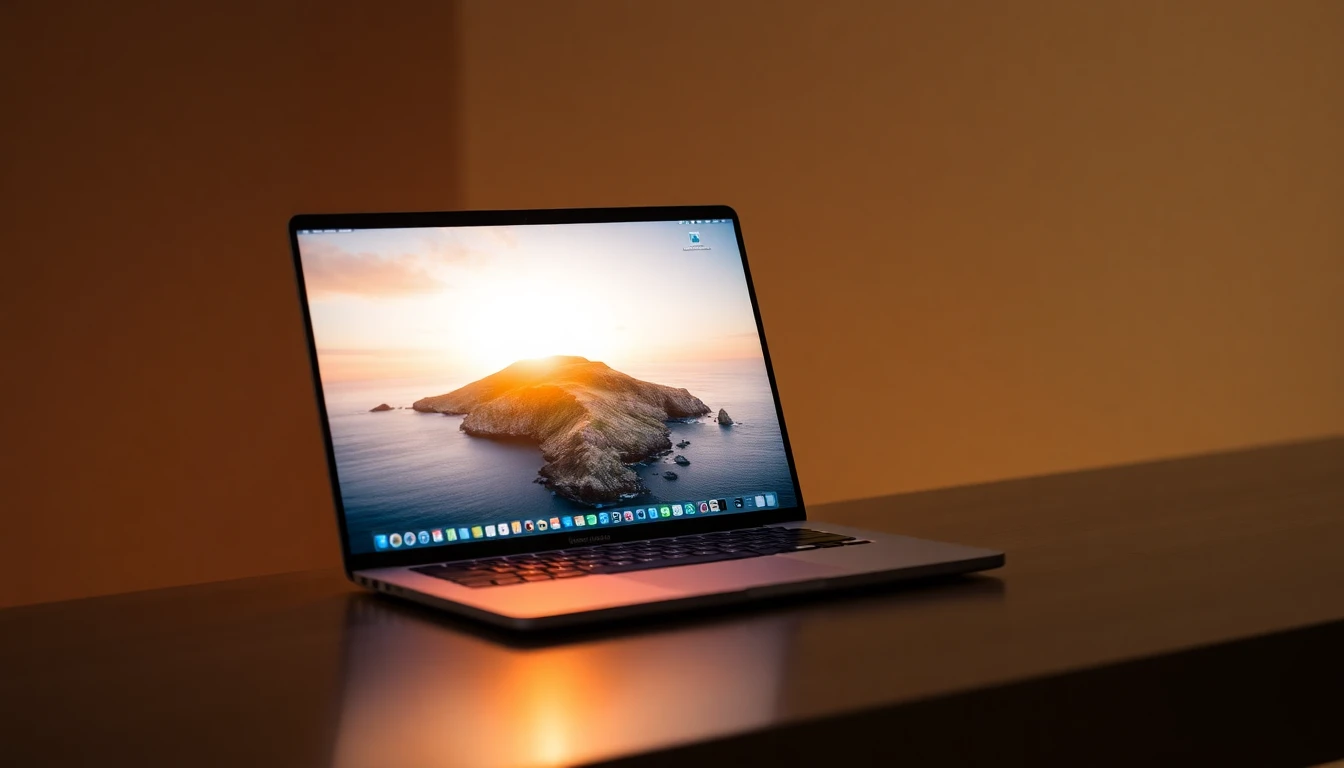
Apple has officially unveiled a touch-screen MacBook Pro, a move that represents a seismic shift in the company’s long-held philosophy regarding the interaction between humans and computers. For years, the tech giant resisted the allure of touch input on its laptops, arguing that the trackpad and keyboard offered a superior, more precise user experience. However, the landscape has changed dramatically, and Apple is now embracing touch as a core component of its flagship laptop. This isn’t just a simple addition of touch capability; it’s a comprehensive reimagining of the MacBook Pro, featuring a Dynamic Island-inspired interface and a deeply integrated touch-first experience within macOS.
The unveiling, which took place at a tightly controlled media event at Apple Park, showcased a radical departure from the traditional MacBook Pro design. The new model boasts a stunning edge-to-edge display with integrated touch sensors, allowing users to interact directly with their applications and content. But the real game-changer is the incorporation of a Dynamic Island, a feature previously exclusive to iPhones. This adaptive, morphing display element sits just below the top edge of the screen and provides contextual information, notifications, and quick access to frequently used controls, all without interrupting the user’s primary workflow.
The implications of this move are far-reaching, impacting not only Apple’s loyal customer base but also the broader tech industry. Competitors, who have long offered touch-screen laptops, will now be forced to re-evaluate their strategies. The redesigned macOS, optimized for both touch and traditional input methods, presents a compelling alternative to Windows, which has struggled to seamlessly integrate touch functionality. This shift could also accelerate the adoption of touch-based interfaces in professional creative fields, such as graphic design, video editing, and music production. Let’s delve into the specifics of this groundbreaking device and its potential impact on the future of computing.
The Touch-Screen Revolution: A Deep Dive into Apple’s New MacBook Pro
The introduction of a touch-screen MacBook Pro marks a pivotal moment in Apple’s history. For years, the company maintained that touch input on laptops was ergonomically unsound and less efficient than the traditional trackpad and keyboard. Steve Jobs famously dismissed the idea, arguing that touch screens were best suited for smaller, handheld devices. However, the evolution of technology and user expectations has seemingly prompted a change of heart. Apple’s decision to embrace touch reflects a broader industry trend towards more intuitive and versatile interfaces. The success of touch-screen devices like iPads and iPhones has undoubtedly influenced this shift, demonstrating the appeal of direct manipulation and gestural controls.
The implementation of touch on the MacBook Pro is not simply a tacked-on feature. Apple has meticulously engineered the display and macOS to provide a seamless and responsive touch experience. The display itself is a marvel of engineering, featuring a high refresh rate and precise touch sensors that accurately track finger movements. Apple has also developed new gestures and interactions specifically designed for the MacBook Pro’s touch screen, allowing users to perform complex tasks with ease. The integration of the Dynamic Island further enhances the touch experience, providing contextual information and quick access to controls without obscuring the main display area.
Beyond the hardware, the redesigned macOS is crucial to the success of the touch-screen MacBook Pro. Apple has subtly tweaked the operating system to make it more touch-friendly, with larger icons, more generous spacing, and redesigned menus. The company has also introduced new touch-based gestures for navigating the operating system, launching applications, and managing windows. These changes are designed to make macOS feel natural and intuitive, whether users are using a touch screen, trackpad, or keyboard. The new MacBook Pro also features enhanced security, a pressing concern highlighted in the context of data protection and privacy. This is particularly important as highlighted in the reporting surrounding The Epstein Files and the need for accountability and secure handling of sensitive information, showing that technological advancements must also be coupled with robust security measures.
The decision to incorporate a touch screen could also be seen as a strategic move to attract a new generation of users who have grown up with touch-screen devices. Many younger users are more comfortable interacting with computers using touch than with a traditional keyboard and trackpad. By offering a touch-screen MacBook Pro, Apple can appeal to this demographic and ensure that its laptops remain relevant in an increasingly touch-centric world. This new touch-screen model will likely be positioned as a premium offering, further solidifying Apple’s position in the high-end laptop market. As detailed in preventative health practices, lifestyle adaptations often necessitate premium investments for long-term gains, similarly, embracing innovative technologies like the touch-screen MacBook Pro may require a willingness to pay a premium for enhanced functionality and user experience.
Dynamic Island Comes to the Mac: A New Paradigm for Information and Control
The integration of the Dynamic Island into the MacBook Pro represents a significant evolution of Apple’s user interface design. First introduced on the iPhone, the Dynamic Island is a contextual, adaptive display element that provides users with real-time information, notifications, and quick access to frequently used controls. On the iPhone, the Dynamic Island replaces the traditional notch at the top of the screen, seamlessly blending hardware and software to create a more immersive and informative user experience. Bringing this functionality to the MacBook Pro opens up a whole new world of possibilities for how users interact with their laptops.
On the MacBook Pro, the Dynamic Island sits just below the top edge of the screen and can dynamically change its size and shape to display relevant information. For example, when playing music, the Dynamic Island might display the current song and artist, along with playback controls. When receiving a phone call, the Dynamic Island might display the caller ID and options to answer or decline the call. When running a timer, the Dynamic Island might display the remaining time. The possibilities are endless, and Apple is likely to continue to expand the functionality of the Dynamic Island in future software updates.
The key advantage of the Dynamic Island is that it provides users with information and controls without interrupting their primary workflow. Instead of having to switch between applications or open separate notification panels, users can simply glance at the Dynamic Island to stay informed and take action. This can significantly improve productivity and reduce distractions, allowing users to focus on the task at hand. The implementation on the MacBook Pro promises to be even more powerful than on the iPhone, leveraging the larger screen real estate to provide more detailed information and more versatile controls. As mentioned in analysis of Gemini 3.1 Pro, advancements in technology aim to simplify complex tasks, and the Dynamic Island on the MacBook Pro fits perfectly into this paradigm by streamlining information and control access.
The Dynamic Island also represents a shift in Apple’s design philosophy, moving away from static, fixed user interfaces towards more dynamic and adaptive ones. This approach allows Apple to tailor the user experience to the specific context and needs of each user, creating a more personalized and engaging interaction. By anticipating user needs and providing relevant information at the right time, the Dynamic Island can significantly enhance the overall user experience. The move towards adaptive interfaces also aligns with broader trends in the tech industry, where companies are increasingly leveraging artificial intelligence and machine learning to create more intelligent and responsive user interfaces.
Redesigning macOS for Touch: Balancing Tradition and Innovation
The success of the touch-screen MacBook Pro hinges not only on the hardware but also on the underlying operating system. Apple has invested significant effort in redesigning macOS to be more touch-friendly, while still retaining the core elements that have made it a beloved operating system for decades. This is a delicate balancing act, as Apple needs to appeal to both existing macOS users who are accustomed to the traditional trackpad and keyboard interface, as well as new users who are more familiar with touch-screen devices. The redesigned macOS aims to provide a seamless and intuitive experience, regardless of the input method used.
One of the key changes in the redesigned macOS is the introduction of larger icons and more generous spacing throughout the user interface. This makes it easier for users to tap on elements with their fingers, reducing the likelihood of accidental clicks. Apple has also redesigned menus and dialog boxes to be more touch-friendly, with larger buttons and clearer labels. In addition, the company has introduced new touch-based gestures for navigating the operating system, launching applications, and managing windows. These gestures are designed to be intuitive and easy to learn, allowing users to quickly master the touch interface.
However, Apple has also been careful not to alienate existing macOS users. The company has retained the core elements of the macOS interface, such as the menu bar, the Dock, and the Finder. These elements have been subtly tweaked to be more touch-friendly, but they remain familiar and recognizable to long-time macOS users. Apple has also ensured that all existing macOS applications continue to work seamlessly with the touch screen, without requiring any modifications from developers. This is crucial for ensuring a smooth transition for existing users and preventing fragmentation of the macOS ecosystem.
The redesigned macOS also includes new features specifically designed for touch-screen devices. For example, Apple has introduced a new on-screen keyboard that is optimized for touch input. The keyboard features larger keys and more accurate typing recognition, making it easier to type on the touch screen. Apple has also introduced a new handwriting recognition feature that allows users to write directly on the screen with their finger or a stylus. The operating system accurately translates the handwriting into text, making it easier to take notes and enter information. It’s a balance of innovation and tradition, carefully interwoven to create a cohesive user experience. This is in line with other moves by Apple, such as their continued emphasis on user privacy, which has been a growing concern as evidenced by reports of data tracking by entities like ICE using technology, highlighting the importance of responsible technological advancements.
Competitive Landscape: How Apple’s Move Impacts the Industry
Apple’s entry into the touch-screen laptop market is set to send shockwaves through the industry. For years, companies like Microsoft, Dell, and HP have been offering touch-screen laptops, often in the form of 2-in-1 devices that can be used as both laptops and tablets. However, these devices have generally been viewed as niche products, appealing to a smaller segment of the market. Apple’s decision to introduce a touch-screen MacBook Pro could change that perception, legitimizing touch input as a mainstream feature for laptops. This move is likely to force competitors to re-evaluate their strategies and accelerate the development of their own touch-screen laptops.
One of the key challenges for competitors will be matching Apple’s seamless integration of hardware and software. Apple has a well-deserved reputation for creating products that are both beautiful and functional, and the touch-screen MacBook Pro is likely to be no exception. The company’s control over both the hardware and software allows it to optimize the touch experience in ways that competitors cannot easily replicate. This could give Apple a significant competitive advantage in the touch-screen laptop market. The introduction of the Dynamic Island, and the seamless integration it brings, further enhances Apple’s competitive edge.
Another factor to consider is Apple’s brand reputation. Apple has a loyal customer base that is willing to pay a premium for its products. This gives Apple a significant advantage in the high-end laptop market, where the touch-screen MacBook Pro is likely to be positioned. Competitors may struggle to compete with Apple on price, especially if they are not able to match the company’s level of integration and design. This is similar to the situation in the cryptocurrency market, where Bitcoin’s established reputation often commands a premium despite the emergence of newer alternatives, as discussed in the analysis regarding the impact of market drops on Bitcoin, Ethereum, and XRP.
However, Apple also faces some challenges in the touch-screen laptop market. One challenge is convincing existing MacBook Pro users to embrace touch input. Many long-time MacBook Pro users are accustomed to the traditional trackpad and keyboard interface, and they may be resistant to change. Apple will need to educate these users on the benefits of touch input and provide them with a compelling reason to upgrade to the new touch-screen model. Also, the economic climate and shifting trade dynamics, such as those potentially influenced by a new Trump administration as explored in the analysis regarding SBA loan access for green-card holders, could impact consumer spending and adoption rates of premium devices like the touch-screen MacBook Pro.
Future Outlook: The Evolution of Touch and the Mac
The introduction of the touch-screen MacBook Pro is likely just the first step in Apple’s journey towards a more touch-centric future for the Mac. In the coming years, we can expect to see Apple continue to refine the touch experience on the MacBook Pro and expand the use of touch input to other Mac models. It is also possible that Apple will eventually introduce a 2-in-1 Mac device that can be used as both a laptop and a tablet, similar to Microsoft’s Surface Pro.
One of the key areas of development will be the integration of artificial intelligence (AI) and machine learning (ML) into the touch interface. AI and ML can be used to personalize the touch experience, anticipate user needs, and provide more intelligent and responsive interactions. For example, AI could be used to learn a user’s preferred gestures and customize the touch interface accordingly. AI could also be used to predict what a user is trying to do and provide relevant suggestions and assistance. This push towards AI and technology needs to be considered within a wider global framework. As highlighted in coverage of the UN’s AI scientific panel, the global community recognizes the broad impact of AI, requiring responsible development and ethical considerations in line with evolving norms and standards.
Another area of development will be the integration of augmented reality (AR) and virtual reality (VR) into the Mac experience. AR and VR have the potential to revolutionize the way we interact with computers, creating immersive and interactive environments that blur the lines between the physical and digital worlds. Apple has already made significant investments in AR and VR technology, and it is likely that we will see these technologies integrated into the Mac in the coming years. The integration of AR and VR could open up new possibilities for touch input, allowing users to interact with virtual objects and environments using their fingers. This echoes the potential for AI to augment our capabilities in complex fields, which has been demonstrated by new AI models highlighted in recent reports.
The evolution of touch on the Mac is likely to be a gradual process, but it is clear that Apple is committed to making touch a core part of the Mac experience. The touch-screen MacBook Pro is a bold step in that direction, and it sets the stage for a more intuitive and versatile future for the Mac. The future of the Mac is undeniably intertwined with the evolution of touch technology and its seamless integration with other innovative technologies like AI, AR, and VR.
Takeaways
Apple’s introduction of a touch-screen MacBook Pro with a Dynamic Island and redesigned macOS represents a significant shift in the company’s approach to laptop design. This move reflects a broader industry trend towards more intuitive and versatile interfaces and is likely to have a significant impact on the competitive landscape. While challenges remain, Apple’s commitment to innovation suggests a future where touch input plays an increasingly important role in the Mac experience. The success of this new MacBook Pro will depend on Apple’s ability to seamlessly integrate touch input into macOS while retaining the core elements that have made the Mac a beloved platform for decades. Only time will tell if Apple can successfully navigate this transition, but the touch-screen MacBook Pro is undoubtedly a bold and exciting step towards the future of computing. As the landscape evolves, Apple, like any global entity, will also need to navigate the complex terrain of international relations, similar to the diplomatic considerations surrounding events like Trump’s Gaza plan and Indonesia’s peacekeeping role.
| Feature | Traditional MacBook Pro | Touch-Screen MacBook Pro |
|---|---|---|
| Display | Standard Retina Display | Touch-Enabled Retina Display with Dynamic Island |
| Input Method | Keyboard and Trackpad | Keyboard, Trackpad, and Touch Screen |
| Interface | Traditional macOS | Redesigned macOS with Touch Optimization |
| Target User | Professional Users (Traditional Workflow) | Professional Users (Touch-Integrated Workflow) |
Frequently Asked Questions
Why did Apple decide to introduce a touch-screen MacBook Pro after years of resisting?
Apple’s decision to embrace touch on the MacBook Pro represents a shift in their understanding of user needs and technological capabilities. The success of touch-screen devices like iPads and iPhones has demonstrated the appeal of direct manipulation and gestural controls. Additionally, advancements in display technology and touch sensors have made it possible to create a more seamless and responsive touch experience on laptops. This shift acknowledges the evolving preferences of a new generation of users who are more comfortable with touch-based interfaces, and it allows Apple to stay competitive in a market where touch-screen laptops are becoming increasingly popular. The integration of the Dynamic Island is a key component of this transition, offering contextual information and quick access to controls in a way that complements the touch experience.
How does the Dynamic Island on the MacBook Pro differ from the Dynamic Island on the iPhone?
While the core functionality of the Dynamic Island remains the same – providing contextual information, notifications, and quick access to controls – its implementation on the MacBook Pro leverages the larger screen real estate to offer a more expansive and versatile experience. The MacBook Pro’s Dynamic Island can display more detailed information, such as multiple notifications or more comprehensive playback controls. It also allows for more complex interactions, such as dragging and dropping files directly from the Dynamic Island into applications. Furthermore, the Dynamic Island on the MacBook Pro is more tightly integrated with macOS, allowing it to control system-wide settings and access a wider range of applications. The increase in functionality goes hand in hand with streamlining complex tasks, similar to the goals of the Gemini 3.1 Pro AI model.
Will existing macOS applications work seamlessly with the touch-screen MacBook Pro, or will developers need to update their apps?
Apple has designed the touch-screen MacBook Pro to ensure that existing macOS applications work seamlessly without requiring modifications from developers. The company has built a compatibility layer that translates touch input into traditional mouse and keyboard events, allowing existing applications to function as expected. However, developers can also choose to update their applications to take full advantage of the touch screen, adding new touch-based gestures and interactions to enhance the user experience. Apple is providing developers with the tools and resources they need to create touch-optimized applications, but it is not requiring them to do so. This approach ensures a smooth transition for existing users and prevents fragmentation of the macOS ecosystem.
How does Apple plan to convince existing MacBook Pro users to embrace touch input?
Convincing existing MacBook Pro users to embrace touch input will require a multi-faceted approach. First, Apple will need to showcase the benefits of touch input through compelling demonstrations and tutorials, highlighting how touch can improve productivity and enhance the user experience. Second, Apple will need to provide users with a customizable touch interface that allows them to tailor the touch experience to their individual needs and preferences. Third, Apple will need to ensure that the touch input is accurate, responsive, and reliable, providing a consistently positive experience. Finally, Apple will need to offer attractive upgrade options and incentives to encourage existing users to switch to the new touch-screen model. A critical component for adoption, much like the concerns around data protection that were amplified by the reporting on the Epstein Files, will be ensuring user privacy.
What are the potential drawbacks of a touch-screen MacBook Pro?
While the touch-screen MacBook Pro offers numerous benefits, there are also potential drawbacks to consider. One concern is ergonomics. Prolonged use of a touch screen can strain the arms and neck, especially when reaching across the screen to tap on elements. Apple will need to address this concern by designing the touch interface to be as ergonomically friendly as possible. Another concern is the potential for fingerprints and smudges on the screen, which can detract from the viewing experience. Apple may need to implement a special coating on the screen to minimize this issue. Finally, the touch-screen MacBook Pro is likely to be more expensive than traditional MacBook Pro models, which could limit its appeal to some users. The pricing and accessibility will be a key factor for its wider adoption, which also echoes the impact of government policy and social issues on markets as seen with the SBA loans rule.