With over 4,000 kilometers of railway lines traversing its diverse landscapes, Thailand offers a unique lens through which to experience its rich culture and vibrant scenery. Beyond the bustling airports and highways, the State Railway of Thailand (SRT) provides a journey steeped in local life, offering travelers an intimate connection with the country’s heartlands, from the northern mountains to the southern coasts. As of mid-2026, the network continues to serve millions, blending historical charm with evolving amenities, making it a compelling choice for both budget-conscious adventurers and those seeking a deeper cultural immersion. This guide outlines everything a traveler needs to know to navigate Thailand’s railways effectively, ensuring a memorable and authentic voyage across the Kingdom.
Key Takeaways
- Thailand’s train network offers a culturally rich and scenic alternative to air or road travel, connecting major cities and remote areas.
- Understanding the different train classes (First, Second, Third) and their respective amenities is crucial for a comfortable journey.
- Advance booking, especially for sleeper berths and popular routes like Bangkok-Chiang Mai, is highly recommended.
- Train stations are often centrally located, providing convenient access to local transport and onward destinations.
- Onboard experiences range from simple seating to comfortable sleeper cars with dining options, reflecting the diverse offerings of the SRT.
- Safety and security measures are in place, but travelers should remain vigilant, especially with personal belongings.
- The network is continually evolving, with ongoing infrastructure improvements aimed at enhancing speed and comfort.
Why Choose Train Travel in Thailand?
Choosing train travel in Thailand extends beyond mere transportation; it represents an opportunity for cultural immersion and scenic exploration. Unlike air travel, which often bypasses the country’s heart, trains weave through rice paddies, dense jungles, and bustling villages, offering passengers continuous, unobstructed views of rural Thai life. The slower pace encourages observation and reflection, allowing travelers to absorb the changing landscapes and the rhythms of the local populace. It’s an authentic way to traverse the country, often revealing sights not accessible by road, providing a more profound understanding of Thailand’s diverse geography and traditions.
Economically, train journeys often present a cost-effective solution for long-distance travel within Thailand, particularly when compared to last-minute flights or private transfers. While buses can be cheaper, the comfort, space, and unique overnight sleeper options of trains provide a distinct advantage for extended voyages. For instance, an overnight train journey from Bangkok to Chiang Mai can save on accommodation costs while covering significant ground. This financial practicality, combined with the inherent comfort of being able to move around or sleep during the journey, makes trains an attractive option for budget-conscious explorers and those seeking efficient travel.
Moreover, the environmental impact of train travel is generally lower than that of flying, aligning with more sustainable tourism practices. Travelers increasingly prioritize eco-friendly options, and choosing the railway contributes to a reduced carbon footprint, supporting responsible tourism. The centralized location of many train stations, particularly in major cities like Bangkok (Hua Lamphong, and increasingly Krung Thep Aphiwat Central Terminal) and Chiang Mai, offers convenient access to local public transport networks, reducing the need for additional transfers and minimizing urban congestion. This seamless integration into urban infrastructure further enhances the appeal of rail journeys.
Ultimately, the decision to travel by train in Thailand is often driven by a desire for a more relaxed and reflective journey. The communal atmosphere in second and third-class carriages fosters interactions with local Thais and fellow travelers, creating memorable encounters that are rarely found in other modes of transport. The rhythmic chugging of the train, the simple act of watching the world go by, and the anticipation of arriving in a new destination all contribute to an experience that is far removed from the hurried efficiency of modern air travel. It embodies a classic sense of adventure, inviting passengers to slow down and truly savor their journey.
Understanding Thailand’s Train Network
Thailand’s railway network, managed by the State Railway of Thailand (SRT), forms a crucial backbone for domestic travel, stretching from the northern reaches bordering Laos to the southern provinces connecting with Malaysia. The network is primarily structured around four main lines radiating from Bangkok: the Northern Line to Chiang Mai, the Northeastern Line split into routes to Nong Khai (Laos border) and Ubon Ratchathani, the Eastern Line towards Aranyaprathet (Cambodia border), and the Southern Line extending to Hat Yai and Butterworth in Malaysia. These routes serve as lifelines for both passengers and freight, linking diverse regions and facilitating economic activity across the country.
The Southern Line is particularly significant for travelers heading to Thailand’s popular islands and coastal regions. Trains on this line connect Bangkok with Surat Thani, from where ferries depart to Koh Samui, Koh Phangan, and Koh Tao. Further south, the line continues to Hat Yai, a major transport hub for onward journeys to Malaysia or the Andaman coast islands like Koh Lipe. This extensive coverage allows for seamless multimodal journeys, combining rail travel with bus or ferry connections to reach even the most remote island paradises or border towns, making complex itineraries more manageable for independent travelers.
The State Railway of Thailand has been undergoing significant modernization efforts, particularly in recent years. While many older tracks and rolling stock remain in service, there are continuous upgrades to infrastructure and the introduction of newer, more comfortable carriages on popular routes. The opening of Krung Thep Aphiwat Central Terminal in 2023 marked a substantial shift in Bangkok’s railway operations, serving as the new primary hub for long-distance trains and signaling a move towards more integrated and efficient national rail services. This development aims to centralize train services and improve connectivity, gradually replacing the historic Hua Lamphong as the main terminus for most long-haul routes.
Navigating the network effectively requires some understanding of train types. The SRT operates various services, including Ordinary, Rapid, Express, and Special Express trains. Ordinary trains are generally local services, stopping at almost every station and offering the slowest but often most authentic experience. Rapid and Express trains offer faster connections between major towns with fewer stops. Special Express trains are the quickest and often feature modern carriages, air-conditioning, and sometimes even dining cars, representing the most comfortable and efficient long-distance option available. Each type caters to different travel needs and budget considerations, providing flexibility for diverse itineraries.
Train Classes and Seating Options
Thailand’s train system offers a range of classes designed to accommodate different budgets and comfort preferences, primarily categorized into First, Second, and Third Class. Understanding these distinctions is key to selecting the right experience for your journey. First Class, available predominantly on Special Express and some Express services, provides the highest level of privacy and comfort. These carriages typically feature private, air-conditioned compartments with two berths, ideal for couples or individuals seeking solitude. Each compartment often includes a sink and mirror, with shared toilet facilities located at the end of the carriage. This class is the most expensive but offers amenities akin to a basic hotel room on wheels.
Second Class is the most popular choice for both tourists and local Thais due to its balance of comfort and affordability. It is available in two main configurations: air-conditioned and fan-cooled. Second Class Sleeper carriages are particularly sought after for overnight journeys, offering comfortable upper and lower berths that are converted from seats by attendants in the evening. Each berth typically comes with a privacy curtain, pillow, and blanket. Second Class Seating, found on day trains, provides comfortable reclining chairs, often with ample legroom. This class allows for a more social experience while still offering a good level of comfort for longer trips.
Third Class represents the most economical option and offers a truly local experience. These carriages are typically fan-cooled, with hard, non-reclining benches or seats arranged in an open configuration. While less comfortable for extended journeys, Third Class is an excellent choice for short distances, especially if you wish to observe local life and interact with Thai commuters. Tickets for Third Class are often bought on the day of travel and are considerably cheaper, making them ideal for budget travelers or those seeking an authentic glimpse into everyday Thai life. The windows are usually open, allowing for natural ventilation and an unfiltered sensory experience of the passing scenery.
Beyond the standard classes, some newer Special Express trains, such as the sprinter trains on certain routes, offer a specialized Second Class air-conditioned seating configuration that resembles business class on an airplane, complete with individual entertainment screens and meal service. Additionally, specific routes might offer unique carriages, like those designed for dining or observation, although these are less common on regular services. When booking, it’s advisable to specify your preferred class and air-conditioning preference, as availability can vary significantly depending on the route, train type, and time of year. Understanding these choices ensures your train journey aligns perfectly with your expectations and travel style.
Booking Tickets and Essential Tips
Securing your train tickets in Thailand requires a bit of planning, especially for popular routes and during peak seasons. As of July 2026, tickets can be purchased directly at train stations, through the official State Railway of Thailand (SRT) website (D-Ticket platform), or via authorized third-party online travel agencies. Booking in advance is highly recommended, particularly for First and Second Class sleeper berths on routes like Bangkok to Chiang Mai or the southern lines, where tickets can sell out weeks ahead, especially around public holidays or school breaks. The official SRT website provides real-time availability and allows for secure online payments, issuing e-tickets that can be printed or displayed on a mobile device.
When purchasing tickets at a station, it is advisable to arrive well in advance of your desired departure time. Staff at larger stations typically speak some English, but it helps to have your destination, preferred class, and date of travel written down in Thai or clearly articulated. Cash payments are generally preferred at ticket counters, although some larger stations may accept credit cards. Be wary of unofficial ticket touts outside stations; always purchase tickets directly from the official counter or a reputable online platform. Checking the schedule beforehand, either online or at the station, can save considerable time and ensure you choose the most suitable train service.
Beyond securing your ticket, several essential tips can enhance your train journey. Firstly, pack light where possible. While luggage space is generally available, navigating crowded platforms and boarding can be challenging with oversized bags. Keep your valuables secure and accessible, especially in sleeper compartments. Bringing your own snacks and drinks is always a good idea, as dining car services or onboard vendors might have limited selections or higher prices. Many local vendors also sell food and beverages on platforms during stops, offering a chance to sample regional delicacies.
It is also prudent to carry essential items such as a travel pillow, earplugs, and an eye mask, particularly for overnight journeys, to ensure a comfortable rest. A light blanket can be useful in air-conditioned carriages, which can sometimes be quite chilly. Always keep a copy of your e-ticket or paper ticket readily available, as conductors will check tickets multiple times during the journey. Familiarize yourself with the layout of your carriage and the location of facilities like restrooms. Being prepared for these small details can significantly contribute to a smoother and more enjoyable train travel experience across Thailand’s diverse regions.
Popular Train Routes and Destinations
The Northern Line, connecting Bangkok to Chiang Mai, stands as Thailand’s most iconic and frequently traveled train route. This overnight journey, often undertaken in a Second Class sleeper, traverses approximately 750 kilometers, offering travelers a chance to wake up to the misty mountains of northern Thailand. Along the way, trains stop at historical cities like Ayutthaya and Phitsanulok, making it possible to break up the journey and explore ancient temples and cultural sites. The allure of Chiang Mai, with its vibrant markets, sacred temples, and proximity to natural parks, makes this route a must for many visitors, providing a quintessential Thai travel experience.
Another highly popular artery is the Southern Line, which serves as a gateway to Thailand’s world-renowned beaches and islands. From Bangkok, trains travel south to destinations such as Surat Thani, the jumping-off point for ferries to the Gulf Islands of Koh Samui, Koh Phangan, and Koh Tao. Further south, the line extends to Hat Yai, a major transport hub facilitating connections to Malaysia and the Andaman Sea islands, including Koh Lipe and Langkawi. This route offers a practical and scenic alternative to flying, allowing travelers to arrive refreshed and ready to embark on their island adventures. The gradual transition from urban sprawl to tropical landscapes is a journey in itself.
The Northeastern Line offers two distinct branches that delve into Thailand’s Isaan region, a cultural heartland less frequented by international tourists but rich in traditions and natural beauty. One branch leads to Nong Khai, a city on the Mekong River directly opposite Laos, serving as a gateway to Vientiane via the Thai-Lao Friendship Bridge. The other branch extends to Ubon Ratchathani, known for its temples and the annual Candle Festival. These routes provide a deeper exploration of authentic Thai life, revealing rice paddies, traditional villages, and ancient Khmer ruins, offering a contrasting experience to the more tourist-centric southern and northern destinations.
While less traveled by international tourists, the Eastern Line holds its own significance, primarily connecting Bangkok with destinations closer to the Cambodian border. The route to Aranyaprathet serves as a primary link for those crossing into Poipet, Cambodia, for onward travel to Siem Reap and the Angkor Wat complex. Additionally, a branch extends to Nam Tok, providing access to the famous Bridge over the River Kwai in Kanchanaburi, a historically significant site from World War II. Though not featuring extensive sleeper services, these shorter routes offer convenient day trips or border crossings, diversifying the range of experiences available through Thailand’s comprehensive train network and catering to various travel agendas.
Onboard Experience and Amenities
The onboard experience on Thai trains varies significantly depending on the class of travel and the specific train service. In First Class, passengers can expect a private, air-conditioned cabin equipped with two berths, providing a quiet and personal space. These cabins typically feature a small sink with running water, individual lighting, and power outlets. Attendants are usually on hand to assist with berth conversion in the evening and provide basic services. The privacy and comfort offered make First Class ideal for those prioritizing rest and personal space during longer overnight journeys, creating a subdued, almost hotel-like atmosphere.
Second Class Sleeper carriages, available with either air conditioning or fans, offer a more social yet comfortable environment. During the day, berths serve as facing seats, allowing for interaction. In the evening, attendants transform these into bunks, complete with fresh linens, pillows, and privacy curtains. While not fully private, the curtains offer a reasonable degree of seclusion, and the beds are surprisingly comfortable for a moving train. Air-conditioned carriages often maintain a cooler temperature, making a light blanket advisable. Many travelers find this class offers the best balance of comfort, cost, and the opportunity to engage with fellow passengers.
Dining options on Thai trains range from full dining cars on some Special Express services to vendors walking through carriages selling snacks and drinks. Dining cars typically offer a menu of simple Thai dishes, instant noodles, coffee, and soft drinks, providing a convenient option for meals. For other services, it’s common for platform vendors to sell a variety of local street food, fresh fruit, and beverages during longer stops. This practice allows travelers to sample regional specialties and support local businesses, adding an authentic culinary dimension to the journey. It is always wise to carry some small Thai baht denominations for these purchases.
Other amenities include shared Western-style and squat toilets at the end of each carriage, which are generally kept reasonably clean, though hygiene levels can vary. Water dispensers are sometimes available, but it’s prudent to carry your own bottled water. While Wi-Fi is not universally available, some newer carriages or Special Express services might offer limited connectivity. Power outlets for charging devices are increasingly common, particularly in First and Second Class, but bringing a portable power bank is a reliable backup. The overall onboard atmosphere, particularly in Second and Third Class, often reflects the friendly and relaxed nature of Thai culture, making the journey an enjoyable part of the adventure.
Navigating Stations and Connections
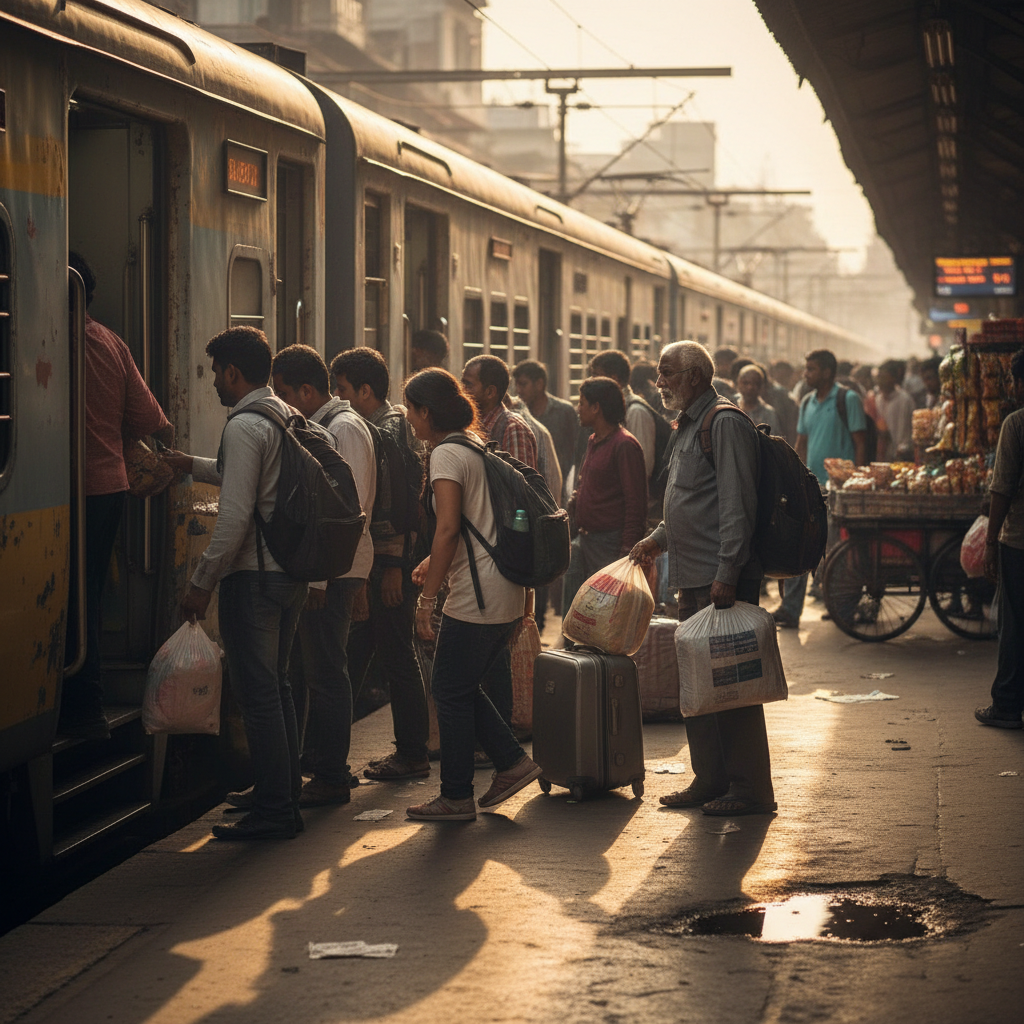
Navigating Thailand’s train stations, particularly in major cities, can be a smooth experience with a bit of prior knowledge. Bangkok’s Krung Thep Aphiwat Central Terminal, as the country’s main hub, is designed for efficient passenger flow, featuring multiple platforms, ticket offices, waiting areas, and amenities. Upon arrival, electronic display boards clearly indicate train departures and platform numbers. Smaller provincial stations are simpler, typically consisting of a single platform, a ticket booth, and minimal facilities. It’s always a good idea to arrive at least 30 minutes before your scheduled departure to allow time for ticket collection (if necessary) and finding your platform, especially if unfamiliar with the station layout.
Connections between train services and other modes of transport are generally well-integrated. For instance, from Krung Thep Aphiwat, passengers can easily connect to the MRT (subway) and BTS (skytrain) networks, offering extensive reach across Bangkok. In regional hubs like Surat Thani or Hat Yai, comprehensive transfer services are available, ranging from local songthaews (shared taxis) and tuk-tuks to minivan services that directly connect to bus terminals or ferry piers for onward travel to islands or neighboring provinces. These integrated transport solutions streamline multi-leg journeys, allowing travelers to transition smoothly from rail to road or sea.
Regarding luggage, train travel typically offers more flexibility than air travel. While there are no strict weight limits for carry-on luggage, passengers are expected to manage their own bags, particularly when boarding and stowing them in overhead racks or designated areas within the carriage. For First Class compartments, luggage space is usually sufficient for a few larger bags. In Second Class, overhead racks are suitable for backpacks and smaller suitcases, while larger items can often be stored at the end of carriages or under lower berths. It is advisable to keep valuable items in a smaller bag that can be kept close at hand.
Upon arrival at your destination station, local transport options are usually readily available. In larger towns, you’ll find an array of taxis, tuk-tuks, motorcycle taxis, and songthaews waiting to transport passengers to their hotels or next destinations. Negotiating fares before commencing your journey is a common practice, especially for tuk-tuks and taxis without meters. Alternatively, ride-hailing apps have become popular and provide transparent pricing. Understanding these local transport customs helps ensure a fair price and a hassle-free continuation of your journey from the train station to your final destination in Thailand.
“Thailand’s railway network offers a unique blend of heritage and practicality. It’s more than just a way to get from A to B; it’s a living museum of local life, where the rhythm of the train mirrors the pulse of the country. The ongoing modernization projects, while preserving the network’s character, are steadily improving comfort and efficiency, making train travel an increasingly appealing choice for a deeper, more reflective exploration of the Kingdom.”
— Dr. Anya Sharma, Southeast Asian Rail Historian & Travel Writer
| Feature | First Class (Sleeper) | Second Class (Sleeper A/C) | Second Class (Sleeper Fan) | Third Class (Seating) |
|---|---|---|---|---|
| Privacy | Private, lockable 2-berth cabin | Shared open carriage, privacy curtains for berths | Shared open carriage, privacy curtains for berths | Shared open carriage, no privacy |
| Comfort | Private bunks, sink, linen, power outlets | Comfortable bunks, linen, power outlets (some) | Comfortable bunks, linen | Hard bench seats, limited legroom |
| Air Conditioning | Yes, individually controlled | Yes | No, fan-cooled | No, fan-cooled with open windows |
| Price Range (Bangkok-Chiang Mai) | High (approx. 1,200 – 1,600 THB) | Medium-High (approx. 800 – 1,000 THB) | Medium (approx. 600 – 800 THB) | Low (approx. 250 – 400 THB) |
| Amenities | Attendant service, shared toilets | Shared toilets, potential dining car access | Shared toilets, vendors | Shared toilets, vendors |
| Suitability | Couples, families, privacy seekers | Most travelers, budget-conscious comfort | Budget travelers, cultural experience, short distances | Budget travelers, short distances, local immersion |
| Booking | Highly recommended in advance | Highly recommended in advance | Recommended in advance for popular routes | Often available on day of travel |
Frequently Asked Questions
How far in advance should I book train tickets in Thailand?
For popular routes, especially overnight sleeper trains from Bangkok to Chiang Mai or the southern provinces, booking at least 2-4 weeks in advance is highly recommended, particularly during peak travel seasons or public holidays. First and Second Class sleeper berths often sell out quickly. For shorter, regional journeys in Third Class, tickets can usually be purchased on the day of travel at the station with minimal issue, but advance booking is still a safer bet if you have a tight schedule.
Are there dining options available on Thai trains?
Yes, dining options vary by train type and class. Some Special Express trains feature a dedicated dining car offering a menu of simple Thai dishes, instant noodles, and beverages. On other services, vendors frequently walk through carriages selling a selection of snacks, drinks, and pre-packaged meals. Additionally, at many longer station stops, local vendors will sell a variety of delicious and affordable street food directly from the platform, allowing passengers to experience regional flavors during their journey. It’s advisable to carry small denominations of Thai baht for these purchases.
What is the difference between Krung Thep Aphiwat Central Terminal and Hua Lamphong Station?
Krung Thep Aphiwat Central Terminal, which officially became Thailand’s primary railway hub in early 2023, is a modern, purpose-built station designed for high capacity and integration with Bangkok’s urban transit systems. Most long-distance train services now originate or terminate here. Hua Lamphong Station, the historic and iconic railway terminus, now primarily handles commuter services and a limited number of special tourist or short-distance trains. For most long-distance journeys across Thailand, travelers should plan to use Krung Thep Aphiwat Central Terminal.
Is train travel safe in Thailand?
Generally, train travel in Thailand is considered safe for both locals and tourists. The State Railway of Thailand implements various security measures, and train staff are present to assist passengers. However, as with any travel, it is always prudent to practice common-sense precautions. Keep your valuables secure, especially in sleeper carriages, and be aware of your surroundings at all times. Locking your compartment in First Class and using privacy curtains in Second Class sleepers can add an extra layer of peace of mind during overnight journeys. Incidents are rare, but vigilance is always recommended.
Can I bring large luggage on Thai trains?
Thai trains are generally accommodating for luggage, offering more flexibility than air travel. There are no strict weight or size limits. In First Class, private compartments offer ample space for suitcases. In Second Class, overhead racks are suitable for most backpacks and smaller suitcases, while larger bags can often be stored in designated areas at the end of carriages or underneath lower berths. Passengers are responsible for managing their own luggage, including boarding and alighting. For ease of movement, especially on crowded trains or platforms, it’s advisable to pack efficiently and consider the maneuverability of your bags.