A recent report indicates that by July 2026, more than 70% of professionals believe their core job functions could be performed effectively from any location with reliable internet access. This shift has normalized the idea of blending a dynamic professional life with global exploration, yet managing client relationships while navigating different continents presents a distinct set of challenges. Success in this lifestyle hinges on establishing robust systems, clear communication protocols, and a proactive mindset to ensure client needs are met without disruption. This article will explore the definitive strategies and tools necessary for maintaining strong client relationships and delivering consistent service quality, irrespective of your geographical location, transforming the aspiration of location-independent work into a tangible reality.
Key Takeaways
- Establish clear, upfront communication protocols regarding availability and response times with clients.
- Utilize robust digital platforms for project management, collaboration, and consistent communication.
- Proactively manage time zone differences through asynchronous methods and strategic scheduling.
- Implement automation and delegate routine tasks to maintain efficiency and focus on core client needs.
- Prioritize consistent service quality and professional delivery to build client trust from any location.
- Develop a contingency plan for connectivity issues or unforeseen travel disruptions.
- Integrate self-care and structured work routines to prevent burnout while balancing travel and client work.
Setting Clear Client Expectations from Afar
Successfully managing clients while traveling begins with transparent communication about your operational framework. Before embarking on any extended travel, it is crucial to discuss your schedule, potential time zone differences, and estimated response times with each client. This proactive approach helps to pre-empt misunderstandings and sets realistic expectations for interaction. Articulating your travel plans, without necessarily detailing every itinerary change, assures clients that their projects remain a priority. A dedicated client communication plan, outlining preferred channels and expected communication frequency, can serve as a valuable reference point, ensuring everyone understands the new operational rhythm.
Crafting a professional ‘travel notification’ is an essential first step. This should clearly state the period of your travel, highlight any significant time zone shifts, and confirm how you will maintain project continuity. Reassure clients that their work will not suffer and perhaps even emphasize the benefits of a fresh perspective gained from new environments. Offering specific blocks of availability for calls or meetings, tailored to their local time, demonstrates commitment. This initial conversation acts as a foundation, creating a baseline of understanding that minimizes anxiety and builds confidence in your ability to deliver, regardless of your location on the map.
Maintaining consistent communication channels is paramount. While traveling, you might encounter varying internet speeds or accessibility challenges. Informing clients about your primary and secondary contact methods—perhaps a stable email address as primary and a messaging app for quick queries—can prevent communication breakdowns. It’s also wise to set up an auto-responder for email that details your current time zone and expected response window, ensuring no client feels ignored. This automated message can direct urgent queries to a specific channel or a designated team member if you operate with support. Such small but significant adjustments bolster client confidence.
Establishing clear boundaries is equally important. While the allure of ‘working from anywhere’ suggests boundless flexibility, clients often appreciate structured availability. Define specific ‘office hours’ that overlap with key client time zones, and communicate these clearly. This prevents clients from expecting immediate responses at all hours and allows you to compartmentalize work and travel experiences. Setting these boundaries protects your personal time and prevents burnout, which is critical for sustainable remote work. When clients understand your operational hours, they can plan their interactions more effectively, fostering a professional relationship built on mutual respect and clarity.
Mastering Digital Communication Tools for Global Reach
Effective client management from anywhere hinges on a robust suite of digital communication tools that facilitate seamless interaction. Video conferencing platforms like Zoom, Google Meet, or Microsoft Teams are indispensable for face-to-face meetings, allowing for visual cues and deeper engagement that text-based communication often misses. Ensuring a stable internet connection and a professional background, even when in a new location, is critical for maintaining client trust and projecting competence. These platforms often include features like screen sharing, recording, and chat functions, which are vital for collaborative project discussions and record-keeping.
Beyond live meetings, asynchronous communication tools play a significant role in bridging time zone gaps. Platforms such as Slack or Microsoft Teams provide instant messaging capabilities, allowing for quick questions, file sharing, and team collaboration without the need for immediate, simultaneous presence. These tools help create a consistent channel for ongoing dialogue, ensuring that project updates and urgent messages are conveyed efficiently. Organizing channels per client or project can also help streamline communication, preventing important information from getting lost in a general feed and ensuring accountability for specific tasks or discussions.
Email remains a cornerstone of professional communication, especially for formal documentation, detailed proposals, and summary reports. While traveling, managing your inbox effectively becomes even more critical. Utilizing email management strategies, such as setting up filters, using labels, and scheduling send times, can help maintain an organized workflow. Cloud-based email services ensure access from any device, and mobile apps provide flexibility for quick checks and responses. However, it is important not to rely solely on email for urgent matters, as response times can vary depending on connectivity and your current location.
File sharing and collaborative document tools are also essential. Google Drive, Dropbox, and SharePoint allow for real-time collaboration on documents, spreadsheets, and presentations, making it easy to work with clients and team members regardless of their location. These platforms ensure that everyone is working on the most current versions of files, reducing confusion and improving efficiency. The ability to track changes, leave comments, and grant specific access permissions makes these tools vital for maintaining project transparency and control. Integrating these with your project management system can further streamline workflows and ensure all relevant information is easily accessible.
Streamlining Project Management Workflows Remotely
Effective project management tools are the backbone of successful client relationships for professionals traveling globally. Platforms like Asana, Trello, ClickUp, or Monday.com provide centralized hubs for task tracking, deadline management, and progress monitoring. These systems allow you to assign tasks, set due dates, and update statuses, providing clients with real-time visibility into project advancement. This transparency builds trust and reduces the need for constant updates, freeing up your time to focus on core deliverables. Establishing a consistent methodology for using these tools is key, ensuring all team members and clients are onboarded correctly.
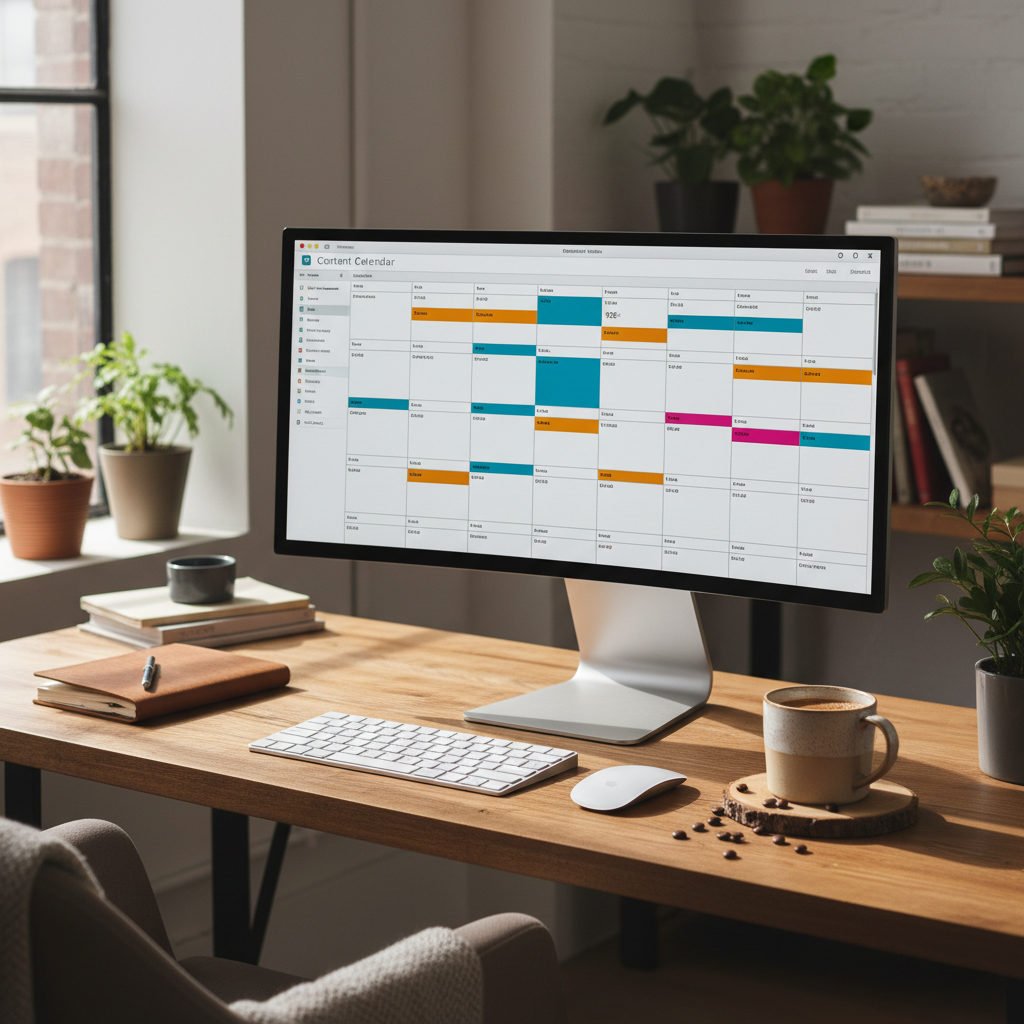
Implementing standardized templates for common projects or tasks can significantly enhance efficiency. Whether it is a content calendar, a social media campaign planner, or a website development roadmap, templates ensure consistency and reduce the time spent setting up new projects. These templates can be integrated directly into your project management software, allowing for quick deployment and minimizing manual effort. This standardization not only saves time but also ensures that critical steps are not overlooked, maintaining a high level of service quality regardless of your location.
Automating routine processes within your project management system can further free up valuable time. For example, setting up automated reminders for approaching deadlines, creating recurring tasks, or integrating with communication tools to send automatic updates can reduce administrative burden. Such automation ensures that important notifications are never missed and that clients receive timely information without manual intervention. This level of operational efficiency becomes particularly important when you are frequently moving between different time zones and connectivity conditions.
Regular project reviews and check-ins, even if asynchronous, are vital for maintaining alignment with clients. Schedule weekly or bi-weekly updates through your project management platform or a brief recorded video message. These check-ins provide an opportunity to discuss progress, address any roadblocks, and confirm the next steps. They ensure clients feel informed and involved, fostering a collaborative environment. By consistently updating the project status within the chosen tool, you offer clients a tangible view of your commitment and progress, reinforcing their confidence in your ability to manage their projects effectively from any corner of the world.
Navigating Time Zone Differences Effectively
Managing client expectations across multiple time zones is arguably one of the most complex aspects of global client management. The key is to establish a clear strategy that minimizes disruption while maximizing your availability. Start by identifying the primary time zones of your key clients and plan your work blocks around these. Tools like World Clock or dedicated time zone converters can help visualize overlapping hours, making it easier to schedule calls or critical tasks. Communicating your current time zone clearly in your email signature or communication tools prevents confusion and sets appropriate response expectations.
Embracing asynchronous communication is paramount when significant time zone differences exist. Instead of striving for real-time interactions that may require clients or yourself to work at inconvenient hours, leverage tools that allow for messages to be sent and responded to at each party’s convenience. Email, project management comments, and recorded video updates are excellent for this. This approach reduces pressure for immediate responses, allowing both you and your clients to focus on deep work during their respective productive hours, enhancing overall efficiency rather than hindering it.
When synchronous meetings are unavoidable, strategic scheduling is essential. Attempt to find a ‘golden hour’ that overlaps reasonably with all participants’ workdays. If this is not feasible, consider rotating meeting times so that the inconvenience is shared among all parties, rather than consistently falling on one client or yourself. Providing meeting invitations with clearly stated times in both your local time and the client’s local time (or using a universal time format like UTC) minimizes errors. Always confirm attendance and re-send reminders to account for the time difference.
Creating a ‘follow the sun’ workflow can be highly effective if you have a distributed team. This model involves passing tasks from one time zone to another as the workday progresses, effectively extending the productive workday. Even as a solo professional, you can adopt elements of this by dedicating specific parts of your day to clients in different regions. For example, morning hours might be for European clients, while evenings are reserved for North American clients. This structured approach helps maintain a consistent pace of work and responsiveness, demonstrating your commitment to global client service.
Building a Reliable Support System for Global Operations
A robust support system is indispensable for managing clients effectively while navigating the globe. This system often involves a combination of automation, delegation, and strategic partnerships. For instance, implementing an automated client intake system ensures that new client inquiries are handled promptly and consistently, even when you are offline. This might include automated questionnaire forms, scheduling links, and welcome emails that provide immediate value and set expectations. Automation streamlines initial interactions, creating a professional first impression without requiring your direct involvement around the clock.
Delegation of non-core tasks can free up significant time and mental bandwidth. Hiring a virtual assistant (VA) to handle administrative duties, schedule management, email triage, or basic content updates allows you to focus on high-value client work. A VA can operate from a consistent time zone, providing a stable point of contact for clients if you are in transit or experiencing connectivity issues. Clearly defined roles and access to your project management tools ensure that your VA can seamlessly integrate into your workflow, becoming a critical extension of your operational capacity.
For specialized tasks, consider building a network of freelance contractors or agency partners. This could include graphic designers, copywriters, web developers, or marketing specialists who can be brought in on a project-by-project basis. This fractional model provides flexibility and scalability, allowing you to offer a broader range of services to your clients without the overhead of full-time employees. Ensure these partners are aligned with your quality standards and communication protocols, and that clear service level agreements are in place to manage client expectations effectively.
Establishing contingency plans for unforeseen circumstances is also a core component of a reliable support system. What happens if your internet goes down for an extended period, or if you face a medical emergency in a remote location? Having a backup communication method (like a local SIM card with data), pre-arranging a local co-working space, or even designating an emergency contact person who can communicate with clients on your behalf are crucial steps. A ‘break glass in case of emergency’ protocol ensures that client work remains on track, mitigating potential disruptions and demonstrating proactive risk management.
Maintaining Professionalism and Service Quality Remotely
Sustaining a high level of professionalism and consistent service quality is paramount when managing clients from anywhere in the world. Your physical location should never compromise the standard of your deliverables. This means adhering to agreed-upon deadlines, maintaining clear and concise communication, and always presenting work that meets or exceeds client expectations. Develop a routine that ensures productivity despite changes in environment, perhaps by dedicating specific hours each day to deep work and client communication, regardless of your current time zone or surroundings.
Invest in reliable technology. A high-quality laptop, a dependable mobile hotspot, a good headset for calls, and potentially a portable monitor can make a significant difference in your ability to work efficiently and professionally from various locations. While local cafes might seem appealing, prioritizing stable internet connections and quiet working environments, such as co-working spaces or dedicated hotel business centers, will minimize technical disruptions during client interactions. A professional setup reinforces your commitment to quality service.
Regularly solicit client feedback to gauge their satisfaction and identify areas for improvement. This proactive approach shows clients that their input is valued and that you are committed to their success, regardless of your geographic distance. Feedback can be gathered through informal check-ins, formal surveys, or post-project reviews. Addressing concerns swiftly and implementing suggestions demonstrates responsiveness and a commitment to continuous improvement, strengthening the client relationship over time.
Maintaining a professional demeanor, even during casual interactions, reinforces your brand and commitment. Be mindful of your appearance during video calls, ensure your communication is always respectful and clear, and present yourself as organized and dependable. While traveling offers freedom, it’s essential not to let personal leisure activities bleed into professional hours or compromise your ability to deliver. A consistent professional presence, whether through your communication style, timely deliverables, or digital presentation, assures clients that their projects are in capable hands, fostering long-term trust and loyalty.
Financial Management and Legal Considerations for Global Work
Operating across borders brings unique financial and legal complexities that must be managed diligently. For invoicing and payments, research the most efficient and cost-effective methods for international transactions. Platforms like Wise (formerly TransferWise), PayPal, or specialized payment gateways offer solutions for receiving payments in various currencies with competitive exchange rates and lower fees compared to traditional banks. Clearly communicate your preferred payment methods and terms to clients upfront, ensuring there are no surprises regarding currency conversion or transaction costs. Automating invoice generation and reminders can also streamline this process.
Understanding your tax obligations in both your country of origin and any countries where you might spend significant time is crucial. Tax laws for digital nomads and remote workers are evolving, but generally, you will need to determine your tax residency and understand how income earned abroad is treated. Consulting with an international tax advisor can provide clarity and ensure compliance, preventing future complications. Keep meticulous records of all income and expenses, regardless of where they occur, as this documentation is vital for accurate tax reporting.
Legal considerations extend to contracts and service agreements. Ensure your client contracts are robust enough to cover international engagements, specifying governing law and dispute resolution mechanisms. It’s advisable to have a lawyer review your standard contract to ensure it protects your interests regardless of your operational base. Clauses relating to data privacy, intellectual property, and confidentiality should be carefully crafted to comply with relevant international regulations, such as GDPR if working with European clients, to mitigate legal risks.
Lastly, consider the implications of your travel on business registration and insurance. Some countries may have specific requirements for individuals working remotely within their borders, even on a tourist visa. Research these regulations to avoid legal issues. Additionally, securing comprehensive business insurance that covers international operations, professional liability, and potential travel-related disruptions (like equipment loss or theft) provides a crucial layer of protection. Proactive planning in these financial and legal domains ensures your global client management remains secure and compliant.
Balancing Travel Experiences with Client Responsibilities
The appeal of managing clients while traveling lies in the freedom it offers, but maintaining a productive balance between work and exploration is essential for long-term sustainability. Without clear boundaries, burnout can quickly set in, diminishing both your travel enjoyment and your client service quality. Dedicate specific blocks of time each day or week solely to client work, treating these hours as non-negotiable. This structured approach helps segment your day, allowing you to fully immerse yourself in work when needed and fully engage in travel experiences otherwise.
Prioritize planning your travel around your work commitments rather than the other way around. When choosing destinations, consider factors like internet reliability, availability of co-working spaces, and time zone proximity to your key clients. Opting for slower travel, spending a few weeks or months in one location, can also make it easier to establish a routine and maintain consistent client contact, reducing the stress of constant transition. High-speed travel often disrupts work momentum and can lead to missed deadlines or communication gaps.
Integrate self-care into your travel routine. While it might be tempting to maximize every moment for sightseeing, neglecting personal well-being will inevitably impact your ability to serve clients effectively. This includes ensuring adequate sleep, regular exercise, and healthy eating habits. Taking breaks, even short ones, to enjoy your surroundings can refresh your mind and boost creativity, ultimately benefiting your work quality. A well-rested and mentally alert professional is far more effective at client management.
Be realistic about your capacity. It is tempting to take on every exciting project while simultaneously planning an ambitious travel itinerary. However, overcommitting can lead to stress, missed deadlines, and ultimately, dissatisfied clients. Learn to say no or to delegate effectively when your plate is full. Regularly assess your workload and adjust your travel plans or project intake as needed. The goal is to create a harmonious blend where travel enriches your life without detracting from your professional commitments, ensuring a sustainable and fulfilling journey as a global professional.
“The cornerstone of managing clients from anywhere is not just about technology; it’s about trust. Consistent communication, proactive problem-solving, and a steadfast commitment to delivering quality, regardless of your geographic coordinates, solidify that trust. Our globalized world expects seamless service, and those who master this will define the future of location-independent work.”
— Dr. Elara Vance, Global Remote Work Strategist, Zenith Innovations
| Feature / Tool | Zoom | Slack | Asana | Google Workspace | ClickUp |
|---|---|---|---|---|---|
| Primary Function | Video Conferencing, Webinars | Instant Messaging, Team Collaboration | Project & Task Management | Integrated Productivity Suite | All-in-One Productivity Platform |
| Key Remote Benefits | High-quality video calls, screen sharing, recording, virtual backgrounds | Real-time chat, channel organization, file sharing, integrations | Task assignment, deadline tracking, project roadmaps, client portals | Email, docs, spreadsheets, cloud storage, video conferencing | Task management, docs, CRM, whiteboards, time tracking |
| Client Collaboration | Direct meeting invites, shared screen control | Guest access for clients, private channels | Client-specific projects, guest accounts, progress visibility | Shared documents, real-time editing, shared drives | Client access, custom forms, collaborative docs |
| Time Zone Management | Scheduled meetings with time zone display | Asynchronous messaging, ‘Do Not Disturb’ settings | Deadline visibility, calendar integrations | Scheduled emails, calendar with time zone support | Customizable notifications, global time zone display |
| Cost (Typical) | Free for basic, Pro from $14.99/month | Free for basic, Pro from $8/user/month | Free for basic, Premium from $10.99/user/month | Business Starter from $6/user/month | Free for basic, Unlimited from $7/user/month |
| Best For Traveling Pros | Face-to-face meetings, presentations | Quick client queries, team communication | Organizing client projects, managing deadlines | Comprehensive productivity, shared files | Consolidating multiple tools, robust customization |
Frequently Asked Questions
How do I inform my clients about my travel plans without causing concern?
Transparency is key. Inform your clients proactively, well in advance of your departure. Clearly communicate your travel duration, any significant time zone changes, and most importantly, reassure them that project continuity and service quality will be maintained. Provide specific details on how you will remain accessible, such as your primary communication channels and updated response times. Emphasize the benefits of your mobility, perhaps highlighting how new experiences might fuel creativity or broaden your perspective, rather than focusing on potential disruptions. This approach builds confidence and reinforces your commitment to their success.
What are the most effective communication tools for managing clients remotely?
A blended approach using various digital tools is most effective. For synchronous communication, video conferencing platforms like Zoom or Google Meet are crucial for face-to-face interactions. For asynchronous, real-time messaging, Slack or Microsoft Teams facilitate quick questions and project updates across time zones. Email remains vital for formal documentation and detailed discussions. Additionally, robust project management software like Asana or ClickUp provides a central hub for task tracking and progress updates, ensuring clients have visibility into ongoing work. The effectiveness lies in choosing tools that align with your clients’ preferences and consistently using them to maintain clear communication lines.
How can I manage client expectations regarding response times across different time zones?
Proactive communication and clear boundaries are essential. Before starting a project or travel, discuss and agree upon specific response windows that accommodate both your travel schedule and their business hours. Utilize your email signature or auto-responder to state your current time zone and expected response time. Embrace asynchronous communication methods where immediate responses aren’t critical, allowing both parties to work efficiently in their respective time zones. For urgent matters, establish a clear protocol, perhaps using a designated messaging app for critical alerts, ensuring clients know when and how to reach you for time-sensitive issues.
What strategies help maintain service quality while frequently changing locations?
Maintaining service quality hinges on discipline, organization, and a robust operational framework. Establish a consistent daily work routine that prioritizes client tasks, regardless of your location. Invest in reliable portable technology and always seek out stable internet connections, such as co-working spaces or reputable hotels, to minimize technical disruptions. Leverage automation for administrative tasks and consider delegating non-core functions to a virtual assistant. Regularly solicit client feedback to identify and address any potential service gaps promptly. A professional approach, coupled with effective planning, ensures your quality standards remain high.
Is it necessary to have a dedicated virtual assistant for client management while traveling?
While not strictly necessary for every solo professional, a dedicated virtual assistant (VA) can significantly enhance your capacity for client management while traveling. A VA can handle administrative tasks, schedule management, initial client inquiries, and even some content updates, freeing you to focus on high-value work. They provide a stable point of contact, especially if you are in transit or facing connectivity challenges, ensuring consistent client communication. The decision depends on your workload, budget, and the complexity of your client relationships, but for many, a VA proves to be a valuable asset in sustaining a successful global remote operation.