Venturing into Malaysia for the first time unveils a tapestry woven from diverse cultures, rich histories, and dynamic natural landscapes, an experience quite unlike any other in Southeast Asia. From the soaring Petronas Twin Towers in Kuala Lumpur to the ancient rainforests of Borneo, the country presents an intriguing blend of modernity and tradition. Navigating this vibrant nation requires some preparation, ensuring first-time visitors can fully immerse themselves without unforeseen complications. This guide provides foundational insights into Malaysia’s unique charm, helping you confidently plan an unforgettable journey across its bustling cities, serene islands, and verdant highlands, making your initial encounter both smooth and genuinely enriching.
Key Takeaways
- Malaysian visas are generally straightforward for many nationalities, but confirming requirements well in advance of travel is crucial.
- Embrace the diverse culinary scene, from street food stalls to formal dining, while prioritizing food hygiene, especially with local vendors.
- Public transportation in major cities like Kuala Lumpur is efficient, but intercity travel often involves a mix of budget flights, buses, and trains.
- Respect local customs and religious practices by dressing modestly, particularly when visiting mosques or temples, and being mindful of social etiquette.
- Plan a balanced itinerary that includes urban exploration (Kuala Lumpur), cultural immersion (Penang), and natural beauty (Langkawi or Borneo).
- Familiarize yourself with local currency (Malaysian Ringgit, MYR) and consider pre-paid SIM cards for convenient connectivity throughout your trip.
Before You Go: Essential Planning for Malaysia
Embarking on a journey to Malaysia begins with meticulous pre-trip planning, especially for first-time visitors. Ascertaining visa requirements is paramount; many nationalities enjoy visa-free entry for periods ranging from 30 to 90 days, but it is always advisable to check the latest regulations with the Malaysian embassy or consulate in your home country. Your passport should have at least six months of validity beyond your intended departure date from Malaysia. Additionally, securing comprehensive travel insurance is a non-negotiable step, providing peace of mind against unexpected medical emergencies, trip cancellations, or lost luggage.
Understanding Malaysia’s climate patterns will significantly influence your packing strategy and overall experience. The country generally experiences a tropical climate, characterized by high temperatures and humidity year-round. However, distinct monsoon seasons affect different regions at varying times: the east coast (Perhentian, Redang, Tioman) typically sees heavy rainfall from November to February, while the west coast (Penang, Langkawi) is wetter from September to December. Therefore, researching the optimal travel time for your specific destinations within Malaysia is key to avoiding prolonged periods of rain and maximizing your enjoyment of outdoor activities.
Financially preparing for your trip involves understanding the local currency, the Malaysian Ringgit (MYR). While credit cards are widely accepted in urban areas and larger establishments, carrying some cash is essential for street food vendors, local markets, and smaller towns. Inform your bank of your travel plans to prevent any issues with card usage abroad. Additionally, consider downloading useful apps such as ride-sharing services (e.g., Grab), translation tools, and offline maps before you arrive, ensuring you are well-equipped for navigation and communication from the moment you land.
Packing appropriately is another vital aspect of preparing for Malaysia’s tropical climate and cultural sensitivities. Lightweight, breathable clothing made from natural fabrics like cotton or linen is ideal. Include modest attire, such as long trousers or skirts and shirts that cover shoulders, for visits to religious sites like mosques and temples. Comfortable walking shoes are indispensable for exploring cities and natural attractions. Don’t forget essentials like a wide-brimmed hat, sunglasses, high-SPF sunscreen, insect repellent, and a reusable water bottle to stay hydrated in the heat, contributing to both your comfort and responsible tourism practices.
Getting Around Malaysia: Transportation Insights
Navigating Malaysia’s diverse landscapes is surprisingly efficient, thanks to a well-developed transportation network that caters to various travel styles and budgets. For inter-state travel, domestic flights are often the quickest option, connecting major hubs like Kuala Lumpur, Penang, Langkawi, and cities in Malaysian Borneo. Airlines such as Malaysia Airlines, AirAsia, and Batik Air offer frequent and affordable services, especially if booked in advance. This method is particularly recommended for covering long distances or reaching East Malaysia, saving considerable travel time compared to land routes.
Within Peninsular Malaysia, an extensive network of express buses provides a budget-friendly and comfortable way to travel between cities. Companies like Aeroline, Plusliner, and Transnasional operate modern, air-conditioned coaches with amenities that often include reclining seats and entertainment systems. While bus journeys can be lengthy, they offer an opportunity to observe the country’s changing scenery. Booking tickets online or at central bus terminals a day or two in advance, especially during peak seasons or public holidays, is advisable to secure your preferred schedule.
Malaysia’s railway system, managed by Keretapi Tanah Melayu Berhad (KTMB), offers an alternative for scenic and relaxed travel. The ETS (Electric Train Service) connects major cities along the west coast, including Kuala Lumpur, Ipoh, and Penang (via Butterworth), providing a comfortable and relatively fast option. For a more adventurous experience, the Jungle Railway traverses the interior of Peninsular Malaysia, offering a unique glimpse into rural life, though it operates at a slower pace and is less frequently used by typical tourists.
For urban transit, Kuala Lumpur boasts an integrated public transport system comprising LRT (Light Rail Transit), MRT (Mass Rapid Transit), Monorail, and Komuter trains, making it easy to navigate the city’s key attractions. Touch ‘n Go cards can be purchased and topped up for seamless travel across these networks. Ride-sharing services like Grab are widely available in most Malaysian cities, offering convenience and transparent pricing for door-to-door travel, often proving more economical than traditional taxis, particularly for short distances or when traveling in groups.
Cultural Etiquette and Local Customs
Malaysia is a multicultural nation, home to Malays, Chinese, Indians, and indigenous groups, each contributing to a rich tapestry of traditions. Visitors should be mindful of local customs and religious sensitivities to ensure a respectful and harmonious experience. When visiting mosques, temples, or other religious sites, modest dress is essential: shoulders and knees should be covered, and women may be asked to cover their heads. Footwear is typically removed before entering religious buildings and sometimes before entering local homes. Observing these simple courtesies demonstrates respect for local beliefs.
Greetings in Malaysia often involve a gentle handshake, especially among men. For women, a nod or a smile is usually sufficient if they are greeting a male. When meeting Malay individuals, a ‘salam’ (a light touch of hands followed by bringing the hand to one’s heart) is common, signifying sincerity. Always use your right hand when shaking hands, passing objects, or eating, as the left hand is traditionally considered unclean. Public displays of affection are generally frowned upon, particularly in conservative areas, and should be kept to a minimum out of respect for local norms.
Dining etiquette also holds significance. Malaysians often eat with their right hand, especially when enjoying traditional dishes like nasi lemak. If using cutlery, it’s common to use a spoon and fork, with the fork used to push food onto the spoon. It is polite to wait until the host invites you to begin eating. Tipping is not widely practiced in Malaysia, as service charges are often included in restaurant bills. However, leaving a small gratuity for exceptional service is always appreciated, particularly in tourist-centric establishments.
Understanding the concept of ‘face’ is also important in Malaysian culture. Avoid public confrontation, raising your voice, or causing someone embarrassment, as this can lead to a loss of face for both parties. Politeness and indirect communication are generally preferred. When bargaining in markets, do so politely and with a friendly demeanor; aggressive haggling is not well-received. Engaging with locals respectfully and showing genuine interest in their culture will undoubtedly lead to more enriching interactions and a deeper understanding of Malaysia’s warm hospitality.
A Culinary Journey: Tasting Malaysia’s Flavors
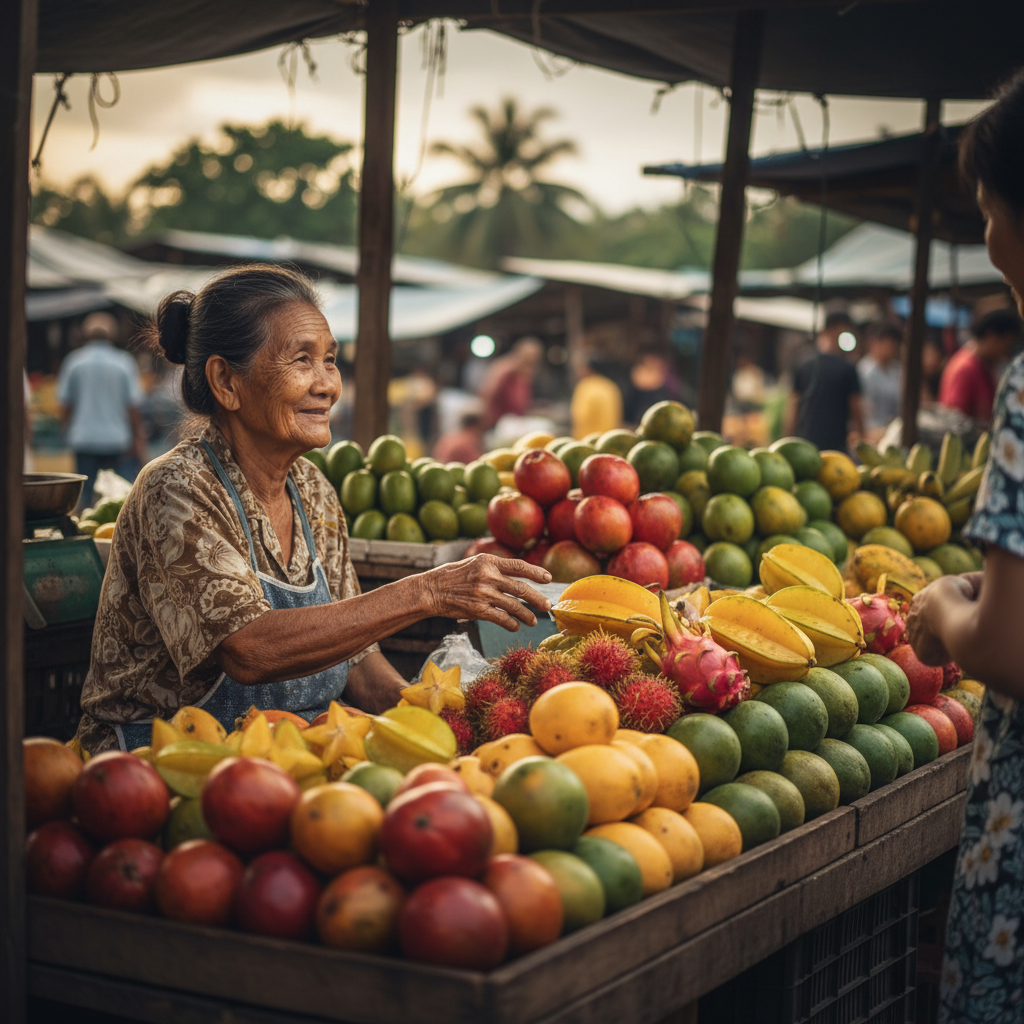
Malaysia’s cuisine is a captivating reflection of its multicultural heritage, blending Malay, Chinese, Indian, and indigenous influences into a symphony of flavors. For first-time visitors, embarking on a culinary adventure is an essential part of the experience. Street food, particularly in cities like Penang and Kuala Lumpur, offers an unparalleled opportunity to sample a wide array of dishes at affordable prices. Hawker centers and night markets teem with activity, serving up iconic dishes such as Nasi Lemak, Char Kway Teow, Laksa, and Satay, each telling a story of diverse culinary traditions.
Nasi Lemak, often considered Malaysia’s national dish, is a must-try. This fragrant rice dish cooked in coconut milk and pandan leaves is traditionally served with a spicy sambal, fried anchovies, roasted peanuts, a hard-boiled egg, and cucumber slices. It is a versatile dish enjoyed for breakfast, lunch, or dinner. Another staple is Char Kway Teow, a stir-fried flat rice noodle dish cooked with shrimp, cockles, bean sprouts, and chives in a rich soy sauce, often infused with a smoky wok aroma that makes it particularly appealing and flavorsome.
Laksa, a spicy noodle soup, varies significantly by region, offering distinct culinary experiences. Penang Asam Laksa features a sour, fish-based broth with tamarind and mackerel, while Sarawak Laksa boasts a rich, fragrant coconut-based broth with prawns and chicken. Exploring these regional variations allows visitors to appreciate the depth of Malaysian culinary diversity. For those with a sweet tooth, traditional desserts like Cendol (shaved ice with coconut milk, palm sugar, and green jelly noodles) and Apam Balik (a sweet, fluffy pancake) provide a refreshing conclusion to any meal.
While the allure of street food is undeniable, maintaining food safety awareness is prudent. Look for stalls with high customer turnover, indicating fresh ingredients, and observe hygiene practices. Opt for cooked-to-order dishes where possible. Staying hydrated with bottled water is also crucial in the tropical climate. Don’t shy away from trying new flavors, as Malaysian cuisine is designed to tantalize the taste buds with its harmonious balance of sweet, sour, salty, and spicy elements, offering an authentic taste of the nation’s vibrant identity.
Must-Visit Destinations for First-Timers
Kuala Lumpur, the bustling capital, serves as an ideal starting point for many first-time visitors to Malaysia. Dominated by the iconic Petronas Twin Towers, the city blends modern skyscrapers with historic colonial buildings and vibrant street markets. Essential attractions include the Batu Caves, a significant Hindu temple complex, and the bustling markets of Chinatown and Little India, offering a sensory overload of sights, sounds, and smells. The city’s efficient public transport system makes exploring its diverse neighborhoods and culinary hotspots convenient and enjoyable, providing a dynamic introduction to Malaysia’s urban energy.
A short flight or a few hours by bus from Kuala Lumpur brings you to Penang, often hailed as Malaysia’s culinary capital and a UNESCO World Heritage Site. Georgetown, its capital, captivates visitors with its well-preserved colonial architecture, vibrant street art, and an unparalleled food scene. Exploring the narrow lanes by trishaw or on foot reveals historic clan houses, elaborate temples, and bustling hawker centers. Must-visit spots include Chew Jetty, Kek Lok Si Temple, and Penang Hill, offering panoramic views of the island and its surroundings, ensuring a rich cultural and gastronomic experience.
For those seeking relaxation and natural beauty, Langkawi, an archipelago of 99 islands on Malaysia’s west coast, provides an idyllic escape. Known for its pristine beaches, lush rainforests, and duty-free shopping, Langkawi offers a different facet of Malaysia. Key attractions include the Langkawi Sky Bridge, offering breathtaking views from high above, and island-hopping tours to explore secluded coves and limestone formations. The island balances tourism infrastructure with a commitment to preserving its natural environment, making it a perfect retreat for nature lovers and beach enthusiasts alike.
Venturing further afield, Malaysian Borneo offers an entirely different kind of adventure, focusing on wildlife and natural wonders. States like Sabah and Sarawak are home to ancient rainforests, diverse indigenous cultures, and unique wildlife, including orangutans, proboscis monkeys, and pygmy elephants. Destinations like Sepilok Orangutan Rehabilitation Centre in Sabah and the Mulu Caves in Sarawak provide incredible opportunities for eco-tourism. While requiring more travel time, Borneo promises an unforgettable experience for those eager to connect with nature and explore the wilder side of Malaysia.
Safety, Health, and Practical Advice
Malaysia is generally a safe country for tourists, but like any destination, vigilance is advised, particularly in crowded urban areas. Petty crime, such as pickpocketing and bag snatching, can occur, especially in tourist hotspots and public transport hubs. It’s wise to keep valuables out of sight, carry only essential documents, and be aware of your surroundings. Avoid walking alone in dimly lit areas at night. For emergencies, the general emergency number is 999 for police and ambulance services, and it is helpful to have your embassy’s contact details readily available.
Health considerations are also important in Malaysia’s tropical climate. Ensure your routine vaccinations are up to date. While specific vaccinations like Hepatitis A, Typhoid, and Tetanus are often recommended, consulting your doctor or a travel clinic well before your trip for personalized advice is best. Mosquito-borne illnesses like Dengue Fever are present, so using insect repellent, wearing long sleeves and trousers, particularly at dawn and dusk, and staying in accommodations with screened windows or mosquito nets are effective preventative measures. Avoid drinking tap water; stick to bottled or filtered water.
Scams, though not widespread, can occasionally target tourists. Be wary of unsolicited offers, especially those involving gambling or suspicious investment schemes. Always use reputable taxi services or ride-sharing apps, confirming fares beforehand if a meter is not used. When shopping, particularly for electronics or souvenirs, compare prices and purchase from established stores to avoid counterfeit goods or inflated charges. Maintaining a polite but firm demeanor can help deter potential scammers and ensure your transactions are fair.
Staying connected in Malaysia is relatively easy and affordable. Upon arrival, consider purchasing a local prepaid SIM card from providers like Maxis, Celcom, or Digi. These are readily available at airports, convenience stores, and dedicated outlets, offering various data packages suitable for tourists. This allows for convenient access to navigation apps, communication with family, and online bookings without relying solely on Wi-Fi, which might be inconsistent in some areas. Always keep a portable power bank charged for your devices, especially during long days of sightseeing.
Budgeting Your Malaysian Adventure
Budgeting for a trip to Malaysia can be tailored to various financial comfort levels, from backpacker-friendly to luxury experiences. Accommodation prices vary significantly across different regions and types of lodging. In urban centers like Kuala Lumpur, budget hostels can range from MYR 30-70 per night, mid-range hotels from MYR 150-300, and luxury options upwards of MYR 500. Coastal resorts and island getaways like Langkawi or Perhentian might have slightly higher prices, particularly for beachfront properties, making early booking beneficial for better rates.
Food is one area where Malaysia truly shines for budget-conscious travelers. Eating at local hawker stalls and food courts is incredibly affordable, with a satisfying meal often costing between MYR 5-15. Mid-range restaurants typically charge MYR 25-50 per person for a meal, while fine dining experiences can range from MYR 100 per person upwards. Embracing the street food culture not only saves money but also provides an authentic taste of Malaysian cuisine, ensuring delicious and inexpensive dining throughout your trip.
Transportation costs depend on your chosen method and distance. Local public transport in Kuala Lumpur (LRT, MRT) is inexpensive, with fares typically under MYR 5 per ride. Intercity bus fares generally range from MYR 20-50, depending on the route. Domestic flights, especially if booked in advance with budget airlines, can be as low as MYR 50-150 for popular routes. Ride-sharing services like Grab offer competitive rates for local travel, often more economical than taxis for short distances or when splitting the cost among travelers.
Activities and sightseeing expenses should also be factored in. Entrance fees to major attractions like the Petronas Twin Towers Skybridge or Batu Caves vary, usually ranging from MYR 20-100. Tours, such as island hopping in Langkawi or wildlife encounters in Borneo, can cost MYR 100-500 or more, depending on the duration and exclusivity. Allocating a daily budget of approximately MYR 100-200 for budget travelers, MYR 250-400 for mid-range, and MYR 500+ for luxury can serve as a helpful guideline, allowing flexibility for spontaneous adventures and souvenir shopping.
“Malaysia’s true allure for first-time visitors lies in its effortless synthesis of cultures. It’s a place where ancient rainforests meet modern skylines, and diverse ethnic groups coexist, creating a vibrant cultural mosaic. Understanding and respecting this rich blend, from its culinary offerings to its social etiquette, transforms a mere visit into a profound experience of global harmony and genuine hospitality.”
— Dr. Eleanor Vance, Cultural Anthropologist, Southeast Asian Studies Institute
| Accommodation Type | Typical Price Range (MYR per night) | Key Features & Amenities | Best Suited For |
|---|---|---|---|
| Budget Hostels / Guesthouses | 30 – 70 | Dorm beds or basic private rooms, shared bathrooms, communal areas, free Wi-Fi, often centrally located. | Solo travelers, backpackers, budget-conscious travelers seeking social interaction. |
| Mid-Range Hotels | 150 – 300 | Private rooms with en-suite bathrooms, air conditioning, daily cleaning, some offer pools or basic breakfast. | Couples, families, travelers seeking comfort and privacy without luxury prices. |
| Luxury Resorts / Hotels | 500 – 1500+ | Premium private rooms/suites, full-service amenities (spa, multiple restaurants, large pools), concierge service, prime locations. | Honeymooners, discerning travelers, those seeking indulgence and extensive services. |
| Boutique Stays | 200 – 600 | Unique design, personalized service, often in historic buildings or specific cultural themes, limited number of rooms. | Travelers seeking a distinctive, intimate experience with local character and charm. |
| Serviced Apartments | 250 – 700 | Fully equipped kitchens, living areas, laundry facilities, ideal for longer stays or families. | Families, groups, business travelers, long-term visitors needing home-like conveniences. |
Frequently Asked Questions
What is the best time of year to visit Malaysia?
The best time to visit Malaysia depends on the specific region you plan to explore due to its two distinct monsoon seasons. Generally, the west coast (Penang, Langkawi, Kuala Lumpur) is drier from December to February, making it ideal for travel. The east coast (Perhentian Islands, Redang, Tioman) experiences its dry season from April to September, which is perfect for beach activities and diving. For Malaysian Borneo (Sabah and Sarawak), the drier months are typically from March to October, though rain can occur year-round. Therefore, a focused itinerary should inform your choice of travel dates to maximize enjoyment of your chosen destinations.
Is Malaysia safe for solo female travelers?
Malaysia is generally considered safe for solo female travelers, with many women reporting positive experiences. However, common sense precautions are always advisable. This includes avoiding walking alone in poorly lit or deserted areas at night, being mindful of personal belongings to prevent petty theft, and dressing modestly, especially when visiting religious sites or conservative areas, to show respect for local customs. Using reputable ride-sharing apps like Grab is recommended for safe transportation. While harassment is not common, it’s wise to trust your instincts and be aware of your surroundings, just as you would in any unfamiliar destination.
What are the main public transportation options in Malaysia?
Malaysia offers a comprehensive range of public transportation options. Within major cities like Kuala Lumpur, an integrated system of LRT (Light Rail Transit), MRT (Mass Rapid Transit), Monorail, and Komuter trains provides efficient coverage. Intercity travel is well-served by an extensive network of express buses connecting virtually all major towns and cities. Additionally, domestic flights are a popular choice for covering long distances quickly, especially between Peninsular Malaysia and Malaysian Borneo. The KTMB railway system offers a more scenic and relaxed travel experience, particularly with its Electric Train Service (ETS) along the west coast. Ride-sharing apps like Grab are also widely available and convenient for local travel.
How much money should I budget for a week in Malaysia?
The budget for a week in Malaysia can vary significantly based on your travel style. A budget traveler, staying in hostels and eating street food, might spend approximately MYR 700-1400 (roughly USD 150-300) for a week, excluding international flights. A mid-range traveler, opting for comfortable hotels and a mix of local and casual dining, could budget around MYR 1750-2800 (USD 375-600). Luxury travelers seeking high-end resorts, fine dining, and guided tours should plan for MYR 3500 (USD 750) or more. These estimates cover accommodation, food, local transport, and some activities, providing a flexible framework for financial planning.
What cultural sensitivities should I be aware of when visiting Malaysia?
Malaysia’s diverse cultural fabric necessitates an awareness of local sensitivities. When visiting religious sites such as mosques or temples, it is essential to dress modestly, covering shoulders and knees, and women should be prepared to cover their heads. Removing your shoes before entering religious buildings and some homes is customary. Always use your right hand when giving or receiving items and when eating, as the left hand is traditionally considered unclean. Public displays of affection are generally frowned upon, particularly in conservative areas. Politeness and avoiding public confrontation are also highly valued, reflecting the importance of ‘face’ in Malaysian culture.