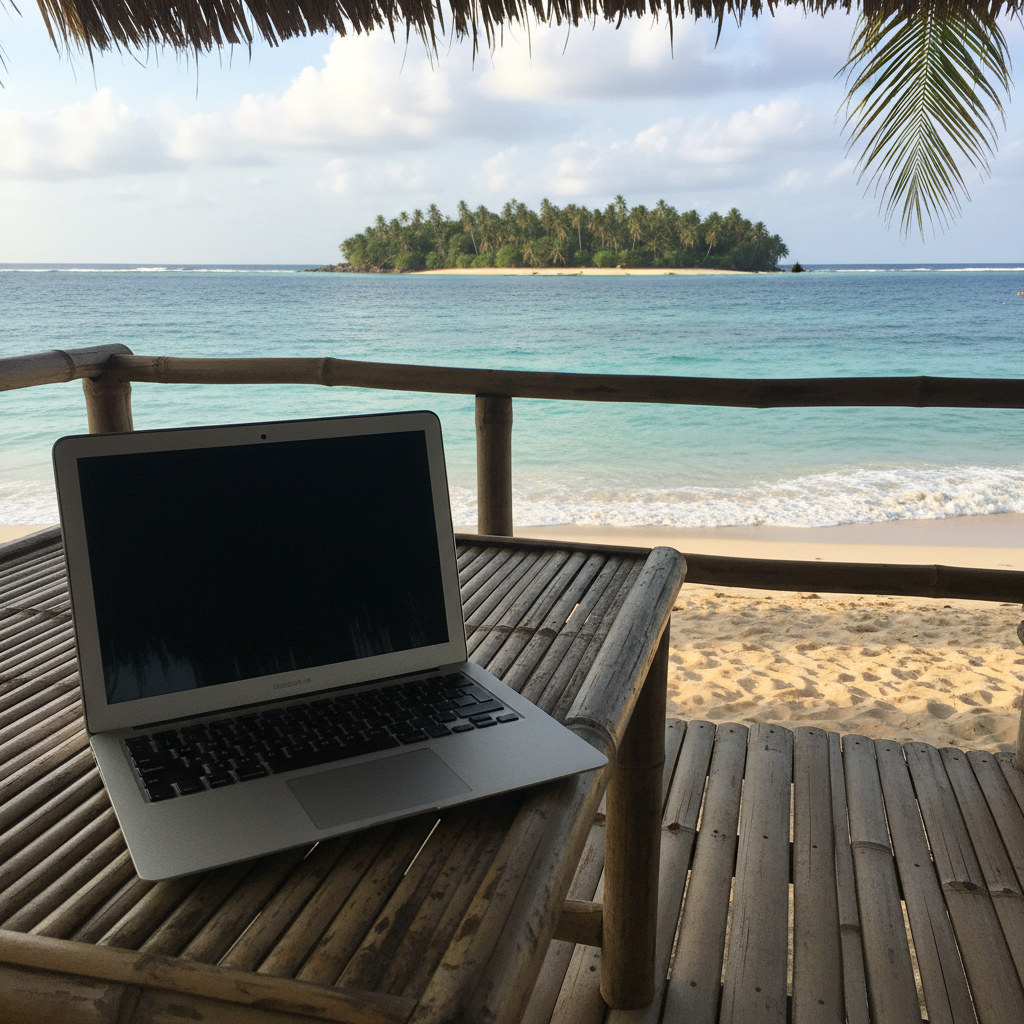
The Philippines has steadily cemented its position as a compelling destination for digital nomads seeking a blend of cultural richness, tropical landscapes, and a cost-effective lifestyle. As of July 2026, the archipelago offers a mature remote work infrastructure in key cities and emerging hubs, attracting professionals from various sectors. This evolving landscape is supported by a large English-speaking population, vibrant local communities, and a growing recognition of the economic benefits brought by the remote workforce. Understanding the practicalities from visa pathways to daily living expenses is crucial for those considering the move, ensuring a productive and fulfilling experience in this Southeast Asian nation.
Key Takeaways
- The Philippines is an increasingly popular destination for digital nomads due to its lower cost of living, warm climate, and extensive English-speaking population.
- Visa options for remote workers are evolving, with the Special Resident Retiree’s Visa (SRRV) and other long-stay visas often utilized, though a specific digital nomad visa is under ongoing discussion.
- Major hubs like Manila, Cebu, and emerging spots like Siargao and Palawan offer diverse environments, from urban convenience to laid-back island life, catering to varied preferences.
- Connectivity continues to improve across urban centers and popular tourist destinations, with reliable internet services becoming more widespread.
- Budgeting for daily expenses, accommodation, and transportation is key, as costs can vary significantly between metropolitan areas and provincial regions.
- Integration into local communities is facilitated by the welcoming culture and prevalent use of English, making networking and social engagement more accessible for nomads.
- Healthcare access and safety considerations are important aspects to research and plan for, with comprehensive travel insurance being a recommended essential.
The Philippines’ Growing Appeal for Digital Nomads
The allure of the Philippines for digital nomads extends beyond its scenic beaches and lush landscapes; it encompasses a unique cultural tapestry that fosters connection and exploration. Remote workers are drawn to the warmth of Filipino hospitality, the vibrant local cuisine, and the inherent affordability compared to Western nations. This blend creates an environment where a comfortable lifestyle is attainable without prohibitive financial strain, allowing nomads to invest more in experiences and personal growth. The country’s strategic location in Southeast Asia also serves as an advantageous base for exploring neighboring countries, adding another layer of appeal for globally minded individuals seeking extended travel.
Over the past few years, the Philippines has witnessed a steady increase in its digital nomad population, particularly in areas with developed infrastructure and a burgeoning expat scene. This growth has spurred local businesses to adapt, with an increasing number of cafes, co-working spaces, and accommodation options catering specifically to the needs of remote workers. The governmental discourse around attracting foreign talent and investment also indicates a proactive approach to supporting this demographic. These dynamics combine to create a supportive ecosystem where new arrivals can find resources and community, making the transition smoother and more inviting for those embarking on their nomadic journey.
The cultural experience in the Philippines is often cited as a significant draw. English is widely spoken, largely due to its history and educational system, which significantly reduces communication barriers for international visitors. This linguistic accessibility allows for deeper engagement with local communities, fostering friendships and a more immersive cultural experience. Nomads can easily participate in local festivals, culinary tours, and community events, which enriches their stay beyond just work. This ease of integration contributes to a feeling of belonging, a factor that many digital nomads prioritize when choosing a long-term base.
Furthermore, the relaxed pace of life in many Philippine destinations offers a counterpoint to the high-pressure environments often associated with remote work. While urban centers like Manila and Cebu provide all the amenities of modern living, the option to retreat to islands like Palawan or Siargao provides a sense of calm and natural beauty that promotes well-being. This diversity in lifestyle choices means that whether a nomad seeks bustling city life or tranquil beachside living, the Philippines can accommodate their preferences. The consistent tropical climate year-round is another attractive element, appealing to those looking to escape colder seasons elsewhere.
Navigating Visa and Immigration Requirements
Understanding the current visa landscape is essential for any digital nomad planning a long-term stay in the Philippines. As of July 2026, while a dedicated ‘digital nomad visa’ akin to those offered by some European nations is still under consideration and discussion within legislative bodies, remote workers typically utilize existing long-stay visa categories. The most common pathways include the 59-day tourist visa, extendable for up to two years, or for those meeting specific criteria, the Special Resident Retiree’s Visa (SRRV), which offers more flexible long-term residency options. The SRRV requires a minimum age of 50 and a deposit in a Philippine bank, making it suitable for a subset of the nomadic population.
For younger digital nomads or those not meeting the SRRV criteria, continuous extensions of a tourist visa are the primary method for extended stays. This process involves regular visits to the Bureau of Immigration office, which can be managed with relative ease in major cities. It is important to meticulously adhere to the extension schedules and requirements to avoid overstaying or incurring penalties. Seeking advice from immigration consultants or reputable legal professionals specializing in foreign residency can provide clarity and streamline the application process, ensuring compliance with all local regulations.
The Philippine government has expressed interest in developing more tailored solutions for remote workers, recognizing their economic contributions. Ongoing legislative efforts aim to simplify entry and residency for professionals who generate income from outside the country. Nomads should monitor official government announcements and immigration websites for updates on these potential new visa categories, as changes could significantly impact long-term planning and eligibility. Staying informed through official channels or trusted expat forums is a practical approach to keeping abreast of developments.
Another consideration for those intending to work remotely in the Philippines is the legal implications of their income source. Since their earnings are typically derived from foreign clients or employers, they are generally not subject to Philippine income tax, provided they are not performing services for local entities within the Philippines. However, it is always prudent to consult with an international tax advisor to understand specific tax obligations based on individual circumstances and country of origin. Proper documentation of income sources and residency status is key to maintaining a smooth legal standing during one’s stay in the archipelago.
Cost of Living and Budgeting for Nomadic Life
The cost of living in the Philippines is generally lower than in North America, Europe, or Australia, making it an attractive destination for budget-conscious digital nomads. Accommodation is often the largest expense, with options ranging from budget-friendly guesthouses and Airbnb rentals to more upscale apartments. In metropolitan areas like Manila or Cebu, a decent studio or one-bedroom apartment can range from $300 to $700 per month, depending on location and amenities. Outside these major cities, particularly in provincial towns or less developed islands, rental costs can drop significantly, sometimes to as low as $150-$250 per month for basic lodging.
Food expenses are also considerably lower, especially if one embraces local cuisine and markets. Eating out at local eateries (carinderias) can cost as little as $2-$4 per meal, while mid-range restaurants might charge $10-$20 per person. Groceries for home cooking are likewise affordable, with fresh produce, meats, and seafood readily available at wet markets or supermarkets. A monthly food budget of $200-$400 can be sufficient for a single person, depending on dietary preferences and cooking habits. Embracing the local culinary scene is not only cost-effective but also a rich cultural experience.
Transportation costs vary based on location. In cities, jeepneys and buses are very inexpensive, often costing less than a dollar for a ride. Ride-hailing apps like Grab are also widely available and offer convenient, affordable transport. For inter-island travel, ferries and domestic flights are the main options. Budget airlines offer reasonable fares if booked in advance. A monthly transportation budget of $50-$100 can cover daily commutes and occasional trips within a region. Personal vehicles are an option, but traffic in urban areas can be challenging, and public transport is often more practical.
Beyond the basics, miscellaneous expenses like utilities, internet, mobile data, and leisure activities should be factored in. Electricity can be relatively expensive, especially with heavy air-conditioning use, so budgeting around $50-$100 monthly is prudent. Internet and mobile data plans are affordable, typically costing $20-$40 per month for reliable service. Leisure activities, such as island hopping tours, diving, or historical site visits, vary in price but generally offer good value. A comprehensive monthly budget for a comfortable digital nomad lifestyle in the Philippines can range from $800 to $1,500, allowing for a balanced mix of work, exploration, and relaxation.
Top Destinations and Co-working Ecosystems
The Philippines offers a diverse range of destinations tailored to different digital nomad preferences, from bustling metropolises to serene island retreats. Manila, the capital, provides a comprehensive urban experience with high-speed internet, extensive co-working spaces, and a vibrant nightlife. Areas like Bonifacio Global City (BGC) and Makati are particularly popular, boasting modern infrastructure, international dining, and a strong expat community. While traffic can be a challenge, the convenience of city living and access to global amenities make it a functional base for many remote professionals.
Cebu City, often referred to as the ‘Queen City of the South,’ is another prime urban hub, offering a slightly more relaxed pace than Manila while still providing robust infrastructure. It features numerous co-working spaces, reliable internet, and proximity to stunning natural attractions. From Cebu, nomads can easily access popular dive sites, beaches, and historical landmarks. Its international airport simplifies regional and international travel, positioning Cebu as a convenient and dynamic base for those seeking a balance between city amenities and natural escape.
For those drawn to island life and adventure, Palawan stands out as a top contender. With destinations like El Nido and Coron, it offers unparalleled natural beauty, including limestone karsts, crystal-clear lagoons, and abundant marine life. While connectivity can be more variable here, improved satellite internet options and dedicated co-living spaces are making it increasingly viable for remote work. The slower pace of life, focus on outdoor activities, and vibrant backpacker community make it ideal for nomads prioritizing nature and a laid-back lifestyle.
Siargao Island, known as the surfing capital of the Philippines, has cultivated a reputation as a thriving digital nomad haven. Its laid-back surf culture, strong community vibe, and growing number of cafes and co-working spots attract a younger, more active demographic. While internet infrastructure continues to evolve, the communal aspect and focus on well-being make it a unique choice. Dumaguete, on Negros Oriental, also offers a more tranquil, academic environment with a lower cost of living and a friendly local community, often overlooked but holding appeal for those seeking a quieter, authentic Filipino experience.
Connectivity, Infrastructure, and Local Culture
Reliable internet connectivity is a cornerstone for any digital nomad, and the Philippines has made considerable strides in improving its telecommunications infrastructure over recent years. Major urban centers like Manila and Cebu now boast fiber optic connections and competitive service providers, offering speeds suitable for demanding remote work tasks, including video conferencing and large file transfers. Mobile data networks are also widely available, providing decent coverage in many populated areas, though performance can vary in more remote regions. Investing in a local SIM card from providers like Globe or Smart is essential for staying connected.
Beyond internet, other aspects of infrastructure are important. Electricity supply is generally stable in cities, but power outages can occasionally occur in more remote areas. It is advisable for nomads in such locations to have backup power solutions or choose accommodations with generators. Healthcare facilities are accessible in urban centers, with a range of public and private hospitals, but quality can vary. Comprehensive travel insurance that covers medical emergencies and potential evacuations is highly recommended for all long-term visitors.
The local culture is a defining element of the Philippine digital nomad experience. Filipinos are known for their hospitality, often going out of their way to assist visitors. This welcoming nature makes it easier for nomads to integrate, build local friendships, and navigate daily life. The prevalent use of English also significantly lowers the barrier to entry for cultural exchange and daily interactions. Engaging with locals, learning basic Tagalog phrases, and participating in community events can greatly enrich the overall experience and foster a deeper appreciation for the country.
Cultural etiquette in the Philippines emphasizes respect for elders, family values, and a generally polite demeanor. Understanding these nuances, such as using ‘po’ and ‘opo’ as terms of respect, can enhance interactions. Filipinos often have a strong sense of community and celebration, so nomads will find numerous opportunities to join in festivities, from town fiestas to national holidays. Embracing the local customs, even small gestures, will not only make one’s stay more pleasant but also open doors to more authentic experiences and stronger connections with the people and the place.
Building Community and Local Integration
Building a strong community is a crucial aspect of a fulfilling digital nomad experience, and the Philippines offers numerous avenues for connection. In popular nomad hubs like Siargao, El Nido, Cebu, and Manila, dedicated Facebook groups and local meetups facilitate networking among remote workers. These groups often organize social events, co-working sessions, and outdoor activities, providing a platform for new arrivals to meet like-minded individuals and find support. Engaging with these online and offline communities can help ease the transition and foster a sense of belonging among fellow travelers.
Co-working spaces play a significant role in community building, acting as central hubs where nomads can work, collaborate, and socialize. Establishments like ASPACE Philippines, Regus, and smaller independent co-working cafes are scattered across major cities. These spaces often host workshops, networking events, and casual get-togethers, creating organic opportunities for connection. Beyond just a place to work, they offer a sense of routine and social interaction that can be vital for maintaining mental well-being while working remotely in a foreign country.
Integrating with the local Filipino community is equally rewarding and often made easier by the English-speaking population and naturally friendly culture. Volunteering for local causes, joining sports clubs, or participating in community events are excellent ways to meet Filipinos and gain deeper cultural insights. Learning a few basic phrases in Tagalog or a local dialect can also go a long way in showing respect and fostering connections. These interactions can lead to authentic friendships and a more profound understanding of Filipino life beyond the typical tourist experience.
Another effective way to integrate is through shared interests and hobbies. Whether it’s joining a local yoga class, a diving group, or a hiking club, participating in activities that align with personal passions can create natural connections with both locals and other expats. Food is also a universal language, and exploring local markets, taking cooking classes, or simply sharing meals can be a powerful way to bond. Embracing these opportunities for social and cultural immersion is key to transforming a temporary stay into a rich and memorable chapter of a digital nomad’s journey in the Philippines.
“The Philippines presents a compelling case study in the evolution of digital nomad destinations. Its unique blend of hospitality, cultural depth, and developing infrastructure creates a distinct environment. While government policies continue to adapt to this new demographic, the organic growth of nomad communities and local entrepreneurial responses demonstrate a resilient and adaptable ecosystem for remote workers.”
— Dr. Elena Ramirez, Southeast Asian Migration Specialist, University of the Philippines Diliman
| Destination | Cost of Living (Monthly Est.) | Internet Reliability | Lifestyle/Vibe | Proximity to Nature | Co-working Spaces |
|---|---|---|---|---|---|
| Manila | $900 – $1500 | Excellent (Fiber Optic) | Bustling, Urban, Fast-paced | Limited (Day trips to mountains/beaches) | Abundant, Modern |
| Cebu City | $800 – $1300 | Very Good (Fiber Optic) | Urban, Balanced, Commercial Hub | Good (Beaches, mountains, islands nearby) | Several, Well-established |
| El Nido, Palawan | $700 – $1100 | Moderate (Improving, satellite options) | Relaxed, Island Adventure, Tourist-centric | Excellent (Lagoons, beaches, diving) | Few, Primarily co-living |
| Siargao Island | $600 – $1000 | Moderate (Improving, often satellite) | Surf Culture, Laid-back, Community-driven | Excellent (Surfing, beaches, rock pools) | Growing number, Cafes |
| Dumaguete | $500 – $800 | Good (Fiber Optic) | Quiet, Academic, Authentic Provincial | Good (Mountains, waterfalls, diving) | Few, Local cafes with Wi-Fi |
Frequently Asked Questions
What are the common visa options for digital nomads in the Philippines?
As of July 2026, digital nomads in the Philippines typically use existing long-stay visa categories, as a specific digital nomad visa is still under parliamentary review. The most common approach is to enter on a 59-day tourist visa, which can be extended multiple times for up to two years. For individuals aged 50 and above who can meet specific financial requirements, the Special Resident Retiree’s Visa (SRRV) offers a more permanent residency solution. It is essential to strictly adhere to extension schedules and immigration regulations to ensure a lawful and uninterrupted stay.
How reliable is the internet connectivity for remote work in the Philippines?
Internet reliability in the Philippines has significantly improved, particularly in major urban centers such as Manila and Cebu. These areas offer access to fiber optic connections from providers like PLDT and Globe, providing speeds sufficient for most remote work demands, including video calls and cloud-based applications. In more remote island destinations like Siargao or Palawan, connectivity can be more variable, though satellite internet options and an increasing number of co-working spaces with robust Wi-Fi are making these locations more viable for remote workers. Mobile data coverage is generally good in populated areas.
What is the typical cost of living for a digital nomad in the Philippines?
The cost of living for a digital nomad in the Philippines is considerably lower than in many Western countries, allowing for a comfortable lifestyle on a modest budget. A realistic monthly budget for a single person can range from $800 to $1,500, depending on location and lifestyle choices. This typically covers accommodation, food, local transportation, utilities, and some leisure activities. Rent in major cities might be $300-$700 for a studio, while local meals can cost as little as $2-$4. Budgeting carefully and embracing local options can significantly reduce overall expenses.
Which are the best locations in the Philippines for digital nomads?
The best locations depend on a digital nomad’s preferences. Manila and Cebu City offer comprehensive urban amenities, reliable internet, and diverse co-working spaces, ideal for those who prefer city life. For island enthusiasts, El Nido and Coron in Palawan provide breathtaking natural beauty and a relaxed pace, though internet can be less consistent. Siargao Island is a popular choice for surfers and those seeking a strong community vibe, with a growing infrastructure for remote workers. Dumaguete offers a quieter, more authentic provincial experience with a lower cost of living and a friendly local atmosphere.
How can digital nomads integrate into local communities in the Philippines?
Integrating into local communities in the Philippines is often made easy by the inherent hospitality of Filipinos and the widespread use of English. Digital nomads can foster connections by participating in local events, joining sports clubs, or volunteering for community initiatives. Engaging with local businesses, trying traditional cuisine, and learning basic Tagalog phrases also demonstrate respect and open doors to deeper cultural exchange. Additionally, co-working spaces and dedicated digital nomad online groups frequently organize meetups and social gatherings, providing avenues to connect with both fellow nomads and local residents.