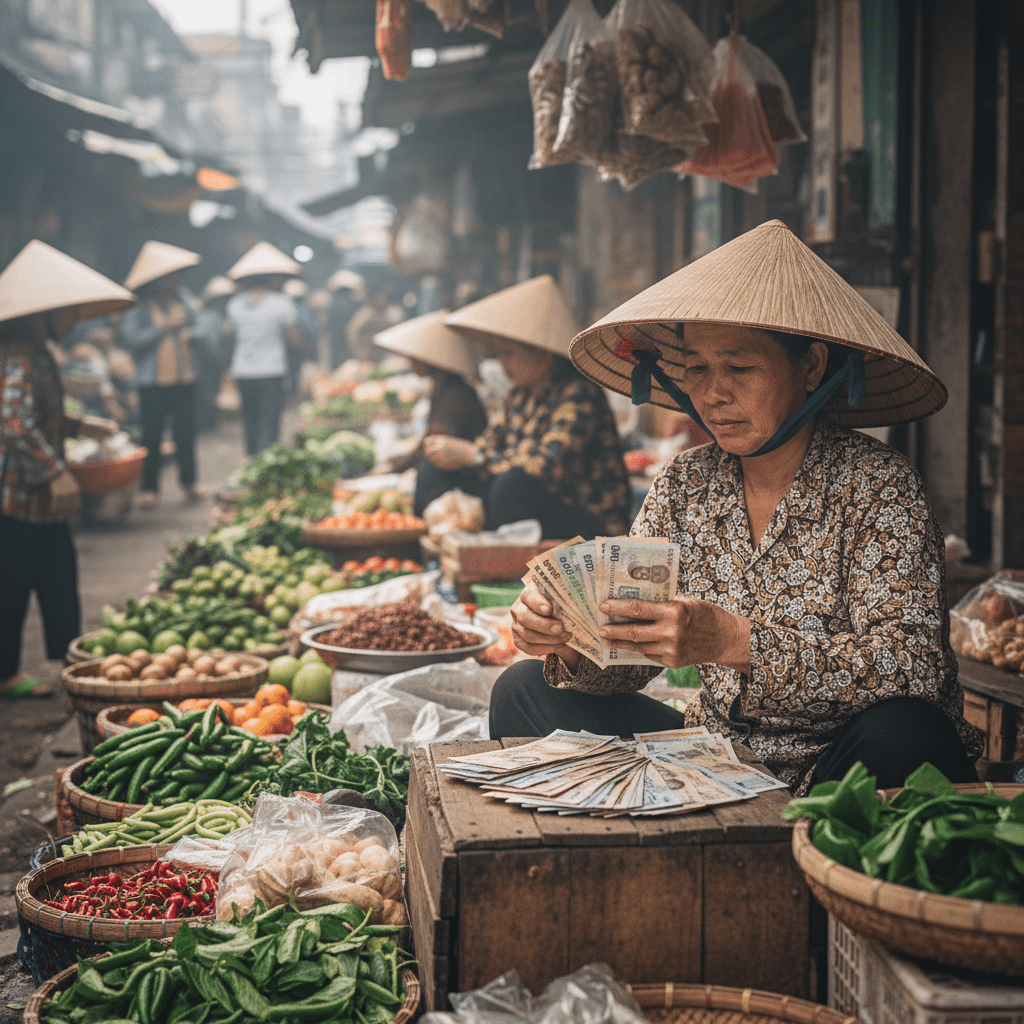
As of July 2026, Vietnam continues to stand out as a premier destination for individuals seeking an affordable yet culturally rich lifestyle, presenting a compelling alternative to higher-cost regions globally. The country’s dynamic economy and welcoming atmosphere have attracted a growing number of expats and digital nomads, all looking to maximize their budgets without compromising on experience. While popular hubs like Ho Chi Minh City and Hanoi remain attractive, a deeper dive reveals numerous less-publicized locales offering even greater financial advantages, coupled with authentic immersion into Vietnamese life. This guide will navigate the diverse landscape of Vietnam’s most budget-friendly cities, providing insights into where your money can stretch furthest, allowing for a comfortable and engaging existence.
Key Takeaways
- Vietnam consistently ranks among the most affordable countries for long-term residents, with significant cost savings compared to Western nations.
- Major cities like Hanoi and Ho Chi Minh City offer affordability, but smaller, emerging cities present even greater value for money.
- Housing constitutes the largest variable expense; choosing local apartments over serviced options can dramatically reduce costs.
- Local markets and street food provide nutritious and inexpensive dining options, vital for budget management.
- Understanding visa requirements and securing adequate health insurance are crucial steps for anyone considering a move to Vietnam.
- Public transportation and motorcycles are the most cost-effective ways to navigate Vietnamese cities, minimizing travel expenses.
- Learning basic Vietnamese phrases can enhance daily life, foster community connections, and unlock local pricing advantages.
Understanding Vietnam’s Cost of Living Landscape in 2026
Vietnam’s appeal for budget-conscious individuals is rooted in its generally lower cost of living across most categories, a trend that has persisted into 2026. While inflation affects all economies, Vietnam has managed to maintain a competitive edge, especially when compared to North American or European standards. Essential expenses like groceries, transportation, and dining out are often a fraction of what they would cost in many developed nations. However, it is important to note that costs can vary significantly depending on whether one chooses to live in a bustling metropolis or a quieter provincial town, with major urban centers typically commanding higher prices, particularly for accommodation.
The primary determinant of overall living expenses in Vietnam is rent, which can fluctuate wildly based on location, size, and amenities. A modern apartment in a central district of Ho Chi Minh City or Hanoi will naturally be more expensive than a similar property in a less central area or a smaller city like Can Tho. Beyond rent, utilities, internet, and mobile services are generally affordable, contributing to a manageable monthly budget. Food costs are also remarkably low, especially for those willing to embrace local cuisine and shop at wet markets. Understanding these variables is the first step in identifying the cheapest places to live.
Healthcare, while generally accessible, requires careful planning for expats. Public healthcare can be very affordable, but private clinics offer Western-standard care at a higher, though still reasonable, cost compared to many Western countries. Expats are advised to secure international health insurance to cover potential medical emergencies or complex treatments. Education, for those with families, can also be a significant expense if international schools are chosen, but local schools are an option at a considerably lower price point. These elements factor into the holistic view of affordability.
Ultimately, a comfortable and cheap lifestyle in Vietnam in 2026 is highly attainable for those who adopt local habits and are flexible with their expectations. By prioritizing local markets for groceries, utilizing public transport or a scooter, and seeking accommodation outside the most expensive central districts, one can significantly extend their financial runway. The country offers a rich tapestry of experiences, from vibrant street life to serene natural landscapes, all available within a budget that many find surprisingly accommodating, making it a viable long-term home for many.
Hanoi: Northern Charm and Budget-Friendly Living
Hanoi, Vietnam’s historic capital, offers a compelling balance of cultural depth and affordability, making it a strong contender for those seeking a cheap place to live. While its cost of living is higher than smaller towns, it remains considerably lower than major Western cities. Rent for a modest one-bedroom apartment in a non-central but well-connected district like Tây Hồ (West Lake) or Cầu Giấy can range from $350 to $550 USD per month. These areas offer a mix of local life and expat amenities, providing a comfortable environment without the premium prices of the Old Quarter.
Food expenses in Hanoi are particularly low, especially if one embraces the abundant street food culture. A delicious bowl of phở or bún chả can be had for $1.50 to $3 USD, making daily meals incredibly economical. Even dining in local restaurants rarely exceeds $5-7 USD per person. Grocery shopping at local markets, such as Đồng Xuân Market, allows for fresh produce, meat, and staples at a fraction of supermarket prices. This culinary landscape is a significant factor in maintaining a low monthly budget, appealing directly to those prioritizing cost savings.
Transportation within Hanoi is also very affordable. The city boasts an extensive network of public buses, with fares typically under $0.50 USD per ride. Ride-hailing apps like Grab (for motorbikes and cars) are widely available and provide convenient, low-cost transport options. Many expats also opt to purchase or rent a scooter, which offers flexibility and further reduces daily travel expenses. The minimal cost of daily commutes contributes substantially to the overall budget-friendliness of living in the capital, making it a practical choice for many.
Beyond the basics, Hanoi offers a wealth of free or low-cost activities, from exploring ancient temples and serene lakes to participating in cultural events. The city’s numerous parks provide green spaces for relaxation and exercise, while its vibrant art scene often features affordable exhibitions and performances. The combination of historical charm, a dynamic urban environment, and consistently low daily expenses solidifies Hanoi’s position as an attractive and cheap place to live in Vietnam for those who appreciate a bustling yet affordable capital city experience.
Da Nang and Hoi An: Central Coast Value Proposition
Da Nang, situated on Vietnam’s central coast, has rapidly emerged as a popular choice for expats due to its modern infrastructure, beautiful beaches, and particularly attractive cost of living. It strikes a balance between urban convenience and a relaxed coastal lifestyle, often at a lower price point than Hanoi or Ho Chi Minh City. A contemporary one-bedroom apartment near the beach or city center can be found for $300 to $500 USD per month, offering excellent value for money. The city’s clean environment and growing expat community also add to its allure.
Just a short drive from Da Nang, the ancient town of Hoi An presents a different, albeit still affordable, living experience. While its tourist-centric nature can mean slightly higher prices for some goods, living in the outskirts or in surrounding villages offers a quaint and significantly cheaper alternative. Rent for a basic home or apartment can drop to $250-400 USD per month. Many expats choose to live in Da Nang and commute to Hoi An for its charm, or vice-versa, leveraging the affordability of both locations.
Food costs in Da Nang are very manageable, benefiting from its proximity to the ocean, ensuring fresh and inexpensive seafood. Local eateries and street vendors offer meals for $2-4 USD, while mid-range restaurants are also reasonably priced. Hoi An’s culinary scene, famous for its regional specialties, also provides budget-friendly options if one ventures away from the main tourist streets. Cooking at home with ingredients from local markets is always the most economical choice in both cities.
Transportation is straightforward and inexpensive in the central region. Motorbikes are the primary mode of personal transport, with rentals being very affordable. Ride-hailing services like Grab are also prevalent. Da Nang boasts an international airport, simplifying travel, while both cities offer a relaxed pace of life ideal for those seeking a balance between natural beauty and urban amenities without breaking the bank. The combination of coastal living and low expenses positions this region as a prime cheap place to live in Vietnam.
Ho Chi Minh City: Southern Hub with Budget Options
Ho Chi Minh City, the bustling economic heart of Vietnam, often surprises newcomers with its accessible cost of living despite its status as a major metropolis. While certainly more expensive than provincial towns, smart choices can make HCMC an affordable place for expats. Rent is the largest variable; a modern studio or one-bedroom apartment in a popular expat district like District 2 or District 7 can range from $450 to $700 USD. However, venturing into less central but well-connected districts such as Bình Thạnh, Phú Nhuận, or even parts of District 4 can bring rents down to $300-500 USD for comparable quality.
The city’s vibrant food scene is a major draw and an ally for budget management. Street food stalls and local cơm tấm (broken rice) shops offer delicious and filling meals for $1.50 to $3 USD. Even mid-range restaurants are typically much cheaper than their Western equivalents. Grocery shopping at traditional markets, like Bến Thành Market or smaller local ones, provides fresh produce and meats at significantly lower prices than international supermarkets. This makes daily sustenance remarkably inexpensive, contributing to the city’s overall affordability.
Transportation in Ho Chi Minh City is predominantly by motorbike. Owning or renting one is common, with rental costs around $50-100 USD per month. Ride-hailing apps such as Grab and Gojek offer very inexpensive options for motorbike taxis and cars, making it easy and cheap to get around the sprawling city. Public buses are also available and are the most economical choice, albeit slower. The extensive, low-cost transport network ensures that navigating the city remains budget-friendly.
Ho Chi Minh City offers a dynamic lifestyle with countless opportunities for entertainment, networking, and cultural experiences, many of which are free or low-cost. From exploring historical sites and museums to enjoying vibrant nightlife and coffee shop culture, there’s always something to do without excessive spending. For those who thrive in a fast-paced urban environment but still need to manage their finances, HCMC presents itself as a viable and surprisingly cheap place to live in Vietnam, provided one makes conscious choices about accommodation and daily habits.
Emerging Gems: Hue, Can Tho, and Quy Nhon for Deeper Savings
For individuals seeking even deeper savings and a more authentic Vietnamese experience, several emerging cities offer compelling alternatives to the major hubs. Hue, the former imperial capital, is rich in history and culture, boasting a significantly lower cost of living than Hanoi or Da Nang. A comfortable one-bedroom apartment can be rented for as little as $200-350 USD per month. The pace of life is slower, and the local cuisine, renowned for its delicate flavors, is incredibly inexpensive, making it an ideal location for those prioritizing tranquility and cultural immersion on a budget.
Can Tho, the largest city in the Mekong Delta, offers a unique riverine lifestyle at a very attractive price point. Rent for a modern apartment typically falls within the $200-400 USD range. The city is famous for its floating markets and fresh produce, ensuring extremely low food costs. Life here revolves around the Mekong River, providing a peaceful environment far removed from the hustle of larger cities. Can Tho is perfect for those who appreciate natural beauty and a relaxed atmosphere while keeping expenses to a minimum, solidifying its position as a truly cheap place to live in Vietnam.
Quy Nhon, a coastal city in Bình Định province, is another hidden gem that is gaining recognition for its pristine beaches and burgeoning tourism, all while maintaining a remarkably low cost of living. Monthly rent for a well-located apartment can be as low as $250-450 USD. The city offers a laid-back beach lifestyle with fresh seafood and local delicacies available at very affordable prices. Quy Nhon provides an excellent option for those desiring a coastal escape without the higher costs associated with more established beach destinations like Nha Trang or Da Nang, offering significant value.
These lesser-known cities provide an opportunity to experience Vietnam without the premium prices of its more famous counterparts. They offer a chance to integrate more deeply into local communities, practice Vietnamese, and discover aspects of the country often overlooked by mainstream tourism. For expats and digital nomads who are genuinely committed to living frugally and exploring the true essence of Vietnam, places like Hue, Can Tho, and Quy Nhon represent the pinnacle of affordable living in 2026, offering a high quality of life on a modest budget.
Practical Considerations for Affordable Living in Vietnam
Beyond choosing an affordable city, several practical considerations can further enhance a budget-friendly lifestyle in Vietnam. Visa requirements are paramount; understanding the long-term visa options, such as business visas or extended tourist visas (where applicable), is essential for sustained residency. Regular visa runs or renewals can add to costs, so planning an appropriate visa strategy from the outset is crucial. Consulting with an immigration expert in Vietnam can provide clarity and help navigate the complexities, ensuring legal and uninterrupted stays, which indirectly saves money by avoiding penalties or unexpected travel.
Healthcare access and insurance are also critical. While public hospitals are inexpensive, language barriers and differing standards can be challenging. Many expats opt for private clinics for routine care, which are more costly but still reasonable. Investing in a comprehensive international health insurance policy that covers Vietnam is strongly advised to protect against unexpected medical emergencies, which can quickly erode savings. A robust insurance plan is not an expense but an investment in peace of mind and financial security for long-term residents.
Banking and financial management warrant attention. Setting up a local bank account can simplify daily transactions and reduce foreign exchange fees. However, initial setup might require specific visa types or proof of residency. Many expats initially rely on international debit/credit cards and transfer services, but a local account eventually streamlines finances. Understanding exchange rates and avoiding unnecessary conversion fees can save a considerable amount over time, contributing to overall affordability.
Finally, embracing local culture and language can significantly impact one’s budget and quality of life. Learning basic Vietnamese phrases allows for better negotiation at markets, easier interactions with locals, and access to services at local prices rather than ‘foreigner’ rates. Integrating into local communities often leads to discovering cheaper local haunts and services. Utilizing public transport, eating local food, and living in less expat-heavy areas are all choices that, when combined, make living in Vietnam not just cheap, but also deeply rewarding and enriching.
“Vietnam offers an unparalleled blend of vibrant culture and economic viability for long-term residents in 2026. The real secret to truly affordable living lies not just in choosing a smaller city, but in embracing the local lifestyle entirely. Engage with local markets, utilize public transport, and invest in learning basic Vietnamese. These seemingly small choices collectively create a sustainable and deeply rewarding experience that maximizes your budget without sacrificing depth of experience.”
— Dr. Anh Le, Southeast Asia Relocation Consultant
| City | Average 1-Bedroom Rent (USD/month) | Average Monthly Food Costs (USD) | Average Monthly Local Transport (USD) | Overall Affordability Rating (1-5, 5 being cheapest) |
|---|---|---|---|---|
| Ho Chi Minh City | $350 – $700 | $150 – $250 | $30 – $60 | 3 |
| Hanoi | $350 – $650 | $140 – $240 | $25 – $50 | 3.5 |
| Da Nang | $300 – $550 | $130 – $220 | $20 – $45 | 4 |
| Hue | $200 – $350 | $100 – $180 | $15 – $35 | 4.5 |
| Can Tho | $200 – $400 | $100 – $180 | $15 – $30 | 5 |
| Quy Nhon | $250 – $450 | $110 – $190 | $15 – $35 | 4.5 |
Frequently Asked Questions
What is the average monthly budget for a single person living cheaply in Vietnam?
A single person aiming for a very affordable lifestyle in a smaller Vietnamese city can expect a monthly budget ranging from $600 to $900 USD. This typically covers rent for a modest apartment, daily food from local markets and street vendors, basic utilities, and local transportation. In larger cities like Hanoi or Ho Chi Minh City, the same lifestyle might push the budget closer to $800-$1200 USD due to slightly higher accommodation costs. Careful budgeting and embracing local customs are key to staying within these ranges.
Are there specific visa types that make living in Vietnam more affordable long-term?
For long-term affordable living, securing the right visa is crucial. While tourist visas (often extendable) are common for initial stays, a business visa (DN visa) or a work permit (LĐ visa) tied to employment is generally more stable and cost-effective in the long run. These visas allow for longer stays without frequent renewals or visa runs, which can add significant expense and inconvenience. Consulting with a local visa agent to understand the most suitable and legally compliant option for your specific circumstances is highly recommended to avoid unforeseen costs.
How much does accommodation typically cost in the cheapest places in Vietnam?
In Vietnam’s most affordable cities such as Hue, Can Tho, or Quy Nhon, accommodation costs are notably low. A comfortable one-bedroom apartment or a room in a shared house can be rented for as little as $200 to $400 USD per month. These prices are for local-standard housing, which often includes basic furnishings and amenities. While central locations in major cities will be higher, these smaller cities provide excellent value without compromising on quality for the budget-conscious resident.
Is it easy to find cheap, healthy food options in Vietnam?
Vietnam is renowned for its incredibly cheap and healthy food options. Local markets (wet markets) offer fresh produce, meats, and seafood at very low prices, making home cooking highly economical. Street food stalls and local eateries provide delicious, freshly prepared meals for just a few dollars, often packed with vegetables, lean proteins, and flavorful herbs. Embracing Vietnamese cuisine is not only a cultural experience but also a significant advantage for maintaining a low monthly food budget while enjoying nutritious meals.
What are the most cost-effective transportation methods for daily life in Vietnam?
The most cost-effective transportation methods in Vietnam for daily life are motorbikes and public buses. Renting a motorbike costs approximately $50-100 USD per month and offers great flexibility. Ride-hailing apps like Grab and Gojek provide very affordable motorbike taxis (xe ôm) and cars for short to medium distances. Public buses are the absolute cheapest option in major cities, with fares typically under $0.50 USD per ride. Utilizing a combination of these ensures efficient and budget-friendly mobility.