Singapore often garners a reputation for its high cost of living, a perception that can deter many contemplating a move or extended stay in the city-state. While it is true that certain aspects of life here, particularly private housing and vehicle ownership, command a premium, finding an affordable place to live within Singapore’s vibrant urban fabric is not an insurmountable challenge. This guide delves into the practical realities and strategic approaches required to secure cost-effective accommodation, dispelling myths and highlighting genuine opportunities. By understanding the local housing market, particularly the robust public housing sector and various rental options, individuals can comfortably establish themselves without compromising financial stability. This exploration aims to equip prospective residents with the knowledge to navigate Singapore’s housing landscape effectively and identify genuinely cheap places to reside.
Key Takeaways
- HDB (Housing & Development Board) flats represent the most affordable housing option in Singapore, available for both rental and purchase by eligible residents.
- Specific neighborhoods like Jurong West, Woodlands, Yishun, Sengkang, and Punggol generally offer lower rental rates compared to central or east coast districts.
- Renting a room in a shared HDB flat or considering co-living spaces can significantly reduce accommodation costs compared to renting an entire unit.
- Public transportation is efficient and widespread, making it feasible to live in suburban areas and commute without incurring high transport expenses.
- Adopting a lifestyle that prioritizes hawker centers for meals and utilizing local amenities can help manage overall living costs effectively.
- Understanding rental market dynamics, including lease terms and agent fees, is crucial for securing a favorable agreement without unexpected charges.
- Long-term budgeting and awareness of utility costs are important considerations beyond just the monthly rent to maintain an affordable lifestyle.
Understanding Singapore’s Housing Landscape
Singapore’s housing market is unique, largely shaped by the government’s proactive role in providing affordable public housing through the Housing & Development Board (HDB). Unlike many other global cities where private rentals dominate, HDB flats house over 80% of the resident population. This extensive public housing program plays a pivotal role in maintaining overall affordability, even amidst rising property values in the private sector. For those seeking a cheap place to live, understanding the distinction between HDB flats and private condominiums or landed properties is the foundational step. The market’s dual nature means that while luxury options exist, well-maintained and accessible affordable housing is also readily available.
The perception of Singapore being an expensive city often stems from comparisons with its private property market, which serves a different segment of the population. However, the HDB ecosystem offers a robust alternative, designed to cater to diverse income levels. This system not only provides direct ownership opportunities but also an active rental market for those who are not eligible to purchase or prefer renting. Navigating this landscape requires specific knowledge about eligibility criteria, location advantages, and the nuances of rental agreements. Prospective residents need to look beyond general headlines and delve into the specifics of each housing type to uncover the genuine affordability that Singapore offers.
Market trends in the past few years have shown a steady appreciation in property values, driven by strong demand and limited land supply. However, the government continuously implements measures to cool the market and ensure affordability, particularly within the HDB sector. These interventions include grants for first-time buyers and regulations on rental practices. As of mid-2026, the market remains stable, with HDB resale prices showing measured growth, while private rents have seen some adjustments. This creates a dynamic environment where opportunities for affordable living can still be found by those who are informed and strategic in their search.
Foreigners and permanent residents (PRs) face different regulations when accessing HDB housing, primarily being restricted to the resale market for purchases or rental units. Direct purchase of new HDB flats is generally reserved for Singapore citizens. However, the rental market for HDB units is quite accessible to non-citizens, making it a primary avenue for finding affordable accommodation. Understanding these distinctions is crucial, as it directly impacts the available options and the process of securing a home. The focus for budget-conscious individuals often shifts towards renting rooms or entire HDB units in less central but well-connected neighborhoods.
HDB Flats: The Backbone of Affordable Living
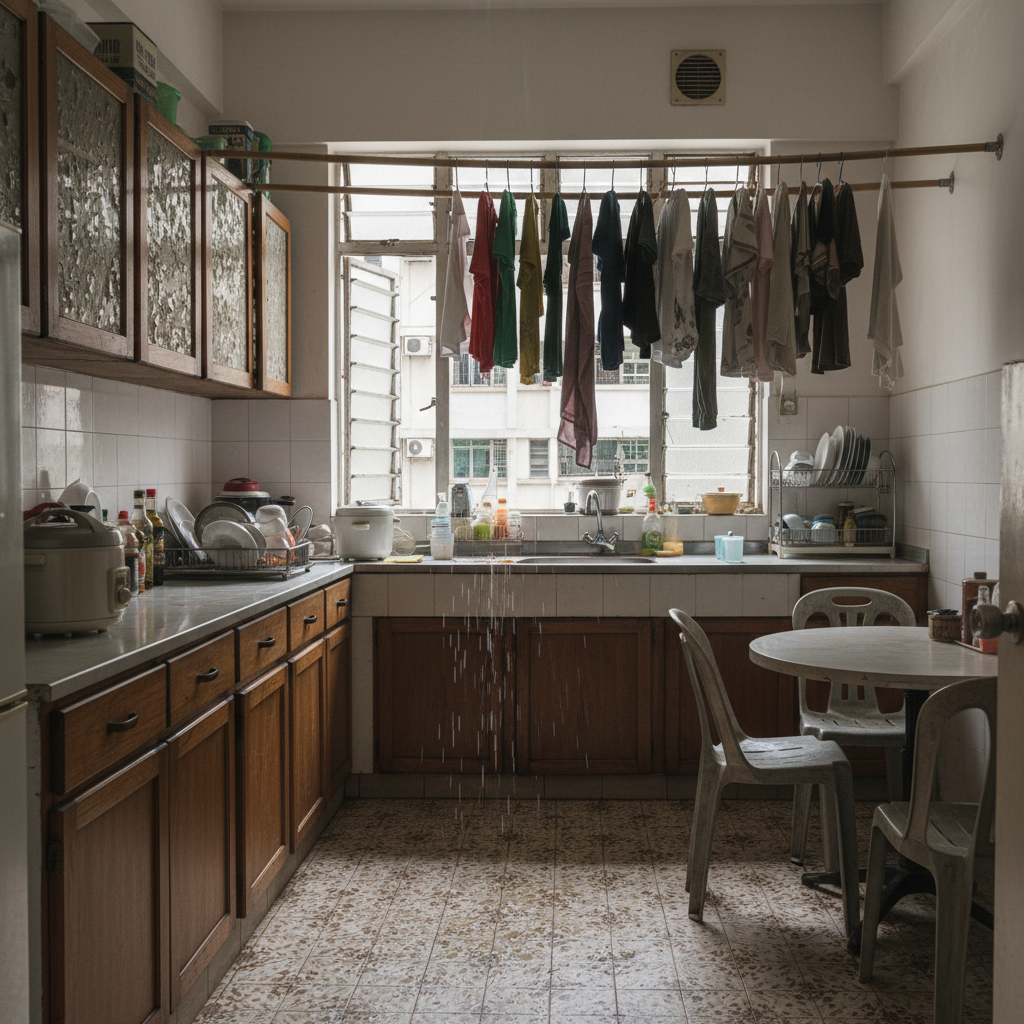
HDB flats are the cornerstone of affordable living in Singapore, representing a significant portion of the residential properties available. These apartment blocks are meticulously planned, often integrated with amenities such as hawker centers, wet markets, community centers, and schools, creating self-sufficient neighborhoods. Flats vary in size, from smaller 2-room units suitable for individuals or couples, to 3-, 4-, 5-room units, and larger executive apartments designed for families. The architectural design and maintenance standards of HDB estates are consistently high, providing comfortable living environments despite their affordability.
For those seeking a cheap place to live, renting an HDB flat or a room within one is often the most practical solution. Rental prices for HDB units are considerably lower than those for private condominiums or serviced apartments. The cost varies significantly depending on the flat’s size, its specific location within an estate, proximity to MRT stations, and the overall condition of the unit. Larger units in prime locations will naturally command higher rents, but suburban areas consistently offer more budget-friendly options without compromising on connectivity or essential services.
Eligibility criteria for renting HDB flats are relatively straightforward for non-citizens. Generally, individuals must be at least 18 years old and hold a valid immigration pass (e.g., Employment Pass, S Pass, Work Permit, Student Pass, or Dependant’s Pass). There are also restrictions on the maximum number of tenants allowed in a flat, which varies by flat size, ensuring comfortable living conditions. Landlords are also required to register their tenancy with HDB, providing a layer of security and official recognition to the rental agreement, which protects both parties.
The process of finding an HDB rental typically involves engaging a property agent or searching through online property portals. It is advisable to view several properties to gain a realistic understanding of the market rates and available options in different areas. Lease agreements are usually for a minimum of six months, with one-year or two-year leases being common. Negotiating the rental price, understanding the security deposit terms, and clarifying responsibilities for utilities and maintenance are critical steps before signing any agreement. Being prepared and informed can prevent unexpected costs and ensure a smooth rental experience in an HDB property.
Key Neighborhoods for Budget-Conscious Renters
When searching for a cheap place to live in Singapore, certain neighborhoods consistently emerge as favorable options for budget-conscious renters. Areas further from the central business district, but still well-served by public transport, tend to offer significantly lower rental prices. Jurong West, located in the western region, is a popular choice known for its mature estates, comprehensive amenities, and direct MRT links. It boasts various HDB developments, educational institutions, and shopping malls, making it a self-sufficient and practical place to reside for individuals and families alike.
Woodlands, situated in the north, also presents appealing rental opportunities. This large residential town benefits from its proximity to Malaysia (Johor Bahru), which can influence local commerce and lifestyle. Woodlands offers a diverse range of HDB flat types, and its residents enjoy good access to various amenities, including Causeway Point shopping mall and various parks. The Thomson-East Coast Line (TEL) extension has further improved its connectivity to the city center, making it an even more attractive option for those seeking affordability without isolation.
Yishun, another northern town, is another location frequently cited for its relatively lower rental costs. It has undergone extensive redevelopment in recent years, introducing new recreational facilities and enhanced public services. While it may have historically carried a certain reputation, modern Yishun offers renovated HDB blocks, a revamped shopping mall (Northpoint City), and a well-connected bus interchange and MRT station. Its continued development ensures residents have access to all necessary conveniences within their immediate vicinity.
In the northeast, Sengkang and Punggol stand out as newer, rapidly developing towns that offer competitive rental rates. These areas are characterized by their modern HDB estates, comprehensive public transport networks (including LRT systems that connect to the MRT), and abundant green spaces. Punggol, in particular, is envisioned as an eco-town, featuring waterfront living and cycling paths, appealing to those who appreciate a greener environment. While these areas are further from the city center, their excellent connectivity and newer infrastructure often make them attractive and affordable choices for many residents.
Rental Market Dynamics and Strategies
Navigating Singapore’s rental market requires strategic thinking, especially when aiming for affordability. The market is competitive, and understanding its dynamics can significantly influence one’s success in securing a cheap place to live. One key strategy involves considering room rentals instead of entire units. Renting a single room within a shared HDB flat is often the most budget-friendly option, particularly for expatriates or single professionals. This typically means sharing common spaces like the living room, kitchen, and bathroom with the landlord or other tenants, which can lead to considerable savings on monthly expenses.
Lease terms are another critical aspect. Most rental agreements in Singapore stipulate a minimum lease period of six months, with one-year or two-year contracts being more common. Shorter leases often come with a premium, so committing to a longer term, if feasible, can sometimes result in a slightly lower monthly rate. It is important to thoroughly read and understand all clauses in the tenancy agreement, including provisions for early termination, maintenance responsibilities, and the return of the security deposit, which is typically one to two months’ rent.
Beyond the advertised rent, prospective tenants should be aware of potential hidden costs. These can include agent fees, although typically the landlord pays their agent, and the tenant may pay their own agent if they use one. Stamp duty, a tax levied on tenancy agreements, is also payable by the tenant, though it is usually a small amount. Utility bills (electricity, water, gas) are generally separate from the rent and can vary significantly based on consumption and air-conditioning usage. Internet services are also typically arranged and paid for by the tenant, so factoring these into the overall budget is essential.
Timing can also play a role in securing better deals. The rental market can experience fluctuations based on academic calendars and expatriate relocation cycles. Searching during off-peak periods might provide more negotiation leverage. Additionally, being proactive in property searches and being prepared with necessary documents (such as your employment pass or student pass) can expedite the process. Building a good rapport with property agents and landlords can also be beneficial, as strong communication often leads to smoother negotiations and a more pleasant tenancy.
Beyond Rent: Managing Daily Expenses
While securing a cheap place to live is a primary concern, managing daily expenses effectively is equally important for maintaining an affordable lifestyle in Singapore. Food costs can be significantly reduced by embracing the local hawker culture. Singapore’s hawker centers offer a vast array of delicious and affordable meals, with a full meal typically costing between S$4 and S$7. This contrasts sharply with restaurant dining, which can quickly add up. Learning to appreciate and frequent hawker centers is one of the most effective ways to keep food budgets in check without compromising on quality or variety.
Transportation is another area where substantial savings can be made. Singapore boasts an extensive, efficient, and affordable public transportation network, comprising MRT (Mass Rapid Transit) trains and bus services. A journey across the island rarely costs more than a few dollars, especially with an EZ-Link card. Owning a car in Singapore is exceptionally expensive due to high vehicle taxes, COE (Certificate of Entitlement) costs, and petrol prices. Opting for public transport, cycling, or ride-sharing services is crucial for anyone on a budget, and the excellent connectivity makes this a viable and convenient choice.
Utilities, while seemingly small, can add up, especially with heavy air-conditioning usage in Singapore’s tropical climate. Being mindful of electricity consumption, using energy-efficient appliances, and limiting air-con use can lead to noticeable savings on monthly bills. Water is also a metered utility, so conservative usage is advisable. Understanding your landlord’s policy on utility payments – whether they are included in rent or separate – is important to avoid surprises. Internet and mobile phone plans are relatively competitive, with various providers offering plans suitable for different budgets.
Entertainment and leisure activities also present opportunities for cost management. While Singapore offers many high-end attractions, there are also numerous free or low-cost options such as public parks, nature reserves, community events, and free museum days. Exploring local neighborhoods, engaging in outdoor activities, and taking advantage of free public facilities can provide ample entertainment without straining the wallet. Smart budgeting across all categories, not just housing, is essential for a truly affordable experience in Singapore, allowing residents to enjoy the city-state’s offerings without financial stress.
Co-Living and Shared Accommodation
For those seeking even more economical living arrangements, co-living spaces and shared accommodations have emerged as increasingly popular options in Singapore. Co-living provides a hybrid model between traditional rentals and hotels, offering furnished rooms or studios within a larger property, often with shared communal facilities like kitchens, lounges, and sometimes even gyms or swimming pools. These arrangements often include utilities, internet, and sometimes even cleaning services in a single monthly fee, simplifying budgeting and reducing initial setup costs.
The appeal of co-living lies not only in its cost-effectiveness but also in the community aspect it fosters. Residents, often young professionals or expatriates, enjoy opportunities for social interaction and networking within a ready-made community. While a co-living room might be slightly more expensive than renting a room in a traditional HDB flat, the added amenities, furnished status, and simplified billing can make it a compelling value proposition. These spaces are typically located in various districts, including city-fringe areas, offering good connectivity.
Shared accommodation, beyond formal co-living brands, refers to simply renting a room in an apartment shared with other individuals, often directly from a landlord or via property platforms. This can be an HDB flat or a private condominium unit. This model often presents the cheapest per-person cost, particularly if one is willing to share a bedroom with another individual, though this is less common for long-term stays. The key here is finding compatible housemates and ensuring clear communication regarding shared responsibilities and expectations to maintain a harmonious living environment.
When considering shared accommodation or co-living, it’s crucial to understand what is included in the stated price. Clarify utilities, internet, cleaning schedules, and any usage limitations on shared facilities. Visiting the property and meeting potential housemates or the co-living operator beforehand is always recommended to ensure the environment aligns with one’s lifestyle and preferences. These options offer flexibility and can be particularly beneficial for short-to-medium term stays or for individuals who value convenience and community as much as cost savings in their search for a cheap place to live.
Future Outlook and Sustainable Living
Looking towards the future, Singapore’s commitment to urban planning and sustainable development continues to shape its housing landscape, potentially influencing long-term affordability. The government consistently reviews and adjusts housing policies to cater to the evolving needs of its population, including managing supply and demand. New HDB towns are continually being developed with a focus on smart living, green spaces, and integrated amenities, ensuring that even as the city grows, accessible housing options remain a priority for future generations of residents and those seeking an affordable place to live.
Technological advancements are also playing a role, with platforms making property searches more transparent and efficient. Data analytics provide clearer insights into rental trends across different neighborhoods, empowering renters to make more informed decisions. The rise of flexible rental models and co-living concepts is expected to continue, offering diverse choices beyond traditional long-term leases. These innovations contribute to a dynamic market that, while maintaining its premium segments, also consistently works to provide solutions for budget-conscious individuals.
Sustainable living practices extend beyond just housing choices into daily habits, further impacting one’s ability to live cheaply in Singapore. Embracing minimalistic living, reducing waste, and conserving resources not only benefits the environment but also translates into lower personal expenses. For instance, opting for second-hand items, utilizing public libraries, and participating in community swap meets can significantly reduce consumption costs. Such conscious lifestyle choices complement affordable housing strategies, creating a holistic approach to inexpensive urban living.
Ultimately, finding a cheap place to live in Singapore is about making informed choices and adapting to the local context. It involves recognizing the inherent value in public housing, exploring less central but well-connected neighborhoods, and adopting a lifestyle that aligns with local cost-saving norms. With ongoing urban development, robust public transport, and a culture of affordable dining, Singapore remains a city where a high quality of life can be achieved even on a modest budget, provided one is willing to look beyond conventional perceptions and embrace practical strategies.
“Singapore’s housing market, while often perceived as high-cost, is effectively dual-tracked. The government’s extensive HDB program ensures a baseline of affordability that is rarely seen in other global cities of its stature. For those with a clear understanding of HDB rental options and a willingness to explore well-connected suburban hubs, finding a genuinely affordable and high-quality place to live remains entirely feasible, even amidst current market conditions.”
— Dr. Lee Siew Ling, Senior Property Analyst, Urban Insights Group
| Housing Type/Neighborhood | Average Monthly Rent (S$ as of Mid-2026) | Key Features & Amenities | Commute to CBD (Approx.) |
|---|---|---|---|
| HDB Room Rental (e.g., Jurong West, Yishun) | 600 – 1,000 | Shared utilities, basic furnishings, hawker centers, local shops, MRT/bus access. | 45-60 minutes |
| HDB 3-Room Flat Rental (e.g., Woodlands, Sengkang) | 1,800 – 2,500 | Unfurnished/partially furnished, 2 bedrooms, kitchen, common areas, good for couples/small families. | 40-55 minutes |
| HDB 4-Room Flat Rental (e.g., Punggol, Choa Chu Kang) | 2,200 – 3,200 | Unfurnished/partially furnished, 3 bedrooms, larger living space, suitable for families. | 35-50 minutes |
| Co-Living Space (Room, various locations) | 1,000 – 1,800 | Furnished room, shared common areas (kitchen, lounge), utilities/WiFi included, community events. | 30-45 minutes (depending on location) |
| Private Condo Room Rental (City Fringe) | 1,000 – 1,500 | Shared utilities, condo facilities (pool, gym), often furnished, better amenities. | 20-35 minutes |
Frequently Asked Questions
What are the cheapest neighborhoods in Singapore for renters?
For renters seeking affordability, neighborhoods further from the central business district generally offer more budget-friendly options. Areas like Jurong West, Woodlands, Yishun, Sengkang, and Punggol are frequently cited for their relatively lower rental rates for HDB flats and rooms. These towns are well-developed with comprehensive public transport networks, including MRT and bus services, ensuring residents can commute efficiently to other parts of the island without incurring high costs or lengthy travel times. They also boast a range of amenities such as hawker centers, local markets, and community facilities.
Is it possible to live in Singapore on a tight budget?
Yes, it is entirely possible to live in Singapore on a tight budget, though it requires strategic planning and adaptation to local customs. The key lies in leveraging Singapore’s robust public housing system (HDB flats) for accommodation and utilizing its efficient public transportation. Eating at hawker centers instead of restaurants, taking advantage of free recreational areas like public parks, and being mindful of utility consumption are all crucial for managing daily expenses effectively. With careful budgeting and smart choices, a high quality of life can be maintained even on a modest income.
What are HDB flats, and how do they contribute to affordable living?
HDB flats are public housing apartments developed and managed by Singapore’s Housing & Development Board. They house over 80% of the resident population and are designed to provide affordable and quality living spaces. For non-citizens, HDB flats primarily contribute to affordable living through their active rental market, which offers significantly lower rents compared to private condominiums. These flats are situated in self-sufficient estates with integrated amenities, ensuring essential services and connectivity are readily accessible, further enhancing their value as an affordable housing option.
Are co-living spaces a viable cheap option in Singapore?
Co-living spaces are indeed a viable and increasingly popular option for those seeking a cheap place to live in Singapore, particularly for singles or young professionals. They offer furnished rooms, often with utilities and internet included in a single monthly fee, simplifying budgeting. While a co-living room might sometimes be slightly pricier than a traditional HDB room rental, the added convenience of inclusive services, furnished amenities, and a built-in community often presents a strong value proposition, making them an attractive alternative for budget-conscious individuals.
What hidden costs should one be aware of when living in Singapore?
Beyond monthly rent, several hidden or often overlooked costs can impact one’s budget in Singapore. These include utility bills (electricity, water, gas), which can vary significantly with usage, especially air-conditioning. Internet and mobile phone plans are separate expenses. For renters, stamp duty on tenancy agreements is a one-time cost, and while landlords typically cover their agent’s fees, tenants might incur fees if they engage their own agent. Additionally, while public transport is affordable, miscellaneous expenses for daily necessities, occasional leisure activities, and unexpected medical needs should always be factored into a comprehensive budget.