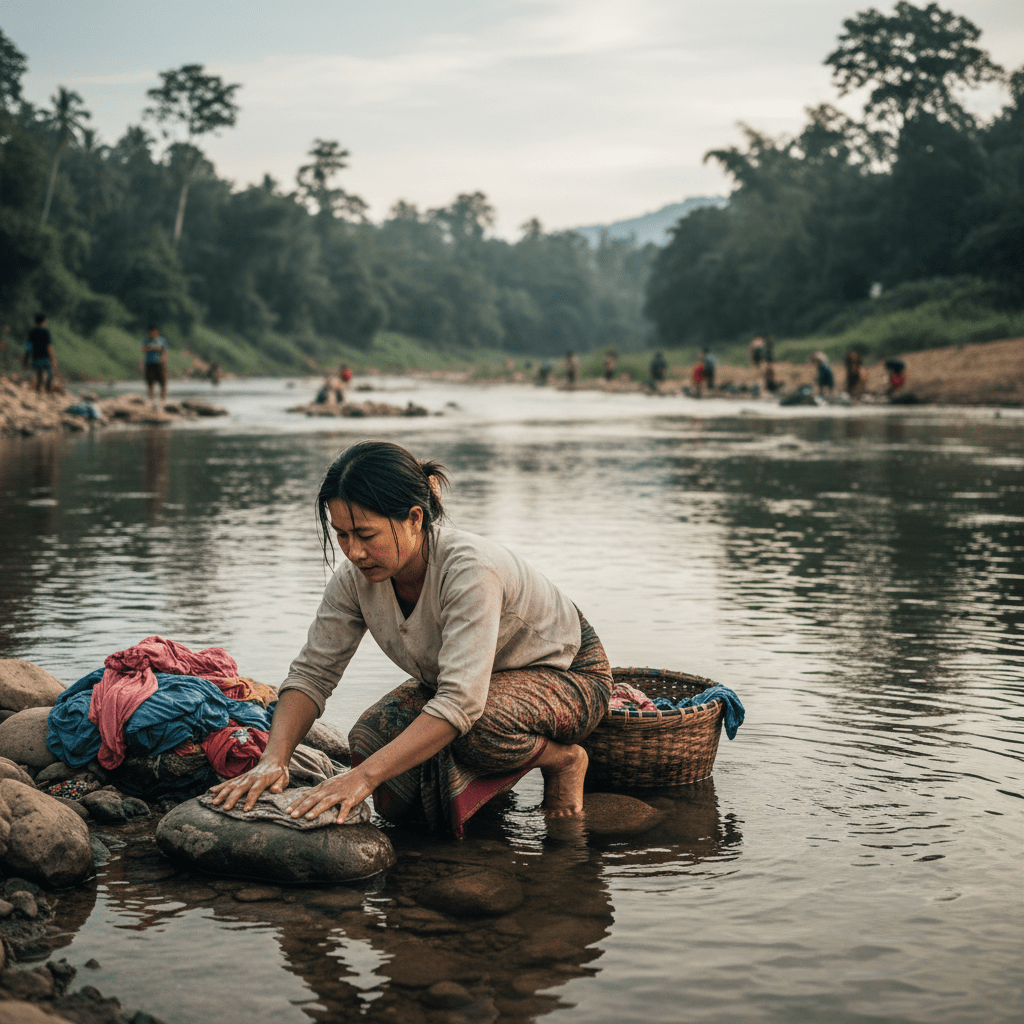
For those seeking an enriching lifestyle at a fraction of Western costs, Laos continues to stand out as a premier destination in 2026. The landlocked nation, known for its serene Buddhist culture, stunning landscapes, and warm hospitality, offers numerous locales where expatriates and long-term travelers can live comfortably on a modest budget. Identifying a truly ‘cheap’ place, however, requires understanding the nuances of local economies, transportation networks, and available amenities beyond the main tourist hubs. This guide delves into the specific regions and cities that provide the most financial advantages while ensuring a quality living experience, making the dream of an affordable Southeast Asian life a tangible reality.
Key Takeaways
- Vientiane offers budget-friendly neighborhoods despite being the capital, especially for those utilizing local markets and public transport.
- Southern Laos, particularly Pakse and its surrounding areas, presents significantly lower living costs due to its agricultural focus and slower pace of life.
- Understanding local market dynamics and embracing Lao cuisine are crucial for minimizing food expenses across all regions.
- Long-term accommodation, often found through local networks rather than online platforms, provides the most substantial savings on housing.
- Transportation costs can be drastically reduced by relying on bicycles, scooters, or local public tuk-tuks and buses, avoiding private taxis.
- Visa regulations and healthcare accessibility are important considerations, with private insurance recommended for comprehensive coverage.
- Engaging with local communities and learning basic Lao phrases can unlock more authentic and affordable experiences.
Understanding Laos’s Affordability Landscape in 2026
Laos, often overshadowed by its more bustling Southeast Asian neighbors, maintains a reputation as one of the region’s most affordable countries, a fact that holds true in July 2026. Its economy, primarily driven by agriculture, hydropower, and emerging tourism, supports a lower cost of living compared to developed nations. While inflation has been a factor globally, Laos has largely retained its comparative affordability for essentials like food, local transportation, and housing outside of premium tourist zones. This economic structure makes it an attractive option for digital nomads, retirees, and individuals seeking extended stays without a substantial financial outlay.
The key to maximizing affordability in Laos lies in embracing local lifestyles rather than expecting Western conveniences at local prices. Imported goods, specialty foods, and international brands generally carry a premium, reflecting import duties and limited supply chains. Conversely, fresh produce from local markets, street food, and services provided by small, independent businesses are remarkably inexpensive. Understanding this dichotomy is fundamental for anyone planning to live cheaply here, guiding daily spending habits and residential choices towards areas that cater to local economic realities rather than expat enclaves.
Furthermore, the government’s development strategies, while aiming to boost tourism and foreign investment, often prioritize sustainable growth that integrates with existing local economies. This approach helps prevent rapid price escalation in areas not designated for high-end development. Infrastructure improvements, particularly in road networks, have made previously remote, affordable regions more accessible without necessarily driving up living costs to match capital city levels. This creates opportunities to explore a wider range of cheap places to live, offering diverse environments from riverside towns to highland villages.
Cultural immersion plays a significant role in achieving a cheap lifestyle. Learning a few basic Lao phrases, understanding local customs, and engaging directly with Lao people can open doors to more authentic and less expensive experiences. This includes finding housing through word-of-mouth, discovering hidden local eateries, and participating in community events that are free or low-cost. By integrating rather than isolating, residents can tap into the inherent affordability of Lao society, making their stay not only financially viable but also deeply rewarding from a cultural perspective.
Vientiane’s Budget-Friendly Pockets for Expats
While Vientiane stands as Laos’s capital, it surprisingly harbors numerous neighborhoods where living costs remain considerably low, even in 2026. The key is to look beyond the central tourist and business districts. Areas like Sisattanak, Xaysetha, or around the quieter parts of the Mekong Riverside further from the main promenade, offer apartment rentals and guesthouses at significantly reduced rates. These areas provide easier access to local markets, smaller eateries, and public transport options, all contributing to a more economical daily expenditure compared to the more commercialized city center.
Accommodation in these budget-friendly zones typically ranges from simple furnished apartments to rooms in shared houses. A one-bedroom apartment can often be secured for as little as 1.5 million LAK to 2.5 million LAK per month (approximately $75-$125 USD, depending on the fluctuating exchange rate). Utilities such as electricity and water are generally extra but remain affordable, particularly if mindful of air conditioning use. Seeking out long-term rental agreements directly with landlords or through local agents can yield even better rates than those advertised on international platforms.
Food expenses in Vientiane can be kept remarkably low by frequenting local markets like Talat Sao Morning Market or Dong Dok Market. Here, fresh produce, meats, and seafood are available at wholesale prices. Dining at street food stalls or small, local restaurants (known as ‘khaojii’ or ‘fho’ shops) offers delicious and authentic meals for around 15,000-30,000 LAK ($0.75-$1.50 USD) per dish. Avoiding Western restaurants and imported groceries is paramount for budget control in the capital city.
Transportation within Vientiane is also highly affordable for budget-conscious residents. Renting a scooter for monthly rates (around 500,000 LAK or $25 USD) or utilizing the city’s extensive network of ‘jumbo’ tuk-tuks and local buses minimizes daily travel costs. While ride-hailing apps like Loca are available, they are typically more expensive than traditional local options. Living in a neighborhood that allows for walking or cycling to nearby amenities further reduces dependency on motorized transport, contributing to overall savings and a healthier lifestyle.
Southern Serenity: Pakse and the Bolaven Plateau
For those truly seeking a significantly cheaper place to live in Laos, the southern region, particularly Pakse and the surrounding Bolaven Plateau, presents an compelling option in 2026. Pakse, the largest city in Southern Laos, serves as a relaxed hub with a noticeably lower cost of living compared to Vientiane or even Luang Prabang. Its slower pace, abundant natural beauty, and strong agricultural base translate directly into more affordable housing, food, and daily expenses, appealing to individuals who prioritize tranquility and connection with nature.
Accommodation options in Pakse range from basic guesthouses to modest apartments, with monthly rents often starting from 1 million LAK to 2 million LAK ($50-$100 USD) for a simple, comfortable space. Opportunities to rent small houses with gardens are also more prevalent and affordable here. The expat community is smaller and more integrated, often sharing tips on securing long-term rentals through local contacts, which is frequently the most cost-effective method for finding suitable housing.
The culinary scene in Pakse thrives on fresh, locally sourced ingredients from the Bolaven Plateau, renowned for its coffee plantations and diverse produce. Eating at local markets or small family-run restaurants is incredibly cheap, with full meals typically costing 10,000-25,000 LAK ($0.50-$1.25 USD). The region’s coffee culture also means access to high-quality, inexpensive local brews. Preparing meals at home using market purchases further amplifies savings, as groceries are remarkably cheap.
Transportation around Pakse and into the Bolaven Plateau is primarily by scooter or local bus. Scooter rentals are inexpensive, offering freedom to explore waterfalls and coffee farms. Living near the city center or a specific village allows for walking and cycling, reducing daily travel costs to near zero. The relaxed pace of life means less need for extensive travel, further contributing to a budget-friendly existence while enjoying the lush, green landscapes and cooler climate of the plateau.
Northern Laos: Phonsavan and Less-Traveled Paths
Venturing into the northern reaches of Laos reveals even more isolated and exceptionally cheap places to live, with Phonsavan, home to the Plain of Jars, standing out as a prime example. This region, less developed for mass tourism, offers a truly minimalist and affordable lifestyle in 2026. It appeals to those who prioritize deep cultural immersion and a significantly lower cost of living over extensive modern amenities. The cooler climate due to its higher elevation also provides a different living experience compared to the Mekong lowlands.
Accommodation in Phonsavan is basic but functional, predominantly found in guesthouses offering long-term rates. Monthly rents for a simple room can be as low as 800,000 LAK to 1.5 million LAK ($40-$75 USD). Finding a basic apartment or even a small house for rent might require local connections, as online listings are scarce. The scarcity of high-end options means prices remain consistently low, reflecting the local economic standard rather than tourist demand.
Food in Phonsavan is almost exclusively local Lao cuisine, with ingredients sourced from nearby farms and markets. Eating at local eateries is exceedingly cheap, often costing less than 15,000 LAK ($0.75 USD) per meal. The staple diet of sticky rice, fresh vegetables, and grilled meats forms the basis of most meals, offering both nutritional value and affordability. Expats here often find themselves cooking more at home, benefiting from the very low prices of fresh produce and staple goods at the main market.
Transportation around Phonsavan and its surrounding districts is predominantly by scooter or shared minivan for longer distances. The town itself is small enough to navigate by bicycle or on foot. Public transport options are limited and adhere to local schedules, requiring a flexible mindset. The slower pace of life means daily travel needs are minimal, contributing significantly to a reduced overall expenditure, making Phonsavan a compelling option for extreme budget living in Laos.
The Mekong River Towns: Savannakhet and Thakhek
The towns along the Mekong River, specifically Savannakhet and Thakhek, represent another excellent choice for cheap living in Laos during 2026. These provincial capitals offer a blend of traditional Lao life with slightly more infrastructure than remote northern towns, all while maintaining a cost of living considerably lower than Vientiane. Their strategic locations near the Thai border can also offer convenient access to amenities across the river, though most daily needs are met affordably within Laos.
Savannakhet, with its charming French colonial architecture and relaxed atmosphere, offers affordable housing options. Monthly rents for a comfortable one-bedroom apartment can range from 1.2 million LAK to 2.2 million LAK ($60-$110 USD). Long-term guesthouse stays are also common and often negotiable. Thakhek, known for its limestone karsts and the famous ‘Thakhek Loop’ for motorcyclists, provides similar affordability in accommodation, making it attractive for those who enjoy outdoor adventures on a budget.
Food costs in both Savannakhet and Thakhek are comparable to Pakse, with an emphasis on fresh, local ingredients. Markets are abundant, offering produce, meats, and seafood at very low prices. Street food and local restaurants serve generous portions for 10,000-25,000 LAK ($0.50-$1.25 USD) per meal. The proximity to Thailand also means a slight influence on culinary diversity, but local Lao dishes remain the most economical and authentic choice for daily dining.
Transportation within these towns is predominantly by bicycle, scooter, or local tuk-tuk. Both Savannakhet and Thakhek are relatively flat and compact, making them ideal for cycling. Renting a scooter monthly is a common and cheap option for wider exploration. Inter-city buses connect these towns efficiently and affordably. The combination of lower living costs, a relaxed pace, and access to unique natural attractions makes these Mekong river towns strong contenders for those seeking an affordable Lao lifestyle.
Cost of Living Breakdown: Averages and Variances
To provide a clear picture of living cheaply in Laos, it’s essential to break down average monthly expenses as of July 2026, acknowledging that these figures can vary significantly based on location and lifestyle choices. For basic living outside of Vientiane, a budget of $300-$500 USD per month is generally achievable for a single person committed to local living. In Vientiane’s budget pockets, this might creep up to $500-$700 USD, still highly competitive globally.
Accommodation typically represents the largest portion of a budget. Outside of Vientiane, a simple furnished room or apartment can cost $50-$100 USD. In Vientiane, expect $75-$150 USD for comparable basic housing in local neighborhoods. Opting for a guesthouse on a long-term basis or sharing a house can further reduce this. Always negotiate long-term rates and be prepared for basic amenities, as high-end apartments are priced considerably higher.
Food is where significant savings can be made. If cooking at home with ingredients from local markets and eating at street stalls, a monthly food budget of $75-$150 USD is realistic across most of Laos. This includes fresh produce, rice, noodles, and local meats. Dining consistently at Western restaurants or consuming imported snacks will easily double or triple this figure, making it an unsustainable practice for budget living.
Utilities, including electricity, water, and basic internet, generally range from $30-$70 USD per month, depending on usage, especially air conditioning. Mobile data plans are inexpensive, with unlimited packages often available for $10-$20 USD. Transportation, primarily by scooter rental ($25-$50 USD/month) or local tuk-tuks, can be kept under $50 USD. Miscellaneous expenses for personal care, occasional entertainment, or a visa run should factor in another $50-$100 USD. This comprehensive view helps in planning a sustainable budget.
Practical Tips for Frugal Living in Laos
Achieving a truly cheap lifestyle in Laos requires more than just choosing the right location; it demands a proactive approach to daily living. One primary tip is to prioritize local consumption. This means buying fresh produce and staples from morning markets rather than supermarkets, which stock more expensive imported goods. Embrace Lao street food and small local restaurants; not only are they significantly cheaper, but they also offer an authentic culinary experience that is integral to the culture. Learning to cook some basic Lao dishes further reduces reliance on dining out.
When it comes to accommodation, direct negotiation is key. Avoid international booking platforms for long-term rentals. Instead, once you arrive, explore neighborhoods by foot, look for ‘for rent’ signs, and inquire at guesthouses about monthly rates. Leveraging local expat groups on social media can also provide leads for affordable housing and house-sharing opportunities. Being flexible with amenities and location within a town can unlock substantially lower rental prices.
Efficient and inexpensive transportation is crucial. While a scooter offers flexibility, its rental cost adds up. For daily commutes, consider a bicycle – many Lao towns are flat and walkable. For longer distances, local buses or shared minivans are significantly cheaper than private taxis. Understanding the local transport hierarchy and being comfortable with less structured schedules will save considerable money over time, allowing for more budget allocation elsewhere.
Finally, immerse yourself in the local community. Learning basic Lao phrases not only enhances your experience but can also lead to better deals and opportunities. Participate in local festivals, visit temples, and engage with your neighbors. This cultural exchange enriches your life without costing much and integrates you into the fabric of Lao society, making your affordable living experience more meaningful and sustainable in the long run. Embracing the pace and customs of Laos is vital for a truly frugal and fulfilling stay.
“Laos offers a unique proposition for budget-conscious individuals in 2026. Its economic structure, deeply rooted in agriculture and community, naturally fosters a low-cost environment, especially outside of capital luxuries. Success for long-term residents hinges on a willingness to adapt to local lifestyles, prioritize local markets, and engage with the rich cultural tapestry rather than seeking Western comforts. Those who do so will find not just affordability, but a profound sense of integration and peace.”
— Dr. Anya Sharma, Southeast Asian Socio-Economic Analyst, Mekong Institute
| Location | Estimated Monthly Rent (1-Bed Apt) | Estimated Monthly Food Budget (Local) | Estimated Monthly Transport (Local) | Total Estimated Monthly Cost (USD) |
|---|---|---|---|---|
| Vientiane (Budget Pockets) | $75 – $125 | $75 – $150 | $30 – $50 | $300 – $450 |
| Pakse / Bolaven Plateau | $50 – $100 | $60 – $120 | $20 – $40 | $250 – $350 |
| Phonsavan | $40 – $75 | $50 – $100 | $15 – $30 | $200 – $300 |
| Savannakhet / Thakhek | $60 – $110 | $60 – $120 | $20 – $40 | $250 – $380 |
Frequently Asked Questions
What are the primary factors contributing to the low cost of living in Laos?
The low cost of living in Laos stems from several key factors. Primarily, its economy is less industrialized compared to neighboring countries, relying heavily on agriculture and natural resources. This keeps the prices of locally produced goods, especially fresh food from markets, remarkably low. Additionally, labor costs are significantly lower, impacting service industries. The government’s development policies also tend to maintain affordability, preventing rapid urbanization and price surges outside of specific investment zones. Furthermore, a smaller expat community, outside of Vientiane and Luang Prabang, means less demand for Western amenities, thus keeping prices for local goods and services stable and accessible.
Is it possible to live comfortably on a minimal budget in Laos?
Yes, it is entirely possible to live comfortably on a minimal budget in Laos, provided one embraces a local lifestyle. A budget of $300-$500 USD per month is realistic for a single person in provincial towns like Pakse or Phonsavan, covering basic accommodation, local food, and transportation. Comfort, in this context, means access to essentials and the unique cultural experiences Laos offers, rather than luxurious amenities. By sourcing food from local markets, utilizing public transport or a bicycle, and living in modest local housing, individuals can enjoy a fulfilling and peaceful life without significant financial strain.
What are the visa requirements for long-term stays in Laos for budget travelers?
For long-term stays, budget travelers typically enter Laos on a 30-day tourist visa, obtainable upon arrival at international airports or land borders for many nationalities. To extend this, individuals must visit the immigration office in Vientiane or a provincial capital to apply for extensions, usually granted for an additional 30 or 60 days, up to a maximum of 90 days. Beyond this, a ‘visa run’ to a neighboring country like Thailand or Vietnam is often required to re-enter Laos on a new tourist visa. For truly long-term residency, a non-immigrant visa is necessary, which usually requires a specific purpose like employment or investment, often involving higher costs and more complex application processes.
How does healthcare access and cost factor into living cheaply in Laos?
Healthcare in Laos is a significant consideration for budget living. While local clinics and hospitals are available, the quality and range of services can be basic, particularly outside of Vientiane. Costs for routine consultations and basic medications are generally very low at public facilities. However, for more serious medical conditions or specialized treatments, expatriates often choose to travel to neighboring Thailand, which offers higher standards of care. Therefore, investing in international travel health insurance is highly recommended for anyone planning a long-term stay, as it provides peace of mind and covers potential costs for emergency evacuations or treatments abroad, making it a wise investment despite a frugal lifestyle.
What are some cultural considerations for expats looking to live affordably in Laos?
Living affordably in Laos is greatly enhanced by understanding and respecting local cultural norms. Punctuality is often more fluid, and patience is a virtue. Dress modestly, especially when visiting temples, and remove your shoes before entering homes or sacred sites. Learning a few basic Lao phrases, such as greetings and polite expressions, goes a long way in building rapport and accessing local networks. Bargaining at markets is customary, but always done respectfully. Embracing the relaxed pace of life and being open to local customs will not only make your experience more enjoyable but also facilitate smoother interactions and access to genuinely local, and thus cheaper, goods and services.