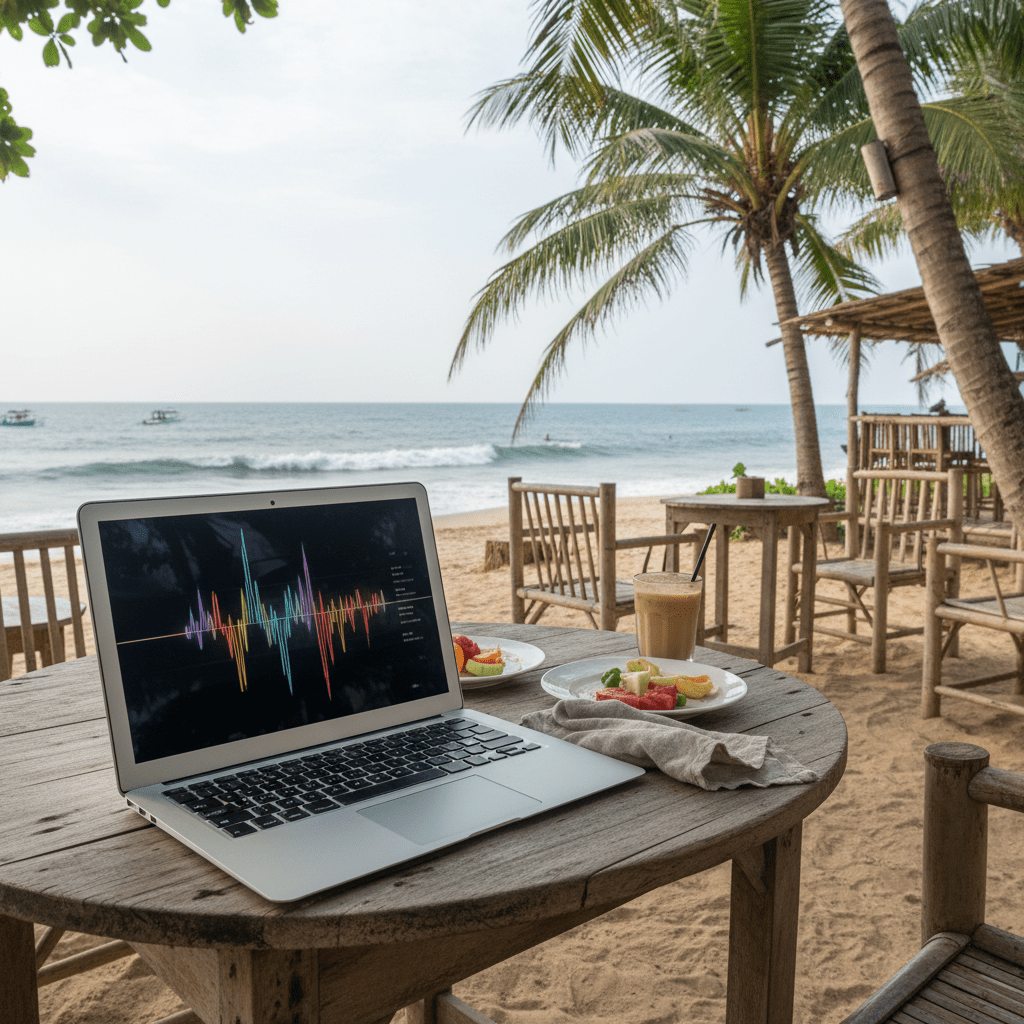
A notable shift in global work patterns has positioned Bali as a prime destination for digital entrepreneurs, with thousands now calling the island their temporary or permanent base. This unique confluence of a rich cultural tapestry and a rapidly evolving work infrastructure attracts remote professionals seeking both inspiration and community. Navigating this transition effectively requires an understanding of everything from specific visa pathways, such as the Digital Nomad Visa, to the intricacies of daily life and professional integration. This comprehensive guide aims to equip aspiring and current digital entrepreneurs with the practical insights and strategic knowledge necessary to not only establish but also thrive in Bali’s dynamic environment, harmonizing their professional pursuits with its distinctive lifestyle.
Key Takeaways
- Bali offers a dedicated Digital Nomad Visa (DNV), simplifying long-term stays for remote workers and entrepreneurs.
- Specific areas like Canggu, Ubud, and Sanur cater to diverse entrepreneurial preferences regarding lifestyle, cost, and community engagement.
- Reliable internet infrastructure and a growing network of co-working spaces support high productivity levels across the island.
- Understanding the cost of living, from accommodation to transportation, is essential for effective financial planning and sustainable remote work.
- Prioritizing health, safety, and local cultural integration enhances the overall experience and longevity of living and working in Bali.
- Networking within Bali’s vibrant digital nomad community provides significant professional opportunities and social connections.
- Achieving a balanced approach to work and wellness is crucial for sustained success and avoiding burnout in Bali’s appealing environment.
The Appeal of Bali for Remote Professionals
Bali has undergone a considerable transformation from solely a tourist hotspot to a recognized global hub for digital entrepreneurs. Its growing appeal lies in a unique blend of vibrant cultural experiences, natural beauty, and an increasingly sophisticated infrastructure tailored for remote work. The island offers an environment where professional aspirations can align with a lifestyle focused on well-being and community, attracting individuals who prioritize flexibility and a high quality of life. This shift has fostered a diverse international community, making it easier for new arrivals to find support, collaboration, and social opportunities that enhance their entrepreneurial journey.
Beyond its scenic landscapes and spiritual sites, Bali provides a compelling value proposition through its relatively lower cost of living compared to major Western cities. This economic advantage allows entrepreneurs to extend their runway, invest more in their businesses, or simply enjoy a higher standard of living on a moderate budget. The affordability extends across various aspects, including accommodation, local cuisine, and everyday services, enabling a sustainable lifestyle without constant financial strain. This fiscal flexibility is a significant draw for startups and individual freelancers looking to minimize overheads while maximizing their global reach.
The island’s culture of hospitality and spiritual richness also plays a role in its magnetic pull. Entrepreneurs often seek environments that stimulate creativity and offer a sense of calm amidst the demands of their work. Bali’s serene rice paddies, ancient temples, and wellness-focused communities in areas like Ubud provide a stark contrast to the typical urban grind. This cultural immersion and the opportunity for personal growth through yoga, meditation, and local ceremonies contribute to a holistic experience that many remote professionals find invigorating and essential for long-term productivity and happiness.
Moreover, the supportive expat network in Bali is a critical factor in its success as a digital nomad destination. There are numerous informal meetups, professional groups, and online communities dedicated to connecting remote workers and entrepreneurs. These networks offer practical advice, collaboration opportunities, and a sense of belonging for those far from home. This collaborative spirit often leads to unexpected partnerships, shared insights, and a collective drive towards innovation, solidifying Bali’s reputation as a place where entrepreneurial dreams can genuinely flourish within a vibrant ecosystem.
Navigating Visas and Legal Requirements
For digital entrepreneurs considering Bali as a base, understanding the visa landscape is paramount. The Indonesian government, recognizing the economic contributions of remote workers, introduced a dedicated Digital Nomad Visa (DNV) in 2024. This visa, officially termed the ‘Second Home Visa’ but popularly adopted by digital nomads, permits individuals to stay for an extended period, typically five to ten years, provided they can prove offshore income and have no intention of working for Indonesian companies or clients locally. It significantly simplifies long-term residency compared to previous, more restrictive options, offering a clear pathway for remote professionals.
Applying for the Digital Nomad Visa involves several key steps. Prospective applicants typically need to demonstrate proof of funds, often a bank statement showing a substantial balance, and possess a valid passport with sufficient remaining validity. The application process usually begins online through the official immigration portal, followed by a visit to an Indonesian embassy or consulate in their home country for biometric data collection and final approval. It is advisable to commence the application well in advance of planned travel, as processing times can vary, and thorough documentation is essential to avoid delays or rejections.
While the DNV is the preferred option for long-term stays, other visa types might still be relevant depending on an entrepreneur’s specific needs. For shorter visits or exploratory trips, a standard tourist visa or visa-on-arrival might suffice, although these have limitations on extension and work activities. A business visa could be considered for those needing to conduct formal meetings or explore investment opportunities, but it typically does not permit long-term remote work. Always consult the latest regulations from the Indonesian immigration department or a reputable visa agent, as policies can evolve.
Crucially, compliance with local laws extends beyond just visa requirements. Digital entrepreneurs must also be aware of potential tax implications. While the DNV aims to clarify the tax status for those earning income from outside Indonesia, it is prudent to seek advice from an international tax specialist familiar with Indonesian regulations. Understanding local business registration rules, even for remote ventures, can prevent future complications. Adhering to these legal frameworks ensures a smooth and uninterrupted stay, allowing entrepreneurs to focus on their work without undue administrative burdens.
Choosing Your Base: Key Areas for Digital Entrepreneurs
When considering Bali, digital entrepreneurs have several distinct areas to choose from, each offering a unique blend of lifestyle, community, and amenities. Canggu remains a prime choice for its dynamic surf culture, trendy cafes, and a robust, young expat community. It is particularly appealing to those who enjoy a vibrant social scene, modern dining options, and easy access to beaches for recreation. The area is replete with co-working spaces, fitness studios, and international restaurants, making it a convenient and stimulating environment for network-focused individuals seeking a lively atmosphere and plenty of social interaction.
For entrepreneurs prioritizing wellness, cultural immersion, and a calmer pace, Ubud stands out as the island’s spiritual and artistic heart. Nestled amidst lush rice paddies and tropical forests, Ubud offers a serene environment conducive to focus and personal growth. It attracts creatives, healers, and those seeking a more mindful existence, with numerous yoga studios, meditation retreats, and organic eateries. While the social scene is more subdued than Canggu, a strong community forms around wellness activities and cultural events, providing a different but equally enriching experience for remote workers.
Seminyak and Kerobokan present a more upscale and cosmopolitan option for digital entrepreneurs who appreciate luxury and diverse amenities. These areas offer sophisticated dining, high-end boutiques, and beachfront resorts, catering to those accustomed to a refined urban lifestyle. While perhaps less focused on the traditional ‘digital nomad’ vibe, they provide excellent infrastructure, reliable services, and a comfortable base for professionals seeking a premium experience. Connectivity is generally strong, and the proximity to entertainment and quality services makes it an attractive choice for certain segments of the entrepreneurial community.
Sanur, often overlooked, is gaining traction among digital entrepreneurs looking for a more laid-back, family-friendly, and less congested environment. Its calm beaches, established expat community, and slower pace appeal to those desiring tranquility while still having access to necessary amenities. Sanur offers a balance between local charm and modern conveniences, with quieter cafes, a long boardwalk for cycling, and a welcoming atmosphere. This area is particularly suitable for entrepreneurs with families or those who prefer a stable, peaceful setting away from the more bustling parts of the island, fostering a sense of long-term settlement.
Further south, the Bukit Peninsula, encompassing areas like Uluwatu and Bingin, is emerging as a niche hub, primarily for surf enthusiasts and those who value dramatic ocean views and a relaxed, outdoor-centric lifestyle. While historically more remote, infrastructure has improved, with new cafes, guesthouses, and a growing community of creatives and athletes. It offers a more rustic yet equally appealing alternative for entrepreneurs seeking inspiration from nature and a break from mainstream expat centers. The focus here is on quiet productivity punctuated by adventurous pursuits, appealing to a specific type of remote worker.
Connectivity and Coworking Infrastructure
Reliable internet connectivity is the backbone of any digital entrepreneur’s operation, and Bali has significantly invested in improving its infrastructure over recent years. As of mid-2026, fiber optic networks are widely available in primary expat areas like Canggu, Ubud, and Seminyak, providing speeds comparable to many Western cities. This expansion has largely mitigated previous concerns about intermittent service, allowing for smooth video calls, large file transfers, and uninterrupted online operations. Nevertheless, it is still prudent to inquire about internet providers and speeds before committing to accommodation, ensuring it meets specific professional demands.
Bali boasts a flourishing ecosystem of co-working spaces that cater specifically to the needs of digital entrepreneurs. Establishments like Dojo Bali in Canggu, Outpost in Ubud, and Kinship in Kerobokan offer not just high-speed internet but also a range of amenities including ergonomic workstations, meeting rooms, private call booths, and vibrant community events. These spaces are pivotal for networking, fostering collaboration, and maintaining a professional separation between work and home life. Many offer flexible membership options, from daily passes to monthly subscriptions, accommodating various work styles and budgets.
Beyond dedicated co-working facilities, Bali’s cafe culture provides an informal but effective alternative for remote work. Numerous cafes across the island are designed with remote workers in mind, offering comfortable seating, power outlets, and reasonably fast Wi-Fi. These establishments often become impromptu meeting spots or places for focused individual work, particularly during off-peak hours. While less structured than co-working spaces, they offer a relaxed atmosphere and the convenience of being able to combine work with a meal or coffee, seamlessly integrating into the daily routine.
Despite the general improvements, entrepreneurs should consider contingency plans for internet access. Power outages, though less frequent, can still occur, and having a backup data plan on a local SIM card is advisable. Providers like Telkomsel and XL Axiata offer reliable mobile data packages that can serve as a hotspot in emergencies. Furthermore, some entrepreneurs choose to invest in portable Wi-Fi devices for consistent connectivity while moving between different locations or during travel within the island, ensuring continuous operation regardless of their immediate surroundings.
Cost of Living and Budgeting Strategies
Understanding the cost of living in Bali is crucial for any digital entrepreneur planning a long-term stay. While generally more affordable than many Western countries, expenses can fluctuate significantly based on lifestyle choices and preferred locations. A comfortable budget for a solo entrepreneur might range from $1,000 to $2,500 USD per month, covering accommodation, food, transportation, and leisure. This range allows for flexibility, enabling individuals to choose between more economical local options and higher-end international amenities, tailoring their spending to their personal financial goals.
Accommodation will likely be the largest expense. Options vary widely, from budget-friendly guesthouses starting at $300-$500 USD per month for a simple room with basic amenities, to private villas with pools costing $800-$2,000+ USD per month. Long-term rentals typically offer better rates than short-term bookings. Researching and securing accommodation in advance, especially during peak seasons, is advisable. Platforms like Airbnb, local real estate agents, and expat Facebook groups are popular resources for finding suitable housing that fits both budget and lifestyle preferences.
Food expenses can be managed effectively by embracing local cuisine. Eating at ‘warungs’ (local eateries) offers delicious and inexpensive meals for as little as $2-$5 USD per dish. Opting for international restaurants or cafes will naturally increase food costs, potentially averaging $10-$20 USD per meal. Grocery shopping at local markets for fresh produce and cooking at home can significantly reduce expenses. Many entrepreneurs find a balance between enjoying Bali’s diverse dining scene and preparing some meals themselves, optimizing their food budget without sacrificing quality.
Transportation is another key budgeting area. Renting a scooter is the most common and often cheapest mode of transport, typically costing $50-$100 USD per month. Fuel is also inexpensive. Ride-hailing apps like Gojek and Grab are widely available and offer convenient, affordable options for short distances or when not comfortable driving a scooter. For longer trips or larger groups, private car rentals with a driver are available. Budgeting for transport means considering comfort, convenience, and safety, especially given Bali’s often-congested roads.
Beyond these core expenses, budgeting should also account for co-working memberships ($100-$200 USD/month), health insurance (essential for remote workers), visa extensions, and leisure activities. Entrepreneurs often find that while individual costs are low, the accumulation of small expenses can add up. Implementing a detailed budget and tracking expenditures through financial apps can help maintain control. Leveraging local discounts, joining community groups for shared activities, and opting for more local experiences can help stretch a budget further while fully enjoying life on the island.
Integrating Work, Wellness, and Culture
A defining characteristic of the digital entrepreneur lifestyle in Bali is the opportunity to seamlessly integrate work with a strong focus on wellness and cultural immersion. The island’s relaxed atmosphere can be a double-edged sword; while it fosters creativity and reduces stress, it also requires discipline to maintain productivity. Establishing clear work boundaries and dedicated hours is crucial to avoid the allure of endless leisure. Many entrepreneurs leverage the early mornings for focused work before the heat sets in, reserving afternoons for client calls or creative tasks, and evenings for social or personal activities.
Bali is globally recognized as a wellness destination, offering an abundance of opportunities for physical and mental rejuvenation. Regular yoga classes, meditation sessions, and access to healthy food options are widely available, particularly in areas like Ubud and Canggu. Embracing these wellness practices can be instrumental in preventing burnout and maintaining mental clarity amidst demanding professional schedules. Many co-working spaces also incorporate wellness activities, fostering a holistic approach to work-life balance that is deeply embedded in the island’s ethos, allowing for sustained high performance.
Beyond personal well-being, immersing oneself in Balinese culture provides a rich and rewarding experience. Attending local ceremonies, visiting ancient temples, and learning basic Indonesian phrases offers a deeper connection to the island and its people. This cultural engagement enriches the overall experience, fostering respect and understanding, and can also inspire new perspectives for creative problem-solving in business. Engaging with local communities, perhaps through volunteering or participating in traditional workshops, can also provide authentic insights beyond the typical tourist interactions.
Building a robust social network is vital for both personal happiness and professional growth in Bali. The island’s expat community is dynamic and welcoming, with numerous events, meetups, and interest-based groups. Leveraging co-working spaces, community forums, and social media groups dedicated to digital nomads facilitates connections with like-minded individuals. These relationships can evolve into friendships, mentorships, and even business collaborations, creating a supportive ecosystem that mitigates feelings of isolation often associated with remote work. A strong local network is an invaluable asset for navigating daily life and seizing opportunities.
Health, Safety, and Practicalities
Prioritizing health and safety is paramount for any digital entrepreneur living and working in Bali. While medical facilities have improved significantly, it’s essential to understand the healthcare landscape. International clinics, such as BIMC Hospital or Siloam Hospital, offer Western-standard care in major areas like Kuta and Denpasar. For routine check-ups or minor ailments, numerous smaller clinics are available. Comprehensive international health insurance is highly recommended, as medical costs for serious conditions can be substantial, and a medical evacuation clause provides crucial peace of mind in emergencies.
General safety in Bali is comparable to other popular travel destinations, but awareness is key. Road safety is a primary concern; traffic can be chaotic, and accident rates involving scooters are higher. Always wear a helmet if riding a scooter and ensure you have an international driving permit. Petty crime, such as bag snatching, can occur, particularly in tourist-heavy areas; exercising caution with valuables and avoiding isolated areas at night is prudent. Awareness of local wildlife, particularly monkeys and stray dogs, and practicing general hygiene regarding food and water are also advisable.
Managing finances involves understanding local banking practices. Opening a local bank account can be beneficial for those on long-term stays, simplifying transactions and avoiding international transfer fees. However, many entrepreneurs rely on international debit/credit cards and money transfer services like Wise (formerly TransferWise) for their banking needs. ATMs are widely available, but it is wise to use those located inside bank branches or reputable establishments to minimize skimming risks. Always notify your home bank of your travel plans to avoid card suspensions.
Beyond personal well-being and finances, several other practicalities deserve attention. Being mindful of environmental impact is increasingly important; responsible waste disposal, reducing plastic consumption, and supporting eco-friendly businesses contribute positively to the island’s sustainability. Understanding local customs and showing respect for Balinese traditions, such as dressing appropriately when visiting temples, fosters good relations with the local community. These small considerations contribute to a smoother and more integrated experience for digital entrepreneurs on the island.
“Bali’s allure for digital entrepreneurs extends beyond its scenic beauty; it’s the robust infrastructure and the incredibly supportive community that truly set it apart. The island has successfully cultivated an ecosystem where professional growth and personal enrichment go hand-in-hand, making it an ideal proving ground for innovative ventures.”
— Dr. Anya Sharma, Sociologist specializing in remote work trends, Future of Work Institute
| Area | Vibe/Community | Internet Reliability | Cost (Accommodation per month) | Coworking Availability | Lifestyle Focus |
|---|---|---|---|---|---|
| Canggu | Vibrant, young, surf culture, strong expat social scene | High (Fiber optic widely available) | $500 – $1500 USD (Guesthouse to private villa) | High (e.g., Dojo Bali, Genesis) | Social, active, modern amenities, surfing |
| Ubud | Tranquil, wellness-focused, artistic, spiritual, family-friendly | Good (Fiber optic improving) | $400 – $1200 USD (Guesthouse to villa) | Medium (e.g., Outpost, Hubud) | Wellness, culture, nature, calm productivity |
| Sanur | Quiet, relaxed, established expat community, family-oriented | Good (Fiber optic available) | $350 – $1000 USD (Guesthouse to villa) | Low (Few dedicated spaces, more cafes) | Peaceful, long-term living, water sports |
| Seminyak | Upscale, cosmopolitan, luxury dining, diverse shopping | High (Fiber optic widely available) | $600 – $2000+ USD (Apartment to luxury villa) | Medium (e.g., Kinship, Zest) | Luxury, urban comfort, fine dining, shopping |
| Uluwatu/Bukit | Surf-centric, rugged beauty, laid-back, fewer crowds | Medium (Improving, some fiber available) | $300 – $800 USD (Guesthouse to cliffside villa) | Low (Few dedicated spaces, more cafes) | Surfing, nature, quiet, outdoor activities |
Frequently Asked Questions
What is the Digital Nomad Visa in Bali and who is eligible?
The Indonesian Digital Nomad Visa, often referred to as the ‘Second Home Visa’, allows digital entrepreneurs to reside in Bali for an extended period, typically ranging from five to ten years. Eligibility generally requires applicants to demonstrate proof of offshore income, ensuring they earn their livelihood from outside Indonesia and do not seek employment with local Indonesian entities. This visa simplifies long-term stays, offering a legal pathway for remote workers to establish a base in Bali without the complexities of previous short-term visa cycles. Prospective applicants must also hold a valid passport with substantial remaining validity and demonstrate financial stability through bank statements.
Which areas in Bali are best for digital entrepreneurs focused on networking?
For digital entrepreneurs prioritizing networking and a vibrant social scene, Canggu is widely regarded as the premier destination in Bali. Its high concentration of co-working spaces, trendy cafes, and an active expat community creates numerous opportunities for informal meetups, professional collaborations, and social connections. Seminyak also offers networking potential due to its upscale amenities and diverse international population. While Ubud provides a community, its focus is more on wellness and culture rather than direct professional networking, making Canggu the top choice for those looking to actively build their professional network.
How reliable is the internet connectivity for remote work in Bali?
Internet connectivity in Bali has seen substantial improvements by mid-2026, with fiber optic networks becoming widely available in key expat areas like Canggu, Ubud, and Seminyak. This has led to significantly more reliable and faster speeds, supporting demanding remote work activities such as video conferencing and large file transfers. However, it is still advisable for digital entrepreneurs to verify internet speeds with their accommodation providers or co-working spaces. Additionally, having a backup plan, such as a local SIM card with a substantial data package for hotspot use, is a practical measure for maintaining uninterrupted connectivity during occasional power outages or service interruptions.
What is the estimated monthly cost of living for a digital entrepreneur in Bali?
The estimated monthly cost of living for a digital entrepreneur in Bali can vary significantly based on lifestyle choices, but a comfortable range typically falls between $1,000 to $2,500 USD. This budget accounts for diverse accommodation options, from a basic guesthouse ($300-$500) to a private villa ($800-$2000+). Food expenses can be minimized by embracing local warungs ($2-$5 per meal) or increased with international dining. Transportation, primarily scooter rental ($50-$100/month), is generally affordable. Additional costs include co-working memberships, health insurance, and leisure activities, making prudent budgeting essential for a sustainable and enjoyable stay.
What are the key health and safety considerations for remote workers in Bali?
Remote workers in Bali should prioritize health and safety by securing comprehensive international health insurance, preferably with medical evacuation coverage, given that advanced medical facilities are primarily located in larger cities like Denpasar. Awareness of road safety is crucial; always wear a helmet if riding a scooter and ensure you possess an international driving permit. Basic precautions against petty crime, such as securing valuables, are also wise. Additionally, maintaining good hygiene with food and water, being mindful of local wildlife, and respecting cultural norms contribute significantly to a safe and healthy experience on the island. Always have a contingency plan for emergencies.