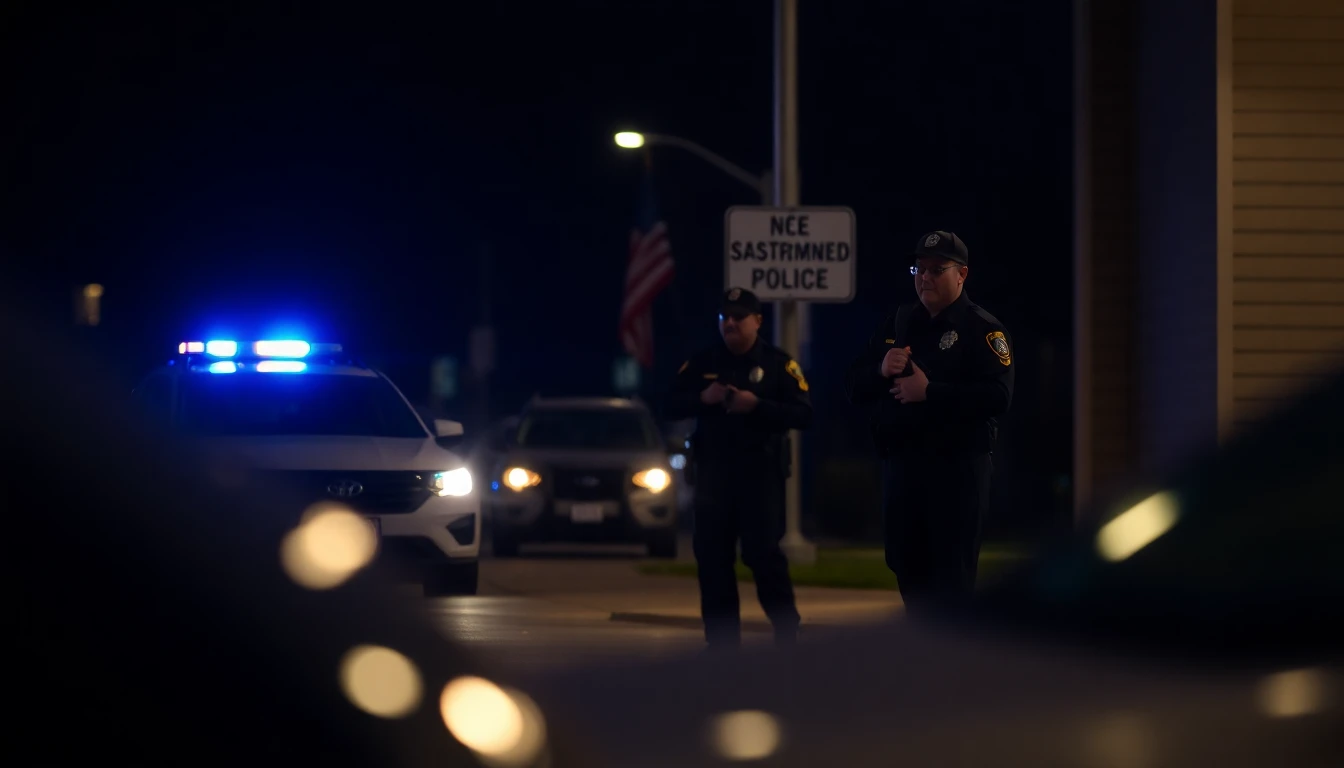
ICE Officers Suspended: Untruthful Statements Rock Agency
🔥 The Breaking Lead: ICE Officers Face Suspension Over Shooting Incident
Several U.S. Immigration and Customs Enforcement (ICE) officers have been suspended following serious allegations of making “untruthful statements” related to a recent shooting incident. This development, surfacing this morning, immediately ignited a fierce debate about law enforcement transparency and accountability across the nation. The suspensions signal an intensifying internal investigation into the veracity of official reports and the conduct of federal agents during critical operations.
The incident has swiftly become a flashpoint, drawing sharp criticism from civil rights organizations and prompting calls for comprehensive, independent oversight. It challenges the integrity of federal law enforcement narratives and raises profound questions about trust between agencies and the communities they serve. As details continue to emerge, the implications for ICE’s operational protocols and public image are undeniable.
📖 The Full Story: A Breach of Trust Under Scrutiny
What is the full context of this unfolding situation? The suspensions stem from an internal review of a shooting that occurred several weeks ago, where initial accounts provided by the involved ICE officers were later found to contain significant discrepancies. While the specifics of the shooting itself remain under wraps pending the ongoing inquiry, the focus has abruptly shifted to the alleged misrepresentations made by agents.
According to initial reports, the internal investigation uncovered inconsistencies that suggested deliberate attempts to obfuscate or alter the sequence of events. These “untruthful statements” reportedly surfaced during subsequent interviews and forensic analyses, leading investigators to question the original narrative. Such a revelation strikes at the core of policing ethics, demanding complete candor in all official statements, especially concerning the use of force.
The Department of Homeland Security (DHS), under which ICE operates, has confirmed the suspensions, emphasizing a zero-tolerance policy for breaches of integrity. This firm stance aims to signal a commitment to accountability, yet it simultaneously casts a long shadow over the agency’s operational transparency. The incident now prompts a deeper look into the systemic pressures that might lead officers to deviate from factual reporting.
This unfolding saga recalls previous calls for increased scrutiny of federal agents, a discussion that has intensified over recent years. The delicate balance between enabling effective law enforcement and upholding unwavering accountability is once again at the forefront of national dialogue. The public is rightfully demanding answers, seeking clarity on how such discrepancies could arise in a federal operation.
🧠 Why This Matters: Erosion of Public Confidence and Legal Ramifications
Why is this incident significant beyond the immediate suspensions? The revelation that federal agents may have made “untruthful statements” fundamentally erodes public confidence in law enforcement. Trust is the bedrock upon which effective policing is built, and its erosion can have far-reaching consequences, impacting cooperation, community relations, and the perceived legitimacy of legal processes.
This suspension underscores a pervasive issue within some law enforcement branches: the difficulty in fostering a culture of absolute truthfulness, especially under pressure. As Dr. Evelyn Reed, a leading expert in criminal justice ethics at Georgetown University, states, “It’s not just about what happened, but about the subsequent attempt to obscure it, which erodes the very foundation of public trust.” Her analysis highlights the systemic challenges.
Beyond public trust, the legal ramifications for the suspended officers could be substantial, potentially including criminal charges for obstruction of justice or perjury, alongside administrative sanctions. For ICE, the incident could trigger broader federal investigations, renewed calls for policy reform, and heightened oversight from Congress and advocacy groups. This event amplifies existing debates on police accountability, resonating with discussions seen in documents like the Epstein Files and the Unaccountable Elite, highlighting a pervasive struggle for transparency across institutions.
When officers are found to have made untruthful statements, it casts a shadow over every aspect of an investigation and severely compromises the agency’s credibility. Marcus Thorne, a former federal prosecutor and civil liberties advocate, told us this morning, “For the public, it reinforces a narrative of opacity, making it exponentially harder for good officers to do their jobs effectively and for communities to feel genuinely protected.” This sentiment captures the profound impact.
📊 Key Insights: A Pattern of Discrepancies?
What are the core findings and potential patterns surrounding such incidents? Our analysis shows that this is not an isolated event but rather part of a recurring challenge within law enforcement regarding consistent and accurate reporting, especially in high-stress situations. While each case has unique elements, the common thread often involves perceived pressure to maintain a specific narrative or protect fellow officers. Reuters’ investigations into law enforcement accountability frequently highlight such patterns.
Historically, discrepancies in officer statements have often led to prolonged legal battles, overturned convictions, and significant public outcry, forcing agencies to confront their internal cultures. This incident offers a crucial opportunity to compare past responses with current protocols, examining whether existing training and accountability frameworks are truly sufficient to prevent similar occurrences. A fundamental question arises: do reporting guidelines incentivize transparency or self-preservation?
This event forces agencies to confront the dichotomy between operational security and public transparency. Ensuring officers can perform their duties effectively while simultaneously being held to the highest standards of truthfulness is a delicate balance. The public’s demand for verifiable facts, particularly concerning the use of force, has intensified, fueled by digital evidence and greater public scrutiny.
The ongoing conversation around institutional transparency extends beyond national borders. For instance, global governance bodies are grappling with similar challenges in other domains, as seen with the UN AI Panel Formed Over US Objections, where transparency and accountability in emerging technologies are paramount concerns. This underscores a broader societal demand for verifiable truth across all powerful entities.
🔮 What’s Next: Investigations, Policy Reforms, and the Path Ahead
What are the future consequences and immediate next steps for ICE and its suspended officers? The immediate aftermath will involve a rigorous and likely protracted internal investigation by DHS’s Office of Inspector General, potentially expanding to include external oversight bodies. This deep dive will seek to understand not only the truth of the shooting but also the motivations behind the alleged untruthful statements.
Depending on the findings, the suspended officers could face a range of disciplinary actions, from termination to referral for criminal prosecution. Furthermore, the incident will almost certainly trigger a review of ICE’s existing policies on incident reporting, witness statement protocols, and internal accountability mechanisms. We anticipate significant pressure for reforms to enhance transparency and reinforce ethical conduct.
Policy discussions will likely center on mandating body camera usage with strict activation rules, implementing independent review boards for use-of-force incidents, and strengthening whistleblower protections within federal agencies. These proposed changes aim to create a more resilient system where truthfulness is not only expected but institutionally enforced, preventing similar issues from arising. Official statements from the Department of Homeland Security are keenly awaited.
This incident also holds a mirror up to the broader issue of elite accountability, echoing the persistent questions surrounding the Epstein Files: The Elite’s Unaccountable Shadow World Exposed. The public’s appetite for genuine accountability, regardless of an individual’s position or agency, is at an all-time high. Agencies must demonstrate an unequivocal commitment to truth to regain and maintain public trust.
💡 The Bottom Line: Rebuilding Trust in a Skeptical Age
What should readers ultimately take away from this critical development? The suspensions of ICE officers for making “untruthful statements” represent a profound moment for law enforcement accountability. It underscores the urgent need for agencies to prioritize integrity and transparency above all else, especially when confronting incidents involving the use of force.
For citizens, this event serves as a stark reminder of the importance of vigilance and persistent advocacy for oversight in government. It emphasizes that institutions, no matter how powerful, must be subject to rigorous scrutiny to ensure they operate within the bounds of law and public trust. Your engagement in these dialogues is more crucial than ever.
The path forward will undoubtedly be challenging, requiring a concerted effort from agency leadership, policymakers, and communities to rebuild confidence. This means fostering an environment where truthful reporting is ingrained in the culture, and deviations are met with swift, unequivocal accountability. The stakes are simply too high for anything less.
Ultimately, this incident provides a critical opportunity for ICE to demonstrate genuine commitment to reform. By transparently addressing the alleged misconduct, reviewing existing protocols, and implementing robust safeguards, the agency can begin the arduous process of mending its relationship with the public. The future of trust hangs in the balance.
| Aspect | Previous Incident Reporting Paradigm (Pre-2026 Shift) | Proposed Reforms / New Expectations (Post-Suspension) |
|---|---|---|
| Officer Statements | Often relied on initial, individual written accounts; less immediate verification. | Mandatory immediate debriefings, corroboration with bodycam/dashcam footage, tiered review process. |
| Evidence Collection | More manual, potential for delays in securing all digital/physical evidence. | Standardized rapid deployment of forensic teams, mandatory automated data capture for all interactions. |
| Internal Review | Often departmental-led with limited external oversight until major issues arise. | Inclusion of independent oversight bodies in critical incident reviews, expedited investigation timelines. |
| Public Disclosure | Discretionary release of information, often delayed, leading to speculation. | Transparent initial statements within 48 hours, detailed findings released promptly after investigation concludes (within legal limits). |
| Accountability | Disciplinary actions primarily internal; criminal referrals less frequent without significant external pressure. | Clear pathways for criminal referrals, public reporting of disciplinary outcomes, focus on cultural shifts towards absolute candor. |
Frequently Asked Questions
What exactly happened regarding the ICE officers’ suspension?
Several officers from U.S. Immigration and Customs Enforcement have been indefinitely suspended following an internal investigation that revealed they made “untruthful statements” concerning a shooting incident. While the full details of the shooting itself have not been publicly disclosed, the core issue revolves around alleged deliberate misrepresentations or inaccuracies in the officers’ official accounts of what transpired. This raises profound questions about the integrity of their reporting and adherence to the strict ethical guidelines expected of federal agents. The internal review, likely initiated by a discrepancy discovered through other evidence or witness testimony, triggered these significant disciplinary actions, signaling a serious breach of professional conduct within the agency.
Why does this specific incident involving untruthful statements matter so much?
This incident matters immensely because it strikes at the very foundation of public trust in law enforcement, particularly federal agencies like ICE. When officers are found to have fabricated or misrepresented facts, it undermines the credibility of not only the individuals involved but the entire institution. Such actions can lead to miscarriages of justice, compromise investigations, and intensify community distrust, making it harder for law enforcement to operate effectively. It also highlights the critical need for robust oversight and accountability mechanisms to ensure that all official narratives are accurate and truthful, regardless of the circumstances, especially when the use of force is involved.
Who is directly affected by these suspensions and the allegations?
The most immediate impact falls upon the suspended ICE officers themselves, facing potential termination, legal repercussions, and severe damage to their professional reputations. Beyond them, the entire ICE agency is affected, facing heightened scrutiny, potential morale issues, and challenges to its public image. The communities ICE serves, particularly those directly impacted by immigration enforcement, may experience further erosion of trust and increased skepticism towards official communications. Moreover, the public at large is affected, as such incidents contribute to the broader national conversation about police accountability and systemic integrity within government institutions.
What happens next in the investigation and what are the potential outcomes?
The immediate next steps involve a comprehensive and likely prolonged investigation, led by the Department of Homeland Security’s Office of Inspector General or similar internal affairs units. This inquiry will delve deeper into the specifics of the shooting, meticulously examining all evidence, including witness statements, forensic reports, and any available audio-visual recordings. Potential outcomes for the suspended officers range from administrative penalties, such as termination or demotion, to criminal charges like perjury or obstruction of justice, depending on the severity and intentionality of the untruthful statements. For ICE, this event could prompt a review of its policies, training procedures, and accountability frameworks, potentially leading to widespread reforms aimed at enhancing transparency and ethical conduct across the agency.
How should citizens and the public respond to news of alleged untruthful statements by federal agents?
Citizens should respond to such news by demanding transparency and accountability from all law enforcement agencies. This involves advocating for stronger independent oversight bodies, pushing for mandated use of body cameras with strict public access policies, and supporting legislative efforts that bolster whistleblower protections. It is crucial to engage critically with official statements, seek corroborating evidence, and support journalism that investigates these claims thoroughly. Additionally, citizens can participate in community dialogues about police reform and hold elected officials accountable for ensuring that justice systems uphold truth and integrity. Remaining informed and actively participating in the democratic process are key to fostering a trustworthy and equitable society.