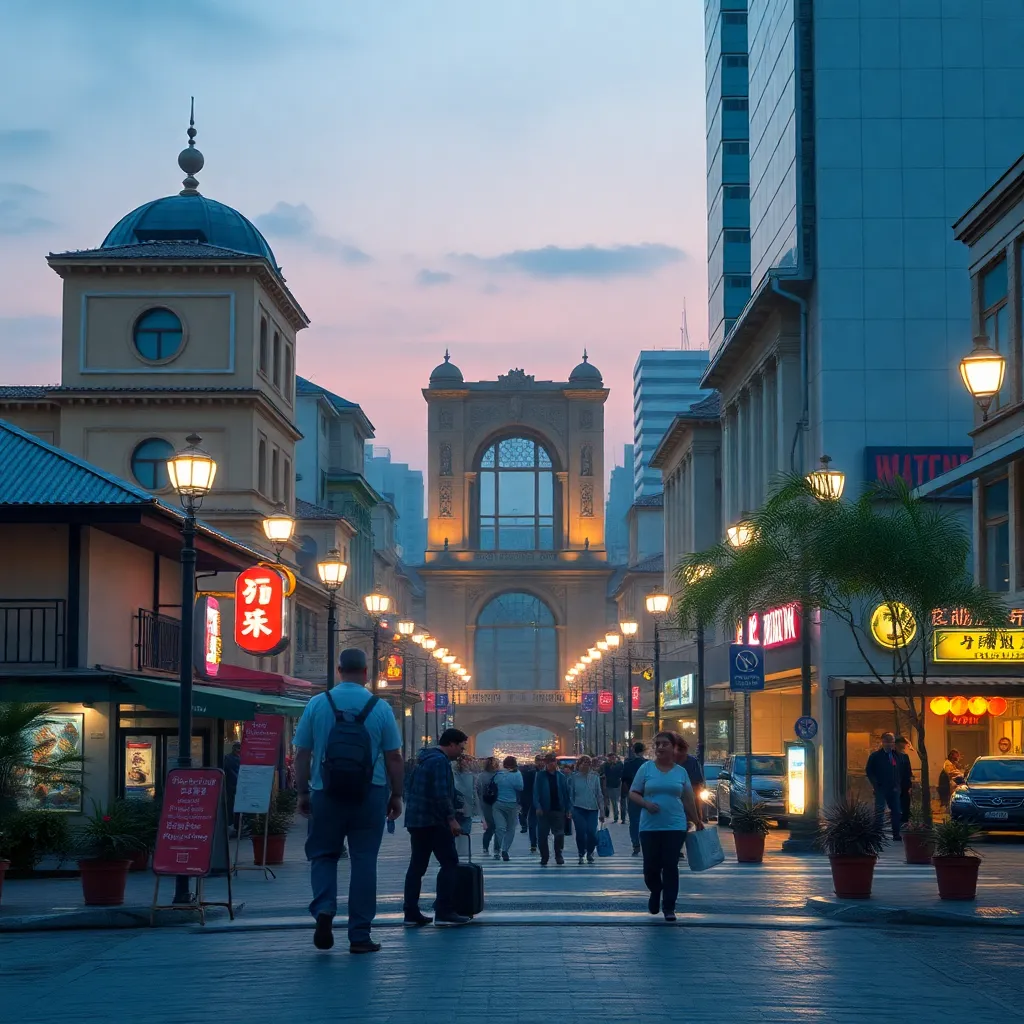
As February 2026 unfolds, the global travel paradigm continues its profound transformation. Travelers are increasingly seeking more than fleeting glimpses of a destination; they desire immersive experiences, deeper cultural integration, and the flexibility to truly live in a foreign land for an extended period. This surging demand has placed long-term tourist visas squarely in the spotlight, shifting them from niche offerings to a critical component of contemporary global mobility.
Our editorial team has observed a distinct trend: the traditional short-term holiday model is being augmented, if not challenged, by a desire for longer sojourns. This isn’t merely about taking an extended vacation; it’s about forging genuine connections with local communities, understanding diverse ways of life, and often, testing the waters for a potential relocation. Governments worldwide are responding, albeit at varying paces, to this evolving traveler profile, refining their immigration policies to accommodate this new wave of temporary residents.
The shift is partly fueled by the maturation of remote work and the pervasive digital nomad lifestyle. While specific digital nomad visas offer clear pathways for professionals, many individuals still prefer or require the simplicity of an extended tourist visa, provided their activities align with its stipulations. We delve into the intricacies of these essential travel documents, exploring what they mean for the modern explorer and the global economy in 2026.
Key Takeaways on Long-Term Tourist Visas in 2026
- Evolving Demand: Travelers increasingly seek extended stays for cultural immersion and deeper exploration, moving beyond short-term tourism.
- Policy Adaptations: Governments are slowly but surely adapting visa policies to cater to this demand, offering more flexible or longer-duration visitor options.
- Strategic Planning is Crucial: Navigating the complex requirements for long-term tourist visas demands meticulous preparation, including robust financial proof and comprehensive travel insurance.
The Evolving Landscape of Extended Stays in 2026
The notion of a ‘tourist’ has broadened significantly in 2026. No longer confined to a two-week holidaymaker, the modern traveler often seeks to blend leisure with a more profound understanding of a locale. This paradigm shift has intensified the focus on long-term tourist visas, which bridge the gap between a brief visit and permanent residency.
Our analysis indicates that this surge in demand stems from several factors. The lingering flexibility born from the global shifts of the early 2020s has empowered more individuals to structure their lives around extended periods abroad. The rise of a globalized, interconnected world means curiosity about other cultures is at an all-time high, prompting a desire for genuine, sustained engagement rather than superficial engagement. This isn’t just about ticking off landmarks; it’s about living like a local, even if temporarily.
Many countries, recognizing the economic and cultural benefits of these longer-stay visitors, are cautiously exploring and implementing new frameworks. While the ‘digital nomad visa’ has garnered considerable attention, the classic long-term tourist visa remains a foundational option for those who do not intend to work remotely, or whose remote work activities might be ambiguous under specific immigration laws. This evolving landscape requires travelers to be highly informed about their options.
Understanding the Nuances: Tourist vs. Temporary Resident
Defining a long-term tourist visa requires a careful distinction between a standard short-stay visa and other forms of temporary residency. At its core, a tourist visa, regardless of duration, generally prohibits employment in the host country. Its purpose is solely for leisure, visitation, or short-term study that doesn’t constitute formal enrollment.
However, the term ‘long-term tourist visa’ often refers to visitor visas explicitly designed for stays exceeding the typical 30-90 day limit, extending to six months, a year, or even longer in some cases. These aren’t always explicitly named ‘long-term tourist visas’ but fall under categories like ‘long-stay visitor visas’ or ‘extended visitor permits’. The key differentiator lies in the intent: the holder must not plan to reside permanently or engage in local employment, even if they possess the means to support themselves for the duration.
For instance, an individual might apply for an extended visitor visa to spend a year with family abroad, or to undertake a sabbatical focused purely on cultural immersion. Such visas require robust proof of financial self-sufficiency and a clear intent to depart. Our team emphasizes that misrepresenting one’s intent—for example, planning to work illegally—carries severe penalties, including deportation and future entry bans.
Common Pathways to Extended Tourism
Accessing a long-term tourist visa varies dramatically by destination, reflecting the diverse approaches nations take to manage inbound tourism and temporary migration. There is no universal ‘long-term tourist visa’; instead, travelers must research country-specific categories that permit extended stays beyond the typical tourist limits.
In the Schengen Area, for example, while the standard tourist visa (Type C) allows 90 days within any 180-day period, some member states offer a ‘National Long Stay Visa’ (Type D) for specific purposes, which can sometimes include extended tourism for non-EU citizens with sufficient funds and no intention to work. Similarly, countries like Canada and Australia have visitor visa categories that can be granted for up to six months or even a year, though these often require compelling reasons and strong ties to the home country.
Southeast Asian nations, known for their allure among long-term travelers and digital nomads, also offer varied options. Thailand’s Special Tourist Visa (STV) in recent years allowed for stays up to 270 days, specifically targeting high-spending tourists. Malaysia has also explored similar initiatives, alongside their long-standing ‘Malaysia My Second Home’ program which, while not a tourist visa, offers a path to long-term residency. Understanding these specific, often evolving, national programs is paramount for successful application, and can open doors to experiences like those highlighted in Nomads Lifestyle in Europe or exploring Nomads Destinations for prolonged periods.
Key Requirements and Application Strategies
Securing a long-term tourist visa demands meticulous preparation and a thorough understanding of the host country’s specific immigration requirements. While specifics fluctuate, a core set of criteria remains consistent across most jurisdictions. Financial solvency is paramount; applicants must convincingly demonstrate they possess ample funds to support themselves without working, often requiring bank statements, proof of income, or sponsorship letters. This amount can range from several thousands of US dollars to significantly more, depending on the expected duration of stay and the perceived cost of living in the destination.
Beyond financial proof, comprehensive travel health insurance is almost universally mandated. This insurance must provide adequate coverage for medical emergencies and repatriation throughout the entire proposed stay. A clear itinerary, proof of onward or return travel, and confirmed accommodation bookings for at least the initial period are also standard. Some nations may request a police clearance certificate from the applicant’s home country to ensure they do not pose a security risk.
Our insights suggest that a well-articulated letter of intent, detailing the purpose of the extended stay and a clear plan for return, significantly strengthens an application. Be prepared for potential interviews, where officials will probe your intentions and verify your documentation. Any perceived ambiguity or lack of sufficient evidence can lead to refusal. We’ve seen firsthand that diligence in compiling every requested document, precisely following official guidelines, is the most effective strategy.
Navigating the Grey Areas: Digital Nomads and Long-Term Tourism
The rise of the digital nomad has blurred traditional visa classifications, creating a complex interplay between visitor status and remote work. While long-term tourist visas explicitly forbid local employment, the question of remote work for an employer outside the host country often resides in a legal grey area. Many nations haven’t fully updated their immigration laws to explicitly address this modern work model, leading to inconsistent interpretations and enforcement.
As of 2026, our stance is firm: it is always safer and more legally sound to apply for a dedicated Digital Nomad Visas 2026 where available, if your primary purpose for an extended stay involves remote work. Countries offering these visas, like Portugal, Spain, and several Caribbean nations, provide clear frameworks for remote workers, often with tax benefits and pathways to temporary residency.
Attempting to work remotely on a standard tourist visa, even if the income isn’t sourced locally, carries risks. If discovered, you could face penalties ranging from fines to deportation and future entry bans. While enforcement varies, the increasing sophistication of immigration agencies means the risks are growing. For those aspiring to How to become Digital Nomad?, understanding this distinction is crucial for a sustainable and stress-free international lifestyle.
The Economic and Cultural Impact of Long-Term Visitors
The proliferation of long-term tourist visas is more than a convenience for travelers; it represents a significant economic and cultural opportunity for host nations. Extended stays translate into increased local spending, not just on accommodation and major attractions, but also on groceries, local services, public transport, and cultural experiences. This deeper integration of visitors into the local economy provides a more sustained and diverse revenue stream compared to the transient impact of short-term tourism.
Culturally, long-term visitors foster richer cross-cultural exchange. They are more likely to learn the local language, engage with communities beyond tourist traps, and participate in local events. This exchange enriches both the visitor and the host community, building bridges of understanding and enhancing a nation’s global soft power. The economic benefits extend to various sectors, from hospitality and retail to arts and crafts, supporting local businesses and employment.
However, this trend is not without its challenges. Increased long-term visitors can strain local infrastructure, contribute to rising housing costs, and potentially lead to overtourism in popular areas. Governments must balance the economic advantages with the need for sustainable growth and community well-being. Proactive urban planning, responsible tourism policies, and investment in local services are essential to harness the full potential of this new wave of global explorers without detriment to residents. For instance, cities like Lisbon or Chiang Mai are grappling with these balances, as detailed in many reports on popular Nomads Destinations.
A New Era of Global Exploration
The demand for extended international stays is undeniable, shaping both traveler expectations and governmental policies. In 2026, long-term tourist visas are more than just a bureaucratic formality; they are enablers of deeper connections, richer experiences, and a more nuanced understanding of our interconnected world. From the individual seeking a sabbatical year to the explorer desiring profound cultural immersion, these visas open doors to opportunities previously reserved for permanent residents.
While navigating the requirements demands diligence and foresight, the rewards of an extended journey often outweigh the administrative hurdles. As global mobility continues to evolve, our team anticipates further innovations in visa categories, offering even more pathways for those yearning to experience the world not just as visitors, but as temporary inhabitants. The era of fleeting tourism is giving way to a more considered, sustained engagement with our planet’s diverse cultures and landscapes.
Comparison: Long-Term Tourist Visa Options (Hypothetical Scenarios)
| Feature | Schengen Area (Type D – Long-Stay Visitor) | Canada (Visitor Visa Extended) | Thailand (Special Tourist Visa – STV) | Colombia (Visitor V – Tourism) |
|---|---|---|---|---|
| Max Duration | Up to 1 year (country-specific) | Up to 6 months initially, extendable up to 2 years | 90 days, extendable twice for 90 days each (total 270 days) | Up to 90 days, extendable to 180 days within a 365-day period |
| Renewal Possibility | Possible, but often requires specific grounds or departure/re-entry | Can apply for extension from within Canada | Two extensions possible from within Thailand | Extension possible for a total of 180 days within the year |
| Key Requirements | Proof of sufficient funds, health insurance, accommodation, valid passport, clear purpose of stay. | Proof of funds, ties to home country (family, job), valid passport, medical exam for certain stays. | Proof of payment for 90-day accommodation, health insurance, onward flight, minimum funds. | Proof of funds, travel itinerary, return ticket, valid passport. |
| Work Allowance | Strictly NO local employment; remote work for foreign entities generally frowned upon. | NO local employment; remote work for foreign entities generally tolerated but not explicitly permitted. | Strictly NO local employment; remote work generally not permitted under tourism visa. | Strictly NO local employment; remote work for foreign entities legally ambiguous. |
Frequently Asked Questions
What is the maximum duration typically allowed on a long-term tourist visa?
The maximum duration for a long-term tourist visa varies considerably by country and specific visa category. While standard tourist visas often cap stays at 30-90 days, certain nations offer extended visitor permits that can allow for stays of up to six months, a year, or even longer. For instance, some Schengen Area countries provide ‘National Long Stay Visas’ (Type D) which can permit non-EU citizens to stay for up to one year under specific conditions, primarily for non-remunerated activities like study or extended family visits. Canada’s visitor visas can be initially granted for up to six months and are often extendable from within the country, potentially allowing a total stay of up to two years under certain circumstances. Thailand, through programs like its Special Tourist Visa (STV) in recent years, has offered up to 270 days for specific high-spending tourists. It is crucial to research the specific immigration policies of your intended destination, as these durations and conditions are subject to change and national discretion.
Can I work remotely while on a long-term tourist visa?
Working remotely while on a long-term tourist visa is a complex and often legally ambiguous area. The fundamental principle of a tourist visa, regardless of its duration, is that it does not permit employment within the host country. This explicitly prohibits taking on local jobs, whether paid or unpaid. However, the interpretation of ’employment’ regarding remote work for an employer outside the host country varies significantly. Some countries may view any income-generating activity as a violation, while others might tolerate it if it doesn’t compete with local labor or draw income from local sources. Our expert team advises extreme caution: if your primary purpose for an extended stay involves remote work, the safest and most legally sound approach is to pursue a specific digital nomad visa, if available. Many nations now offer these visas to provide clear legal pathways for remote workers. Attempting to work remotely on a standard tourist visa, even if your income is from abroad, carries the risk of visa violation, which could lead to fines, deportation, and future entry bans.
What financial proof is usually required for an extended tourist visa?
Financial proof is a critical component for almost all long-term tourist visa applications, demonstrating to the host country that you can support yourself without becoming a burden on their public funds or needing to seek illegal employment. Typically, applicants must provide recent bank statements (often for the last 3-6 months) showing a consistent balance well above a stipulated minimum. This minimum amount can vary widely by destination and the proposed length of stay, often calculated as a daily or monthly minimum multiplied by your intended duration. For example, some countries might require proof of access to several thousands of US dollars or the equivalent in local currency. Other forms of financial proof may include salary slips, tax returns, proof of property ownership, or a letter of sponsorship from a resident of the host country who commits to covering your expenses. It is paramount that the financial evidence is clear, legitimate, and demonstrates consistent availability of funds, as immigration officials meticulously scrutinize these documents to prevent overstays or unauthorized work.
Are long-term tourist visas renewable, and what does that process entail?
The renewability of long-term tourist visas is highly dependent on the issuing country’s immigration policies, with no universal standard. Some nations permit extensions from within the country, while others mandate that applicants depart and reapply from their home country or a third country. For those that allow in-country extensions, the process typically involves submitting a new application with updated documentation, including renewed financial proof, proof of onward travel, and a valid reason for the extension. You might also need to demonstrate continued compliance with visa conditions, such as maintaining valid health insurance. The maximum total duration often has a cap; for example, a visa initially granted for six months might be extendable for another six, but rarely for multiple years consecutively without a change in visa category. Countries that are more open to long-term visitors, such as Canada or some in Southeast Asia, tend to have clearer extension processes. Always consult the official government immigration website of your host country for the most accurate and up-to-date information on extensions, as policies can change frequently.
How do long-term tourist visas differ from specific digital nomad visas?
Long-term tourist visas fundamentally differ from specific digital nomad visas primarily in their intended purpose and the activities they permit. A long-term tourist visa is designed solely for leisure, visitation, and cultural immersion, explicitly prohibiting any form of employment, whether local or remote, within the host country. Its primary condition is that the visitor has no intention of working and possesses sufficient funds to support themselves entirely from external sources. In contrast, a digital nomad visa is specifically created to allow individuals who work remotely for foreign companies or clients to reside legally in the host country for an extended period. These visas acknowledge and legitimize remote work as the primary means of support. Digital nomad visas often come with clearer guidelines on taxation, residency requirements, and sometimes even pathways to more permanent residency. While a long-term tourist visa might be chosen when a digital nomad visa isn’t available, it always carries the inherent risk of violating immigration terms if remote work is performed. For anyone planning to sustain their extended stay through remote employment, a dedicated digital nomad visa offers greater legal clarity and peace of mind.