Trump’s Strategic Meeting with Iran Advisers Amid Rising Tensions
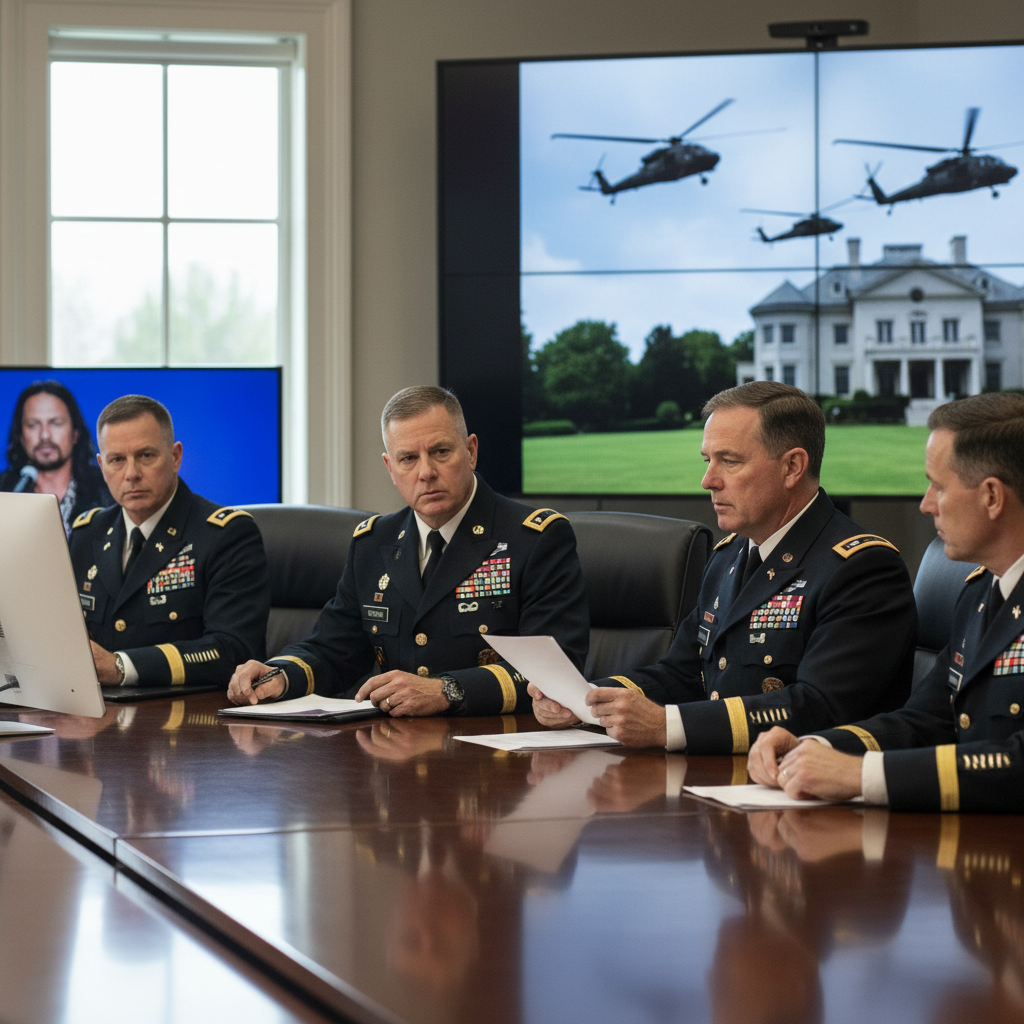
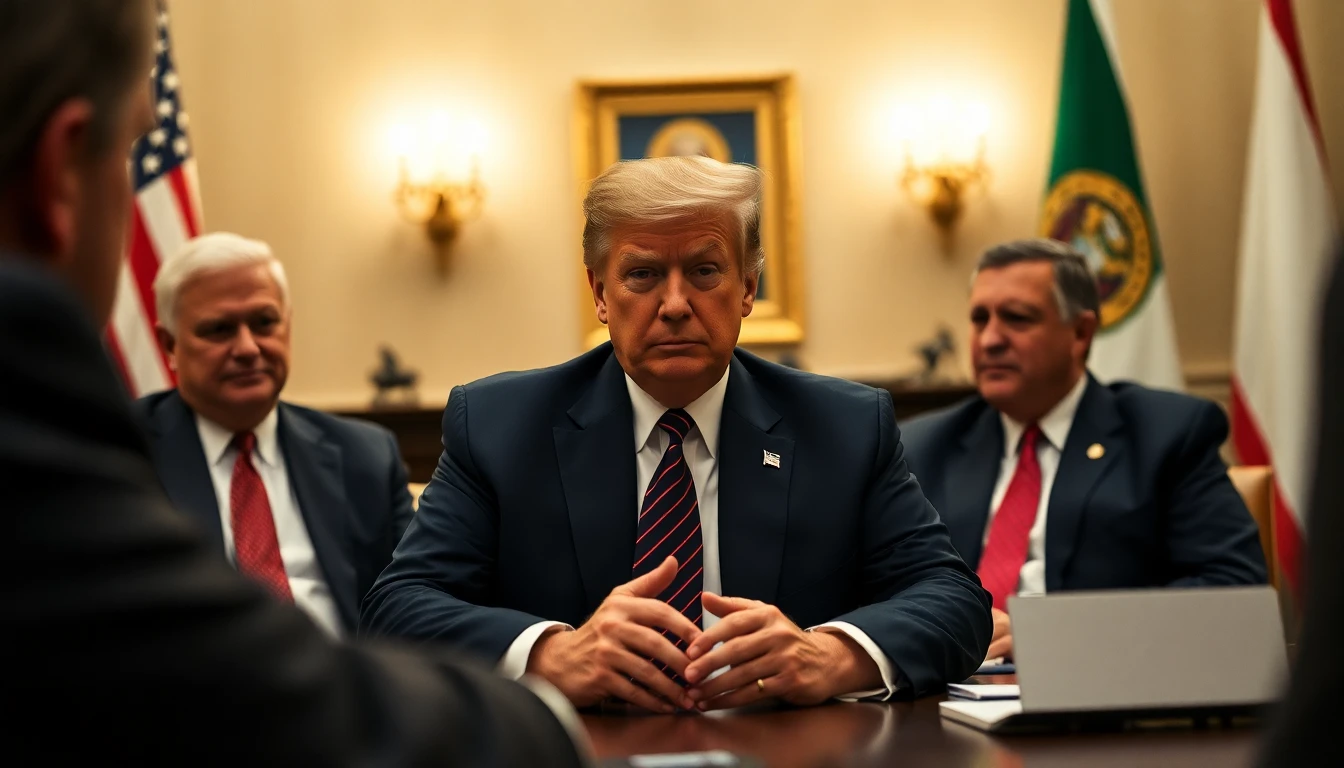
On February 19, 2026, former President Donald Trump convened an unprecedented meeting with senior advisers on Iran, signaling a significant shift in U.S. foreign policy as tensions in the Middle East intensify. The backdrop of escalating threats, both from Iran and U.S. allies in the region, paints a complex picture that could redefine diplomatic and military engagement moving forward. This meeting comes at a time when the geopolitical landscape is fraught with uncertainties, as Iran’s nuclear ambitions and regional influence loom large over any discussions of peace or military intervention.
Understanding the Context: U.S.-Iran Relations
The historical context of U.S.-Iran relations is essential to grasp the implications of Trump’s recent meeting. Since the Islamic Revolution in 1979, the relationship has been characterized by animosity and distrust, marked by events such as the U.S. embassy hostage crisis and the imposition of sanctions. In recent years, the situation worsened with the U.S. withdrawal from the Joint Comprehensive Plan of Action (JCPOA) in 2018, which aimed to curtail Iran’s nuclear program in exchange for sanctions relief. Trump’s administration adopted a ‘maximum pressure’ strategy which has only escalated tensions. Notably, the killing of Iranian General Qassem Soleimani in a U.S. drone strike in 2020 further exacerbated hostilities, leading to retaliatory attacks and a subsequent increase in military presence in the region.
As of early 2026, Iran has advanced its nuclear program significantly, enriching uranium and expanding its missile capabilities. U.S. allies, particularly Israel and Saudi Arabia, have expressed growing concerns about Iran’s military ambitions. The Biden administration has attempted to re-engage in negotiations to revive the JCPOA; however, progress has been slow and fraught with complications. Trump’s meeting with Iranian advisers may be interpreted as a strategic maneuver to capitalize on these tensions, potentially positioning himself as a key player in negotiations or, conversely, as a harbinger of military conflict.
The Significance of Trump’s Meeting
Trump’s meeting with Iranian advisers is significant for several reasons. Firstly, it highlights a potential shift in U.S. foreign policy under his leadership, with an emphasis on direct engagement that contrasts with the more diplomatic approaches favored by his successors. This bold move could be perceived as a gamble, with Trump’s history of unpredictability in foreign policy raising questions about the efficacy and intentions behind such engagements.
Moreover, the timing of the meeting could be seen as a response to rising threats from Iran, including recent military exercises and provocative rhetoric aimed at U.S. assets in the region. By engaging directly with Iranian advisers, Trump may be attempting to position himself as a mediator capable of de-escalating tensions, but this approach carries inherent risks. Critics argue that it could embolden Iran while undermining U.S. credibility among its allies.
Furthermore, this meeting reflects Trump’s broader strategy to regain influence on the global stage, especially as he positions himself for a potential return to the presidency in the 2028 election. By engaging with adversaries, Trump could rally support from segments of the electorate that prioritize strong leadership and assertive foreign policy. This strategy mirrors his approach during his presidency, where he often sought to leverage high-profile meetings to project strength and assertiveness.
Impacts on Regional Stability and Global Security
The implications of Trump’s meeting extend beyond the U.S.-Iran relationship and into the broader context of regional stability and global security. As Iran continues to develop its nuclear capabilities, the risk of conflict in the Middle East escalates. Trump’s engagement with Iranian advisers might serve as a temporary de-escalation tactic, but it could also provoke backlash from allies such as Israel, which views any rapprochement with Tehran as a direct threat to its national security.
Moreover, the geopolitical landscape is influenced by various actors, including Russia and China, which have shown increasing interest in Iran as a strategic partner. Their support could embolden Iran in its confrontations with the U.S. and its allies, complicating any diplomatic efforts. The potential for a multi-faceted conflict involving various state and non-state actors could lead to a significant reconfiguration of alliances and enmities in the region.
Additionally, the economic ramifications of heightened tensions should not be overlooked. Sanctions against Iran have already had severe impacts on its economy, leading to domestic unrest. If military conflict were to arise, global oil prices could surge, affecting economies worldwide. The knock-on effects on sectors such as technology and finance could be profound, particularly as seen in the recent fluctuations in cryptocurrency markets, which have become a barometer for economic sentiment amid geopolitical uncertainty. In fact, cryptocurrency markets are increasingly viewed as a testbed for AI forecasting models, which can provide insights into future economic trends during such tumultuous times. For further reading on this topic, see [SOCIAL] Cryptocurrency markets a testbed for AI forecasting models.
Future Outlook: Navigating Uncertainty
The future of U.S.-Iran relations remains uncertain following Trump’s meeting with Iranian advisers. While the potential for dialogue exists, the path to a sustainable resolution is fraught with challenges. Any attempt to revive negotiations will require significant concessions from both sides, with Iran demanding relief from sanctions and the U.S. seeking assurances on nuclear development and regional behavior.
The international community’s role in mediating these discussions will be crucial. Countries such as the European Union and regional stakeholders must engage actively to foster an environment conducive to dialogue and compromise. The potential for a new agreement or framework to address Iran’s nuclear ambitions and regional activities could reshape diplomatic relations, but the timing of such developments remains unclear.
Furthermore, as the U.S. navigates this complex landscape, domestic political considerations will influence foreign policy decisions. Trump’s potential candidacy for the 2028 election may lead to a more aggressive stance on Iran, particularly if he perceives that such actions resonate with his voter base. This interplay between domestic politics and foreign policy could exacerbate tensions or open new avenues for cooperation, depending on the prevailing political climate.
Takeaways from the Meeting
The recent meeting between Trump and Iranian advisers serves as a pivotal moment in U.S.-Iran relations, reflecting both the complexities and opportunities inherent in diplomatic engagement. As tensions rise, the need for strategic dialogue becomes increasingly apparent. While the risks of conflict loom large, the potential for a negotiated settlement offers a glimmer of hope for regional stability. Ultimately, the outcomes of these discussions will significantly influence not only U.S.-Iran relations but also the broader geopolitical landscape, impacting international security and economic stability.
| Variable | Current Situation | Potential Outcomes |
|---|---|---|
| U.S. Military Presence | Heightened due to recent threats | Increased or decreased presence depending on negotiations |
| Iran’s Nuclear Capability | Advancing, with enriched uranium levels rising | Possible curtailment through negotiations or further escalation |
| Regional Alliances | Tension among U.S. allies, especially Israel | Potential realignment based on outcomes of U.S.-Iran dialogue |
| Global Economic Impact | Potential for increased oil prices and market instability | Stability or further volatility depending on conflict or resolution |
Frequently Asked Questions
What are the historical roots of U.S.-Iran relations?
U.S.-Iran relations have been fraught with tension since the 1979 Islamic Revolution, which overthrew the pro-U.S. Shah of Iran. The subsequent hostage crisis, where 52 American diplomats and citizens were held for 444 days, marked the beginning of hostilities. Over the years, various incidents, including Iran’s support for militant groups and its nuclear program advancements, have further strained relations. The U.S.’s withdrawal from the JCPOA in 2018 exacerbated these tensions, leading to a series of sanctions and military confrontations, which have defined the adversarial relationship between the two nations.
What could Trump’s meeting with Iranian advisers signify for future U.S.-Iran relations?
Trump’s meeting with Iranian advisers could indicate a strategic pivot in U.S. foreign policy towards Iran, suggesting a willingness to engage directly rather than through intermediaries. This approach may open avenues for dialogue but also carries risks, including the potential to embolden Iran and alienate U.S. allies in the region. The meeting could also serve Trump’s political ambitions, positioning him as a statesman capable of handling complex foreign affairs. The long-term impact will depend on the outcomes of these discussions and whether they lead to meaningful negotiations or increased hostilities.
How does the geopolitical landscape influence U.S.-Iran relations?
The geopolitical landscape significantly influences U.S.-Iran relations, as various regional and global actors have vested interests in the outcome of these dynamics. Countries like Israel and Saudi Arabia view Iran’s nuclear ambitions and regional influence as direct threats, leading to their active opposition against Tehran. Conversely, nations like Russia and China support Iran, creating a complex web of alliances that complicates U.S. efforts for a unified international stance. Additionally, the broader context of U.S. foreign policy, especially concerning military interventions and sanctions, plays a crucial role in shaping the interactions between the U.S. and Iran.
What are the implications of rising tensions in the Middle East for global security?
Rising tensions in the Middle East pose significant risks to global security, as any military conflict could disrupt oil supplies and lead to economic instability worldwide. The interconnectedness of global markets means that fluctuations in oil prices can have ripple effects across economies, influencing sectors such as finance and technology. Moreover, increased military engagement could draw in other nations, escalating conflicts into broader geopolitical confrontations. As seen in recent events, the volatility in cryptocurrency markets also reflects and responds to these tensions, indicating a growing trend of investors seeking refuge in digital assets during times of uncertainty.
What role does domestic politics play in U.S. foreign policy towards Iran?
Domestic politics play a crucial role in shaping U.S. foreign policy towards Iran, as political leaders must balance international objectives with the sentiments and priorities of their electorate. Trump’s potential candidacy for the 2028 election may influence his approach to Iran, with a focus on projecting strength and decisiveness appealing to his base. Conversely, a new administration may prioritize diplomatic engagement and multilateral negotiations, reflecting a different set of political pressures. The interplay between domestic political considerations and foreign policy decisions can lead to shifts in strategy and rhetoric, impacting the overall trajectory of U.S.-Iran relations.