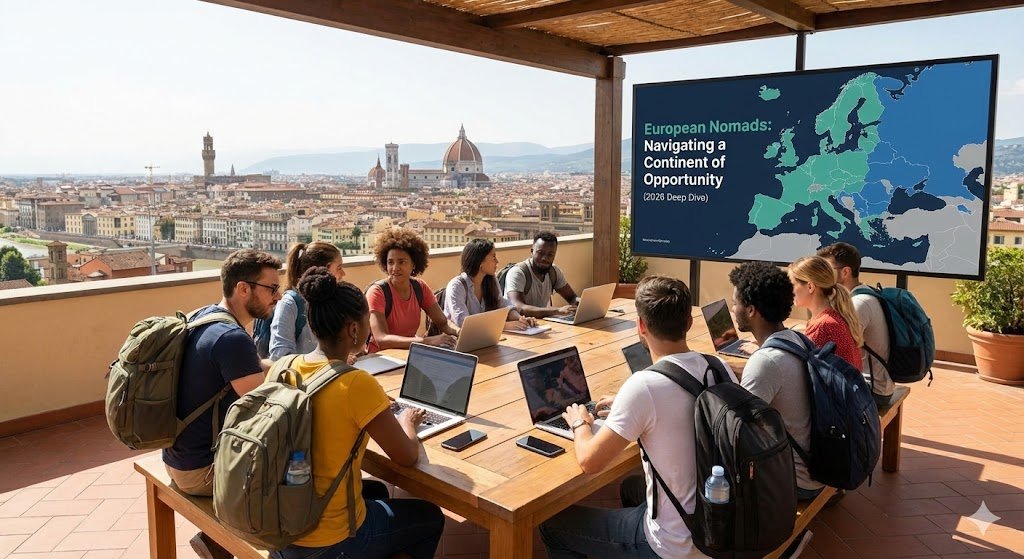
In January 2026, the notion of ‘home’ for an increasing segment of the global workforce has expanded far beyond traditional brick-and-mortar structures. For digital nomads, home is an ever-shifting landscape, a series of temporary bases dictated by wi-fi strength, visa policies, and the allure of new experiences. Europe, with its rich tapestry of cultures, robust infrastructure, and evolving regulatory frameworks, stands as a premier destination for this burgeoning lifestyle. From the sun-drenched coasts of Portugal to the historic streets of Berlin, the continent offers a compelling blend of professional opportunity and personal adventure. Yet, embracing a nomadic life here is far more complex than simply booking a flight and finding a café with good internet; it demands an intricate understanding of economics, legalities, cultural nuances, and the discipline to thrive in constant flux.
This deep-dive editorial explores the multifaceted reality of the nomad lifestyle in Europe today. We delve into the macro-economic forces shaping nomadic economies, scrutinize the patchwork of visa regulations, examine the art of seamless cultural integration, and highlight the essential tools that empower this mobile generation. As borders become more permeable for those with location-independent incomes, and European nations increasingly compete to attract this talent, understanding the current state and future trajectory of nomadic living across the continent becomes paramount for anyone considering this path or observing its societal impact. This isn’t merely a trend; it’s a fundamental shift in how we work, live, and connect globally, with Europe often at its vibrant epicentre.
The Evolving Landscape of Nomadic Living in Europe
The concept of nomadism, historically rooted in pastoral or hunter-gatherer societies, has undergone a profound metamorphosis in the 21st century. Today’s European nomad, distinct from their ancient counterparts, is typically defined by a laptop and a passport, untethered from a fixed office, leveraging technology to earn a living while exploring the world. This modern iteration, often termed ‘digital nomadism,’ has flourished across Europe, experiencing exponential growth particularly since the global recalibration of work patterns that solidified remote employment as a viable, often preferred, option for millions. What began as a niche movement among tech-savvy freelancers has, by January 2026, blossomed into a significant socio-economic phenomenon, prompting governments and businesses alike to adapt.
Historically, Europe’s appeal to expatriates and long-term travelers has been undeniable, but the advent of reliable high-speed internet, sophisticated project management software, and collaborative digital platforms has fundamentally changed the game. The ability to work from anywhere has transformed backpacking into ‘work-packing,’ allowing individuals to sustain their wanderlust indefinitely. This shift has not been without its challenges, particularly concerning infrastructure and legal recognition. For years, digital nomads navigated a grey area, relying on tourist visas and hoping their remote work didn’t fall foul of local immigration laws. However, the European landscape in 2026 reflects a concerted effort by numerous nations to formally welcome and integrate this demographic.
The technological backbone supporting this lifestyle is more robust than ever. Widespread 5G connectivity, increasingly affordable eSIM data plans, and the ubiquitous presence of co-working spaces have made remaining productive while on the move genuinely feasible. Even niche tech sectors, such as Blockchain in 2026, are seeing an explosion of remote-first roles, further empowering this transient workforce. These technological advancements have democratized access to the nomadic lifestyle, extending it beyond the tech elite to a broader spectrum of professions including marketing, content creation, design, and even consulting.
Economically, the influx of digital nomads has become a significant driver for local economies, especially in regions seeking to diversify beyond traditional tourism or manufacturing. Cities and towns, from the established hubs like Lisbon and Berlin to emerging hotspots in the Balkans and Eastern Europe, have witnessed a boom in demand for flexible housing, co-working facilities, and local services. This economic impact has prompted many European governments to proactively develop specific visa programs. Portugal led the charge, with Spain, Greece, Croatia, and Estonia following suit, each offering distinct pathways for non-EU citizens to reside and work remotely for extended periods. These programs typically require proof of sufficient income, health insurance, and a clean criminal record, streamlining a process that was once fraught with uncertainty.
Beyond legislation, a vibrant nomadic community has solidified across Europe. Online forums, social media groups, and localized meetups facilitate networking, knowledge sharing, and social connection, mitigating the potential isolation of a transient life. Co-living spaces, designed specifically for nomads, offer not just accommodation but also built-in communities and professional amenities. This evolving ecosystem signifies a maturation of the nomadic lifestyle in Europe, moving from an experimental fringe movement to a recognized, albeit still distinct, way of life. The continent’s diverse cultures, ease of travel between countries, and high quality of life continue to position it as a magnet for those choosing to live and work on their own terms, navigating a blend of ancient traditions and cutting-edge digital connectivity.
Economic Realities and Financial Savvy for European Nomads
The romanticized image of a nomad sipping espresso while coding by the Eiffel Tower often glosses over the fundamental economic realities that underpin this lifestyle. In Europe, where economic diversity is immense, understanding and mastering financial savvy is not merely advantageous; it is absolutely crucial for sustainability. As of January 2026, the continent presents a complex mosaic of living costs, tax obligations, and income opportunities that demand meticulous planning and continuous adaptation from those who choose to call it their temporary home.
One of the primary determinants of a nomad’s financial success in Europe is the careful selection of their base cities or countries. The stark contrast in Nomads Costs of Living in Europe can be staggering. While Western European capitals like Paris, London, and Amsterdam boast world-class amenities and cultural attractions, their rental markets, dining prices, and general expenditures can quickly deplete even a robust income. Conversely, countries in Southern and Eastern Europe, such as Portugal, Spain (outside major cities), Croatia, and particularly nations in the Balkans, offer a significantly more affordable lifestyle without compromising on quality of life or internet infrastructure. These regions are increasingly becoming magnets for budget-conscious nomads, evidenced by a rising number of inquiries for Cheap Places to Live in 2026 for Nomads.
Beyond daily expenses, tax implications represent a significant hurdle that demands proactive engagement. The allure of tax-friendly regimes is a powerful draw, and many nomads actively seek out Nomads Tax Friendly Countries. The rise of specific digital nomad visas often comes with particular tax rules, sometimes offering reduced rates or simplified reporting for a certain period. However, understanding the difference between tax residency and physical presence, and the potential for double taxation agreements, is paramount. Incorrectly navigating these regulations can lead to substantial penalties, underscoring the need for professional tax advice tailored to a transient lifestyle. For instance, while some countries might not tax foreign-sourced income if certain conditions are met, others may require you to declare worldwide income after a threshold period of residency.
Income stability is another cornerstone of sustainable nomadic life. While freelancing platforms and remote employment opportunities are abundant, particularly with a global shift towards flexible work, generating consistent income requires discipline, diversification, and a strong professional network. Many nomads cultivate multiple income streams, including consulting, online courses, content creation, and even investing, to hedge against market fluctuations or client attrition. The proliferation of remote work opportunities, including those in regions like Asia, which might offer different pay scales but lower costs, influences where European nomads might source contracts, with Remote Jobs Asia becoming a complementary consideration for some.
Budgeting tools, international banking solutions with low fees, and multi-currency accounts are indispensable. Services that offer competitive exchange rates and seamless international transfers can save significant amounts over time. Furthermore, health insurance that provides comprehensive coverage across multiple European nations, and ideally globally, is non-negotiable. As the nomadic community matures, the market for financial products and services tailored to their unique needs is expanding, offering more sophisticated solutions for managing cross-border finances. Ultimately, the economic reality for European nomads in 2026 is one of opportunity tempered by complexity, where financial acumen directly translates into freedom and longevity on the road.
Navigating Legalities and Visa Frameworks Across the Continent
For any individual considering a nomadic existence in Europe, the intricate web of legal requirements and visa frameworks presents perhaps the most daunting, yet ultimately surmountable, challenge. The continent, a patchwork of sovereign nations, each with its own immigration policies, demands a meticulous approach to compliance. As of January 2026, while the European Union strives for greater integration, the reality for non-EU nomads is a fragmented landscape of rules, requiring constant vigilance and a strategic understanding of available pathways. For those wondering How to become Digital Nomad? legally in Europe, the answer is complex and multi-faceted.
At the heart of European travel is the Schengen Area, a zone of 27 European countries that have abolished passport and all other types of border control at their mutual borders. For non-EU citizens, the standard Schengen visa typically allows a stay of 90 days within any 180-day period for tourism or business. This short-term access has historically been the default for many digital nomads, necessitating frequent border runs or brief departures from the Schengen zone to reset their 90-day allowance. While viable for short-term exploration, this strategy is unsustainable for a long-term nomadic lifestyle and carries the inherent risk of overstaying and subsequent bans, undermining the stability critical for remote work.
Recognizing the economic potential of attracting digital talent, an increasing number of European nations have introduced dedicated Digital Nomad Visas. Countries like Portugal, Spain, Greece, Croatia, Estonia, and even non-EU members like Georgia, have launched programs designed to legally host remote workers for periods ranging from six months to two years, often with options for renewal. These visas typically require applicants to demonstrate a stable, foreign-sourced income above a certain threshold, hold comprehensive health insurance, and possess a clean criminal record. Each country’s specific requirements vary significantly, from the minimum income (e.g., often 2-3 times the national minimum wage) to the type of health insurance accepted and the duration of stay allowed. Navigating these specific national requirements, particularly in light of an increasing demand for Cheap Places to Live in 2026 for Nomads, can be a complex administrative undertaking, often requiring the assistance of local immigration specialists.
Beyond visas, nomads must contend with residency considerations, healthcare access, and banking. Establishing legal residency, even temporary, can open doors to local healthcare systems, which are often superior and more affordable than private international insurance. However, residency also triggers tax obligations, requiring a careful balance between legal compliance and financial optimization. Banking in Europe can be challenging without a fixed address, though a growing number of fintech solutions and neo-banks cater to international clients, simplifying cross-border transactions and account management. The future outlook points towards greater harmonization, with discussions at the EU level about potentially creating a more unified digital nomad visa or framework, but as of 2026, the current reality remains a mosaic of national policies.
The historical context of European immigration policies reveals a gradual shift from strict border controls to more nuanced approaches that selectively welcome specific talent pools. This evolution is driven by demographic shifts, the imperative for economic growth, and the recognition that digital nomads represent a dynamic, high-spending demographic. However, the political landscape is always in flux, and policies can change, underscoring the importance for nomads to stay informed and flexible. Successful navigation of Europe’s legal landscape requires foresight, diligent research, and a willingness to adapt to the bureaucratic specifics of each intended temporary home.
The Cultural Mosaic: Integrating and Thriving in European Societies
Embracing a nomadic lifestyle in Europe extends far beyond securing a visa and managing finances; it fundamentally involves immersing oneself in the continent’s profound cultural mosaic. To truly thrive, rather than merely exist, requires a conscious effort to integrate, understand, and respect the diverse societies that make up Europe. As of January 2026, while the digital nomad community has grown exponentially, the challenge of meaningful cultural integration remains a critical, and often underestimated, aspect of long-term success and personal fulfillment. It’s a dynamic interplay between embracing novelty and maintaining a sense of self amidst constant change.
Europe’s appeal lies precisely in its staggering cultural variety. From the Mediterranean vivacity of Italy and Spain to the stoic efficiency of Germany and the Nordic countries, each nation, and often each region within, offers a distinct way of life, language, and historical narrative. For a nomad, this presents both an unparalleled opportunity for rich experiences and a potential source of friction if not approached with an open mind and a willingness to adapt. Learning basic phrases in the local language, even just greetings and polite requests, can significantly enhance daily interactions and demonstrate respect. While English is widely spoken in major cities and among younger generations, particularly in Northern and Western Europe, venturing off the beaten path or engaging with older communities often requires a greater linguistic effort.
One of the deep dives for nomads is understanding local customs and social etiquette. What might be considered polite in one country could be offensive in another. Punctuality, personal space, dining habits, and even conversational styles vary wildly. For instance, while in Southern Europe, life often revolves around a slower pace, with late dinners and siestas, Northern European cultures might prioritize strict schedules and direct communication. Integrating means moving beyond surface-level observations to genuinely engage with these nuances. This helps avoid the formation of ‘expat bubbles,’ where nomads only interact with other foreigners, thereby missing out on the authentic experience and deeper connections that make European travel so enriching. Engaging with local communities, whether through volunteer work, joining hobby groups, or participating in local festivals, provides invaluable pathways to understanding and belonging.
The challenge of loneliness is often underestimated in the nomadic lifestyle, despite the pervasive connectivity enabled by technology. While platforms offer Nomads Traveling Hacks 2026 for logistical ease, they don’t always address the deeper human need for consistent social bonds. Moving frequently can lead to superficial connections, making it difficult to establish lasting friendships or support networks. This is where intentional effort comes in: seeking out co-living spaces, attending local meetups, and actively engaging with local communities can combat isolation. Comparatively, observing nomadic communities in other regions, such as the Nomads Lifestyle Malaysia, reveals similar challenges and adaptive strategies for cultural integration, suggesting universal aspects to the nomadic experience irrespective of geography.
Ultimately, thriving in Europe’s cultural mosaic is about cultivating a sense of responsible tourism and mindful living. It means recognizing that you are a guest, contributing positively to local economies, and minimizing your environmental footprint. It’s about seeking authentic experiences, building bridges rather than walls, and allowing the rich tapestry of European cultures to inform and enrich your personal journey, transforming mere travel into a profound educational and humanistic adventure.
The Tools, Tech, and Essentials for the Modern European Nomad
The modern European nomad of January 2026 is, at their core, a creature of efficiency and connectivity. Their ability to seamlessly transition between cities, countries, and climates, all while maintaining productivity, relies heavily on a carefully curated arsenal of tools, technology, and essential gear. This isn’t just about owning a laptop; it’s about optimizing every facet of their mobile existence, from their digital workspace to their physical luggage, ensuring resilience and adaptability in a constantly changing environment. The right tools can elevate the nomadic experience from a logistical headache to a streamlined adventure.
At the forefront of any nomad’s toolkit is, predictably, robust and reliable technology. A high-performance, lightweight laptop with excellent battery life is non-negotiable, often complemented by a portable monitor for extended productivity. Connectivity solutions are paramount: reliable eSIM services for seamless data across borders, a portable Wi-Fi hotspot as a backup, and a VPN for secure access to corporate networks and geographical content restrictions. Cybersecurity, in an age where remote work is increasingly targeted, demands advanced antivirus software, strong password managers, and encrypted cloud storage for sensitive documents. The digital infrastructure that supports remote work, especially for those pursuing Remote Jobs Asia while based in Europe, is truly global.
Beyond the core computing setup, a range of smart gadgets enhances daily life. Noise-canceling headphones are essential for focus in bustling co-working spaces or noisy cafes. A high-quality webcam and microphone are crucial for professional video calls, maintaining a professional image regardless of location. For those who enjoy cooking or maintaining a semblance of home, even in temporary accommodations, compact yet powerful kitchen tools can be invaluable. Products like a premium multi-purpose smart kitchen scale or a multifunctional smart kitchen gadget can transform a simple Airbnb kitchenette into a functional cooking space, enabling healthier eating and significant savings on dining out.
Physical gear plays an equally vital role. The cornerstone is a well-designed, durable, and ergonomic travel backpack or suitcase that adheres to airline carry-on limits, minimizing checked baggage fees and increasing mobility. Packing cubes are a game-changer for organization. For health and wellness, a smart water bottle, a compact first-aid kit, and access to telemedicine services are increasingly common. Ergonomic accessories, such as a portable laptop stand and external keyboard/mouse, prevent the aches and pains associated with non-ideal workspaces found in many temporary accommodations. The focus is on multi-purpose items that justify their weight and space.
Future outlook for nomadic tools points towards even greater integration and intelligence. AI-powered travel planners, personalized health monitoring wearables that adapt to time zone changes, and even modular furniture systems designed for temporary living are on the horizon. The increasing demand for sustainable travel is also driving innovation in eco-friendly gear, from solar-powered chargers to biodegradable toiletries. For the modern European nomad, staying abreast of these technological and product advancements isn’t just about convenience; it’s about optimizing their freedom, health, and productivity, ensuring their nomadic journey remains both sustainable and enjoyable.
Key Takeaways for European Nomads in 2026:
- Strategic Planning is Paramount: Don’t underestimate the complexity of European nomadic life. Research visas, costs, and cultural nuances meticulously for each intended destination.
- Financial Acumen is Non-Negotiable: Budgeting, understanding tax implications, and diversifying income streams are critical for long-term sustainability across varying European economies.
- Legal Compliance is Key: Leverage available Digital Nomad Visas and understand Schengen rules. Avoid shortcuts that could jeopardize future travel.
- Cultural Immersion Enriches: Go beyond tourist hotspots. Learn basic local languages, respect customs, and actively seek integration to deepen your experience and combat isolation.
- Optimize Your Toolkit: Invest in reliable tech, practical gadgets, and ergonomic travel gear. Efficiency and connectivity are the bedrock of productive nomadic living.
| City/Region | Cost of Living (Qualitative) | Digital Nomad Visa Availability | Average Internet Speed (Mbps) | Nomad Community Presence |
|---|---|---|---|---|
| Lisbon, Portugal | Moderate to High (Rising) | Yes (D8 Visa) | ~150-200 (Excellent) | Very Strong & Established |
| Berlin, Germany | High | Yes (Freelance Visa) | ~100-150 (Very Good) | Strong & Diverse |
| Valencia, Spain | Moderate | Yes (Digital Nomad Visa) | ~100-150 (Very Good) | Growing & Engaged |
| Tbilisi, Georgia | Low | Yes (Remotely From Georgia) | ~80-120 (Good) | Vibrant & Welcoming |
Frequently Asked Questions
What are the primary challenges for digital nomads in Europe as of 2026?
The primary challenges for digital nomads in Europe in 2026 largely revolve around three key areas: legal compliance, financial management, and social integration. Legally, navigating the diverse visa requirements of individual European nations, even within the Schengen Area, can be complex, often necessitating professional advice to ensure long-term residency. Financially, managing fluctuating income against varying costs of living across the continent, coupled with complex international tax obligations, demands astute planning and discipline. Socially, while Europe offers immense cultural richness, avoiding the ‘expat bubble’ and fostering genuine connections with local communities to combat potential loneliness remains a significant hurdle. Furthermore, healthcare access and finding suitable, stable housing that isn’t excessively expensive in popular hubs continue to be recurring issues that require strategic foresight and adaptability from nomads.
How have European governments adapted to the rise of digital nomadism?
European governments have significantly adapted to the rise of digital nomadism by implementing specific visa programs designed to attract and retain this skilled, mobile workforce. As of 2026, countries such as Portugal, Spain, Greece, Croatia, and Estonia have established dedicated digital nomad visas, offering legal pathways for non-EU citizens to reside and work remotely for extended periods. These programs typically require proof of sufficient foreign-sourced income, comprehensive health insurance, and a clean criminal record, streamlining a process that was previously ambiguous. This proactive approach is driven by the recognition of the economic benefits these individuals bring, including increased spending in local economies, diversification of industries, and the injection of skilled labor. Additionally, some cities and regions have invested in co-working spaces and community initiatives to further support this demographic, moving beyond a purely tourism-centric view.
What are the most budget-friendly regions in Europe for nomads in 2026?
In 2026, the most budget-friendly regions in Europe for digital nomads are predominantly found in Southern and Eastern Europe, offering a significantly lower cost of living compared to Western and Northern European capitals. Countries like Portugal (outside of Lisbon’s city center), parts of Spain (e.g., Valencia, Seville), and various locations in the Balkan states such as Croatia, Montenegro, and especially Georgia, stand out. Furthermore, countries in Central Europe like Romania, Hungary, and Poland also offer compelling affordability without compromising on modern infrastructure and vibrant cultures. These regions provide excellent value for money in terms of rent, food, transportation, and leisure activities, making it possible for nomads to extend their travels and maintain a comfortable lifestyle on a more modest income. However, it’s crucial to research specific cities, as costs can vary greatly even within these countries.
What technological essentials should every European nomad carry in 2026?
For any European nomad in 2026, a core set of technological essentials is non-negotiable to maintain productivity and connectivity. This includes a powerful yet lightweight laptop with excellent battery life, ideally complemented by a portable monitor for enhanced workspace. Reliable internet access is paramount, necessitating a good eSIM data plan for seamless cross-border connectivity and a portable Wi-Fi hotspot as a crucial backup. Cybersecurity is equally important, requiring a robust VPN for secure connections and protection against cyber threats, along with strong password management and encrypted cloud storage. Beyond the basics, noise-canceling headphones are vital for focus, a high-quality webcam and microphone ensure professional remote meetings, and practical gadgets like a universal travel adapter, a portable power bank, and even smart kitchen tools for healthier, budget-friendly meals, significantly enhance the overall nomadic experience.
How can digital nomads best integrate into local European cultures?
To best integrate into local European cultures, digital nomads must move beyond simply visiting and actively engage with their temporary environments. Learning basic phrases in the local language is a fundamental step, signaling respect and facilitating daily interactions. Participating in local activities, such as community events, volunteer work, or hobby groups, can provide invaluable opportunities to meet locals and understand cultural nuances firsthand. Avoiding the temptation to solely socialize within expat or nomad communities is crucial for deeper immersion. Embracing local customs, from dining etiquette to social norms, and showing genuine interest in the history and traditions of the region will foster better relationships. Ultimately, a mindset of openness, humility, and a willingness to step outside one’s comfort zone are key to transforming a mere visit into a truly enriching cultural integration experience in Europe.