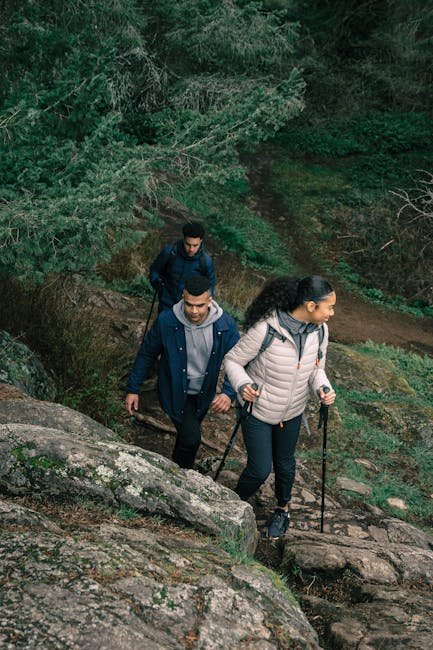
Backpacking, once a niche pursuit, has blossomed into a mainstream phenomenon by 2026, captivating millions with the promise of adventure and connection to the natural world. It represents more than just a hike; it’s a journey of self-discovery, resilience, and unparalleled freedom. Whether you are navigating pristine wilderness trails or exploring remote cultural landscapes, the essence of backpacking remains the same: carrying everything you need on your back.
This comprehensive guide dives into the modern world of backpacking, reflecting current trends and best practices for 2026. We will explore essential gear, meticulous planning strategies, and crucial safety considerations to ensure your next outdoor expedition is both successful and memorable. From minimalist ultralight adventures to well-equipped multi-day treks, preparing correctly is paramount for an enjoyable experience.
Key Takeaways
- Prioritize essential gear and avoid overpacking to ensure comfort and safety on the trail, learning from common mistakes.
- Leverage 2026’s technological advancements for navigation, communication, and real-time weather updates.
- Thoroughly research your chosen route, including permits, terrain, and potential challenges, well in advance.
- Practice Leave No Trace principles diligently to preserve the natural beauty and ecological integrity of our wild spaces.
- Develop a comprehensive emergency plan and carry appropriate safety equipment for all conditions.
- Regularly check and update your gear list, adapting to new innovations and personal experience to optimize your setup.
The Evolving World of Backpacking in 2026
The backpacking landscape in 2026 is dynamic, shaped by a blend of tradition, innovation, and a growing emphasis on sustainability. More people than ever are seeking solace and challenge in nature, leading to a richer diversity on trails worldwide. This era sees a greater appreciation for responsible outdoor recreation and community engagement.
Modern backpackers are increasingly conscious of their environmental footprint. They seek gear made from recycled materials, support eco-friendly brands, and actively participate in trail maintenance and conservation efforts. The collective movement towards a lighter, greener trail experience is palpable.
Redefining the Trail: Accessibility and Inclusivity
Accessibility is a key theme in 2026, with initiatives to make trails more inclusive for people of all ages, abilities, and backgrounds. Organizations are working to remove barriers, providing resources and adaptive equipment. This shift is fostering a more welcoming environment, encouraging a broader demographic to discover the joys of the wilderness.
From urban greenways designed for novice explorers to backcountry routes with enhanced safety features, the definition of a ‘trail’ is expanding. Online communities and social platforms play a vital role in sharing knowledge and fostering connections, making backpacking less intimidating for newcomers. Mentorship programs are also gaining traction, guiding aspiring adventurers.
Technology’s Role: Navigation and Safety
Technology continues to revolutionize backpacking. Advanced GPS devices, satellite communicators, and smartwatches offer unparalleled navigation accuracy and emergency communication capabilities. Solar chargers and lightweight power banks ensure essential devices remain operational throughout extended trips.
New applications provide real-time weather forecasts, trail conditions, and even identify flora and fauna, enriching the outdoor experience. While technology is a powerful tool, it’s crucial to remember that it supplements, rather than replaces, traditional wilderness skills like map reading and common sense. Always carry physical backups and understand how to use them.
Essential Gear for the Modern Backpacker
The core philosophy of modern backpacking gear revolves around efficiency, durability, and multi-functionality. Carrying only what is truly necessary is not just about comfort; it’s about safety and freedom on the trail. Understanding the purpose of each item is crucial for an optimized pack.
Investing in quality gear that stands the test of time and various weather conditions will pay dividends. Lightweight materials and ergonomic designs are commonplace, making even robust setups manageable. Proper gear selection prevents the pitfalls of unnecessary weight, which can quickly turn an enjoyable trip into a struggle.
The Core Four: Pack, Shelter, Sleep System, Cooking
These four categories form the foundation of any backpacking kit. Your backpack should fit comfortably and distribute weight effectively, typically ranging from 30L for weekends to 70L for extended expeditions. A reliable shelter, whether a tent, tarp, or hammock, offers protection from the elements.
The sleep system includes a sleeping bag or quilt appropriate for the expected temperatures and a sleeping pad for insulation and comfort. Finally, a compact cooking system, comprising a stove, fuel, and a pot, is essential for preparing warm meals and drinks on the trail. Each component must be chosen carefully based on trip duration and conditions.
Smart Apparel and Footwear Choices
Layering is the golden rule for backpacking apparel. Start with a moisture-wicking base layer, add insulating mid-layers for warmth, and finish with a waterproof and windproof outer shell. Avoid cotton, which retains moisture and loses insulating properties when wet. Modern synthetics and merino wool are superior choices.
Footwear is arguably the most critical gear decision. Trail runners offer lightweight agility, while sturdy hiking boots provide ankle support and protection on rugged terrain. The best choice depends on the trail’s difficulty, expected weather, and personal preference. Always break in new footwear before a long trip to prevent blisters.
The Ultralight Movement vs. Comfort: Finding Your Balance
The ultralight movement emphasizes minimizing pack weight to enhance speed, reduce strain, and increase enjoyment. This often involves selecting minimalist gear, opting for multi-use items, and carefully considering every ounce. However, going too light can sometimes compromise safety or comfort, particularly for beginners or in challenging conditions.
Finding your personal balance between ultralight efficiency and necessary comfort is key. Evaluate your needs, the demands of your trip, and your experience level. A slightly heavier pack that includes crucial comfort items or essential safety gear is often a wiser choice than an overly stripped-down setup that leaves you vulnerable or miserable.
Planning Your Backpacking Adventure
Effective planning is the backbone of a successful and safe backpacking trip. It involves much more than just picking a destination; it requires thorough research, realistic self-assessment, and meticulous preparation. A well-planned trip minimizes unexpected challenges and maximizes enjoyment.
Start planning well in advance, especially for popular routes or during peak seasons. This allows ample time for permits, gear acquisition, and physical conditioning. Communicate your plans clearly with someone off-trail, including your itinerary, expected return, and emergency contacts.
Researching Routes and Permits
Before heading out, thoroughly research your chosen trail. Understand the terrain, elevation changes, water sources, and potential hazards. Online resources, guidebooks, and local ranger stations are invaluable for up-to-date information. Check recent trail reports for current conditions like snowpack, fallen trees, or closures.
Many popular backpacking areas require permits, especially for overnight stays or specific entry points. Secure these permits well in advance, as they can be competitive and often have strict quotas. Failure to obtain necessary permits can result in fines or denial of entry, disrupting your entire trip.
Nutrition and Hydration Strategies
Proper nutrition and hydration are vital for maintaining energy and health on the trail. Plan meals that are lightweight, calorie-dense, and easy to prepare. Dehydrated meals, nuts, dried fruits, and energy bars are popular choices. Pack enough food for the duration of your trip, plus extra for emergencies.
Staying hydrated is equally important. Carry sufficient water or a reliable water filter/purifier to treat natural water sources. Understand where water will be available on your route and plan your refills accordingly. Electrolyte supplements can also be beneficial in hot weather or during strenuous activity to prevent dehydration.
Leave No Trace Principles
Embracing the seven Leave No Trace principles is fundamental for responsible backpacking. These guidelines ensure we minimize our impact on the environment and preserve natural spaces for future generations. It’s about respecting wildlife, minimizing waste, and leaving trails as pristine as we found them.
The principles include planning ahead and preparing, traveling and camping on durable surfaces, disposing of waste properly, leaving what you find, minimizing campfire impacts, respecting wildlife, and being considerate of other visitors. Adhering to these guidelines is not just a suggestion; it is an ethical imperative for all outdoor enthusiasts.
Safety on the Trail
Safety should always be the paramount consideration for any backpacker. While the wilderness offers immense beauty and tranquility, it also presents inherent risks. A proactive approach to safety, combining preparedness, awareness, and sound decision-making, can mitigate most dangers.
Never underestimate the power of nature or overestimate your own abilities. Be honest about your experience level and physical condition. It is always wise to inform someone of your itinerary and expected return time, establishing a check-in plan. This simple step can be life-saving in an emergency.
Emergency Preparedness Kits
A comprehensive emergency kit is non-negotiable. This should include a well-stocked first-aid kit tailored to the length and remoteness of your trip, a multi-tool, navigation tools (map, compass, GPS), fire starters, a headlamp with extra batteries, and an emergency shelter. Always have a whistle for signaling.
Consider carrying a personal locator beacon (PLB) or satellite messenger for off-grid communication and emergency alerts. These devices can summon help in critical situations where cell service is unavailable. Regularly check the condition of your emergency gear and replace expired items.
Understanding Weather and Terrain Challenges
Weather conditions in the backcountry can change rapidly and unpredictably. Always check the forecast before and during your trip, and be prepared for all possibilities, including sudden storms, temperature drops, or extreme heat. Pack appropriate layers and rain gear to stay dry and warm.
Terrain challenges vary widely, from steep ascents and descents to river crossings and rocky paths. Assess the difficulty of the trail against your fitness and skill level. Be mindful of unstable surfaces, falling rocks, and slippery conditions. Turn back if conditions become unsafe or beyond your capabilities.
Wildlife Awareness
Encountering wildlife is a highlight for many backpackers, but it requires respect and caution. Research the local fauna and understand how to react to potential encounters with bears, mountain lions, snakes, or other animals. Store food properly in bear canisters or hung from trees to prevent attracting animals.
Maintain a safe distance from all wildlife and never feed them. Make noise while hiking in areas known for larger predators to avoid startling them. Carrying bear spray and knowing how to use it is essential in bear country. Educate yourself on prevention and encounter protocols for the specific animals in your destination.
Beyond the Basics: Advanced Backpacking Tips
Once you’ve mastered the fundamentals, advanced backpacking opens up new avenues for exploration and self-sufficiency. These tips are for those looking to push their limits, tackle more challenging environments, or simply refine their wilderness skills further. Continuous learning is a hallmark of experienced backpackers.
Embracing advanced techniques often involves a deeper understanding of navigation, survival skills, and specialized gear. It’s about becoming more resilient and adaptable in diverse outdoor settings. Always start with incremental challenges and build experience gradually.
Multi-day Expedition Planning
Planning for multi-day expeditions requires an even greater level of detail. Logistics become more complex, involving resupply points, longer-term food planning, and potentially more robust first aid. Physical and mental conditioning for sustained effort is also paramount. Test your gear and your body on shorter trips first.
Route planning might include complex navigation, understanding water availability across many days, and contingency plans for various scenarios. Group dynamics are also crucial for extended trips, requiring clear communication and shared responsibilities. Consider carrying a satellite phone for truly remote areas.
Winter Backpacking Considerations
Winter backpacking presents unique challenges and rewards. Extreme cold, deep snow, and shorter daylight hours demand specialized gear and heightened awareness. Insulated sleeping systems, four-season tents, and snowshoes or skis are often necessary. Avalanche awareness and training are critical in mountainous winter environments.
Water sources can be frozen, requiring techniques for melting snow. Navigation becomes harder with snow covering trails. The risks of hypothermia and frostbite are significantly elevated, making proper layering and constant vigilance essential. Winter backpacking is a serious undertaking that requires significant experience and preparation.
Conclusion
Backpacking in 2026 offers an incredible opportunity to disconnect from the digital world and reconnect with nature and oneself. It’s a journey that builds character, fosters resilience, and provides unforgettable memories. By understanding modern trends, prioritizing smart gear choices, and embracing diligent planning, you can ensure your adventures are both enriching and safe.
Remember that the trail is a privilege to experience, and responsible behavior through Leave No Trace principles is non-negotiable. Whether you are taking your first steps into the wilderness or embarking on a challenging thru-hike, preparation and respect for the environment are your most valuable companions. Happy trails!
| Backpack Type | Typical Capacity | Ideal Use | Key Features | Pros | Cons |
|---|---|---|---|---|---|
| Daypack | 15-30 Liters | Single-day hikes, urban exploration, travel carry-on. | Lightweight, hydration compatibility, often simple design. | Agile, comfortable for short durations, easy to maneuver. | Limited capacity, not suitable for overnight trips. |
| Weekend Pack | 30-50 Liters | 1-3 night trips, minimalist multi-day hikes. | Adjustable harness, hip belt, multiple compartments. | Good balance of capacity and portability, versatile. | Might be too small for colder weather gear or extensive trips. |
| Multi-Day / Thru-Hike Pack | 50-80+ Liters | Longer expeditions (4+ nights), winter camping, carrying group gear. | Robust frame, advanced suspension, numerous access points, gear loops. | High capacity, comfortable with heavy loads, durable. | Heavier, less agile, can encourage overpacking if not careful. |
Frequently Asked Questions
How much does a typical backpacking trip cost?
Costs vary widely based on trip length, destination, and gear choices. Entry-level gear might cost $500-$1000, while experienced backpackers can spend less per trip. Daily expenses usually cover food, permits, and transportation. A weekend trip could be $50-$200, but multi-week expeditions can easily run into thousands, especially with travel to remote locations.
What are the most common backpacking mistakes?
Common mistakes include overpacking, leading to excessive weight and fatigue. Inadequate hydration and nutrition planning can cause energy dips. Not researching the trail and weather conditions properly often results in being unprepared for challenges. Poor foot care, neglecting Leave No Trace principles, and underestimating environmental hazards are also frequent missteps for newcomers.
How do I choose the right backpack?
Choosing the right backpack depends primarily on trip duration and gear volume. Daypacks (15-30L) are for single days, weekend packs (30-50L) for 1-3 nights, and multi-day packs (50-80+L) for longer trips. Key features include proper fit (torso length), hip belt support, and comfortable shoulder straps. Try different packs with weight to find one that feels balanced and snug.
What's the best way to stay safe while backpacking solo?
Solo backpacking safety starts with meticulous planning. Share your detailed itinerary with a trusted contact. Carry a personal locator beacon or satellite messenger for emergencies. Stay aware of your surroundings, know how to navigate, and carry a comprehensive first-aid kit. Trust your instincts and be prepared to turn back if conditions become unsafe or you feel uncomfortable.
How can I practice Leave No Trace principles effectively?
Practicing Leave No Trace means minimizing your impact. Pack out all trash, including food scraps. Stay on designated trails to prevent erosion. Camp on durable surfaces at least 200 feet from water. Respect wildlife by maintaining distance and never feeding animals. Properly dispose of human waste and minimize campfire impacts by using existing fire rings and ensuring fires are completely out.
Source: N/A