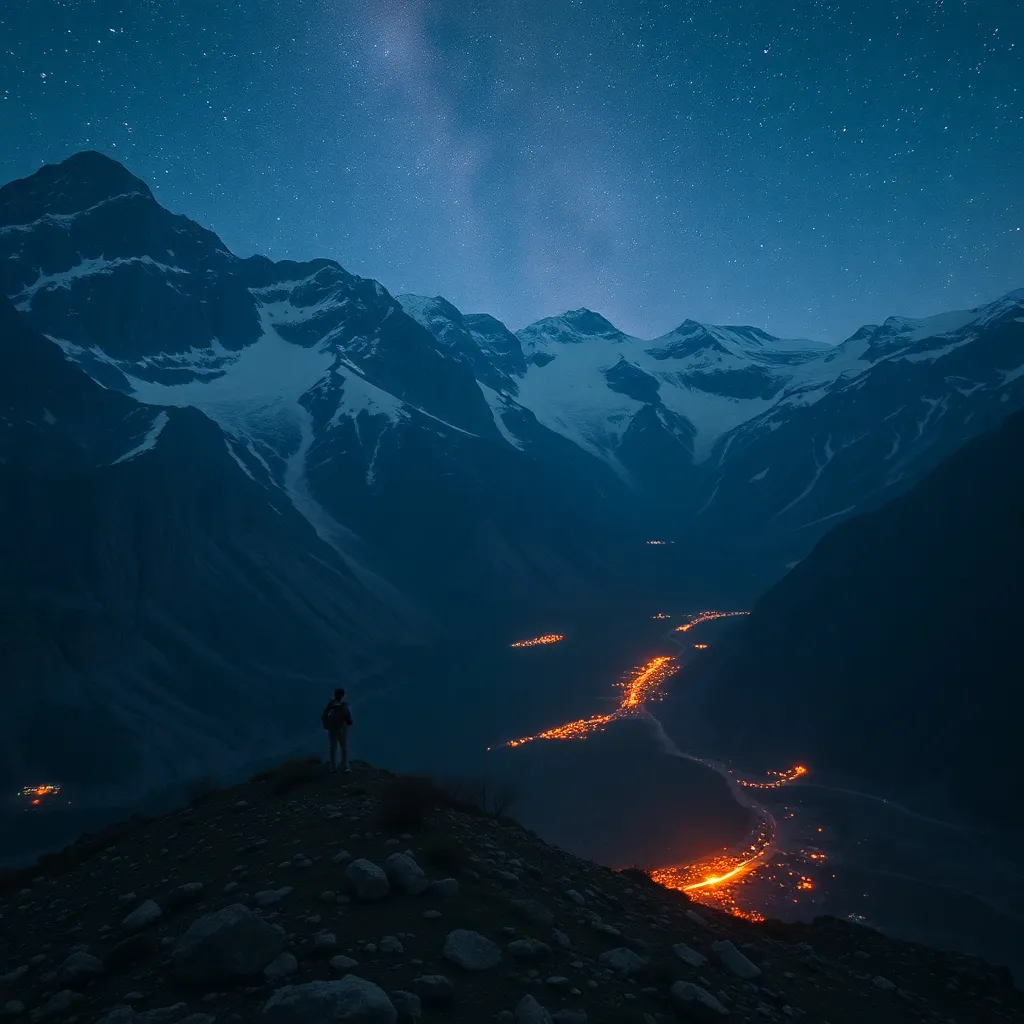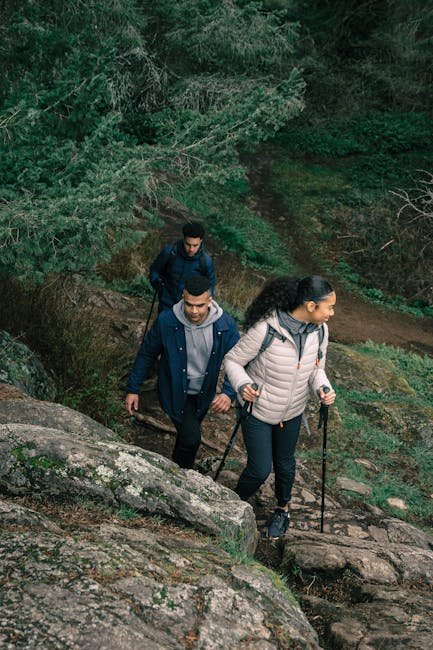
Backpacking continues to captivate adventurers across the globe, offering an unparalleled escape into nature’s embrace. As of January 19, 2026, the essence of strapping on a pack and heading into the wilderness remains timeless, yet the experience itself is continually evolving. Modern backpacking blends traditional self-reliance with innovative gear, smart technology, and a heightened focus on environmental stewardship.
This comprehensive guide delves into the contemporary landscape of backpacking. We explore how advancements in equipment, communication tools, and sustainable practices are shaping the journeys of today’s trail enthusiasts. Whether you are a seasoned thru-hiker or just beginning to dream of your first overnight trip, understanding these shifts is crucial for planning successful, safe, and responsible adventures in 2026 and beyond.
Key Takeaways
- Backpacking’s core appeal, centered on connecting with nature and fostering self-reliance, remains deeply rooted.
- Gear innovation is driving a new era of ultralight, highly durable, and environmentally sustainable equipment.
- Integrated technology, from advanced GPS to satellite communicators, significantly enhances safety and navigation on the trail.
- Responsible outdoor ethics, particularly updated Leave No Trace principles, are more critical than ever for preserving natural spaces.
- The backpacking community thrives on shared experiences, knowledge exchange, and a collective passion for the outdoors.
- Thorough preparation, including skill development and careful planning, is essential for a rewarding and secure wilderness experience.
The Enduring Allure of the Trail
The call of the wild is a powerful draw, pulling millions into the backcountry each year. Backpacking offers a unique blend of physical challenge, mental rejuvenation, and an intimate connection with natural landscapes. It is an opportunity to shed the complexities of daily life and immerse oneself in the rhythms of the wilderness, fostering a profound sense of peace and accomplishment.
Why We Hit the Backcountry
The reasons for embarking on a backpacking trip are as diverse as the trails themselves. For many, it is a pursuit of physical fitness, pushing personal limits against the backdrop of stunning scenery. Others seek mental clarity, finding solace and perspective away from the constant demands of the digital world.
Beyond the physical and mental benefits, backpacking provides an unmatched sense of freedom and self-sufficiency. Navigating by map, setting up camp under the stars, and relying on one’s own resources cultivates a deep confidence. These experiences often lead to personal growth and a renewed appreciation for the simplicity of life.
The Community Aspect
While often seen as a solitary pursuit, backpacking also fosters a vibrant and supportive community. From online forums and social media groups to chance encounters on the trail, backpackers frequently share advice, stories, and encouragement. This collective spirit enriches the experience, transforming individual journeys into a shared adventure.
Trail angels, mentorship programs, and local hiking clubs exemplify the strong bonds within the backpacking world. These networks provide invaluable resources for new adventurers and a sense of belonging for seasoned explorers. Connecting with fellow enthusiasts can transform a challenging solo trip into a memorable communal experience.
Gear Innovations: Lighter, Smarter, Greener
The gear industry continues to push boundaries, making backpacking more accessible, comfortable, and efficient than ever before. In 2026, the focus is squarely on ultralight design, advanced materials, and sustainable manufacturing practices. These innovations allow adventurers to carry less, reduce their environmental footprint, and enhance their overall experience.
Ultralight Revolution Continues
The drive to minimize pack weight remains a dominant trend. Manufacturers are utilizing cutting-edge composites and fabric technologies to create tents, sleeping bags, and backpacks that offer robust performance without the bulk. Advances in material science mean that ultralight does not necessarily compromise durability, allowing for faster travel and reduced strain on the body.
Beyond the big three items, smaller components are also undergoing transformation. Lightweight cooking systems, compact water filters, and versatile apparel contribute significantly to overall weight reduction. This meticulous attention to ounces empowers backpackers to cover greater distances with less fatigue, opening up new possibilities for multi-day expeditions.
Sustainable Materials and Manufacturing
As environmental awareness grows, the demand for sustainable gear is at an all-time high. Brands are increasingly incorporating recycled, organic, and ethically sourced materials into their products. This includes everything from recycled polyester fabrics in clothing to bio-based insulations in sleeping bags.
Furthermore, manufacturing processes are becoming more eco-conscious, with companies striving to reduce waste, minimize water usage, and decrease their carbon footprint. Choosing gear from brands committed to sustainability allows backpackers to align their passion for the outdoors with their commitment to protecting it.
Smart Gear Integration
The integration of technology into traditional gear is also on the rise. We are seeing more backpacks with integrated solar charging panels and sleeping pads with built-in pumps. This smart design thinking aims to streamline the backpacking experience, making it more convenient and efficient.
Portable power banks are now considered essential for many, ensuring that navigation devices, headlamps, and communication tools remain operational throughout a trip. These advancements highlight a trend towards self-sufficiency not just in terms of survival, but also in maintaining necessary digital connectivity.
Technology on the Trail: Enhancing Safety and Connectivity
In 2026, technology plays a dual role in backpacking: it significantly enhances safety and navigation, while also offering a controlled degree of connectivity. The debate between digital detox and essential tech integration continues, but undeniable benefits exist for informed and responsible use.
Navigation and Communication Devices
Satellite communicators, like the popular InReach devices, have become invaluable safety tools. These compact gadgets allow for two-way text messaging from virtually anywhere on Earth, even far beyond cell service. More importantly, they feature an SOS button that connects directly to emergency services, providing critical peace of mind for solo adventurers or those in remote areas.
Beyond emergency use, these devices offer functionalities like tracking and sharing your location with loved ones. Some innovative solutions, such as the concept behind ‘Backcountry Brain,’ even explore limited web search capabilities through these satellite connections, offering access to critical information like weather forecasts or trail conditions in a minimalist text-based format. While not a full internet experience, such tools can be life-saving for real-time decision making.
Dedicated handheld GPS devices, often preloaded with detailed topographic maps, remain a gold standard for precise navigation. Coupled with a traditional map and compass, they form a robust navigation strategy. Smartphone apps with offline map capabilities also provide powerful alternatives, but always require careful battery management.
Wearable Tech and Health Monitoring
Wearable technology, from smartwatches to fitness trackers, has found its place on the trail. These devices can monitor vital signs, track mileage and elevation, and provide alerts for weather changes. For those managing health conditions or undertaking extreme challenges, this real-time data can be incredibly valuable.
However, reliance on these devices must be balanced with battery considerations and the understanding that they are supplementary tools. The core skills of wilderness first aid and self-assessment remain paramount, with tech offering an additional layer of support.
The Role of Apps in Planning and Execution
Before hitting the trail, mobile applications are indispensable for planning. Apps offer detailed trail descriptions, elevation profiles, water source locations, and campsite availability. Many even allow for offline access to maps and critical information, negating the need for constant cell service.
During a trip, apps can assist with navigation, weather updates, and even identifying local flora and fauna. The key is to download all necessary information beforehand and to use these tools judiciously, ensuring they enhance the experience without detracting from the natural immersion.
Responsible Backpacking: Preserving Our Wild Spaces in 2026
The increasing popularity of outdoor recreation brings with it a greater responsibility to protect the very environments we seek to enjoy. Responsible backpacking in 2026 is about more than just following rules; it is about cultivating an ethic of care and minimizing our impact on fragile ecosystems.
Leave No Trace Principles
The seven principles of Leave No Trace serve as the foundation for ethical outdoor conduct. These guidelines, which include planning ahead, traveling and camping on durable surfaces, disposing of waste properly, and minimizing campfire impacts, are more relevant than ever.
Modern interpretations of Leave No Trace extend to considerations like microplastic pollution from gear and the cumulative impact of even small groups. Every backpacker must commit to these principles, understanding that their actions directly affect the health and accessibility of wild spaces for future generations.
Permitting and Conservation Efforts
Many popular backcountry areas now require permits for overnight stays, day use, or even specific entry points. These systems are crucial for managing visitor numbers, preventing overcrowding, and mitigating environmental damage. Researching and securing necessary permits well in advance is an essential part of responsible trip planning.
Beyond permits, supporting conservation organizations through donations or volunteering helps protect public lands. These efforts contribute to trail maintenance, wildlife protection, and educational programs that foster a culture of stewardship among outdoor enthusiasts.
Supporting Local Communities
Responsible backpacking also extends to supporting the communities surrounding trailheads and national parks. Purchasing supplies from local businesses, dining at local restaurants, and engaging with local services contributes to the economic vitality of these areas. This symbiotic relationship ensures that the communities benefit from outdoor tourism, fostering a positive connection between adventurers and residents.
Educating oneself about local customs and respecting private property boundaries are also vital components. A mindful approach to interaction with local populations enhances the overall experience and promotes good will.
Planning Your Next Adventure: Essential Considerations
A successful and enjoyable backpacking trip hinges on meticulous planning and preparation. From choosing the right route to packing the correct supplies and honing essential skills, every detail contributes to a safer and more rewarding experience.
Route Selection and Difficulty Assessment
Choosing a route that aligns with your skill level, fitness, and desired experience is paramount. Research trail conditions, elevation gains, total distance, and potential hazards. Utilize online resources, guidebooks, and conversations with experienced backpackers to make an informed decision.
Consider the time of year and expected weather patterns. A challenging trail in summer might be impassable or dangerous in winter. Always have a backup plan or alternative route in mind, especially when venturing into less familiar territory.
Essential Skills: Navigation, First Aid, Survival
Mastering fundamental backcountry skills is non-negotiable. Proficiency in navigation using a map, compass, and GPS device is crucial. Knowing how to read terrain, identify landmarks, and orient oneself reduces the risk of getting lost.
Basic wilderness first aid is another critical skill. Understanding how to treat common injuries and illnesses, recognize hypothermia or heat stroke, and stabilize a situation until help arrives can be life-saving. Additionally, having basic survival knowledge, such as shelter building and fire starting, provides an invaluable safety net.
Food, Water, and Shelter Strategies
Proper hydration and nutrition are vital for maintaining energy and health on the trail. Plan your meals carefully, opting for lightweight, calorie-dense foods that require minimal preparation. Understand your water sources and have reliable purification methods, such as filters or chemical treatments.
Your shelter system—tent, tarp, or hammock—should be appropriate for the expected weather and conditions. Practice setting it up at home to ensure familiarity and efficiency. A comfortable and secure sleep system is fundamental for recovery and morale during multi-day trips.
The Future of Backpacking
As we look ahead from 2026, the world of backpacking is poised for continued innovation and adaptation. The core values of adventure and connection to nature will persist, but the methods and considerations will undoubtedly evolve further.
Emerging Trends
We can anticipate a greater emphasis on accessible trails, catering to a wider demographic of adventurers. Digital nomad integration into backpacking will likely grow, with more individuals seeking ways to blend remote work with extended wilderness immersion. Furthermore, niche activities, such as bikepacking or packrafting, will continue to gain traction, blending elements of backpacking with other outdoor pursuits.
The development of augmented reality for navigation or interpretive trail experiences, while still nascent, holds potential. However, maintaining the integrity of the wilderness experience will remain a key challenge for such technological integration.
Balancing Tradition with Innovation
The ongoing challenge for the backpacking community will be to strike a balance between embracing technological advancements and preserving the traditional spirit of self-reliance and wilderness immersion. Innovations should serve to enhance safety, sustainability, and accessibility, rather than detracting from the fundamental experience of being truly present in nature.
Ultimately, the future of backpacking will be shaped by a collective commitment to responsible practices, continuous learning, and a deep respect for the wild places that inspire us. The journey forward promises to be as exciting and rewarding as the trails themselves.
Backpacking in 2026 is a dynamic pursuit, constantly refined by innovation, ethical awareness, and a persistent desire for authentic outdoor experiences. By embracing the latest advancements in gear and technology, while rigorously adhering to principles of environmental stewardship and personal preparedness, adventurers can unlock truly unforgettable journeys.
Whether you seek solitude or camaraderie, extreme challenge or peaceful reflection, the backcountry offers a profound opportunity for discovery. Equip yourself wisely, tread lightly, and embark on your next great adventure with confidence and respect for the natural world.
| Feature | Satellite Communicators (e.g., InReach) | Dedicated GPS Devices (Offline Maps) | Smartphone Apps (Offline Maps) |
|---|---|---|---|
| Real-time Communication | Yes (two-way text, no cell service needed) | No (communication only via paired satellite device or cell if available) | Yes (requires cell service or paired satellite device) |
| Emergency SOS | Dedicated button to 24/7 monitoring center | Some models have an SOS button (requires subscription) | Yes (if cell service is available) or via paired device |
| Navigation Accuracy | High (GPS-based, often less detailed maps) | Very High (robust GPS, detailed topo maps) | High (depends on phone GPS & map quality) |
| Battery Life | Excellent (multiple days to weeks) | Excellent (multiple days, often uses replaceable AAs) | Variable (heavily drains phone battery, requires power bank) |
| Initial Cost | Mid to High (plus monthly subscription) | Mid to High (one-time purchase) | Low to Mid (device already owned, app subscription) |
| Web Search Capability | Limited (text-based, e.g., ‘Backcountry Brain’ concept) | No | Yes (requires cell service or Wi-Fi) |
Frequently Asked Questions
What is the best way to get started with backpacking?
Begin with local day hikes to build fitness and familiarity with gear. Progress to an easy overnight trip in a well-trafficked area. Join a hiking group or seek mentorship from experienced backpackers. Focus on essential gear first and gradually expand your kit as you gain experience. Prioritize learning basic navigation and Leave No Trace principles from the outset.
What essential gear do I need for a multi-day backpacking trip?
For multi-day trips, you will need a comfortable backpack, a shelter (tent or tarp), a sleeping bag appropriate for the temperature, and a sleeping pad. Other essentials include a water filter, stove and fuel, first-aid kit, navigation tools, headlamp, and appropriate layers of clothing. Always check weather forecasts and specific trail requirements.
How has technology impacted modern backpacking?
Technology has significantly enhanced safety and navigation through GPS devices, satellite communicators for emergency contact, and smartphone apps with offline maps. It also aids in trip planning and weather monitoring. However, it requires careful battery management and should complement, not replace, traditional skills like map reading and wilderness first aid.
What are the key principles of Leave No Trace?
The seven principles are: Plan Ahead and Prepare; Travel and Camp on Durable Surfaces; Dispose of Waste Properly; Leave What You Find; Minimize Campfire Impacts; Respect Wildlife; and Be Considerate of Other Visitors. Adhering to these guidelines ensures minimal environmental and social impact, preserving wilderness areas for everyone.
How can I stay safe while backpacking solo?
Solo backpacking requires extra precautions. Always share your detailed itinerary with a trusted person, including expected return dates and emergency contacts. Carry a satellite communicator for emergencies. Stay on marked trails, be aware of your surroundings, and know your limits. Proper preparation, skill, and a conservative approach are your best safeguards.
Source: N/A