As January 19, 2026 unfolds, the global landscape for remote professionals continues its dynamic shift, drawing attention to vibrant hubs that offer a compelling blend of cultural richness, economic accessibility, and robust infrastructure. Among these, Malaysia stands out as an increasingly favored destination for the modern nomad. Once primarily known for its stunning natural beauty and diverse culinary scene, the Southeast Asian nation has strategically positioned itself to welcome a new generation of location-independent workers, artists, and entrepreneurs. The allure is multifaceted: a thriving multi-ethnic society, a surprisingly affordable cost of living, and a forward-thinking approach to digital infrastructure, all wrapped in a tropical climate that promises year-round warmth.
The concept of digital nomads in 2026 has evolved beyond a transient trend; it’s a permanent fixture in the global economy. Countries are actively competing to attract this mobile workforce, recognizing their potential to inject capital, innovation, and diverse perspectives into local economies. Malaysia has been particularly proactive in this regard, with governmental initiatives aimed at streamlining entry and establishing supportive ecosystems. This article embarks on a definitive, deep-dive exploration of the nomad lifestyle in Malaysia, examining the critical factors that contribute to its growing appeal, the practicalities of setting up life there, and what aspiring nomads can expect as they consider this dynamic nation for their next chapter. From visa pathways to vibrant communities, and from economic considerations to cultural immersion, we unpack the comprehensive picture of Malaysia as a premier nomadic destination.
Malaysia’s Enduring Allure for the Modern Nomad: Climate, Culture, Connectivity
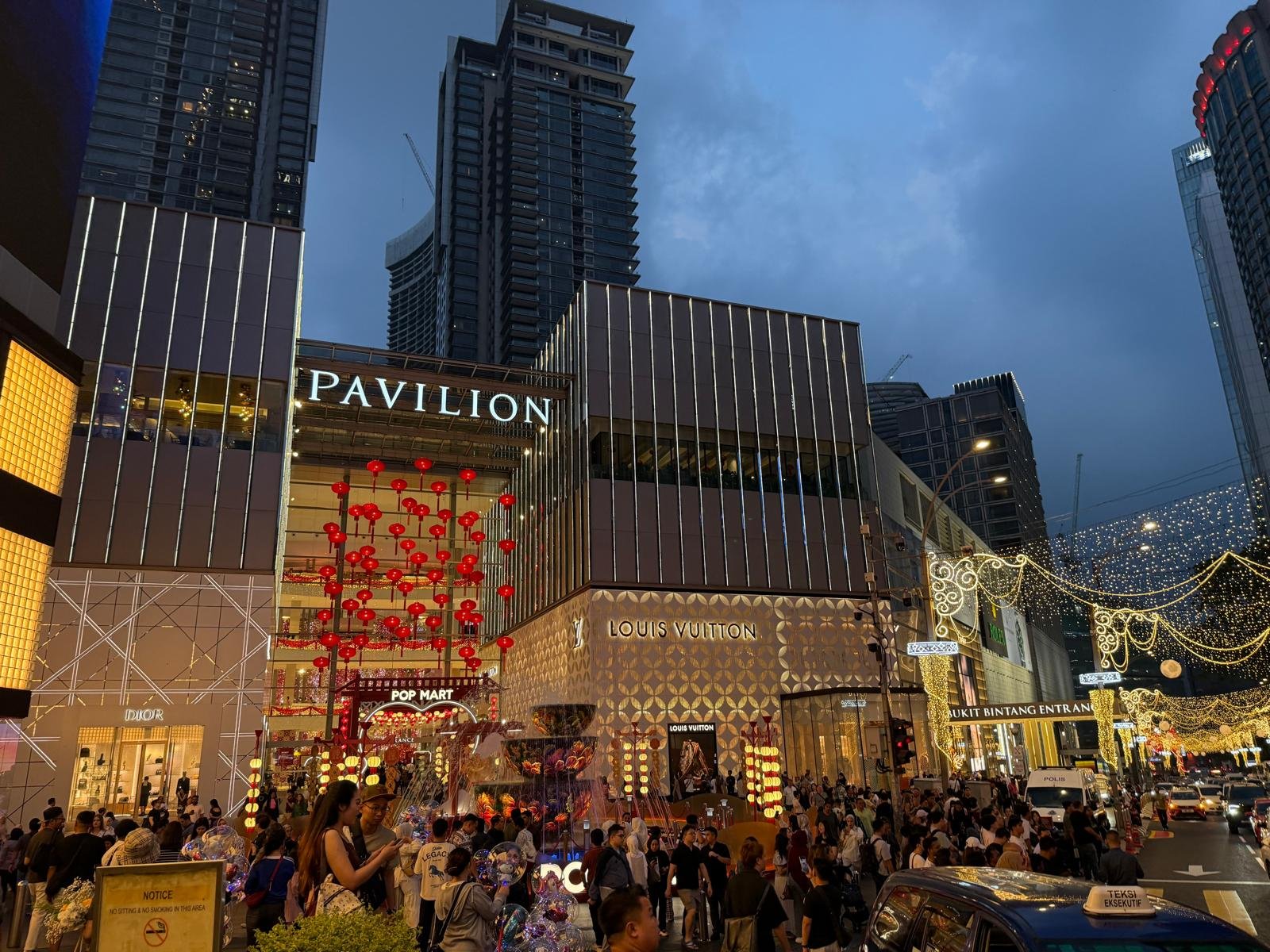
In 2026, Malaysia’s magnetic pull for nomads is stronger than ever, rooted deeply in a unique combination of geographic splendor, cultural diversity, and modern infrastructural development. This tropical nation, straddling the Malay Peninsula and the island of Borneo, offers an extraordinary tapestry of experiences that caters to a wide spectrum of nomadic preferences. From the bustling metropolis of Kuala Lumpur to the pristine beaches of Langkawi and the ancient rainforests of Taman Negara, the geographical diversity is a constant source of wonder. Nomads can find themselves working from a high-rise co-working space one week and exploring a UNESCO World Heritage site or a coral reef the next. The consistent, warm climate, generally free from extreme seasonal changes, is a significant draw, offering an escape from colder climes and fostering an outdoor-centric lifestyle throughout the year.
Culturally, Malaysia is a kaleidoscope, a harmonious mosaic of Malay, Chinese, Indian, and indigenous influences. This rich confluence is evident in every facet of daily life, from architecture and religious festivals to, most notably, its world-renowned culinary scene. Food, often described as the national obsession, is an accessible and incredibly diverse experience. Street food stalls and hawker centers offer an endless array of flavors at incredibly budget-friendly prices, encouraging cultural exploration through gastronomic adventures. This multiculturalism also translates into a society that is largely open and welcoming to foreigners, with English widely spoken, especially in urban areas and business contexts. This linguistic accessibility significantly lowers the barrier to entry for many international nomads, making integration smoother and daily interactions more manageable.
Beyond its inherent charms, Malaysia has strategically invested in the infrastructure necessary to support a modern nomadic existence. Internet connectivity, a non-negotiable for remote work, is robust and widely available in urban centers and increasingly in more rural tourist areas. High-speed broadband and 5G mobile networks ensure that video calls are stable, uploads are quick, and productivity remains uninterrupted. The transportation network is efficient, featuring well-maintained highways, affordable ride-sharing services like Grab, and a developing public transport system in cities. Furthermore, Malaysia’s strategic location in Southeast Asia makes it an excellent base for exploring the wider region, with Kuala Lumpur International Airport (KLIA) serving as a major hub with extensive flight connections across Asia and beyond. Access to quality, affordable healthcare, particularly in the private sector, also provides a crucial layer of comfort and security for long-term residents. The blend of a high quality of life with a relatively affordable cost of living positions Malaysia as a prime candidate for those asking how to become a digital nomad and where to begin their journey, offering a compelling argument for its enduring appeal in the competitive landscape of nomadic destinations.
Navigating the Legal Landscape: Visas and Residency for Nomads
The success of a nomadic stint in any country hinges significantly on the ease of navigating its legal and immigration framework. For Malaysia, 2026 marks a period of refined and accessible pathways for digital nomads, reflecting a clear governmental intent to attract and retain this valuable demographic. Historically, the Malaysia My Second Home (MM2H) program, primarily aimed at retirees and long-term expatriates, served as a de facto option for some with sufficient means. However, its recent revisions, particularly with increased financial requirements, have shifted its focus, making it less direct for the typical working nomad. Recognizing this gap, the Malaysian government, through the Malaysia Digital Economy Corporation (MDEC), has championed more tailored initiatives, most notably the DE Rantau program, which has truly come into its own by 2026.
The DE Rantau Nomad Pass, introduced to specifically cater to digital nomads and remote workers, is a game-changer. It offers a clear, streamlined pathway for eligible individuals to live and work remotely from Malaysia for an extended period, typically between three to twelve months, with options for renewal. Eligibility criteria are designed to ensure genuine remote professionals are attracted: applicants must generally be earning a minimum annual income (often qualitatively described as a comfortable mid-range salary for nomads) and have a verifiable remote employment or freelance contract with non-Malaysian clients. The application process, managed primarily online, emphasizes efficiency, aiming to provide a decision within a reasonable timeframe. Benefits of the DE Rantau pass extend beyond mere legal residency; it grants access to a dedicated ecosystem of support, including co-working spaces, networking events, and community resources designed to foster a vibrant nomad community. It acknowledges the unique needs of this lifestyle, recognizing that beyond just a visa, nomads seek an environment conducive to both work and leisure.
Looking ahead, the Malaysian government continues to monitor global trends in remote work and is likely to further refine its policies. There’s an ongoing discussion about introducing potentially longer-term options or expanding the scope of eligibility to attract an even broader pool of talent. These proactive measures position Malaysia competitively against other rising nomad destinations worldwide. For nomads considering Malaysia, understanding the nuances of the DE Rantau program is paramount. It’s crucial to prepare all necessary documentation, including proof of income, employment contracts, and a clean background check. Furthermore, while the DE Rantau pass simplifies residency, nomads must also be cognizant of their tax obligations. While many find Malaysia’s tax regime relatively favorable for foreign-sourced income, it is always wise to consult with a tax professional, especially for those who prioritize living in tax-friendly countries for nomads. The current legal framework provides a solid foundation, making Malaysia an increasingly attractive and viable destination for long-term nomadic stays, a testament to its forward-thinking approach in the global race for digital talent.
The Economic Equation: Cost of Living and Economic Dynamics for Nomads
For any nomad, the economic viability of a destination is often the primary determinant. In 2026, Malaysia continues to offer a compelling value proposition, especially when compared to its Western counterparts. While not the absolute cheapest country in Southeast Asia, its blend of modern infrastructure, high quality of life, and comparatively low cost of living makes it an exceedingly attractive choice. The typical expenses for a nomad in Malaysia can be qualitatively described as remarkably affordable, particularly when juxtaposed with the Nomads Costs of Living in Europe, where similar levels of comfort and connectivity often come with a significantly higher price tag. This economic advantage allows nomads to stretch their budgets further, enjoying a higher standard of living than they might elsewhere.
Accommodation, often the largest expenditure, is diverse and relatively inexpensive. In Kuala Lumpur, a comfortable one-bedroom apartment in a well-located area with amenities like a gym and pool can be secured for a mid-range monthly rental fee. Moving to cities like Penang or Ipoh, or coastal towns such as Langkawi, these prices drop considerably, offering even greater value. Food, a cornerstone of Malaysian culture, is incredibly budget-friendly. Eating out, particularly at local hawker centers and food courts, is not only delicious but also incredibly cheap, making home cooking an optional rather than necessary cost-saving measure. Groceries from local markets or supermarkets also present good value, allowing for varied meal planning. Transportation within cities is also economical, with widespread use of ride-sharing apps, affordable public transport options, and reasonably priced fuel for those who opt to rent vehicles. Utilities, while necessary, tend to be manageable, especially with smart consumption habits, reinforcing Malaysia’s status among the cheap places to live in 2026 for nomads.
Beyond the basics, leisure activities, health, and wellness also remain within reach. Gym memberships, spa treatments, cinema tickets, and even short domestic travels are all priced accessibly. This economic dynamic allows nomads to save more, invest in their ventures, or simply enjoy a richer, more diverse lifestyle. Strategic planning can further enhance these savings; for instance, opting for local markets over international supermarkets, using public transport during off-peak hours, and choosing local eateries. For those who enjoy preparing meals at home, tools like a premium multi-purpose smart kitchen scale or a multifunctional smart kitchen gadget can enhance efficiency and enjoyment, making home cooking a more appealing and cost-effective option. Even for nomads traveling with pets, managing daily essentials, such as a portable dog water cup, remains part of a generally affordable lifestyle. This careful balancing of cost and quality firmly places Malaysia among the cheap places to live nomads 2026 are actively seeking, offering a lifestyle that combines modern conveniences with impressive value.
Community, Co-working, and Culture: The Nomad Ecosystem in Malaysia
The essence of a fulfilling nomadic lifestyle extends far beyond just attractive visa policies and a low cost of living; it deeply intertwines with the sense of community, the vibrancy of co-working spaces, and the opportunities for cultural immersion. In Malaysia, particularly by 2026, this ‘nomad ecosystem’ has matured significantly, offering a supportive and dynamic environment for remote professionals. Major urban centers like Kuala Lumpur and Penang have witnessed a proliferation of modern co-working spaces, each catering to different needs—from silent productivity zones to collaborative hubs with integrated cafes and event areas. These spaces are more than just desks and Wi-Fi; they are nerve centers where ideas are exchanged, networks are built, and friendships are forged, crucial for combating the potential isolation of remote work.
The expatriate and digital nomad communities in Malaysia are robust and incredibly diverse, reflecting the nation’s multicultural fabric. Online forums, social media groups, and organized meetups facilitate easy connections, ranging from professional networking events to casual hikes or dining experiences. This thriving social scene makes it relatively straightforward for newcomers to find their footing, share experiences, and collaborate on projects. The welcoming nature of Malaysians themselves, coupled with widespread English proficiency, also contributes to an atmosphere where cultural exchange is not just possible but actively encouraged. Nomads often find themselves invited to local festivals, weddings, or family gatherings, offering authentic glimpses into Malaysian life that go beyond typical tourist experiences.
Cultural immersion is a profound aspect of the Malaysian nomad experience. The opportunity to learn about Malay, Chinese, and Indian traditions firsthand, to sample an unparalleled array of cuisines from each community, and to participate in vibrant festivals like Hari Raya, Chinese New Year, or Deepavali, enriches the nomadic journey profoundly. Beyond the urban pulse, Malaysia offers breathtaking natural beauty—ancient rainforests, idyllic islands, and majestic mountains—providing ample opportunities for adventure and relaxation, fostering an excellent work-life balance. Whether it’s trekking through the jungles of Borneo, diving in the crystal-clear waters off the east coast, or exploring the tea plantations of the Cameron Highlands, there’s a myriad of ways to unwind and recharge. This harmonious blend of professional support systems, a welcoming social fabric, and profound cultural and natural exploration creates a holistic and deeply rewarding experience, affirming Malaysia’s position as a truly enriching hub for the global nomad community.
Navigating the Nuances: Challenges, Practicalities, and Future Readiness
While Malaysia presents an incredibly appealing picture for the nomadic lifestyle, it’s essential for prospective residents to understand and prepare for certain nuances and practical challenges that are part and parcel of any international move. By 2026, many of these challenges have recognized solutions, but foresight remains key. One primary consideration is navigating the local transportation, particularly in bustling cities like Kuala Lumpur. While ride-sharing apps are efficient, traffic congestion can be significant during peak hours. Understanding the public transit network – comprising MRT, LRT, and monorail in KL – can save considerable time and frustration, an important nomads traveling hack in 2026 for efficient city navigation. Outside of major hubs, personal transportation might become more necessary, often involving car rentals or long-distance buses.
Cultural sensitivities also warrant attention. While Malaysians are generally warm and hospitable, understanding local customs, etiquette, and religious practices (especially respecting Islam as the official religion) is crucial for smooth integration. Simple gestures like dressing modestly when visiting religious sites, using your right hand for transactions, and removing shoes before entering homes are highly appreciated. Language can be another hurdle outside the main tourist and business centers, where English proficiency might decrease. Learning basic Malay phrases can significantly enhance daily interactions and cultural immersion.
Healthcare, while good in the private sector, requires proactive planning. Nomads must ensure they have comprehensive international health insurance, as access to public healthcare for non-residents can be limited or subject to different fees. Setting up a local bank account can also present some bureaucracy, often requiring proof of residency or employment, and could take time. Many nomads find success with international digital banking solutions initially before navigating the local system.
Looking to the future, Malaysia is increasingly embracing digital advancements that cater to the mobile generation. The role of blockchain in 2026 is becoming more pronounced in secure digital transactions and identity verification, which could simplify many administrative processes for nomads. Digital payment systems are widely adopted, reducing reliance on cash, although a mix of both is still common. Power outages are rare but can occur, so having a reliable power bank and backup internet (like a mobile hotspot) is a wise precaution for those dependent on uninterrupted connectivity. Ultimately, successful nomadic living in Malaysia, as anywhere, comes down to adaptability, an open mind, and a willingness to embrace both the conveniences and the unique quirks of a new environment. Preparing for these nuances ensures a richer, more grounded experience, allowing nomads to fully appreciate the profound opportunities this Southeast Asian gem offers.
Key Takeaways for Nomads Considering Malaysia in 2026:
- Strategic Position: Malaysia offers an unmatched blend of cultural diversity, modern infrastructure, and natural beauty.
- Visa Clarity: The DE Rantau Nomad Pass is the primary, streamlined pathway for digital nomads, backed by MDEC’s supportive ecosystem.
- Economic Advantage: A significantly lower cost of living compared to Western nations allows for a high quality of life and greater financial flexibility.
- Vibrant Community: Thriving expat and nomad communities, coupled with welcoming locals and excellent co-working spaces, foster strong social connections and professional opportunities.
- Practical Preparedness: While highly accessible, understanding local customs, transportation nuances, and ensuring adequate healthcare coverage are crucial for a seamless experience.
| Criteria | Kuala Lumpur (KL) | Penang (George Town) | Langkawi | Ipoh |
|---|---|---|---|---|
| Cost of Living (Qualitative) | Moderate to High (for Malaysia) | Moderate | Moderate (tourism-driven) | Low |
| Internet Speed & Reliability | Excellent (5G coverage) | Very Good | Good (improving) | Good |
| Community Vibe | Large, diverse expat/nomad community, fast-paced urban | Growing, creative, foodie-focused, relaxed urban | Smaller, laid-back island vibe, nature-centric | Smaller, local focus, authentic Malaysian culture |
| Co-working Spaces | Abundant & varied | Several quality options | Limited but emerging | Few, mostly local cafes |
| Cultural Immersion | Diverse but can feel cosmopolitan | Rich heritage, vibrant street art & food scene | Nature & resort focused, some local interaction | Deeply authentic, less tourist-centric |
Frequently Asked Questions
What is the DE Rantau Nomad Pass, and how do I qualify for it in 2026?
The DE Rantau Nomad Pass is Malaysia’s dedicated visa program for digital nomads and remote workers, specifically designed to attract global talent. As of 2026, applicants typically need to demonstrate a minimum annual income, often quoted as a comfortable mid-range salary for a remote professional, and provide proof of remote employment or freelance contracts with non-Malaysian clients. The pass usually grants a stay of three to twelve months, with options for renewal, making it suitable for both short-term exploration and longer-term residency. Applications are primarily processed online through MDEC (Malaysia Digital Economy Corporation), requiring documentation like your passport, proof of income, and a clean background check. It’s crucial to ensure all documents are accurate and complete to facilitate a smooth application process, as MDEC aims for efficient processing to encourage the influx of digital talent.
How does the cost of living in Malaysia compare to other popular nomad destinations?
Malaysia generally offers a significantly more affordable cost of living compared to popular nomad destinations in North America, Western Europe, or even some parts of Australia. While it might be slightly more expensive than some very low-cost countries in Southeast Asia, Malaysia provides an excellent balance of affordability and modern amenities. Rent, food, transportation, and leisure activities are typically priced at a fraction of what one would expect in Western countries, allowing nomads to enjoy a higher quality of life without depleting their savings rapidly. For instance, a comfortable apartment in a major city like Kuala Lumpur can be secured for a mid-range monthly fee, while exquisite local meals can be purchased for a very budget-friendly price. This economic advantage is a key factor in its appeal for nomads seeking sustainable long-term travel.
What are the best cities or regions in Malaysia for digital nomads?
In 2026, several Malaysian locations stand out for digital nomads, each offering a unique vibe. Kuala Lumpur (KL) is the quintessential choice for those seeking a bustling metropolis with excellent infrastructure, abundant co-working spaces, diverse dining, and a large international community. Penang, particularly George Town, appeals to culture enthusiasts and foodies, known for its rich heritage, vibrant street art, and world-class hawker food, all within a more relaxed pace than KL. Langkawi, a duty-free island archipelago, is ideal for nature lovers and those desiring a laid-back, beach-centric lifestyle, though with fewer dedicated co-working facilities. Other emerging spots include Ipoh, known for its colonial architecture and burgeoning café scene, offering a more local and even more affordable experience. The ‘best’ choice ultimately depends on an individual’s priorities regarding pace of life, cost, and community preferences.
Is internet connectivity reliable and widely available for remote work in Malaysia?
Yes, internet connectivity in Malaysia is generally reliable and widely available, especially in urban and semi-urban areas, making it highly suitable for remote work in 2026. Major cities like Kuala Lumpur, Penang, and Johor Bahru boast robust fiber optic networks and extensive 4G and rapidly expanding 5G mobile coverage, ensuring high-speed internet access. Co-working spaces and cafes almost universally offer strong Wi-Fi. While connectivity might be slightly less ubiquitous or slower in very remote rural areas or on some islands, the primary hubs frequented by digital nomads are well-equipped. Many nomads opt for a combination of home broadband and a mobile hotspot for maximum flexibility and backup, ensuring uninterrupted work schedules. The government’s continuous investment in digital infrastructure underscores its commitment to supporting the digital economy and remote work.
What kind of community support and social opportunities exist for nomads in Malaysia?
Malaysia offers a vibrant and welcoming community ecosystem for digital nomads. In major cities, co-working spaces serve as natural hubs for professional networking and social interaction, often organizing workshops, social events, and skill-sharing sessions. Beyond these, dedicated online groups on platforms like Facebook and Meetup are highly active, connecting nomads for everything from casual meetups and shared meals to outdoor adventures and cultural explorations. The large expatriate population also contributes to a diverse social scene, providing many opportunities to connect with people from around the globe. Furthermore, the inherent hospitality of the local Malaysian population, combined with widespread English proficiency, makes it easy for nomads to engage with locals, learn about the culture, and forge meaningful connections, greatly enriching their overall nomadic experience.