Lunar New Year 2026: Year of the Fire Horse
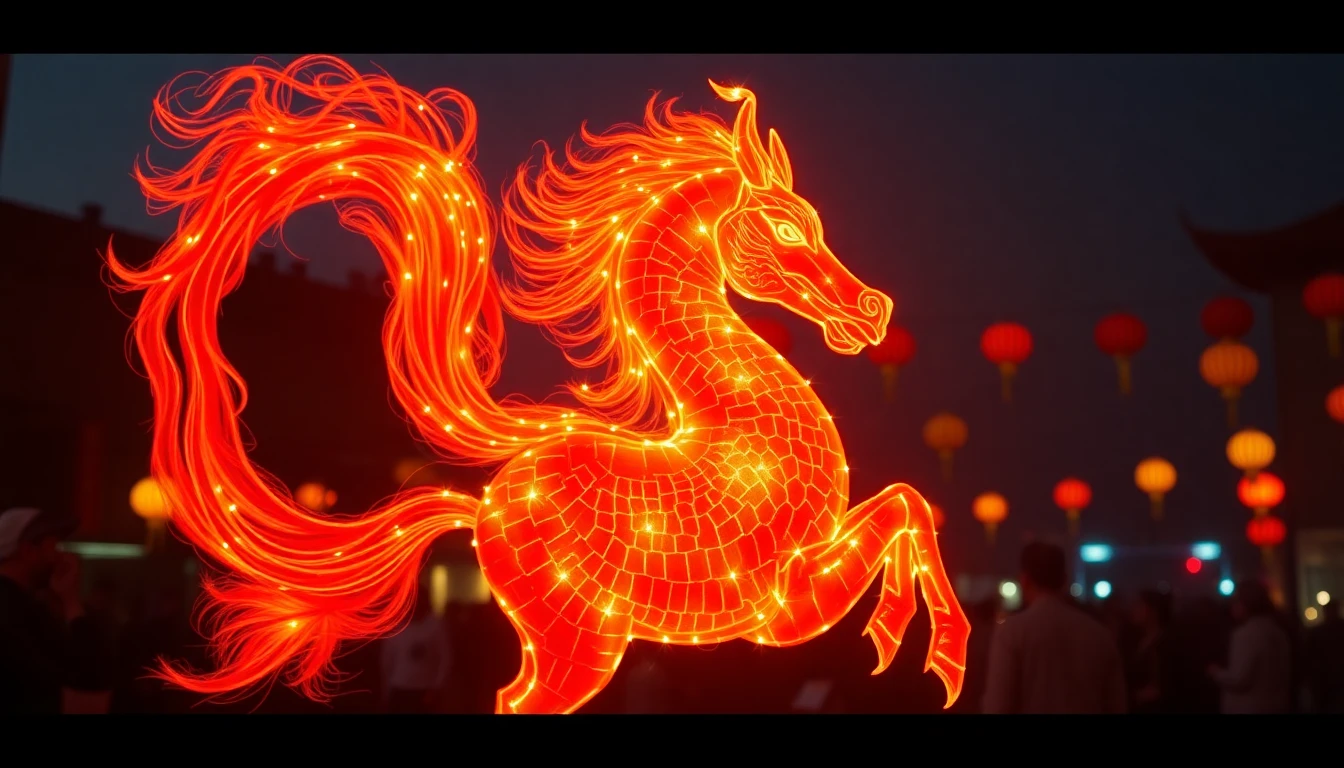
As the Lunar New Year approaches on February 10, 2026, millions across Asia and the world prepare to welcome the Year of the Fire Horse. This year’s celebration promises to be especially vibrant, not only due to the traditional festivities but also because of the unique characteristics associated with the Fire Horse in Chinese astrology. Known for its energy, enthusiasm, and independence, the Fire Horse symbolizes a year filled with dynamic changes and opportunities. This article delves into the cultural significance of the Fire Horse, the festivities surrounding the Lunar New Year 2026, and the broader implications for communities embracing these traditions.
The Significance of the Fire Horse in Chinese Astrology
The Fire Horse is one of the most intriguing signs in the Chinese zodiac. Those born under this sign are said to be passionate, adventurous, and spirited. Fire, as one of the five elements in Chinese philosophy, adds an additional layer of intensity to the Horse’s natural traits. In the Zodiac cycle, the Horse represents freedom and movement, while the Fire element embodies warmth and enthusiasm. Together, they suggest a potent combination that encourages individuals to pursue their passions with vigor. Historically, years of the Horse have been associated with rapid progress and transformation, making this Lunar New Year a pivotal time for personal development and communal growth. Many believe that the characteristics of the Fire Horse will inspire people to break free from constraints and embrace new possibilities, whether in personal relationships, careers, or creative pursuits.
Celebratory Traditions of Lunar New Year 2026
The Lunar New Year is steeped in rich traditions and customs that vary across different cultures. Central to the celebrations is the family reunion dinner held on New Year’s Eve, where families gather to share a meal that symbolizes togetherness and prosperity. Dishes such as fish, dumplings, and rice cakes are commonly served, each carrying its own auspicious meaning. As the Year of the Fire Horse unfolds, many communities will also engage in lion dances, firecrackers, and parades, creating a festive atmosphere that resonates with the energy of the Fire Horse. In 2026, cities like Beijing, Hong Kong, and San Francisco are preparing for grand celebrations that are expected to attract tourists and locals alike. The use of red decorations and the giving of red envelopes filled with money reflect wishes for good fortune and happiness in the upcoming year. The Fire Horse’s influence is likely to be felt in the themes of freedom and courage that will permeate the celebrations, encouraging participants to express their hopes and dreams for the future.
Global Impact and Economic Considerations
As Lunar New Year festivities gain global recognition, the economic impact of this celebration cannot be understated. In 2026, businesses worldwide are expected to leverage the occasion for marketing strategies aimed at Asian consumers and those interested in cultural experiences. Retailers often see a boom in sales of traditional goods, food, and decorations leading up to the New Year. The Fire Horse’s symbolism of energy and progress aligns well with emerging trends in technology and business. For instance, the increasing integration of artificial intelligence in consumer services is likely to experience a surge during this period, mirroring the Fire Horse’s dynamic nature. Major corporations are aligning their marketing campaigns to resonate with the themes of the Fire Horse, promoting products that emphasize innovation and positivity. Additionally, with the rise of cryptocurrencies and digital transactions, many businesses are exploring new avenues to engage customers through technology, including the growing trend of white-label cryptocurrency exchanges. This evolving landscape reflects the adaptability and forward-thinking spirit characteristic of the Fire Horse.
Community Engagement and Cultural Exchange
In recent years, the Lunar New Year has become an opportunity for cultural exchange and community engagement across various regions. Cities with significant Asian populations, such as Los Angeles, Toronto, and Sydney, are known for their vibrant celebrations that attract diverse crowds. In 2026, the emphasis on the Fire Horse may encourage communities to explore shared values and experiences, fostering a sense of unity. Educational programs in schools and community centers are also likely to promote understanding of Chinese culture, highlighting the significance of the Lunar New Year and the traits associated with the Fire Horse. These initiatives help bridge cultural gaps and encourage appreciation for diversity. Furthermore, social media platforms will play a vital role in sharing and celebrating the festivities globally, allowing individuals to connect over shared traditions and aspirations. The Fire Horse’s themes of independence and exploration can inspire people to take initiative in learning about different cultures, ultimately enriching the tapestry of global society.
Looking Ahead: The Future of Lunar New Year Celebrations
As we celebrate the Year of the Fire Horse, it is essential to consider the future of Lunar New Year traditions. The evolving landscape of technology and globalization presents both challenges and opportunities for cultural preservation. In 2026 and beyond, communities must navigate the balance between maintaining traditional practices and embracing modernity. Innovations in virtual reality and augmented reality could transform how people experience Lunar New Year celebrations, allowing individuals unable to attend in person to participate in festivities from afar. Additionally, the increasing popularity of sustainable practices may influence how celebrations are conducted, with a growing focus on eco-friendly decorations and waste reduction. As the Fire Horse encourages boldness and vision, it is likely that future celebrations will reflect a blend of traditional values and contemporary relevance, ensuring that the spirit of the Lunar New Year remains vibrant and meaningful for generations to come.
Takeaways
The Year of the Fire Horse is an auspicious period that embodies renewal, freedom, and the pursuit of dreams. As communities around the world prepare for Lunar New Year 2026, the vibrant traditions and cultural significance of the Fire Horse inspire individuals to embrace change and seize opportunities. From family reunions and festive parades to global economic shifts and cultural exchanges, the impact of this year’s celebrations will be felt far and wide. As we usher in this new year, the spirit of the Fire Horse may just be the catalyst for positive transformations and collective aspirations.
| Aspect | Fire Horse Traits | General Horse Traits | Fire Element Traits |
|---|---|---|---|
| Energy Level | Very High | High | Intense |
| Adventure Seeking | Extremely High | Moderate | Encouraging |
| Independence | Strong | Moderate | Empowering |
| Creativity | Very High | High | Inspiring |
Frequently Asked Questions
What are the characteristics of the Fire Horse in Chinese astrology?
The Fire Horse is characterized by traits such as energy, enthusiasm, and independence. Individuals born under this sign are often seen as adventurous and spirited, with a strong urge to pursue their passions. The Fire element intensifies the Horse’s natural attributes, leading to a potent combination of vigor and progress. Historically, the Fire Horse has been associated with rapid change and transformation, making it a symbol of opportunity and growth. People under this sign are believed to be fearless in exploring new ventures and embracing challenges, which can lead to significant personal and communal advancements. The Fire Horse’s traits encourage individuals to be bold and innovative, reflecting a year filled with potential and excitement.
How is Lunar New Year celebrated across different cultures?
Lunar New Year celebrations vary widely across cultures, reflecting diverse customs and traditions. In China, the festival is marked by family reunions, elaborate feasts, and various festivities such as lion dances and fireworks. In Vietnam, the occasion, known as Tet, includes unique rituals like ancestor worship and specific traditional dishes. In Korea, the celebration, called Seollal, emphasizes paying respects to elders and performing traditional games. Each culture has its own specific foods, decorations, and practices, often centered around themes of prosperity and good fortune. While the core essence of family and renewal remains, the distinct cultural expressions enrich the global tapestry of Lunar New Year, allowing for a shared celebration that transcends borders.
What economic impact does Lunar New Year have globally?
The economic impact of Lunar New Year is significant, particularly in regions with large Asian communities. Retailers commonly experience a spike in sales leading up to the holiday as consumers purchase traditional goods, decorations, and food items. Businesses leverage this period for targeted marketing strategies aimed at engaging customers and capitalizing on the festive spirit. The celebration also stimulates various sectors, including travel and hospitality, as families and friends gather to celebrate. Additionally, the themes of renewal and progress associated with the Fire Horse may influence business trends, encouraging innovation and investment in technology, particularly in areas like artificial intelligence and cryptocurrency. In 2026, the rise of digital transactions and alternative currencies further emphasizes the shifting economic landscape during this time.
How can communities promote cultural exchange during Lunar New Year?
Communities can promote cultural exchange during Lunar New Year by organizing inclusive events that celebrate the diversity of traditions associated with the holiday. Educational programs in schools, cultural fairs, and public festivals can serve as platforms to showcase the significance of the Lunar New Year while inviting participation from all backgrounds. By incorporating interactive elements such as workshops, performances, and traditional cuisine tastings, communities can foster appreciation for the rich tapestry of cultural practices. Social media campaigns can also amplify these efforts by encouraging individuals to share their experiences and perspectives related to the celebrations. Such initiatives create an environment of respect and understanding, allowing for deeper connections between different cultural groups, all while enriching the overall experience of the Lunar New Year.
What does the future hold for Lunar New Year celebrations?
The future of Lunar New Year celebrations is poised to evolve as technology and modern lifestyles continue to influence cultural practices. Innovations in virtual reality and augmented reality may provide new avenues for experiencing the festivities, particularly for those unable to attend in person. As sustainability becomes a growing concern, communities may adopt eco-friendly practices in their celebrations, reducing waste and promoting environmentally conscious choices. The blend of traditional customs with contemporary relevance will likely characterize future Lunar New Year events, ensuring that they remain vibrant and meaningful. As societal values shift and globalization continues to shape interactions, the themes of renewal, freedom, and exploration associated with the Year of the Fire Horse will inspire future generations to celebrate their heritage while embracing modernity.