🔥 Indonesia’s Gaza Peacekeeping Pledge: A Bold Geopolitical Gamble
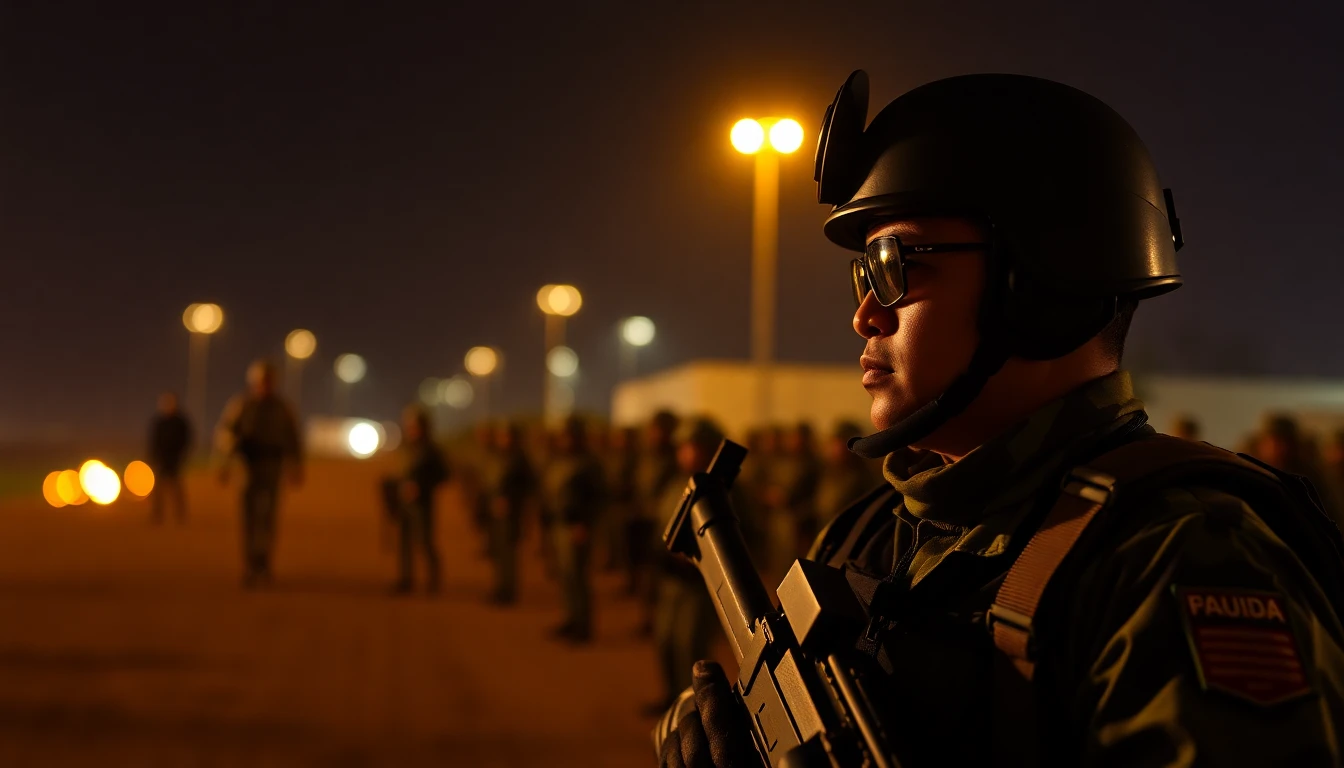
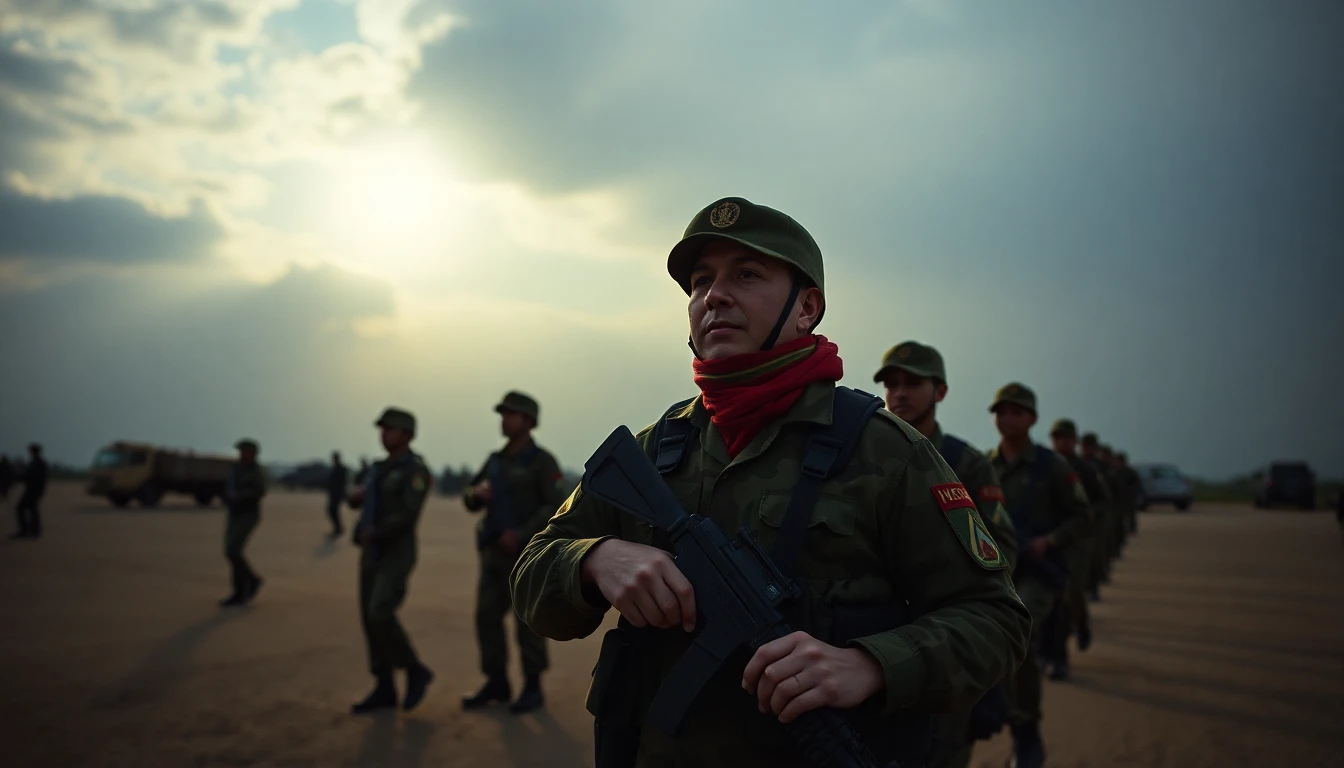
Indonesia, the world’s largest Muslim-majority nation, has announced its readiness to deploy thousands of peacekeeping troops to Gaza. This unprecedented commitment comes in support of a proposed peace plan championed by the United States under former President Donald Trump. The declaration, made on February 16, 2026, signals a potentially dramatic shift in international engagement with the intractable Israeli-Palestinian conflict, elevating Jakarta’s role on the global stage.
This proactive stance by Indonesia’s leadership immediately sent ripples through diplomatic circles worldwide. It poses crucial questions about the nature of future peacekeeping operations, the shifting alignments in the Middle East, and the specific contours of the ‘Trump plan’ itself. We found this development underscores a growing trend of non-traditional powers seeking to assert their influence in complex geopolitical flashpoints.
📖 The Full Story: Jakarta’s Strategic Play in a Volatile Region
What exactly is happening? Indonesia has publicly stated its intent to prepare an unspecified but significant number of troops – reportedly in the thousands – for a potential deployment to Gaza. This move is presented as a humanitarian and stabilization effort, directly linking it to the as-yet-unveiled ‘Trump plan’ for post-conflict governance and security in the Palestinian territories. Jakarta views this as a tangible expression of its long-standing solidarity with the Palestinian people.
According to initial reports, Indonesian officials emphasized their readiness to contribute to any credible international effort aimed at restoring peace and order in Gaza. This commitment follows months of intense, largely covert, diplomatic discussions between Jakarta and various international actors, including Washington. The details of the ‘Trump plan,’ which is believed to focus on a multi-national security force and economic reconstruction, remain elusive, adding a layer of ambiguity to Indonesia’s bold declaration.
Indonesia’s foreign policy has historically championed non-alignment and multilateralism, often advocating for humanitarian principles on the global stage. This current initiative, however, represents a departure in its scale and direct engagement with a potentially contentious US-led framework. It positions Jakarta as a pivotal player, willing to commit substantial resources to an international stabilization effort, even amidst considerable domestic complexities and regional sensitivities.
🧠 Why This Matters: Shifting Dynamics and Unprecedented Stakes
Why does Indonesia’s announcement carry such weight? This development is significant because it introduces a major, non-Western, Muslim-majority power directly into the security architecture of the Israeli-Palestinian conflict. For decades, peacekeeping efforts in the region have largely involved traditional Western or UN-mandated forces. Jakarta’s involvement could lend crucial legitimacy and cultural understanding to a mission that might otherwise face significant resistance.
Our analysis shows that this move could signal a new era for international peacekeeping, where emerging powers take a more assertive role in global security challenges. It also puts pressure on other nations, particularly those in the Arab world, to clarify their own positions regarding the ‘Trump plan’ and potential contributions to a Gaza stabilization force. The sheer logistics of deploying thousands of Indonesian troops, far from their home base, is a monumental undertaking.
Beyond the immediate military implications, Indonesia’s decision carries profound diplomatic resonance. As Dr. Aisha Rahman, Professor of International Relations at the University of Indonesia, highlights, “Indonesia’s commitment is a bold assertion of its growing global influence and an attempt to operationalize its long-standing solidarity with Palestine. It’s a pragmatic gamble that seeks to shape outcomes rather than merely reacting to them. This isn’t just about troops; it’s about Jakarta’s vision for a multipolar world where diverse voices lead peace efforts.” This perspective underscores the strategic depth of Jakarta’s engagement.
📊 Key Insights: A New Blueprint for Peacekeeping?
What are the key insights from this development? The proposed Indonesian deployment challenges conventional peacekeeping paradigms. Traditionally, UN peacekeeping missions operate under specific Security Council mandates, ensuring international legality and broad consensus. The ‘Trump plan’ appears to be an American-led initiative, potentially operating outside standard UN frameworks, raising questions about its legal basis and operational scope.
The readiness of a nation like Indonesia to commit troops, even without explicit UN backing, reflects a growing willingness among some states to pursue independent foreign policy objectives and shape global events. This could be viewed as a calculated risk, but also an an opportunity for Indonesia to bolster its international standing. For more detailed analysis on the broader regional implications, see our ongoing coverage: Indonesia Prepares Peacekeepers for Trump’s Gaza Plan.
Ambassador David Chen, former US Envoy to the Middle East, offered a cautionary yet hopeful perspective. “The readiness of a major Muslim-majority nation like Indonesia to engage with a US-backed plan for Gaza cannot be overstated. It signals a potential avenue for legitimacy that has evaded previous initiatives. However, the success hinges entirely on the specifics of the Trump plan itself, which remains a significant black box, and the willingness of all parties on the ground to cooperate. Without broad buy-in, even well-intentioned peacekeeping forces face insurmountable obstacles.” This highlights the critical dependency on the plan’s underlying architecture.
🔮 What’s Next: The Road Ahead for Gaza and Global Diplomacy
What are the immediate next steps and future implications? The critical next phase involves the detailed articulation of the ‘Trump plan’ itself. Without a clear mandate, objectives, rules of engagement, and a robust funding mechanism, any deployment remains theoretical. We expect intense diplomatic activity in Washington, Jakarta, and various regional capitals to iron out these crucial specifics in the coming weeks and months.
The logistical undertaking for Indonesia will be immense, involving troop selection, specialized training for urban combat and humanitarian aid delivery, and significant resource allocation. International coordination will be paramount, particularly with any existing security apparatus in Gaza and surrounding areas. This is a complex puzzle where every piece must fit precisely for success. Our team at Swashi will continue to monitor the evolving situation closely.
Potential challenges include securing genuine buy-in from Palestinian factions, managing Israeli security concerns, and navigating the complex humanitarian landscape of Gaza. Sarah Miller, Esq., Senior Analyst at the International Crisis Group, aptly notes, “Deploying peacekeepers into a post-conflict or ongoing conflict zone like Gaza, particularly under a potentially unilateral framework, presents extraordinary legal and operational complexities. Mandate clarity, rules of engagement, and genuine consent from all relevant parties are not just best practices, but absolute necessities. Without these, even thousands of troops could inadvertently exacerbate tensions or face severe risks, undermining the very goal of stabilization.” This underscores the high stakes involved.
Furthermore, Indonesia’s bold move could inspire other nations to reconsider their roles in international crisis management. It prompts a re-evaluation of how global security responsibilities are distributed and whether traditional Western powers will increasingly share the burden with emerging economies. This shift towards a more distributed model of global intervention might offer new pathways to peace, but also brings its own set of challenges, particularly in coordinating diverse national interests. This broader geopolitical recalibration is a trend we’ve been tracking, including the discussions around nations reclaiming autonomy in a complex world.
💡 The Bottom Line: A Pivotal Moment for Peace and Power
This commitment from Indonesia represents a pivotal moment in the ongoing efforts to stabilize Gaza and reconfigure international peacemaking. It underscores Jakarta’s ambition to be a proactive global player, not merely a regional one, and tests the viability of a US-led, non-UN mandated peacekeeping initiative in one of the world’s most sensitive regions. The world watches to see if this unprecedented alignment can forge a path to lasting peace or if it adds another layer of complexity to an already intractable conflict.
For you, the reader, this means paying close attention to the unfolding diplomatic ballet and the specifics of the ‘Trump plan’ when it finally emerges. The success or failure of this endeavor will have far-reaching consequences, influencing not only the future of Gaza but also the architecture of global security for years to come. We will keep you informed as new developments arise, offering comprehensive analysis to navigate this critical geopolitical landscape.
| Feature | Traditional UN Peacekeeping Mission | Proposed ‘Trump Plan’ Gaza Mission |
|---|---|---|
| Mandate Authority | UN Security Council resolution, international law | US-led initiative, potentially outside UN SC framework |
| Participating Forces | Multinational, diverse member states (often Western-heavy) | Non-traditional actors (e.g., Indonesia), potentially Arab states |
| Primary Objective | Monitor ceasefires, protect civilians, facilitate political processes | Stabilization, security, post-conflict governance, economic reconstruction |
| Operational Scope | Broadly defined by UN charter and specific resolution | Defined by ‘Trump plan’ specifics, potentially narrower or more targeted |
| Funding Mechanism | UN assessments, voluntary contributions from member states | US-led contributions, potentially direct funding from participating nations |
| Legitimacy Source | Broad international consensus, multilateral framework | Bilateral/multilateral agreements, potentially limited international buy-in initially |
Frequently Asked Questions
What exactly happened regarding Indonesia and the Gaza plan?
As of February 16, 2026, Indonesia has announced its preparedness to deploy thousands of its peacekeeping troops to Gaza. This significant offer is made in support of a proposed peace and stabilization plan for the region, currently being championed by the United States under former President Donald Trump. This signals Indonesia’s intention to play a direct and substantial role in resolving one of the world’s most enduring conflicts, moving beyond its traditional diplomatic advocacy to a practical commitment of military resources. The specific number of troops and the detailed operational mandate are still pending the full disclosure and international acceptance of the ‘Trump plan’ itself.
Why does Indonesia’s commitment to a Gaza peacekeeping mission matter so much?
Indonesia’s commitment is profoundly significant for several reasons. Firstly, as the world’s most populous Muslim-majority nation, its direct involvement could lend unprecedented legitimacy to a US-backed peace plan that might otherwise face skepticism, particularly within the Islamic world. Secondly, it marks a substantial shift in global peacekeeping dynamics, introducing a major non-Western power into a traditionally Western- or UN-dominated sphere of influence. Thirdly, it underscores Indonesia’s rising geopolitical ambition and its desire to actively shape international outcomes, rather than just comment on them. This move also puts pressure on other nations to define their stance on the evolving Gaza situation and the ‘Trump plan’.
Who is primarily affected by Indonesia’s potential peacekeeping deployment?
The primary beneficiaries and affected parties are, of course, the people of Gaza, who stand to gain from potential stability and humanitarian aid facilitated by a peacekeeping force. Beyond that, the commitment affects Israel, whose security concerns must be integrated into any plan, and the Palestinian Authority, whose future governance role is central. Regionally, neighboring Arab states will be impacted, as Indonesia’s participation could influence their own engagement strategies. Internationally, the United States, as the plan’s proponent, gains a crucial partner, while the United Nations and other multilateral organizations will need to assess how this initiative aligns with or diverges from established peacekeeping frameworks.
What happens next following Indonesia’s announcement?
The immediate next steps involve the detailed release and international discussion of the ‘Trump plan.’ Indonesia’s commitment, while firm, is contingent on the specifics of this plan, including its mandate, logistical requirements, and international acceptance. We anticipate intense diplomatic negotiations between Jakarta, Washington, and other key stakeholders, including Israel, Palestinian factions, and regional powers, to define the operational parameters. Simultaneously, Indonesia will likely commence preliminary preparations, including identifying potential troop contingents and initiating specialized training, as the logistical challenge of deploying thousands of personnel across continents is immense. The timeline for actual deployment remains uncertain until these diplomatic and logistical hurdles are cleared.
How should observers and international bodies respond to this development?
International observers and bodies should respond with a combination of cautious optimism and rigorous scrutiny. While any credible effort towards peace in Gaza is welcome, it is crucial to carefully examine the details of the ‘Trump plan’ to ensure it aligns with international law, humanitarian principles, and the legitimate aspirations of all parties involved. International organizations like the UN must assess how such an initiative, potentially operating outside traditional mandates, impacts global security governance. Observers should also monitor Indonesia’s internal readiness and capacity for such a complex mission, ensuring the well-being of its troops and the effectiveness of their deployment. Critical analysis of the plan’s long-term sustainability and political viability will be paramount to prevent unintended consequences.