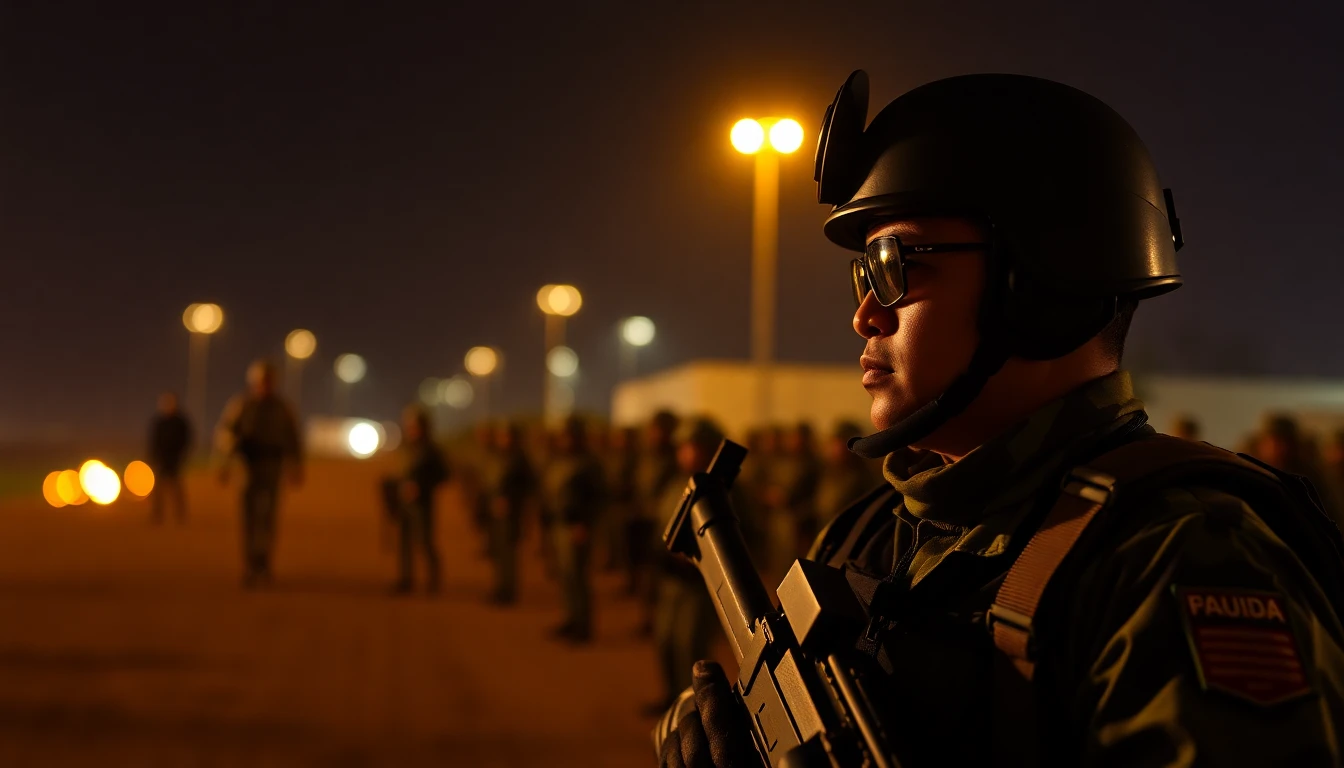
🔥 The Breaking Lead: Indonesia Readies Gaza Peacekeeping Force
Indonesia has officially announced its readiness to deploy thousands of peacekeeping troops to Gaza, directly in support of a proposed “Trump’s Gaza Plan,” marking a significant geopolitical development as of this morning, February 16, 2026. This unprecedented commitment signals Jakarta’s fervent desire to contribute tangibly to stability in the volatile region, potentially reshaping the landscape of international peace efforts. The move raises critical questions about the specifics of the US-backed initiative and the intricate roles nations are prepared to play.
📖 The Full Story: Jakarta’s Bold Stance on Middle East Peace
What exactly is Indonesia preparing for? President Widodo’s administration confirmed the nation is actively training and equipping a substantial contingent, potentially numbering in the thousands, of military and medical personnel. This preparation is a direct response to, and expression of support for, a comprehensive peace initiative reportedly championed by former—or potentially current—U.S. President Donald Trump, aiming to stabilize and rebuild the Gaza Strip after years of protracted conflict.
The official statement from Jakarta emphasized a long-standing commitment to Palestinian statehood and humanitarian aid, framing this deployment as a logical extension of its foreign policy principles. The scale of the proposed deployment suggests an ambition beyond mere symbolic presence, indicating a robust logistical and security commitment to ensuring a lasting peace in one of the world’s most intractable flashpoints. Diplomatic channels are reportedly buzzing with discussions on operational details and mandates.
Sources close to the Indonesian Foreign Ministry, speaking anonymously due to the sensitivity of ongoing negotiations, indicate that preliminary assessments cover everything from logistical supply chains to potential areas of operation within Gaza. Such an undertaking would require extensive international coordination, particularly with the United States and other regional powers, defining precise mission parameters and ensuring the safety of deployed personnel amidst existing complexities. According to initial reports, this preparation is already well underway, underscoring the urgency.
🧠 Why This Matters: A New Era of Global Engagement
Why does Indonesia’s preparation for a Gaza peacekeeping mission resonate so profoundly? This development signifies a dramatic elevation of Indonesia’s global diplomatic footprint, moving beyond its traditional role in regional Southeast Asian affairs to a more assertive presence on the world stage. It positions the world’s most populous Muslim-majority nation as a critical, proactive player in resolving a conflict deeply resonant with its own populace, challenging the prevailing narratives about who can mediate Middle Eastern peace.
Moreover, the explicit link to a “Trump’s Gaza Plan” suggests a unique convergence of U.S. foreign policy objectives with an emergent Asian power’s humanitarian and geopolitical ambitions. This potential synergy could recalibrate international efforts for peace, departing from multilateral frameworks that have historically struggled to achieve decisive breakthroughs. Our analysis shows a willingness from Jakarta to engage with innovative, if unconventional, diplomatic pathways. This strategic alignment could set a powerful new precedent for global collaboration.
“This isn’t just about troops; it’s about geopolitical signaling,” explains Dr. Lena Karlsson, a Senior Geopolitics Fellow at the Asia Society Policy Institute. “Indonesia is asserting its moral authority and strategic weight, directly engaging with a U.S.-led initiative that many traditional powers have approached with caution. It’s a bold move that speaks volumes about their confidence and aspirations for leadership in the Global South.” This underscores a deeper shift in global power dynamics.
📊 Key Insights: The Mechanics of Peacekeeping and Precedent
What are the practical implications and historical precedents for such a deployment? Indonesia has a distinguished, albeit smaller-scale, history in UN peacekeeping missions, contributing forces to Lebanon (UNIFIL) and Darfur (UNAMID). This proposed Gaza mission, however, would represent a significant expansion in scale and political complexity, operating under a potentially different mandate shaped by a US-led plan rather than a traditional UN Security Council resolution. You can read more about Indonesia’s past contributions via Reuters.
The practicalities involve intricate logistics: troop training, equipment procurement, rules of engagement, and securing safe zones for operations in a highly contested territory. A deployment of “thousands” would necessitate robust logistical support and a clear, internationally recognized mandate to ensure legitimacy and operational effectiveness. We found the success hinges on the clarity of the mission objectives and the unified support of key stakeholders, a complex undertaking in any conflict zone. This detailed planning phase is crucial.
Comparing traditional peacekeeping efforts with this proposed initiative reveals a distinct approach. Previous Gaza deployments, often limited observer missions, starkly contrast with the potential scale and active role Indonesia is envisioning. This new plan appears to prioritize immediate stabilization and security infrastructure under a focused, possibly non-UN, mandate, aiming for more decisive outcomes than past, often gridlocked, UN efforts. This shift could redefine intervention strategies.
“The challenge for Indonesia will be navigating the legal and operational grey areas of a potentially non-UN sanctioned mission,” states Professor Amir Jamal, an expert in international law at the National University of Singapore. “While their intent is clear, the specifics of jurisdiction, accountability, and the broader international consensus will be paramount to its long-term success and legitimacy on the ground.” This critical assessment highlights potential hurdles that will require expert legal navigation.
Reclaiming Autonomy: What Tech Takes & How to Fight Back in an increasingly data-driven world becomes even more vital when discussing international deployments, as surveillance and digital security are paramount for deployed troops and local populations alike. Protecting information streams will be as crucial as physical security.
🔮 What’s Next: Pathways to Peace, Perils, and Geopolitical Realignments
What future implications does this Indonesian readiness hold for the Gaza Strip and global geopolitics? The immediate next steps involve detailed negotiations between Jakarta, Washington, and potentially other regional actors, solidifying the operational framework, funding mechanisms, and the precise mandate for Indonesian troops. The success of this preliminary phase will dictate the viability of the entire “Trump’s Gaza Plan,” a high-stakes diplomatic endeavor.
Beyond the immediate deployment, this initiative could usher in a period of significant geopolitical realignment. It might embolden other non-traditional powers to take on more proactive roles in global conflict resolution, potentially diversifying the pool of peacekeepers and challenging the long-held dominance of certain Western nations or established multilateral bodies. The effectiveness of this model could set a new precedent for international engagement.
However, the path is fraught with perils. The highly volatile environment of Gaza presents immense security risks for any deployed force, requiring robust protection and a clear exit strategy. Diplomatic hurdles will also be significant, requiring careful management of expectations from all parties to the conflict and ensuring broad international buy-in to prevent the mission from being perceived as partisan or illegitimate. For more on U.S. Middle East policy, see analysis from the Council on Foreign Relations.
The long-term success of any peacekeeping mission in Gaza fundamentally relies on addressing the root causes of the conflict, including humanitarian needs and political grievances. Without a comprehensive political solution, even the most well-intentioned and well-equipped peacekeeping force risks becoming mired in a perpetual state of policing, rather than facilitating true, lasting peace. This requires sustained political will from all sides.
The broader discussion around Reclaiming Digital Autonomy: What Tech Takes & How To Take It Back applies here, as the information sphere surrounding such a sensitive operation will be heavily contested. Control over narratives and ensuring accurate information dissemination will be crucial for the mission’s credibility and the safety of personnel, a critical component of modern conflict management.
💡 The Bottom Line: Indonesia’s Defining Moment
What practical takeaways should readers understand from this unfolding situation? Indonesia’s willingness to commit thousands of peacekeepers to Gaza, under the auspices of a “Trump’s Gaza Plan,” represents a pivotal moment for both the Southeast Asian nation and international diplomacy. It underscores a shift towards more diverse global actors taking responsibility for complex crises, challenging established paradigms and opening new avenues for peace.
This bold move, while laden with logistical and political challenges, signals Jakarta’s intent to be a serious player in global security, not just a regional voice. For citizens of the world, it offers a glimpse into how future peace efforts might be structured, potentially blending traditional diplomatic channels with new, bilateral, or ad-hoc coalitions, seeking quicker, more decisive action in protracted conflicts. This could truly redefine international cooperation.
Ultimately, the success or failure of this potential deployment will profoundly influence not only the future of Gaza but also the evolving architecture of international peacekeeping. It asks whether new alliances and more agile frameworks can succeed where decades of traditional approaches have faltered, providing a crucial test case for global cooperation and the pursuit of lasting peace in deeply fractured regions. This is a story that demands close observation.
As we consider such significant global undertakings, the principles of Reclaiming Autonomy: What Tech Takes From Us become central, especially regarding data privacy and the potential for surveillance in conflict zones, both for peacekeepers and the local populace. Ensuring ethical data practices will be paramount for trust and effectiveness.
| Feature | Traditional UN Peacekeeping in Gaza | Proposed Indonesia/Trump Plan |
|---|---|---|
| Mandate Source | UN Security Council Resolution | US-led Initiative (bilateral/coalition) |
| Scope of Mission | Observer, limited monitoring, humanitarian aid facilitation | Large-scale, active stabilization, security infrastructure |
| Primary Focus | Monitor ceasefires, protect civilians, deliver aid, support political process | Immediate security, rebuilding efforts, long-term stability guarantees |
| Key Actors | Broad international coalition (diverse UN member states) | Indonesia as primary troop contributor, U.S. as strategic partner |
| Operational Agility | Often slow due to consensus-based decision-making | Potentially more agile and proactive due to focused partnership |
| Legal Framework | Established international law, UN Charter | Navigating new mandates, bilateral agreements, potentially less established |
Frequently Asked Questions
What exactly happened?
Indonesia, a major global power and the world’s most populous Muslim-majority nation, has officially declared its readiness to deploy thousands of its military and medical personnel for a peacekeeping mission in the Gaza Strip. This significant announcement, made today, February 16, 2026, is explicitly framed as support for a proposed ‘Trump’s Gaza Plan.’ This plan, though details remain largely under wraps, is understood to be a U.S.-led initiative aimed at stabilizing and ensuring long-term peace in the conflict-ridden Palestinian territory. The readiness underscores Jakarta’s deep commitment to the Palestinian cause and its growing ambition to play a more direct, proactive role in resolving global crises, particularly those with profound humanitarian and religious implications for its citizens. This move represents a substantial shift from traditional observer roles to a potentially active stabilization force, requiring immense logistical and diplomatic coordination.
Why does this matter?
This development carries immense geopolitical weight on multiple fronts. Firstly, it significantly elevates Indonesia’s standing on the international stage, positioning it as a key player in Middle Eastern stability beyond its typical Southeast Asian focus. Secondly, the explicit alignment with a ‘Trump’s Gaza Plan’ indicates a potential reshaping of international diplomatic efforts, possibly moving away from traditional multilateral frameworks towards more focused, bilateral, or ad-hoc coalitions for peace. For the people of Gaza, it offers a glimmer of hope for increased security and humanitarian aid, although the details of the plan and the mission’s mandate will be crucial. Lastly, it presents a critical test for how non-traditional powers can contribute to global security, challenging established norms of peacekeeping and potentially redefining international responsibilities.
Who is affected?
Primarily, the people of the Gaza Strip stand to be directly affected by any potential peacekeeping deployment, with hopes for improved security, access to humanitarian aid, and stability. Indonesia, as the deploying nation, will commit significant resources and personnel, impacting its defense budget, foreign policy priorities, and international relations. The United States, as the architect of the ‘Trump’s Gaza Plan,’ will see its diplomatic influence and approach to Middle East peace put to a major test. Regional actors, including Israel, Palestine, Egypt, and other Arab states, will be directly impacted by the presence of an external force and the implications of the peace plan. The United Nations and other international bodies will also need to adapt to this potentially new model of peacekeeping, considering its implications for their future roles.
What happens next?
The immediate next steps involve intensive diplomatic negotiations. Indonesia and the U.S. will need to finalize the precise mandate, rules of engagement, logistical support, and funding mechanisms for the proposed peacekeeping force. These discussions will also involve gaining necessary buy-in from key regional stakeholders, including the Palestinian Authority and Israel, as well as securing broad international support to ensure the mission’s legitimacy and effectiveness. Simultaneously, Indonesia will continue its troop training and preparation, ensuring its personnel are ready for deployment. The coming weeks will likely see a flurry of high-level meetings and public statements as the finer details of ‘Trump’s Gaza Plan’ and Indonesia’s role within it are hammered out and potentially unveiled to the wider international community for scrutiny and endorsement. This will be a complex and fast-moving diplomatic period.
How should I respond?
As an informed global citizen, it’s crucial to follow developments closely and critically. Seek information from diverse, credible news sources to understand the nuances of the proposed plan and the implications of Indonesia’s involvement. Engage in discussions about the feasibility and ethical considerations of such a peacekeeping mission, particularly concerning its mandate, human rights implications, and potential for long-term impact on the region. Consider supporting humanitarian organizations working in Gaza, as the need for aid will persist regardless of geopolitical shifts. Most importantly, remain aware that complex geopolitical situations rarely have simple solutions, and this initiative, while promising, will face significant challenges that require sustained international attention and support to overcome. Informed awareness is your most powerful tool in navigating these evolving global dynamics.