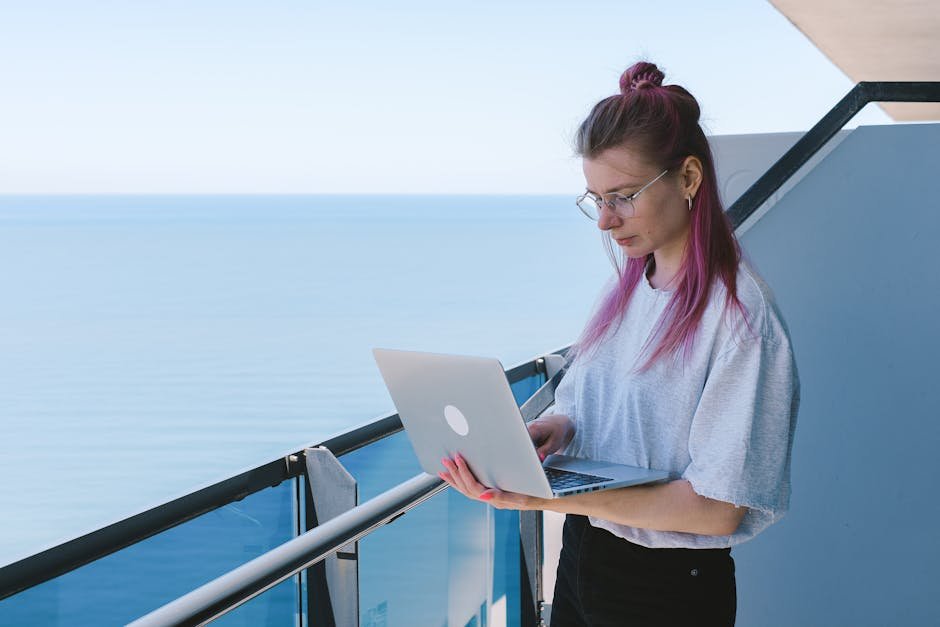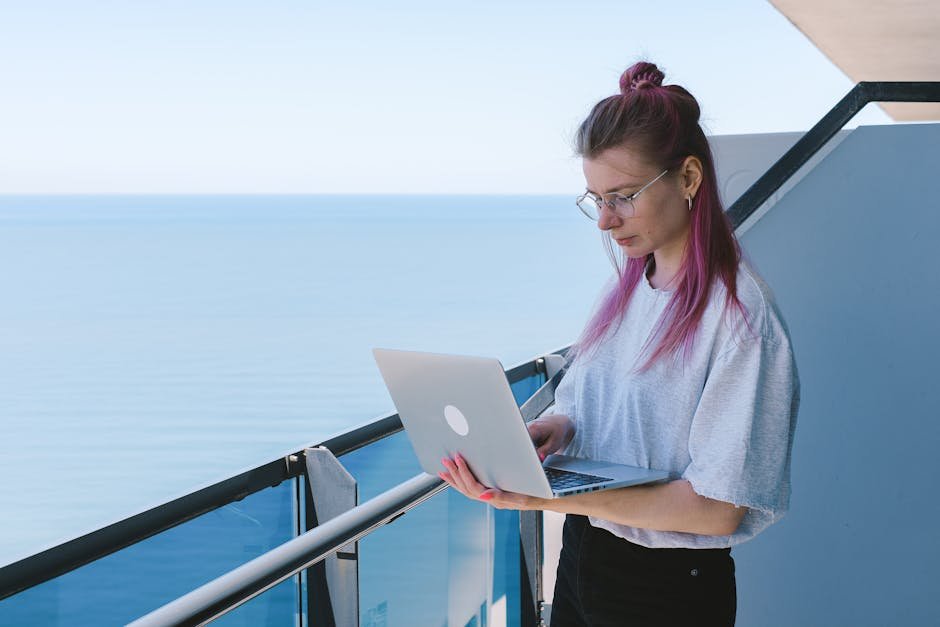
The allure of the digital nomad lifestyle has never been stronger. In January 2026, we stand at a fascinating juncture where technology, shifting global work paradigms, and a collective yearning for freedom converge to make location-independent living more accessible and sophisticated than ever before. What was once considered a niche pursuit for a daring few has blossomed into a mainstream aspiration, a viable career path, and a powerful statement about how we choose to live and work in the modern era.
Forget the simplistic images of someone working on a beach; the reality of digital nomadism in 2026 is far more nuanced, demanding strategic planning, resilience, and a deep understanding of global logistics. This definitive guide, crafted by our editorial team, dissects the multifaceted journey of becoming a successful digital nomad, offering practical insights and forward-looking analysis for those ready to embrace a life without borders. It’s an exploration not just of how to achieve mobility, but how to thrive in it, maintaining productivity, financial stability, and personal well-being across continents.
The Evolving Landscape of Digital Nomadism in 2026: More Than Just a Trend
Digital nomadism in 2026 has transcended its initial perception as a transient trend, solidifying its place as a legitimate and increasingly structured career and lifestyle choice. The past few years have accelerated its growth exponentially, driven by a confluence of technological advancements, evolving corporate attitudes towards remote work, and a global re-evaluation of personal priorities. We are no longer discussing whether remote work is possible, but rather how to optimize borderless living for maximum impact and fulfillment. For a comprehensive look at the current state, consult Digital Nomads 2026.
Deep Dive into Current State: The definition of a digital nomad has broadened significantly. While the core principle – earning a living remotely while traveling – remains, the types of individuals embracing this life are more diverse than ever. We’re seeing seasoned professionals leveraging years of experience to launch independent consultancies, creative entrepreneurs building online empires, and a burgeoning segment of corporate employees empowered by their companies’ permanent remote work policies. Governments worldwide have also recognized this shift, with an increasing number of nations introducing specialized digital nomad visas. These aren’t merely extensions of tourist visas; they are purpose-built residency permits designed to attract skilled, financially independent individuals who contribute to local economies without competing for local jobs. Countries like Portugal, Spain, Croatia, and even emerging economies in Latin America and Southeast Asia are actively courting this demographic, offering simplified application processes and sometimes even tax incentives, creating a more formal and less ambiguous pathway for long-term stays.
Historical Context: The seeds of digital nomadism were sown with the advent of the internet and the rise of portable computing in the late 20th century. Early pioneers were often tech enthusiasts or unconventional freelancers, navigating dial-up connections and limited digital infrastructure. The 2010s saw the concept gain traction with improved internet speeds, the proliferation of cloud-based tools, and the emergence of coworking spaces. However, it was the global events of the early 2020s that acted as an unprecedented catalyst. Forced remote work paradigms demonstrated the viability of distributed teams on a massive scale, shattering many long-held corporate assumptions about office dependency. This period transformed digital nomadism from an aspirational niche into a widely understood and often desirable alternative to traditional employment, paving the way for the sophisticated ecosystem we see in 2026.
Future Outlook: The trajectory for digital nomadism points towards even greater integration and refinement. We anticipate a continued rise in specialized services catering to nomads, from bespoke financial advisors navigating international tax laws to mental wellness platforms addressing unique challenges of a transient lifestyle. The concept of ‘nomad villages’ or ‘coliving’ spaces, designed for extended stays and community building, will become more prevalent and sophisticated, moving beyond basic hostels to offer premium amenities, professional networking opportunities, and structured wellness programs. Furthermore, the push for sustainable travel and conscious consumption will influence how nomads choose their destinations and interact with local cultures. The emphasis will shift from simply ‘seeing the world’ to ‘experiencing the world responsibly,’ fostering deeper connections and leaving a positive footprint. The very infrastructure supporting remote work, from satellite internet constellations to advanced cybersecurity solutions, will continue to evolve, making seamless work possible from virtually anywhere on the planet, further cementing digital nomadism not as an alternative, but as a fundamental pillar of the global workforce.
Laying the Foundation: Cultivating the Nomad Mindset and Financial Fortitude
Embarking on the digital nomad journey in 2026 requires more than just a laptop and a passport; it demands a robust mindset and an unshakeable financial foundation. The romanticized image often glosses over the inherent challenges, making preparedness for both the psychological and monetary aspects absolutely critical for sustained success. Without a firm grasp on these two pillars, the dream can quickly devolve into a stressful reality.
Deep Dive into Mindset: The nomad mindset is characterized by adaptability, resilience, and an unwavering sense of self-reliance. You’ll regularly face unfamiliar environments, unexpected logistical hurdles, and the occasional bout of loneliness or homesickness. Cultivating emotional intelligence to navigate cultural differences, an open-mindedness to new experiences, and a proactive problem-solving approach are paramount. Self-discipline becomes your most valuable asset, particularly in managing your work schedule, maintaining productivity without external oversight, and resisting the constant temptations of travel. Setting clear personal and professional goals before you even depart, and regularly revisiting them, provides an anchor in an otherwise fluid existence. This involves understanding your motivations deeply: Are you seeking adventure, career growth, financial freedom, or a combination? Clarity here will guide your decisions and help you stay grounded. Furthermore, embracing a minimalist philosophy, not just in possessions but in mental clutter, allows for greater agility and less stress, making transitions smoother and focusing energy on what truly matters.
Financial Preparedness: This is arguably the most critical and often underestimated aspect. Before even considering departure, a substantial emergency fund is non-negotiable – ideally six to twelve months of living expenses saved. This buffer provides security against income fluctuations, unexpected medical emergencies, or unforeseen travel disruptions. Diversifying income streams is a smart strategy in 2026, as relying on a single client or employer can be precarious. Many successful nomads combine freelance gigs, part-time remote work, and passive income sources. Budgeting becomes an art form on the road, demanding meticulous tracking of income and expenses. Tools and apps designed for international finance are invaluable. Researching the costs of living in Europe or other target regions is crucial for realistic financial planning. Factors like accommodation, food, transportation, visa fees, and health insurance vary wildly. Identifying affordable nomadic living destinations or cheap places to live can significantly extend your runway and reduce financial stress. Equally important is understanding international banking, currency exchange rates, and the implications of being a non-resident for tax purposes. Consulting with a specialist on Nomads Tax Friendly Countries can prevent significant headaches down the line. Many digital nomads utilize multi-currency accounts and debit cards with low foreign transaction fees to manage their daily finances efficiently. The goal is to build a financial fortress that allows you to focus on your work and experiences, rather than constantly worrying about dwindling funds.
Securing Your Remote Income Stream: Skills, Platforms, and Entrepreneurial Ventures
The bedrock of digital nomadism is a reliable and portable income stream. In 2026, the global remote work market is robust but also highly competitive, necessitating a strategic approach to securing and maintaining your livelihood. Simply having a skill isn’t enough; you must identify high-demand areas, effectively market your expertise, and often diversify your income to withstand market fluctuations. This section delves into the pathways to establishing your remote financial independence.
Deep Dive into Skills and Platforms: The most in-demand remote skills often revolve around technology, creativity, and specialized knowledge. Think software development (especially in AI/ML, cybersecurity, blockchain), digital marketing (SEO, content strategy, social media management, performance marketing), graphic design, video editing, UI/UX design, data analysis, virtual assistance, copywriting, and project management. The key is to assess your existing skills and identify how they translate into a remote context, or what new skills you need to acquire. Platforms like Upwork, Fiverr, Toptal, and Remote.co remain vital conduits for freelancers and remote employees connecting with clients and companies worldwide. However, competition on these platforms can be fierce, necessitating a well-crafted profile, a strong portfolio, and a proactive pitching strategy. Beyond these general platforms, niche job boards catering specifically to remote workers (e.g., We Work Remotely, FlexJobs) or industry-specific sites can yield higher-quality leads. For those with a more entrepreneurial bent, leveraging platforms like Shopify or Etsy, or building a personal brand through social media (LinkedIn, Twitter, specialized communities) to attract direct clients, offers greater autonomy and potentially higher earning potential.
Upskilling is a continuous process for any digital nomad. Online courses (Coursera, edX, Udemy), certifications, and professional development programs are invaluable for staying relevant in a rapidly evolving job market. Consider courses in data science, advanced digital marketing techniques, or even language learning, which can open up new client bases. Building a strong personal brand, demonstrating expertise through a blog or professional portfolio, and networking within remote communities are essential for standing out. Don’t underestimate the power of referrals; satisfied clients are often the best source of new business. Mastering the art of writing compelling proposals and negotiating fair rates is also a skill that directly impacts your income stability.
Entrepreneurial Avenues and Future Outlook: Beyond direct service provision, many digital nomads embrace entrepreneurial ventures. This could range from dropshipping (setting up an e-commerce store and fulfilling orders through third-party suppliers) to creating and selling digital products (e-books, online courses, software-as-a-service), or even developing content-driven businesses like blogs, podcasts, or YouTube channels that generate income through advertising, sponsorships, or affiliate marketing. The flexibility of these models often aligns perfectly with the nomadic lifestyle. The rise of automation tools and AI-powered assistants in 2026 further empowers solo entrepreneurs, allowing them to manage complex tasks like customer service, content generation, and administrative duties more efficiently, freeing up time for core business activities or exploration. This means smaller teams, or even individuals, can achieve what previously required larger organizations. The focus is increasingly on leveraging these technologies to scale impact without scaling overheads. Identifying a niche, solving a specific problem for an audience, and consistently delivering value are the cornerstones of successful remote entrepreneurship.
Navigating the Logistics: Visas, Health, Tech, and Smart Travel
Once your income stream is secure and your mindset is aligned, the practicalities of a life on the move come into sharp focus. The logistical maze of visas, health, essential technology, and efficient travel can seem daunting, but with proper planning and access to current information, it becomes a manageable aspect of the nomadic experience. Successfully navigating these elements ensures that your travels are smooth, safe, and conducive to productivity.
Deep Dive into Logistics: The most critical logistical hurdle for many is visa compliance. In 2026, numerous countries offer specific digital nomad visas, allowing for extended stays (typically 6 months to 2 years, often renewable) for remote workers. Researching these options based on your nationality and desired destinations is paramount. Don’t rely on tourist visas for long-term stays, as this can lead to legal issues. Requirements often include proof of remote income, health insurance, and sufficient funds. Understanding entry and exit requirements for each country, as well as any specific travel restrictions or vaccination mandates, is crucial for seamless border crossings. For expert tips on efficient movement, check out Nomads Traveling Hacks 2026.
Comprehensive health insurance tailored for international travel is non-negotiable. Standard domestic policies rarely cover you adequately abroad. Look for plans specifically designed for digital nomads that offer global coverage, emergency evacuation, and sufficient medical care for both routine and unexpected health issues. Mental health support is also an increasingly important feature to consider in these policies. Beyond insurance, maintaining personal hygiene and a clean living space is vital, especially when constantly moving. Products like a multi-purpose cleaning gel can be surprisingly useful for quickly sanitizing workspaces or personal items on the go, highlighting the importance of compact, versatile tools.
Your tech stack is your office. Reliable, lightweight, and robust equipment is essential. This includes a powerful laptop, a portable monitor (if needed for productivity), noise-canceling headphones, a dependable portable hotspot or access to eSIM technology for constant connectivity, and backup storage solutions. Cybersecurity is also paramount; always use a VPN, strong passwords, and two-factor authentication. Power adapters and converters are non-negotiable, and a universal travel adapter is a must. For those who enjoy cooking or maintaining healthy habits on the road, compact and smart kitchen gadgets are increasingly popular. Consider a premium multi-purpose smart kitchen scale for precise measurements or a multifunctional smart kitchen gadget to prepare meals efficiently in various accommodations, as seen in this inspiring TikTok video. Packing strategically means prioritizing essentials and embracing a minimalist philosophy. Lightweight, quick-drying clothing and versatile items are key. If traveling with pets, additional considerations arise. A portable dog water cup, as showcased in this TikTok video, is an example of the specialized gear that makes pet-friendly nomadism feasible, ensuring hydration and convenience for your furry companions while on the move. Researching pet import regulations for each country is also critical and often complex.
Thriving on the Road: Building Community, Maintaining Productivity, and Embracing the Lifestyle
The transition from simply ‘being’ a digital nomad to truly ‘thriving’ within the lifestyle involves more than just secure income and efficient logistics. It requires conscious effort to build meaningful connections, maintain peak productivity, and cultivate a sense of belonging, regardless of your current location. This is where the aspirational elements of the lifestyle meet the everyday realities, demanding intentional strategies for well-being and fulfillment.
Deep Dive into Thriving: One of the most common challenges for new digital nomads is loneliness and the struggle to build a stable social network. In 2026, the ecosystem for community building is robust. Coworking spaces have evolved into vibrant hubs that offer not just desks but also curated events, workshops, and networking opportunities. Joining local Facebook groups, Meetup.com events, or specialized nomad communities (both online and in person) in your chosen destination can facilitate connections. Participating in local activities, learning a new language, or volunteering are excellent ways to integrate into the local culture beyond just the nomad bubble. These interactions provide diverse perspectives and a sense of rootedness, even if temporary. Furthermore, proactively scheduling regular check-ins with friends and family back home through video calls helps maintain those vital long-distance relationships, mitigating feelings of isolation.
Maintaining productivity and work-life balance is another art form. The temptation to constantly explore can easily overshadow work commitments. Establishing a consistent routine, even if flexible, is crucial. Designate specific work hours, create a dedicated workspace (whether in a coworking space, a quiet cafe, or your accommodation), and utilize productivity tools to manage tasks and deadlines. Remember, the freedom of nomadism isn’t about working less; it’s about working smarter and having the flexibility to integrate work around your life, not the other way around. Burnout is a real risk; scheduling downtime, engaging in hobbies, and prioritizing self-care are essential. This means knowing when to disconnect, put the laptop away, and truly immerse yourself in your surroundings. Setting clear boundaries between work and travel ensures that neither aspect completely overwhelms the other, allowing you to enjoy both the professional accomplishments and the enriching experiences of being abroad.
Embracing the lifestyle fully means more than just traveling; it involves a deep cultural immersion. This could involve learning basic phrases of the local language, trying traditional foods, participating in local festivals, or engaging in conversations with locals to understand their perspectives. This deepens your travel experience and fosters a sense of global citizenship. The digital nomad lifestyle also offers an unparalleled opportunity for personal growth, pushing you out of your comfort zone and forcing you to adapt, learn, and grow in ways few other lifestyles can. It’s a continuous journey of self-discovery, resilience, and expanding your worldview. The evolving financial technologies, such as blockchain in 2026, are also playing an increasingly significant role in enabling this lifestyle, offering secure, transparent, and efficient ways to manage international payments, access decentralized finance, and even verify digital identities, further streamlining the logistical burdens and enhancing the freedom of movement for nomads.
Takeaways for the Aspiring Digital Nomad in 2026:
- **Strategic Planning is Paramount:** Don’t just pack a bag and go. Plan your finances, research remote work options, and understand the legalities of long-term travel.
- **Cultivate Resilience:** The nomad life is rewarding but challenging. Develop adaptability, problem-solving skills, and a strong sense of self-discipline.
- **Diversify and Upskill:** Relying on a single income stream is risky. Continuously develop high-demand skills and explore multiple avenues for earning.
- **Embrace Technology Wisely:** Leverage digital tools for work, communication, and financial management, but also understand their limitations and security implications.
- **Prioritize Well-being:** Actively seek community, maintain routines, and make time for self-care to avoid burnout and foster a sustainable lifestyle.
- **Be a Responsible Traveler:** Engage respectfully with local cultures and consider the environmental and social impact of your travels.
| Pathway | Initial Investment (Time/Money) | Income Stability & Growth Potential | Work-Life Balance & Flexibility | Key Skills & Mindset |
|---|---|---|---|---|
| Remote Employee | Low initial time investment (existing job often translates); minimal financial risk. | High stability with consistent salary and benefits; growth tied to company structure. | Moderate flexibility (fixed hours, meeting schedules); clearer boundaries between work/personal. | Teamwork, communication, self-management, meeting deadlines. |
| Freelancer | Moderate time investment (portfolio building, client acquisition); some financial buffer needed. | Variable stability (depends on client flow); high growth potential with scaling rates/clients. | High flexibility (set your own hours, choose projects); requires strong self-discipline. | Specialized skill mastery, marketing, client management, negotiation, time management. |
| Solopreneur/Business Owner | High initial time and often financial investment (product development, marketing, legal). | Low initial stability, but highest long-term growth and passive income potential. | Highest flexibility (ultimate control); can be demanding initially; blurred work/life lines. | Entrepreneurial drive, innovation, marketing, sales, strategic thinking, resilience. |
Frequently Asked Questions
What are the most crucial skills for a digital nomad in 2026?
In 2026, the most crucial skills for a digital nomad are a blend of technical proficiency, soft skills, and entrepreneurial acumen. On the technical side, expertise in areas like AI integration, cybersecurity, data analytics, cloud computing, advanced digital marketing, and software development remains highly valued. However, soft skills are equally, if not more, critical: adaptability to new environments and cultures, exceptional communication (especially across time zones), problem-solving under pressure, fierce self-discipline to manage work without direct supervision, and emotional resilience to handle the unique challenges of a transient lifestyle. Furthermore, an entrepreneurial mindset – whether you’re a freelancer, remote employee, or business owner – is vital, encompassing proactivity, marketing oneself effectively, and constantly seeking opportunities for growth and skill acquisition. The ability to learn quickly and pivot based on market demands or personal experiences is also paramount.
How do digital nomads manage taxes and financial regulations across different countries?
Managing taxes and financial regulations as a digital nomad in 2026 is a complex but navigable landscape, requiring careful planning. The primary challenge lies in establishing tax residency. Many nomads strive to avoid being a tax resident in multiple countries, often opting for ‘tax-friendly’ nations that offer special visa schemes or have favorable tax treaties. It often involves understanding the ‘183-day rule’ (spending less than 183 days in any single country to avoid residency) and proving non-residency in one’s home country. Consulting with an international tax specialist is highly recommended before embarking on the journey. Tools like multi-currency bank accounts, global payment platforms, and crypto assets (for some) facilitate international transactions and income management. Some countries are even offering specific digital nomad visas that come with predefined tax benefits or clarify tax obligations. The key is proactive research and professional advice to ensure compliance and optimize financial outcomes, especially concerning income tax, VAT, and social security contributions.
What are the common pitfalls to avoid when transitioning to a digital nomad lifestyle?
Transitioning to a digital nomad lifestyle comes with several common pitfalls that, if unaddressed, can derail the experience. Firstly, insufficient financial planning is a major issue; many underestimate living costs abroad or fail to build a robust emergency fund, leading to early returns home. Secondly, neglecting mental health can be detrimental. The excitement can mask feelings of loneliness, burnout, or culture shock, making it crucial to build a support system and prioritize self-care. Thirdly, a lack of self-discipline in managing work can lead to missed deadlines and client dissatisfaction, as the distractions of travel can easily overshadow professional responsibilities. Fourthly, ignoring visa regulations or overstaying tourist visas can result in legal trouble, fines, or even deportation. Lastly, failing to research internet connectivity and local infrastructure in chosen destinations can severely hinder productivity. Avoiding these pitfalls requires thorough preparation, realistic expectations, and a proactive approach to problem-solving.
Is it feasible to become a digital nomad with a family or pets?
Yes, becoming a digital nomad with a family or pets is increasingly feasible in 2026, though it adds layers of complexity. For families, the focus shifts to finding family-friendly destinations with good schools (international or homeschooling resources), healthcare, and community activities. Accommodation often needs to be larger and more permanent, which can impact budget. Communication and shared decision-making within the family are crucial. For pets, the logistical hurdles are significant: researching pet import/export regulations for each country (vaccinations, microchipping, quarantine periods, breed restrictions), finding pet-friendly accommodations, and ensuring access to veterinary care are paramount. Travel methods also need careful consideration; flying with pets can be expensive and stressful. Specialized travel gear, like a portable dog water cup, becomes essential. Despite these challenges, many families and pet owners successfully embrace nomadic life by meticulously planning, being flexible, and choosing destinations and travel styles that cater to everyone’s needs.
How has technology, particularly AI and blockchain, reshaped digital nomadism by 2026?
By 2026, Artificial Intelligence (AI) and blockchain technology have profoundly reshaped digital nomadism, making the lifestyle more efficient, secure, and accessible. AI tools now automate a vast array of tasks, from drafting emails and generating content to managing schedules and analyzing data, allowing nomads to maximize productivity and focus on higher-value work. AI-powered translation apps and smart assistant devices have also eased cultural and linguistic barriers, enhancing immersive travel experiences. Blockchain technology, as discussed in Blockchain in 2026, brings unparalleled security and transparency to financial transactions, enabling faster, cheaper international payments and decentralized finance options crucial for managing income across borders. Furthermore, blockchain-based digital identity solutions offer secure verification, streamlining visa applications and reducing administrative burdens. These technologies collectively reduce friction, enhance global connectivity, and empower nomads with greater autonomy and security, transforming how they work, manage finances, and interact with the world.