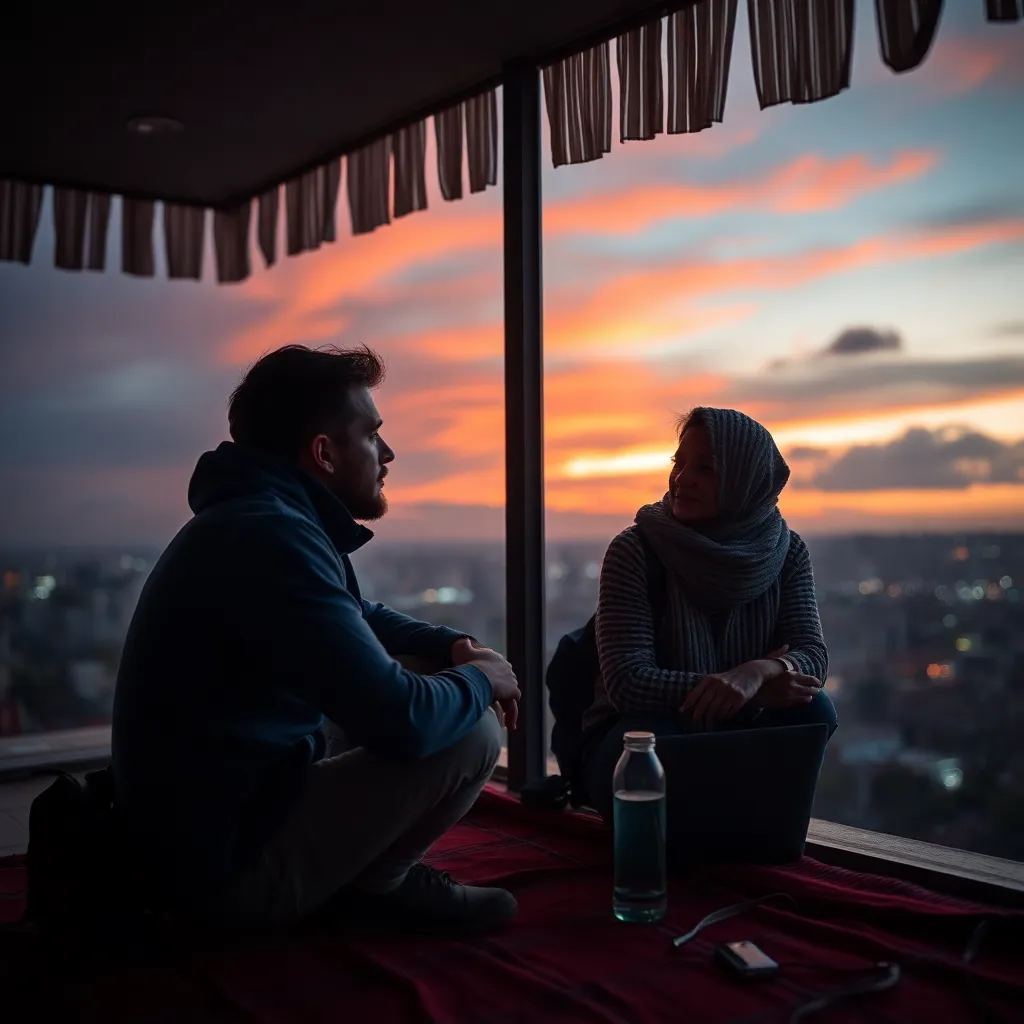
The concept of the digital nomad has transitioned from a niche lifestyle to a significant global movement. As of January 2026, millions worldwide have embraced the freedom of working remotely while traveling, redefining traditional career paths and personal aspirations. This lifestyle offers unparalleled flexibility, cultural immersion, and the chance to escape the conventional nine-to-five.
The evolution of technology, combined with a post-pandemic shift in work culture, has solidified digital nomadism as a viable and increasingly popular choice. This comprehensive guide delves into what it means to be a digital nomad, the tools that enable this lifestyle, the challenges it presents, and what the future holds for this dynamic way of living and working.
Key Takeaways
- Digital nomadism combines remote work with continuous travel, emphasizing flexibility and global exploration.
- Essential tools include reliable internet, cloud-based platforms, and robust cybersecurity solutions.
- Common challenges involve maintaining work-life balance, navigating visas and taxes, and managing healthcare abroad.
- Choosing a destination requires considering cost of living, internet infrastructure, community, and visa options.
- The future sees an expansion of digital nomad visas, sustainable travel practices, and AI integration in remote work.
- A supportive community and proactive planning are crucial for long-term success and well-being as a digital nomad.
Understanding the Digital Nomad Lifestyle
Digital nomadism represents a significant paradigm shift in how people approach work and life. It is fundamentally about leveraging technology to perform one’s job from anywhere with an internet connection, rather than being tied to a single geographical location. This grants individuals unprecedented freedom to explore new cultures, experience diverse environments, and tailor their daily routines to fit personal preferences.
This lifestyle is more than just remote work; it is an integrated approach to living, traveling, and earning a living simultaneously. It prioritizes experiences over possessions and flexibility over fixed routines. Many digital nomads report a significant improvement in their work-life balance, finding inspiration in new surroundings and building a global network of like-minded individuals.
What Defines a Digital Nomad?
At its core, a digital nomad is a professional who uses telecommunications technologies to earn a living and, more broadly, conduct their life in a nomadic manner. This can range from freelance writers and graphic designers to software developers, marketing consultants, and online educators. The key characteristic is that their work is location-independent.
Unlike traditional travelers, digital nomads maintain a professional livelihood while on the move, often staying in one location for several weeks or months before moving to the next. This allows for deeper immersion into local cultures and a more sustainable travel pace. They are typically self-motivated, adaptable, and comfortable with constant change.
The Allure: Freedom, Flexibility, and Discovery
The primary draw of the digital nomad lifestyle lies in the immense freedom it offers. Professionals are no longer constrained by geographical limitations when seeking career opportunities or personal fulfillment. They can choose to work from a bustling city, a serene beach, or a quiet mountain retreat, aligning their environment with their productivity and well-being needs.
This flexibility extends beyond location to scheduling, allowing individuals to manage their work hours around travel, hobbies, or personal commitments. The continuous discovery of new places, people, and perspectives enriches both professional and personal growth, fostering a unique sense of global citizenship. It also provides a unique opportunity for continuous learning and adaptation in diverse settings.
Essential Tools and Technologies for Nomadic Work
Success as a digital nomad hinges on a robust technological toolkit and reliable infrastructure. Without the right tools, the dream of working from anywhere can quickly turn into a logistical nightmare. In 2026, these tools are more sophisticated and integrated than ever, providing seamless support for remote professionals across various time zones and continents.
From ensuring constant connectivity to safeguarding digital assets, every aspect of a digital nomad’s setup is designed for efficiency and mobility. Investing in high-quality equipment and subscribing to reliable services is not just a convenience; it is a fundamental requirement for maintaining productivity and peace of mind while on the move.
Connectivity: The Lifeline
Uninterrupted internet access is arguably the single most critical component for any digital nomad. Reliable Wi-Fi is often available in co-working spaces, cafes, and accommodations in major cities and popular nomad hubs. However, for more remote locations, a robust mobile hotspot or a local SIM card with a generous data plan becomes indispensable.
Many nomads also invest in portable Wi-Fi devices or eSIM services that offer international coverage, providing a crucial backup when local options are insufficient. Always having multiple connectivity options ensures that work deadlines are met and communication with clients and colleagues remains seamless, regardless of one’s physical location.
Remote Work Platforms and Collaboration
The digital nomad ecosystem thrives on cloud-based software and collaboration platforms. Tools like Slack, Microsoft Teams, and Zoom facilitate real-time communication and virtual meetings, ensuring teams can stay connected irrespective of physical distance. Project management software such as Asana, Trello, and Monday.com keeps tasks organized and workflows transparent.
For document sharing and collaboration, Google Workspace and Microsoft 365 remain industry standards, allowing multiple users to work on files simultaneously. These platforms are constantly evolving, integrating AI-powered features in 2026 to further streamline communication and enhance productivity for dispersed teams.
Cybersecurity in a Mobile World
Working from various public and private networks worldwide introduces significant cybersecurity risks. Digital nomads must prioritize their online safety to protect sensitive information and maintain client trust. Using a Virtual Private Network (VPN) is non-negotiable, encrypting internet traffic and masking location, especially when connected to public Wi-Fi.
Strong, unique passwords, multi-factor authentication (MFA) on all accounts, and up-to-date antivirus software are also essential. Regular data backups to cloud storage or external drives provide an additional layer of protection against loss. Staying informed about common cyber threats and practicing good digital hygiene are continuous responsibilities for the mobile professional.
Navigating the Challenges of Digital Nomadism
While the digital nomad lifestyle is romanticized for its freedoms, it also comes with its own set of unique challenges that require careful planning and resilience. Successfully navigating these hurdles is key to a sustainable and enjoyable nomadic journey. From maintaining personal well-being to understanding international regulations, these aspects demand attention.
Many experienced nomads emphasize that preparation and adaptability are crucial for overcoming the inevitable bumps in the road. Addressing these challenges proactively ensures that the lifestyle remains rewarding and doesn’t become a source of undue stress or complication.
Maintaining Work-Life Balance
The blurred lines between work and leisure, especially when one’s office is also their travel destination, can make maintaining a healthy work-life balance difficult. The temptation to constantly explore or, conversely, to overwork due to the lack of traditional boundaries, is ever-present. Establishing a consistent routine, even if flexible, is vital.
Setting clear work hours, creating dedicated workspaces, and consciously scheduling downtime for exploration or relaxation can help prevent burnout. Learning to disconnect and fully embrace personal time is as important as staying productive. Boundaries are essential for both mental health and sustained productivity in this dynamic environment.
Health, Insurance, and Well-being Abroad
Healthcare is a significant concern for digital nomads, as domestic insurance policies often do not cover international travel comprehensively. Specialized international health insurance plans designed for long-term travelers and expatriates are a necessity. These plans typically offer global coverage, emergency evacuation, and telemedicine options, providing peace of mind.
Beyond physical health, mental well-being is equally important. The constant change, potential isolation, and pressure to perform can take a toll. Building a support network, seeking out co-working communities, and being proactive about self-care are crucial strategies for maintaining mental resilience while on the move.
Visa, Taxes, and Legal Complexities
Navigating the legal and financial aspects of digital nomadism can be complex. Understanding visa requirements for different countries is paramount, especially with the rise of dedicated digital nomad visas in places like Portugal, Spain, and Costa Rica in 2026. Overstaying a visa or working illegally can lead to significant penalties.
Tax obligations are also multifaceted, often involving considerations for both the home country and any countries where one establishes a tax residency or spends a significant amount of time. Consulting with an international tax advisor is highly recommended to ensure compliance and avoid unexpected liabilities. These legalities require diligent research and careful planning.
Choosing Your Next Base: Factors to Consider
Selecting the ideal destination is a crucial decision for any digital nomad, influencing everything from daily expenses to social connections. The perfect spot balances professional needs with personal desires, offering a supportive environment for both work and exploration. With an ever-growing list of nomad-friendly locations, making an informed choice is key.
Consideration must be given to practical aspects like infrastructure and cost, as well as qualitative elements such as community and cultural fit. Researching these factors thoroughly before committing to a location can significantly enhance the overall nomadic experience, ensuring a productive and enjoyable stay.
Cost of Living and Infrastructure
Financial considerations heavily influence destination choices. Locations with a lower cost of living can significantly extend travel budgets, allowing nomads to save more or travel longer. This includes evaluating accommodation costs, food prices, transportation expenses, and daily necessities. Balancing affordability with comfort and safety is often a key objective.
Beyond cost, the quality of local infrastructure is vital. This includes reliable and high-speed internet, access to co-working spaces, public transportation, and a generally stable environment. Adequate healthcare facilities and basic amenities are also important considerations for long-term stays. A strong infrastructure minimizes daily frustrations and supports productivity.
Community and Networking Opportunities
The desire for community is a strong driver for many digital nomads. Choosing destinations known for thriving nomad communities, co-living spaces, and regular meetups can provide invaluable social support, networking opportunities, and a sense of belonging. Platforms like Nomad List and local Facebook groups are excellent resources for finding these communities.
Networking within these communities can lead to new friendships, collaborations, and even professional opportunities. Engaging with fellow nomads offers a chance to share experiences, overcome challenges together, and build a global professional network. A strong community significantly enriches the nomadic journey, combating potential feelings of isolation.
Cultural Immersion and Lifestyle
Many digital nomads are drawn to this lifestyle by the desire for cultural immersion and a specific quality of life. Researching a country’s culture, language, safety, climate, and local attractions is crucial for finding a good personal fit. Some prefer the fast pace of a bustling city, while others seek the tranquility of a rural setting or a beach town.
Consider factors such as local cuisine, historical sites, outdoor activities, and the general vibe of a place. A destination that resonates with one’s personal interests and offers opportunities for enrichment beyond work can greatly enhance overall satisfaction and make the experience more memorable and fulfilling. It’s about finding a place where you can thrive holistically.
The Future of Digital Nomadism in 2026 and Beyond
The digital nomad landscape is constantly evolving, driven by technological advancements, changing global policies, and a growing recognition of remote work’s benefits. As we move further into 2026, several key trends are shaping the future of this lifestyle, making it more accessible, sustainable, and integrated into the global economy.
These developments point towards a future where digital nomadism is not just an alternative lifestyle but a mainstream career path for many. The emphasis will increasingly be on creating supportive ecosystems, fostering sustainable travel, and leveraging advanced technologies to enhance the remote work experience.
Emerging Hubs and Digital Nomad Visas
The competition among countries to attract digital nomads is intensifying. In 2026, more nations are offering specialized digital nomad visas, simplifying long-term stays for remote workers. This trend is creating new emerging hubs in regions previously less known for remote work, diversifying popular destinations beyond traditional European hotspots.
Governments are recognizing the economic benefits of attracting high-earning, globally mobile professionals, leading to improved infrastructure and dedicated resources for nomads. These new visas streamline the legal process, offering greater security and stability for those looking to immerse themselves in a location for extended periods, from South America to Southeast Asia.
AI and Automation’s Impact on Remote Work
Artificial intelligence and automation are set to profoundly reshape the remote work landscape. AI tools are already enhancing productivity, automating routine tasks, and offering advanced data analysis, freeing up digital nomads to focus on higher-value activities. This allows for more efficient work, potentially reducing working hours while maintaining or increasing output.
Furthermore, AI-powered language translation tools and virtual assistants are breaking down communication barriers and simplifying international logistics. As these technologies mature, they will make remote work even more seamless, enabling nomads to undertake more complex projects from any corner of the globe and explore new career avenues.
Sustainable and Conscious Travel
With a growing awareness of environmental and social impact, the future of digital nomadism will heavily lean towards sustainable and conscious travel. Nomads are increasingly seeking ways to minimize their carbon footprint, support local economies ethically, and engage respectfully with host communities. This includes choosing eco-friendly accommodations and transportation.
This shift also involves advocating for responsible tourism practices and actively contributing positively to the places they visit. The emphasis is on slower travel, deeper cultural engagement, and leaving a positive legacy. Organizations and platforms are emerging to help nomads make more sustainable choices, reflecting a broader commitment to global responsibility.
The digital nomad lifestyle, while continuously evolving, remains a powerful testament to the human desire for freedom, exploration, and meaningful work. As we navigate 2026 and look further ahead, the opportunities for remote professionals to thrive globally are only expanding. With careful planning, the right tools, and an adaptable mindset, the world truly becomes your office.
| Feature/Category | Established Nomad Hubs (e.g., Lisbon, Berlin) | Emerging Markets (e.g., Medellín, Chiang Mai) | Niche Retreats (e.g., Coastal Portugal, Rural Italy) |
|---|---|---|---|
| Cost of Living | Moderate to High | Low to Moderate | Variable; often moderate to high for quality |
| Internet & Infrastructure | Excellent; widespread fiber optic, co-working spaces | Good and improving; reliable in urban centers | Can be inconsistent; basic but improving in popular areas |
| Nomad Community | Very large and active; many meetups, events | Large and growing; supportive, often close-knit | Smaller, more localized; focused on specific interests |
| Visa & Legal Ease | Often have specific Digital Nomad Visas (e.g., Portugal) | Increasingly offer specific visas; generally welcoming | May require more research; often standard tourist visas or long-stay options |
| Cultural Immersion | Accessible but can be diluted by international crowds | High potential; more authentic local experiences | Very deep; slower pace, strong local traditions |
| Healthcare Access | Generally excellent; public and private options | Good in major cities; varying quality elsewhere | Can be limited; usually requires travel to larger towns |
Frequently Asked Questions
What is a digital nomad and how is it different from remote work?
A digital nomad is someone who works remotely while traveling continuously, often relocating every few weeks or months. While remote work means not going to a traditional office, digital nomadism adds the element of mobility and exploring different locations globally, integrating work with a nomadic lifestyle and cultural immersion.
What are the most important tools for a successful digital nomad lifestyle?
Essential tools include reliable high-speed internet access (portable hotspots, local SIMs), cloud-based collaboration platforms (Slack, Zoom, Google Workspace), and robust cybersecurity measures like a VPN and multi-factor authentication. A dependable laptop and external storage for backups are also critical for sustained productivity on the go.
How do digital nomads handle visas and taxes while traveling internationally?
Visas require careful research, with many countries now offering specific digital nomad visas. Tax obligations are complex and depend on residency rules, income sources, and time spent in various countries. Consulting an international tax specialist is highly recommended to ensure compliance and avoid potential legal issues across different jurisdictions.
What are common challenges faced by digital nomads and how can they be overcome?
Common challenges include maintaining work-life balance, navigating healthcare abroad, and managing social isolation. These can be overcome by establishing routines, investing in international health insurance, proactively seeking out nomad communities, and scheduling regular breaks. Self-discipline and adaptability are key to thriving.
How can I find a community of other digital nomads while abroad?
You can find digital nomad communities through dedicated platforms like Nomad List, local Facebook groups, or by visiting co-working spaces and co-living arrangements. Attending meetups, workshops, and local events is also a great way to connect with like-minded individuals and build a supportive social and professional network in your chosen location.
Source: N/A