Bogotá, Colombia’s sprawling, high-altitude capital, stands as a vibrant epicenter of culture, commerce, and innovation in Latin America. For both prospective residents and digital nomads considering a move in 2026, understanding the true cost of living here is paramount. This isn’t merely a matter of comparing numbers; it’s about grasping the intricate interplay of economic forces, local lifestyles, and personal choices that shape one’s financial reality in this dynamic metropolis. From the historic cobblestone streets of La Candelaria to the upscale enclaves of El Chicó, Bogotá offers a kaleidoscope of experiences, each with its own price tag.
As we navigate the mid-2020s, global economic shifts continue to impact local economies, and Bogotá is no exception. Inflation, currency fluctuations, and evolving urban development all play a role in defining daily expenses. This comprehensive analysis dives deep into the core components of living costs in Bogotá, providing an authoritative guide to help individuals budget, plan, and thrive in this captivating city. We’ll peel back the layers on housing, food, transportation, leisure, and broader economic considerations, offering insights that go beyond surface-level figures to reveal the authentic financial landscape of Bogotá in 2026. Whether you’re a seasoned expatriate or a curious newcomer, preparing for life in Bogotá requires an informed perspective on its economic pulse.
Housing Market Dynamics: Rent, Purchase, and Neighborhood Nuances
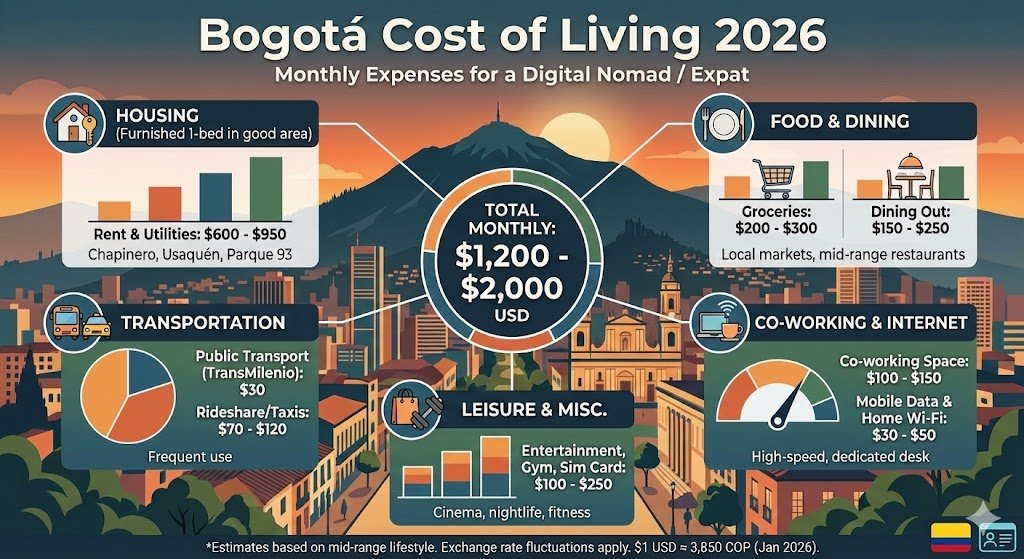
The housing market in Bogotá in 2026 presents a multifaceted landscape, reflecting the city’s vast socio-economic diversity. For many, rent will constitute the most significant monthly expenditure. Rental prices vary dramatically based on location, apartment size, amenities, and security features. Upscale neighborhoods like El Chicó, Usaquén, and Zona G (often dubbed the gastronomic zone) command premium prices, with modern, well-appointed one or two-bedroom apartments typically ranging from 800 to 1,500 USD equivalent per month, sometimes even higher for luxury properties or those in exclusive condominium complexes with extensive services. These areas are characterized by their safety, proximity to business districts, international schools, high-end shopping centers, and vibrant nightlife, making them particularly attractive to expatriates and high-income professionals. Utilities in these areas, including electricity, water, gas, and high-speed internet, can add an additional 100-200 USD equivalent to the monthly bill, varying based on consumption and service provider. It is also common for buildings to have an administración fee, covering maintenance and communal services, which can range from 50 to 300 USD equivalent or more, depending on the building’s offerings.
Moving towards more mid-range options, neighborhoods such as Chapinero Alto, Teusaquillo, and La Soledad offer a blend of traditional architecture and modern conveniences, often at more accessible prices. Here, a comfortable one or two-bedroom apartment might be found for 450 to 800 USD equivalent per month. These areas appeal to a broader demographic, including students, young professionals, and creative types, providing a rich cultural tapestry without the premium price tag of the northern zones. Internet connectivity is robust across most of Bogotá, with fiber optic options widely available at competitive rates, typically around 30-50 USD equivalent for a decent speed package. This reliable connectivity is crucial for remote workers, contributing to Bogotá’s growing appeal as a hub for digital nomads seeking new horizons beyond traditional European or Asian destinations like those explored in Nomads Lifestyle in Europe or Nomads Lifestyle Malaysia. The cost of purchasing property in Bogotá is also significantly lower than in many global capitals, though it requires substantial local market knowledge and legal guidance. While not the focus for most short-to-medium term residents, property values in desirable sectors have seen steady appreciation over the past decade, driven by urban renewal and a burgeoning middle class, making it an interesting long-term investment prospect for those with deeper roots or entrepreneurial ambitions in Colombia.
For budget-conscious individuals or those seeking a more local experience, areas like Suba, Engativá, or parts of Kennedy offer even lower rental costs, with basic apartments potentially available for 250 to 450 USD equivalent. While these neighborhoods might lack some of the amenities and immediate safety perceptions of the wealthier areas, they provide a more authentic glimpse into Bogotá’s everyday life and are generally well-connected by public transport. Co-living spaces and rooms for rent within shared apartments are also increasingly popular, particularly among younger expatriates and students, offering a more affordable entry point into the city’s housing market, often inclusive of utilities and common area maintenance. These options can reduce monthly outlays to 200-400 USD equivalent, providing a communal living experience. Understanding these distinct neighborhood profiles and their associated costs is the first critical step in formulating a realistic budget for life in Bogotá, allowing individuals to align their living situation with their financial capacity and lifestyle preferences.
The Culinary Landscape: Groceries, Dining Out, and Local Flavors
Bogotá’s culinary scene in 2026 is a vibrant tapestry, offering everything from high-end gastronomic experiences to incredibly affordable street food, making food a manageable and often delightful aspect of the cost of living. For daily sustenance, local markets (plazas de mercado) such as Paloquemao or Usaquén provide an unparalleled opportunity to save money on groceries. Here, fresh produce, meats, and dairy are sold at significantly lower prices than in large chain supermarkets, often directly from producers. A weekly haul of fresh fruits, vegetables, and staples for one person could cost as little as 20-30 USD equivalent, emphasizing the value of smart budgeting hacks. Supermarkets like Exito, Carulla, and Jumbo offer convenience and a wider selection of both local and imported goods, but at a slightly higher premium. A typical grocery bill for an individual opting primarily for supermarket purchases might range from 40-70 USD equivalent per week, depending on dietary choices and the inclusion of more expensive imported items. Essentials like rice, potatoes, eggs, and chicken remain highly affordable, forming the backbone of the Colombian diet.
Dining out in Bogotá caters to every budget imaginable. For those seeking an economical yet authentic experience, a traditional almuerzo ejecutivo (executive lunch) at a local restaurant is a cornerstone of Bogotá’s dining culture. These set menus, typically available on weekdays, offer a soup, a main course (often with meat, rice, and a side), a drink, and sometimes a small dessert, all for just 4-7 USD equivalent. This makes daily lunches remarkably affordable and provides a taste of local home cooking. Street food, an integral part of the city’s charm, is even cheaper, with empanadas, arepas, and fresh fruit juices costing mere cents in local currency. A hearty street breakfast or snack might only set you back 1-2 USD equivalent. These options allow for significant savings, especially for those who are willing to embrace the local culinary scene. However, Bogotá also boasts a burgeoning fine-dining sector, particularly in the Zona G and Usaquén, where world-class restaurants offer sophisticated menus and dining experiences. A dinner for two at such an establishment, including drinks, could easily exceed 50-100 USD equivalent, rivaling prices in major European or North American cities.
Mid-range restaurants, offering diverse international cuisines or elevated Colombian dishes, typically charge 10-25 USD equivalent per person for a main course. This segment of the market provides excellent value for money, allowing residents to enjoy a variety of dining experiences without breaking the bank. Coffee culture is, naturally, very strong in Bogotá, with a cup of high-quality local coffee costing around 1-3 USD equivalent at most cafes. The cost of beverages, particularly alcoholic ones, can add up, with a local beer at a bar costing 2-4 USD equivalent and cocktails ranging from 7-15 USD equivalent. For those preparing meals at home, local markets are indispensable for keeping costs down, offering fresh, seasonal produce that is both nutritious and economical. The availability of high-quality, inexpensive local ingredients means that a healthy and varied diet is highly achievable on a modest budget. The city’s diverse food offerings ensure that whether one is on a tight budget or seeking gastronomic indulgence, Bogotá delivers a satisfying culinary journey.
Transportation & Connectivity: Navigating the Capital
Navigating Bogotá’s sprawling urban landscape in 2026 is primarily facilitated by its extensive and evolving public transportation network. The cornerstone is the TransMilenio system, a bus rapid transit (BRT) network that crisscrosses the city through dedicated lanes. A single ride on TransMilenio or the complementary SITP (Sistema Integrado de Transporte Público) buses costs a modest amount in local currency, typically less than 1 USD equivalent. For commuters, a monthly budget of 30-50 USD equivalent for public transport is generally sufficient, assuming regular daily use. While often crowded during peak hours, TransMilenio offers an efficient and extremely cost-effective way to traverse long distances across the city. The SITP network extends coverage to virtually every neighborhood, providing crucial last-mile connectivity and reducing reliance on more expensive options. This accessibility is a key factor in why Bogotá remains a viable option for those seeking affordable nomadic living, allowing residents to live in more budget-friendly areas while still having reasonable access to work and leisure zones.
Beyond public transport, taxis and ride-sharing apps like Uber, Didi, and Cabify are widely available. Taxis operate on a metered system, with fares increasing based on distance, time, and surcharges for night rides or airport trips. A typical intra-city taxi ride might range from 3-10 USD equivalent, depending on the distance and traffic. Ride-sharing apps often offer slightly more competitive pricing and the convenience of cashless payments and pre-calculated fares, making them a popular choice. For those who frequently use these services, budgeting 50-150 USD equivalent per month is a reasonable estimate, though heavy users could easily spend more. Private car ownership, while offering unparalleled freedom, comes with significantly higher costs. Fuel prices, though lower than in many developed nations, still represent a substantial ongoing expense. Parking, maintenance, insurance, and the notorious pico y placa (a license plate restriction system that limits when private vehicles can circulate) all add to the financial burden. For many, the high costs and logistical challenges of private car ownership in Bogotá make it an impractical choice, favoring public transport or ride-sharing instead.
Connectivity in Bogotá extends beyond physical movement to digital infrastructure, which is paramount for remote workers and modern life. High-speed internet services are widely available and relatively affordable. Fiber optic connections offering speeds of 100-500 Mbps typically cost between 20-50 USD equivalent per month, providing excellent value for money. Mobile data plans are also competitive, with major providers offering generous data packages, unlimited calls, and texts for 10-25 USD equivalent monthly. The reliability of this digital infrastructure solidifies Bogotá’s position as an attractive destination for digital professionals, allowing seamless communication and workflow. Furthermore, the city’s embrace of technology, including emerging applications of blockchain in 2026 for secure transactions and digital services, underscores its forward-thinking approach to urban development and connectivity. This robust and affordable digital framework is an often-understated component of Bogotá’s appeal, enabling residents to stay connected globally without incurring excessive costs, which is a major draw for individuals and businesses alike.
Lifestyle & Leisure: Culture, Entertainment, and Wellness
Bogotá, in 2026, is a city that pulses with cultural vitality and offers a diverse array of leisure activities catering to every taste and budget. Engaging with the city’s rich artistic and historical heritage is remarkably affordable. Many of the city’s finest museums, such as the Gold Museum (Museo del Oro) and the Botero Museum, offer free admission or have a very nominal entrance fee, often less than 5 USD equivalent. Live music venues, from intimate jazz clubs to larger concert halls, host local and international acts, with ticket prices varying widely but generally being more affordable than in major global cities. A good concert ticket might cost anywhere from 15-50 USD equivalent, making cultural immersion highly accessible. The city’s numerous parks, including the sprawling Simón Bolívar Metropolitan Park, offer free recreational opportunities, from jogging and cycling to picnics and simply enjoying the green spaces amidst the urban sprawl. Exploring neighborhoods like La Candelaria, with its street art and historic architecture, requires no financial outlay beyond perhaps a cup of coffee or a street snack.
For those interested in fitness and wellness, Bogotá provides a range of options. Gym memberships vary depending on the facility and amenities offered. Basic gym access can start from 20-30 USD equivalent per month, while premium gyms with extensive classes, personal training, and spa facilities can go up to 60-100 USD equivalent or more. Yoga studios, dance classes, and other specialized wellness activities are also prevalent, with drop-in classes typically costing 5-15 USD equivalent. The city’s high altitude makes it a popular destination for endurance sports, and many organized running and cycling groups are free to join, fostering a strong community spirit. Personal care services, such as haircuts, manicures, and massages, are significantly more affordable than in North America or Europe. A haircut for men might cost 5-15 USD equivalent, while women’s services are typically 10-30 USD equivalent, depending on the salon’s prestige. Spa treatments are also priced competitively, allowing for regular indulgence without undue financial strain.
Nightlife in Bogotá is legendary, offering everything from trendy cocktail bars in Zona T and Parque 93 to traditional salsa clubs in Chapinero. The cost of a night out can vary wildly. A few beers at a local bar might only set you back 10-20 USD equivalent, while a night of cocktails at an upscale establishment could easily climb to 50-100 USD equivalent. Movie tickets are generally affordable, around 5-10 USD equivalent per person. Shopping ranges from high-end international brands in malls like Andino and Unicentro to vibrant local markets selling artisan crafts and unique fashion. While imported goods carry a premium due to taxes, local clothing and handcrafted items offer excellent value. Day trips from Bogotá to nearby attractions like the Salt Cathedral of Zipaquirá or the charming colonial town of Villa de Leyva are popular and relatively inexpensive. The bus fares are minimal, and entrance fees to most attractions are modest, making regional exploration an accessible leisure pursuit. Overall, Bogotá’s leisure and lifestyle options allow for a high quality of life, where cultural enrichment and entertainment can be enjoyed without requiring an exorbitant budget, particularly for those who embrace local offerings and make smart choices.
Economic Outlook & Expatriate Considerations: Budgeting for a Bogotá Life
As of January 2026, Bogotá’s economic landscape continues to evolve, influenced by both domestic policies and global economic currents. Inflation, a persistent concern in many economies worldwide, remains a key factor impacting the cost of living. While the Colombian Peso (COP) has experienced periods of volatility against major currencies like the USD and EUR, it generally offers a favorable exchange rate for expatriates earning in stronger currencies, enhancing their purchasing power significantly. This advantage makes Bogotá an attractive prospect for digital nomads and remote workers looking for destinations where their income stretches further, in contrast to the higher living costs seen in many developed nations. The local average salary, while growing, remains considerably lower than in North America or Europe, meaning a typical expatriate income can afford a very comfortable lifestyle that would be difficult to achieve in their home countries. For instance, while a mid-level local professional might earn 800-1500 USD equivalent monthly, a remote worker with an international salary could easily earn several times that, allowing for premium housing, dining, and leisure options.
Healthcare is a critical consideration for any long-term resident. Colombia boasts a two-tiered healthcare system: a public system (EPS) and a private one. While the EPS system is mandated for all residents and covers basic care, many expatriates opt for private health insurance for access to specialized care, shorter wait times, and more comfortable facilities. Private insurance premiums can vary widely based on age, coverage, and provider, typically ranging from 50 to 150 USD equivalent per month for comprehensive plans. Even with private insurance, out-of-pocket costs for consultations or specific procedures are generally lower than in many Western countries, offering high-quality medical services at a fraction of the price. This affordability of healthcare is a significant draw for many. Beyond direct costs, understanding local banking, tax regulations, and visa requirements is crucial for a smooth transition. While Bogotá is generally welcoming, navigating bureaucracy requires patience and often local assistance. Services from transcription technology, like those highlighted in Transcribe, or other digital tools, can assist with paperwork and communication, streamlining administrative processes.
For those considering Bogotá as a long-term base, integrating into the local economy and culture can yield further financial and social benefits. Learning Spanish, engaging with local communities, and understanding the nuances of local commerce can lead to better deals and a richer experience. The city’s burgeoning tech scene, supported by a young, educated workforce, also presents opportunities, though primarily for those fluent in Spanish. Bogotá’s appeal for digital nomads and remote professionals is steadily growing, placing it alongside other emerging hubs like those discussed in the context of Digital Nomads Da Nang. The city offers a unique blend of vibrant culture, pleasant climate (owing to its altitude), and a significantly lower cost of living compared to developed nations, making it an attractive proposition for those seeking a change of pace or a more economical existence without sacrificing urban amenities. Strategic budgeting, informed by a deep understanding of these economic realities, is the key to unlocking the full potential of life in Bogotá in 2026, allowing residents to enjoy a high quality of life while maintaining financial prudence.
Key Takeaways for Life in Bogotá in 2026
Bogotá in 2026 offers a compelling blend of urban vibrancy, rich culture, and a cost of living that remains highly competitive compared to many global cities. The critical takeaway for anyone considering a move is that financial comfort is largely dictated by lifestyle choices and an understanding of the local market nuances. Housing, while the most significant expense, provides options across a wide spectrum, from luxurious expat enclaves to more budget-friendly local neighborhoods. Food costs can be remarkably low for those willing to embrace local markets and traditional eateries, while an indulgence in fine dining can easily rival international prices.
Transportation is efficient and affordable, particularly through its public network, reducing the need for private vehicle ownership. Leisure and cultural activities are abundant and accessible, ensuring a high quality of life focused on experiences rather than prohibitive costs. For expatriates and digital nomads, the favorable exchange rate against the Colombian Peso continues to be a major advantage, allowing an international income to provide a very comfortable and often luxurious lifestyle. However, effective budgeting, informed decision-making regarding housing and dining, and a willingness to integrate into local customs are paramount for maximizing value. Bogotá is not merely a cheap place to live; it’s a city that offers a rich, rewarding, and economically sustainable experience for those who navigate its financial landscape wisely.
| Category | Budget-Conscious Nomad | Mid-Range Professional | Luxury Seeker/Executive |
|---|---|---|---|
| Monthly Rent (1-2 BR) | 250 – 450 USD equivalent (shared apt. or local neighborhoods) | 450 – 800 USD equivalent (Chapinero, Teusaquillo) | 800 – 1500+ USD equivalent (Chicó, Usaquén, Zona G) |
| Monthly Food Expenses | 150 – 250 USD equivalent (mostly home-cooked, local markets, almuerzos ejecutivos) | 250 – 400 USD equivalent (mix of home-cooked, mid-range dining 2-3x/week) | 400 – 800+ USD equivalent (frequent dining out, fine dining, imported goods) |
| Monthly Transportation | 30 – 50 USD equivalent (primarily public transport) | 50 – 100 USD equivalent (public transport + occasional ride-sharing/taxi) | 100 – 200+ USD equivalent (frequent ride-sharing/taxi, personal driver) |
| Monthly Utilities & Internet | 70 – 120 USD equivalent (basic services, shared internet) | 100 – 180 USD equivalent (comfortable internet, moderate utility usage) | 150 – 250+ USD equivalent (premium internet, high utility usage, building fees) |
| Monthly Leisure & Entertainment | 50 – 100 USD equivalent (free activities, local bars, street food) | 100 – 250 USD equivalent (gym, movies, occasional concerts, mid-range dining) | 250 – 500+ USD equivalent (exclusive clubs, fine dining, frequent events, premium wellness) |
Frequently Asked Questions
Is Bogotá affordable for digital nomads in 2026?
Yes, Bogotá remains a highly attractive and affordable destination for digital nomads in 2026, especially for those earning an income in stronger foreign currencies. While major global cities might demand several thousand USD monthly for a comfortable life, Bogotá offers a significantly lower barrier to entry. Rent for a good apartment can be found for 450-800 USD equivalent, and daily expenses like food and transport are very economical. For around 1,000 to 1,800 USD equivalent per month, a digital nomad can enjoy a high quality of life, including comfortable housing, frequent dining out at local spots, and access to a vibrant cultural scene. The favorable exchange rate, combined with robust internet infrastructure and a welcoming atmosphere, solidifies Bogotá’s position as a prime choice for remote workers seeking value and experience.
What are the average rental costs in Bogotá’s popular neighborhoods?
Rental costs in Bogotá vary substantially by neighborhood, reflecting distinct lifestyles and amenities. In 2026, upscale areas popular with expatriates, such as El Chicó, Usaquén, and Zona G, typically see one to two-bedroom apartment rents ranging from 800 to 1,500 USD equivalent per month, often with additional building administration fees. Mid-range neighborhoods like Chapinero Alto, Teusaquillo, and La Soledad offer more accessible options, with similar apartment types costing between 450 and 800 USD equivalent monthly. For those prioritizing budget, areas further from the city center or more local districts can provide rentals for 250 to 450 USD equivalent, though these might come with longer commute times or fewer immediate amenities. These figures generally exclude utilities, which add another 100-200 USD equivalent per month.
How much should one budget for food and dining out monthly in Bogotá?
Food expenses in Bogotá can be highly flexible, depending on individual choices. For a budget-conscious individual who primarily cooks at home and utilizes local markets (plazas de mercado) for fresh produce, a monthly grocery bill could be as low as 150-250 USD equivalent. This budget allows for a healthy and varied diet built on local staples. For those who enjoy a mix of home cooking and dining out, including regular almuerzos ejecutivos (executive lunches) and occasional mid-range restaurant meals, a budget of 250-400 USD equivalent per month is realistic. Frequent dining at upscale restaurants or consumption of imported specialty items will naturally push this figure higher, potentially reaching 400-800+ USD equivalent for a more luxurious culinary lifestyle. Street food and local coffee remain exceptionally affordable, offering quick and cheap meal options.
What are the most cost-effective transportation options in Bogotá?
The most cost-effective transportation options in Bogotá in 2026 are its public transit systems: TransMilenio and the SITP buses. A single ride on either system costs less than 1 USD equivalent, making daily commuting highly affordable. For regular users, a monthly budget of 30-50 USD equivalent is sufficient. The TransMilenio BRT system offers dedicated lanes and extensive routes across the city, while SITP buses provide comprehensive coverage within neighborhoods. While taxis and ride-sharing apps (Uber, Didi, Cabify) are convenient, they are significantly more expensive, with typical rides costing 3-10 USD equivalent. Opting for public transport not only saves money but also offers a more authentic urban experience, albeit often crowded during peak hours. For those considering affordable nomadic living, mastering public transport is key.
How does Bogotá’s cost of living compare to other major South American cities?
In 2026, Bogotá generally offers a competitive cost of living compared to other major South American capitals, often being more affordable than cities like Santiago (Chile), Montevideo (Uruguay), or certain areas of Buenos Aires (Argentina), especially when considering stable currency exchange rates for those earning in USD or EUR. While some smaller, less developed cities in the region might be marginally cheaper, Bogotá provides a significantly higher level of infrastructure, amenities, and cultural offerings for its price point. It positions itself as a strong contender for value, balancing urban sophistication with relative affordability. For expatriates and digital nomads, Bogotá often strikes a desirable balance between cost-efficiency and quality of life, standing out as a viable alternative to more expensive European or Asian hubs, similar to other emerging destinations like Da Nang, Vietnam.