The Evolving Global Map for Digital Nomads: A 2026 Definitive Guide
As January 20, 2026 unfolds, the landscape for digital nomads continues its dynamic transformation, reshaped by geopolitical shifts, technological advancements, and a persistent drive for work-life integration. What began as a niche lifestyle for a few intrepid adventurers has matured into a global movement, with millions worldwide embracing the freedom of remote work. This year, the pursuit of the ‘best place’ for digital nomads isn’t just about affordability or fast internet; it’s about a nuanced blend of visa accessibility, community infrastructure, cultural immersion, and long-term sustainability. Our comprehensive analysis delves deep into the global hotspots and emerging frontiers, offering an unparalleled guide to navigating this increasingly complex yet rewarding lifestyle.
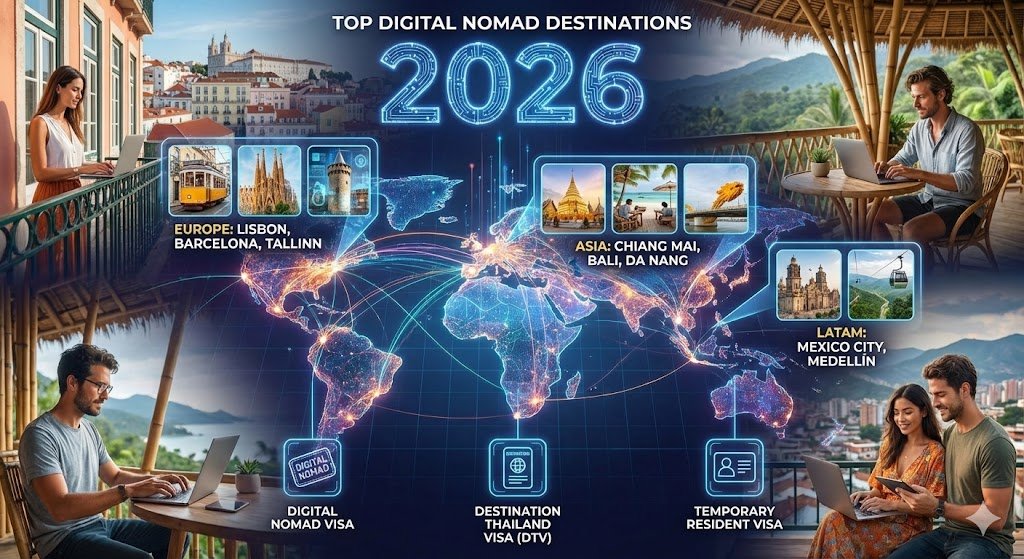
The past few years have seen a surge in countries offering specific digital nomad visas, a clear indicator of governments recognizing the economic benefits this mobile workforce brings. This has profoundly altered the calculus for many, shifting focus from a constant ‘visa run’ mentality to more stable, albeit temporary, residency. Simultaneously, advancements in connectivity, including widespread 5G and satellite internet solutions, have democratized remote work, making even previously isolated locales viable. Yet, with this expansion comes increased competition and the need for nomads to be more discerning than ever. From the bustling co-working spaces of Southeast Asia to the charming European towns with enticing visa schemes, and the vibrant cultural hubs of Latin America, the choices are vast and varied. This article will provide a critical overview, moving beyond superficial lists to offer genuine, actionable insights for both seasoned wanderers and aspiring digital professionals looking to make their mark in 2026.
Asia’s Enduring Allure and Emerging Hubs
Asia continues to be a cornerstone for the global digital nomad community, offering an irresistible combination of cultural richness, cost-effectiveness, and burgeoning infrastructure. In 2026, while established havens like Bangkok and Chiang Mai remain popular, a new wave of destinations is asserting its dominance, fueled by government initiatives and grassroots community building. The region’s appeal is multifaceted: unparalleled culinary experiences, diverse landscapes ranging from pristine beaches to majestic mountains, and a generally lower cost of living compared to Western counterparts. This allows many nomads to stretch their earnings further, facilitating a higher quality of life or accelerating savings goals. The emphasis on community in many Asian hubs, often fostered through co-working spaces and dedicated nomad groups, provides vital social support and networking opportunities, mitigating the potential isolation of remote work.
Vietnam, for instance, has solidified its reputation as a premier destination. Specifically, cities like Da Nang have witnessed explosive growth in their digital nomad populations. Our analysis of Digital Nomads in Da Nang highlights its blend of coastal charm, modern amenities, and a significantly lower cost of living than Hanoi or Ho Chi Minh City. The rapid development of its infrastructure, including reliable high-speed internet and an increasing number of international-standard cafes and co-working spaces, makes it an attractive proposition. The Vietnamese government, while not having a specific digital nomad visa, has shown increasing flexibility with longer-term tourist visas, acknowledging the economic contribution of this demographic. This evolving stance, coupled with its strategic location for exploring Southeast Asia, positions Da Nang as a pivotal hub.
Beyond Vietnam, Malaysia is rapidly emerging as a strong contender. The Nomads Lifestyle in Malaysia, particularly in Kuala Lumpur and Penang, presents a unique blend of modern urbanism and rich cultural heritage. Kuala Lumpur, with its sophisticated infrastructure, excellent connectivity, and a vibrant expatriate community, offers a cosmopolitan experience at a fraction of the cost of major Western cities. The introduction of the DE Rantau program, a specific digital nomad visa, has significantly streamlined the process for long-term stays, making Malaysia a more stable and attractive option. This proactive approach by the Malaysian government is a game-changer, providing legal clarity and peace of mind for those seeking a more permanent base in the region. Furthermore, the accessibility of diverse food options, from street food to fine dining, and its central location for regional travel add to its appeal. For those seeking remote jobs in Asia, the growing tech ecosystems in these countries also offer a dynamic environment for professional growth and networking.
Thailand and Indonesia (specifically Bali, despite visa challenges) continue to draw large numbers, but the increasing cost of living and evolving visa policies necessitate careful planning. However, other lesser-known gems are beginning to shine. The Philippines, with its English-speaking population and stunning natural beauty, is gaining traction, particularly in areas like Palawan and Siargao, though internet infrastructure can still be a hurdle. For budget-conscious nomads, destinations like Laos and Cambodia offer incredibly cheap places to live in 2026 for nomads, though with fewer established co-working spaces and a less mature nomad community. The overall trend in Asia points towards a diversification of popular spots, with governments actively competing to attract this valuable demographic through better infrastructure, clearer visa pathways, and a welcoming environment that balances local culture with international amenities.
Europe’s Refined Offering and Visa Evolution
Europe, a perennial favorite for digital nomads, has continued its evolution into a sophisticated ecosystem catering to remote workers. In 2026, the continent is defined by its increasing array of specialized digital nomad visas, allowing for extended, legal stays within the Schengen Area and beyond. This policy shift has transformed Europe from a short-term hopping ground into a viable region for settling for longer durations, fostering deeper cultural immersion and professional stability. The allure of Europe lies in its unparalleled cultural diversity, historical depth, efficient public transport, high-quality healthcare systems, and close proximity to a multitude of distinct countries, making weekend explorations incredibly accessible.
Portugal, particularly Lisbon and Porto, remains at the forefront of this movement. Its mild climate, vibrant culture, and relatively lower cost of living compared to other Western European nations continue to draw a significant crowd. The Portuguese D7 Visa, now often referred to informally as the ‘Digital Nomad Visa,’ provides a clear pathway for remote workers to reside in the country, contributing to its thriving international community. However, the popularity has led to an increase in nomads’ costs of living in Europe, particularly in Lisbon, which has seen rising rental prices. Despite this, the quality of life, robust internet infrastructure, and a strong sense of community, bolstered by numerous co-working spaces and networking events, ensure Portugal maintains its top-tier status.
Spain, another Mediterranean gem, has also successfully positioned itself. Cities like Valencia, Barcelona, and the Canary Islands offer diverse experiences, from bustling urban centers to laid-back island life. Spain’s digital nomad visa, launched in 2023, has significantly streamlined entry and residency for non-EU remote workers, allowing them to benefit from the country’s rich history, world-renowned cuisine, and excellent climate. The ease of travel within the EU, coupled with a high standard of living and a palpable sense of community, makes Spain an incredibly attractive option. Beyond the obvious choices, lesser-known regions and smaller cities are actively seeking to attract nomads, often offering incentives or a more authentic local experience.
The Balkans, including countries like Croatia, Montenegro, and Albania, are rapidly gaining prominence. Croatia, with its stunning Adriatic coastline and a well-established digital nomad visa, offers a compelling mix of natural beauty and an improving remote work infrastructure, particularly in cities like Split and Dubrovnik. Montenegro and Albania, while perhaps not as developed, present more affordable nomadic living options and a chance to experience an emerging frontier of European remote work. These countries often boast stunning natural landscapes, a friendly local population, and a welcoming environment for international visitors. For those considering nomads tax-friendly countries, some of these European nations also offer beneficial tax regimes for new residents, adding another layer of appeal for financially savvy remote workers. Overall, the nomads lifestyle in Europe is diversifying, moving beyond just major capitals to encompass a wider array of destinations that cater to different preferences for pace, cost, and cultural immersion, all underpinned by increasingly clear legal frameworks for long-term stays.
Latin America’s Dynamic Rise
Latin America has cemented its position as a vibrant and increasingly sophisticated destination for digital nomads in 2026. The region’s appeal is rooted in its vivacious culture, diverse landscapes spanning from ancient ruins to pristine beaches, and a generally lower cost of living compared to North America and Western Europe. What truly sets Latin America apart is the warmth of its people, the richness of its history, and the infectious rhythm of daily life, which offers a profound counterpoint to the sometimes-monotonous routines of remote work. The accessibility of the region for North American nomads, often requiring shorter travel times and less significant time zone adjustments, is another key factor in its growing popularity. Countries across Central and South America are now actively courting remote workers, recognizing the economic boost they provide to local economies, leading to improvements in internet infrastructure and the proliferation of co-working spaces.
Mexico continues to be an undisputed leader, with cities like Mexico City, Oaxaca, and Mérida offering a spectrum of experiences. Mexico City, a sprawling metropolis, rivals any global capital in its cultural offerings, culinary scene, and vibrant nightlife, all while maintaining a remarkably accessible cost of living. Its robust internet infrastructure and a plethora of co-working options make it an ideal base for sustained productivity. Oaxaca provides a more bohemian, culturally immersive experience, known for its artisanal crafts and traditional cuisine, attracting those seeking a deeper connection to local heritage. Mérida, in the Yucatán Peninsula, offers a colonial charm, safety, and proximity to stunning natural wonders, appealing to nomads looking for a more tranquil yet culturally rich environment. Mexico’s relatively lenient visa policies for many nationalities, allowing for extended stays with routine renewals, further enhances its appeal, removing a significant barrier for long-term residents.
Colombia, particularly Medellín, has evolved beyond its historical perceptions to become a digital nomad hotspot. Medellín, often dubbed the ‘City of Eternal Spring’ for its agreeable climate, boasts a modern metro system, a burgeoning tech scene, and a vibrant social fabric. The cost of living is highly attractive, especially when compared to major U.S. cities, allowing for a comfortable lifestyle. The warmth and hospitality of the Colombian people, coupled with a rich coffee culture and stunning natural surroundings, make it a compelling choice. Bogota, while a colder, higher-altitude capital, offers a more intense urban experience with excellent cultural institutions and a fast-growing startup scene. Colombia’s recent introduction of a digital nomad visa further solidifies its commitment to attracting this demographic, providing a clear and legal pathway for remote professionals to integrate into society.
Costa Rica, known for its ‘Pura Vida’ philosophy and commitment to ecotourism, has also made significant strides. Its digital nomad visa, coupled with its breathtaking natural beauty, from rainforests to Pacific and Caribbean coastlines, appeals strongly to environmentally conscious nomads. While generally more expensive than its Central American neighbors, the high quality of life, political stability, and strong focus on wellness and outdoor activities make it a unique proposition. Other nations like Brazil, Argentina, and Uruguay are also actively developing their nomad infrastructure, with cities like Buenos Aires and Rio de Janeiro offering world-class cultural experiences and a dynamic urban life, albeit with varying degrees of economic stability and internet consistency. The trend across Latin America points towards a more formalized and welcoming approach to digital nomads, making the continent an increasingly viable long-term base for a diverse range of remote professionals.
The Untapped Potential: Africa and the Middle East
While often overshadowed by the more established nomad routes, Africa and the Middle East represent the next frontier for digital nomads in 2026, offering unique opportunities for cultural immersion, adventure, and unparalleled experiences. This vast and diverse region is not without its challenges, primarily concerning internet infrastructure consistency and, in some areas, political stability. However, forward-thinking governments and burgeoning tech hubs are actively working to mitigate these issues, recognizing the economic and developmental benefits that a vibrant digital nomad community can bring. For the intrepid nomad seeking something truly distinct, these regions promise authentic encounters and a chance to be part of an emerging story.
Morocco, with its captivating blend of Berber, Arab, and European influences, stands out as a strong contender in North Africa. Cities like Marrakech and Fez offer an intoxicating mix of ancient medinas, bustling souks, and stunning architecture, all within a short flight from Europe. The cost of living is highly attractive, and the culinary scene is world-renowned. While Morocco does not yet have a dedicated digital nomad visa, the possibility of extending tourist visas often allows for stays sufficient for many remote workers. The country’s growing tourism infrastructure means reliable accommodations and improving internet access in urban centers, making it an excellent bridge between Europe and the rest of Africa. The cultural richness and the sheer sensory experience of daily life in Morocco are unparalleled, providing constant inspiration and a profound sense of place.
South Africa, particularly Cape Town, is arguably the most developed digital nomad hub on the African continent. Blessed with breathtaking natural beauty, from Table Mountain to pristine beaches, a sophisticated culinary scene, and a vibrant arts and culture community, Cape Town offers a Western-standard quality of life at a more accessible cost. The city boasts excellent co-working spaces, reliable high-speed internet in most areas, and a thriving expatriate community. While crime rates can be a concern in certain areas, the overall experience for nomads in well-regarded neighborhoods is often positive. The South African government is exploring formal digital nomad visa options, which would further solidify Cape Town’s position as a premier remote work destination. Beyond Cape Town, cities like Johannesburg offer a dynamic urban environment and a gateway to exploring South Africa’s vast natural wonders.
In the Middle East, Dubai continues to lead the charge with its proactive approach to attracting remote workers. Its comprehensive digital nomad visa program, coupled with world-class infrastructure, tax-free income (for individuals in many cases), and a highly cosmopolitan environment, makes it an attractive, albeit premium, option. While the cost of living is significantly higher than in many other nomad destinations, the benefits of safety, efficiency, and access to global networks appeal to a specific segment of high-earning professionals. Beyond Dubai, countries like Georgia, often considered at the crossroads of Europe and Asia but with strong ties to the Middle East, have pioneered digital nomad visas, offering remarkably easy entry and residency, combined with a very low cost of living and a unique cultural experience in cities like Tbilisi. These emerging regions signify a diversification of the nomad map, challenging preconceived notions and opening up new, exciting possibilities for those willing to venture beyond the traditional routes and experience something truly different.
The Evolving Nomad: Beyond Location — Technology, Community, and Sustainability
In 2026, being a successful digital nomad is no longer solely about choosing the right destination; it’s about mastering a holistic lifestyle that integrates technology, community engagement, and a commitment to sustainable practices. The very definition of ‘best places’ has expanded to include not just physical attributes but also the intangible networks and ethical considerations that define modern nomadic existence. As more individuals choose this path, the importance of these three pillars intensifies, shaping the long-term viability and fulfillment of the digital nomad experience. This evolution signifies a maturing of the movement, moving beyond transient tourism to a more conscious, integrated way of living and working.
Technology remains the bedrock of the digital nomad lifestyle. Advancements in connectivity, from robust 5G networks spreading globally to emerging satellite internet solutions, mean that remote work can truly happen from almost anywhere. The tools for collaboration, project management, and communication continue to evolve, making distributed teams more efficient than ever. Furthermore, the role of financial technology cannot be overstated. Understanding Blockchain in 2026, particularly its applications in cross-border payments, decentralized finance, and secure digital identities, is becoming increasingly relevant for nomads managing finances across multiple jurisdictions. Secure VPNs, cloud storage, and reliable cybersecurity measures are not mere conveniences but essential safeguards for professional and personal data while traversing different network environments. Mastering these technological facets is crucial for maintaining productivity and financial security, regardless of location.
Community is the emotional and social anchor for many nomads. While the freedom of solo travel is appealing, the reality of prolonged isolation can be challenging. The rise of co-living spaces, dedicated digital nomad retreats, and online and offline communities underscores a collective need for connection. These communities offer not just social outlets but also professional networking opportunities, skill-sharing, and vital emotional support. They range from formal co-working spaces with organized events to informal meetups facilitated through social media groups. Engaging with these local and global networks is paramount for mental well-being and career progression. Furthermore, learning how to become a digital nomad effectively involves actively seeking out and contributing to these communities, rather than merely observing them.
Finally, sustainability and ethical travel have moved from being niche concerns to core tenets of responsible nomadism. As awareness grows about the environmental impact of frequent travel and the social implications of transient populations on local communities, nomads are increasingly seeking ways to minimize their footprint. This includes choosing eco-friendly accommodations, supporting local businesses, respecting cultural norms, and engaging in volunteer opportunities. Sustainable travel means considering the long-term impact of one’s presence, moving beyond superficial engagement to genuine cultural exchange and contribution. For instance, utilizing nomads traveling hacks in 2026 often includes strategies for reducing waste, optimizing transport, and investing in experiences that benefit local economies directly. The most desirable places for digital nomads in 2026 are those that not only welcome them but also encourage and facilitate responsible, sustainable engagement, fostering a mutually beneficial relationship between the nomadic community and their temporary homes.
Conclusion: Navigating the Global Nomad Tapestry in 2026
The global tapestry for digital nomads in 2026 is richer and more intricate than ever before. The notion of a singular ‘best place’ has dissolved into a spectrum of ideal locations, each offering a unique amalgamation of cultural experiences, professional opportunities, and lifestyle benefits tailored to diverse preferences. From the vibrant, budget-friendly havens of Southeast Asia to the culturally rich, visa-friendly European cities, the dynamic energy of Latin America, and the exciting, untapped potential of Africa and the Middle East, the choices are boundless. This year underscores a critical shift: the most successful nomads are those who not only seek compelling destinations but also embrace a holistic approach to their lifestyle, integrating technological proficiency, community engagement, and a deep commitment to sustainable practices.
The proliferation of digital nomad visas across continents is a clear signal that remote work is not a fleeting trend but a fundamental reshaping of global employment. Governments are increasingly recognizing the economic and cultural contributions of this mobile workforce, actively competing to attract them through improved infrastructure, clearer legal frameworks, and appealing incentive packages. However, this increased formalization also demands greater responsibility from nomads, including understanding local laws, tax obligations, and engaging respectfully with host communities. As the digital nomad movement matures, so too does the need for informed, intentional decision-making.
Ultimately, the definitive ‘best place’ for a digital nomad in 2026 is a personal calculus, weighing factors such as cost of living, visa accessibility, internet reliability, safety, climate, and the presence of a supportive community against individual priorities. Whether one seeks exhilarating urban adventure, tranquil natural beauty, or profound cultural immersion, the world is more open than ever before. The future of digital nomadism is not just about where one goes, but how one chooses to live, work, and connect within an increasingly interconnected and conscious global community.
| Criterion | Da Nang, Vietnam | Lisbon, Portugal | Medellín, Colombia | Cape Town, South Africa |
|---|---|---|---|---|
| Average Monthly Cost (Qualitative) | Very Affordable (e.g., ~$800-1200 for comfortable living) | Moderate to High (e.g., ~$1800-2800 for comfortable living) | Affordable (e.g., ~$1000-1800 for comfortable living) | Moderate (e.g., ~$1500-2500 for comfortable living) |
| Visa Accessibility for Non-EU/US | Tourist visas with extension options; no dedicated DN visa yet. | Dedicated Digital Nomad (D7) Visa; straightforward process. | Dedicated Digital Nomad Visa (launched 2023). | Formal Digital Nomad Visa under discussion/pilot; tourist extensions. |
| Internet Speed & Reliability | Excellent fibre optics in urban areas, widely available. | High-speed fibre everywhere; very reliable. | Good fibre optic coverage, generally reliable in main cities. | Good fibre coverage in main cities, can vary in outskirts. |
| Digital Nomad Community & Infrastructure | Growing, vibrant, co-working spaces increasing. | Highly established, very active, numerous co-working/co-living. | Well-established, active, many co-working spaces. | Established, diverse, good co-working options. |
| Quality of Life/Lifestyle | Coastal lifestyle, rich culture, delicious food, dynamic. | Rich culture, history, great food, vibrant social scene, easy EU travel. | Eternal spring climate, vibrant culture, friendly locals, nature access. | Stunning nature, diverse culture, outdoor activities, cosmopolitan vibe. |
Frequently Asked Questions
What are the most significant trends influencing digital nomad destinations in 2026?
In 2026, several key trends are shaping where digital nomads choose to live and work. Foremost among these is the widespread adoption of specific digital nomad visas by an increasing number of countries. This shift provides greater legal stability and longer-term residency options, reducing the ‘visa run’ stress that plagued earlier nomads. Another critical trend is the continued improvement in global connectivity, with 5G and even satellite internet making previously remote areas viable. There’s also a noticeable move towards more sustainable and community-focused travel, with nomads prioritizing destinations that offer strong social networks and opportunities for ethical engagement. Finally, geopolitical stability and safety are increasingly important considerations, influencing decisions away from regions facing unrest, towards those with predictable political and social environments. The emphasis has moved beyond mere affordability to a more holistic evaluation of quality of life, cultural immersion, and long-term sustainability.
How important are digital nomad visas for choosing a destination in 2026?
Digital nomad visas have become profoundly important in 2026, evolving from a novel concept to a standard expectation for many long-term remote workers. For non-EU/EEA citizens looking to reside in Europe, or indeed in any country for more than a few months, a dedicated digital nomad visa provides legal clarity, often granting access to local services like banking and healthcare that might be difficult to obtain on a tourist visa. These visas allow nomads to plan for longer stays, fostering deeper cultural immersion and reducing the logistical burden of frequent border crossings. While some experienced nomads still navigate countries with traditional tourist visas and extensions, the peace of mind and benefits offered by specific nomad visas are undeniable. They signify a country’s official welcome and infrastructure readiness, making them a primary determinant for many in selecting their next base.
Are ‘cheap’ destinations still the primary draw for digital nomads in 2026, or has the focus shifted?
While affordability remains a significant factor for a substantial segment of the digital nomad community in 2026, it is no longer the sole or primary draw for everyone. The focus has considerably broadened. Many nomads are now willing to pay a moderate premium for higher quality of life, better infrastructure, stronger internet connectivity, political stability, and a vibrant expatriate or local community. Destinations that offer a compelling blend of these factors, even if not the absolute cheapest, are gaining traction. For instance, cities like Lisbon or Medellín, while not as inexpensive as some Southeast Asian locales, offer excellent value for their quality of life, safety, and established nomad ecosystems. The definition of ‘value’ has expanded to encompass more than just monetary cost, including aspects like personal safety, healthcare access, and opportunities for social and professional growth.
What role does community play in the appeal of a digital nomad destination?
Community plays an absolutely crucial role in the appeal and sustainability of a digital nomad destination in 2026. While the freedom of nomadic life often implies independence, prolonged isolation can be detrimental to mental well-being and professional growth. Destinations that foster strong, active digital nomad communities – through dedicated co-working spaces, co-living arrangements, social meetups, and online groups – are often preferred. These communities provide essential social support, networking opportunities for collaboration, and a sense of belonging. They help new arrivals integrate, share practical advice, and navigate challenges. The presence of a welcoming community can transform a good destination into an excellent one, offering a support system that enhances both personal happiness and professional productivity, making the nomadic lifestyle more sustainable and fulfilling in the long term.
How can digital nomads prepare for the unique challenges of emerging markets like Africa and the Middle East in 2026?
Preparing for emerging markets in Africa and the Middle East in 2026 requires a more proactive and adaptable approach than more established nomad hubs. Key preparations include thorough research into specific country and city conditions, including political stability, local customs, and safety advisories from reputable sources. Internet infrastructure can be less consistent, so having backup connectivity solutions (e.g., local SIM cards with robust data plans, portable hotspots) is essential. Cultural sensitivity and a willingness to adapt to local norms are paramount. Financial planning should account for potential variations in banking systems and currency exchange, with a strong emphasis on cybersecurity given evolving digital payment landscapes. Finally, connecting with local expatriate and nomad communities online before arrival can provide invaluable, real-time insights and support, helping to navigate initial challenges and integrate smoothly into these dynamic, yet less predictable, environments.