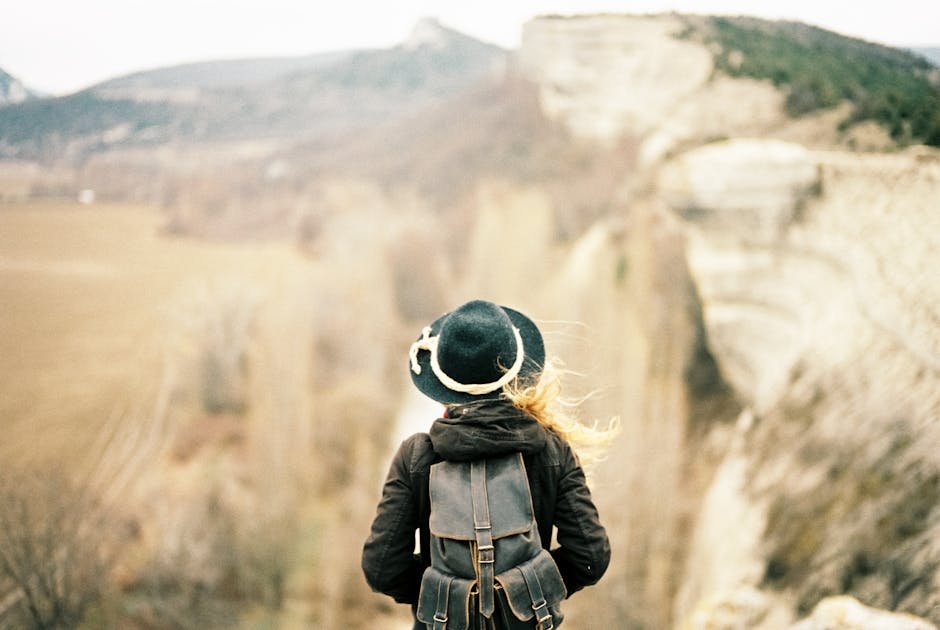
Backpacking has long symbolized freedom, discovery, and a deep dive into diverse cultures. As we navigate January 21, 2026, the spirit of exploration remains vibrant, though the landscape of travel continues to evolve. Modern backpackers blend traditional wanderlust with a keen awareness of sustainability, technology, and personal well-being.
This comprehensive guide explores the contemporary world of backpacking, offering insights into planning, essential gear, and navigating new horizons. We will delve into various travel styles, from budget-friendly adventures to digital nomad expeditions, ensuring you are well-prepared for an enriching and safe journey.
Understanding the nuances of responsible tourism and prioritizing safety are more critical than ever. Whether you are a seasoned globetrotter or planning your first grand adventure, this article aims to equip you with the knowledge needed to create unforgettable memories in 2026 and beyond.
Key Takeaways
- Backpacking in 2026 emphasizes authenticity, sustainable practices, and leveraging technology for a richer experience.
- Diverse backpacking styles cater to various interests, including adventure, cultural immersion, and digital nomadism.
- Thorough planning, including budgeting, smart packing, and understanding visa requirements, is crucial for a smooth trip.
- Prioritizing personal safety, staying informed, and securing comprehensive travel insurance are non-negotiable aspects of modern travel.
- Responsible tourism and ethical engagement with local communities are central to the future of backpacking.
- Mental well-being and managing solo travel dynamics are important considerations for a fulfilling journey.
The Enduring Allure of Backpacking in 2026
The appeal of backpacking remains as strong as ever, drawing millions to explore the world with a sense of independence and curiosity. In 2026, it is more than just a budget travel option; it represents a commitment to experiential learning and personal growth.
Travelers seek authentic interactions and immersive experiences over superficial sightseeing. This shift has led to a greater appreciation for slow travel and deeper engagement with local cultures, moving beyond conventional tourist trails.
The global connectivity of 2026 also transforms the backpacking experience. Social media platforms and online communities foster connections among travelers, offering advice, camaraderie, and real-time insights into destinations. This network enhances both the planning and the journey itself.
More Than Just a Trip: A Lifestyle Choice
For many, backpacking transcends a mere vacation; it becomes a temporary lifestyle. It is about embracing minimalism, adapting to new environments, and often working remotely or engaging in voluntourism.
This lifestyle fosters resilience, problem-solving skills, and a broadened perspective on global issues. It challenges comfort zones and encourages a profound understanding of oneself and the world.
The flexibility inherent in backpacking allows for spontaneous changes in plans, leading to unexpected discoveries and unique opportunities. This adaptability is a core tenet of the modern backpacker’s ethos.
The Pursuit of Authenticity and Connection
Today’s backpackers are increasingly driven by a desire for genuine connection, not just with places, but with people. They actively seek out local experiences, from homestays to community-led tours.
This pursuit of authenticity often involves stepping away from popular tourist traps to discover hidden gems and support local economies directly. It is about understanding the fabric of a place, not just observing its surface.
Sharing stories and experiences with fellow travelers and locals alike enriches the journey. These connections often form the most memorable parts of any backpacking adventure, building a global community of explorers.
Navigating the Backpacking Landscape: Types of Journeys
The definition of backpacking has expanded significantly, encompassing a wide array of travel styles tailored to different interests and budgets. Understanding these variations helps aspiring travelers choose the path best suited for them.
From rugged outdoor adventures to urban explorations and digital work escapades, there is a backpacking journey for every individual. Each style offers unique rewards and requires distinct preparations.
The flexibility of modern travel means many backpackers blend these styles, creating hybrid trips that cater to their evolving desires and circumstances. This adaptability is a hallmark of contemporary exploration.
Budget-Conscious Explorers
Traditional backpacking often involves stringent budgeting, focusing on affordability without compromising experience. This means staying in hostels, utilizing public transportation, and cooking one’s own meals.
Destinations known for their lower cost of living, particularly in Southeast Asia, parts of Eastern Europe, and Latin America, remain popular choices for budget travelers. Resourcefulness is a key asset for this style of travel.
By 2026, technology further aids budget planning with apps for finding deals on accommodation, flights, and activities. Online communities share money-saving tips and local insights, enhancing the value of every dollar spent.
Adventure Seekers and Wilderness Trekkers
For those drawn to the wild, adventure backpacking focuses on hiking, trekking, climbing, and exploring remote natural landscapes. This often requires specialized gear and a higher level of physical preparedness.
Destinations like Patagonia, the Himalayas, and the national parks of North America and Oceania offer unparalleled opportunities for wilderness adventures. Safety precautions and environmental awareness are paramount in these settings.
In 2026, advanced navigation tools and satellite communication devices make these expeditions safer than ever. However, a deep respect for nature and adherence to Leave No Trace principles are fundamental.
Cultural Immersions and Slow Travel
Cultural immersion backpacking prioritizes deep engagement with local traditions, languages, and daily life. This often involves longer stays in fewer locations, allowing for a more profound understanding of the culture.
Learning a local language, participating in community projects, or simply observing daily routines are central to this experience. It requires patience and an open mind, moving beyond superficial interactions.
Slow travel encourages reduced travel speed, favoring local transport and sustainable tourism practices. This approach lessens environmental impact and fosters genuine connections with the places visited.
The Rise of Digital Nomad Backpacking
With remote work becoming increasingly common by 2026, digital nomad backpacking blends travel with professional responsibilities. It allows individuals to earn income while exploring the globe.
This style demands reliable internet access, a portable workspace, and disciplined time management. Popular hubs for digital nomads often feature co-working spaces and a supportive expat community.
Destinations like Lisbon, Bali, and Medellin have established infrastructures catering to digital nomads. The key is balancing work commitments with the desire for exploration and cultural engagement.
Voluntourism and Impact Travel
Voluntourism combines travel with volunteer work, offering opportunities to contribute to local communities or environmental conservation efforts. This approach focuses on making a positive impact.
Projects range from teaching English to wildlife conservation and community development. It is crucial to research organizations thoroughly to ensure ethical practices and genuine community benefit.
Impact travel emphasizes responsible tourism that creates positive social, environmental, and economic outcomes for local populations. It is about conscious choices that leave a beneficial footprint, aligning personal values with travel experiences.
Essential Preparations for the Modern Backpacker
Effective planning is the cornerstone of any successful backpacking trip. In 2026, this involves leveraging digital tools, making informed choices about gear, and understanding the complexities of international travel regulations.
Preparation reduces stress and enhances the overall enjoyment of the journey. From financial planning to health considerations, every detail contributes to a smoother and more rewarding experience.
Ignoring crucial preparatory steps can lead to unnecessary complications and potential risks. A well-prepared backpacker is a confident and adaptable traveler, ready for whatever the road may bring.
Crafting Your Itinerary and Budget
Start by outlining your desired destinations, estimated duration, and preferred travel pace. Researching local attractions, transportation options, and accommodation types will inform your itinerary.
Budgeting is paramount. Account for flights, accommodation, food, local transport, activities, visas, travel insurance, and an emergency fund. Utilize budgeting apps and online resources to track expenses.
Consider seasonal variations, as these can impact both cost and experience. Flexibility in your itinerary can often lead to savings and unexpected opportunities, especially if you avoid peak travel times.
Gear Essentials and Smart Packing
Choosing the right backpack is fundamental; it should be comfortable, durable, and the appropriate size for your trip length. Focus on lightweight, versatile clothing suitable for layering.
Essentials include comfortable walking shoes, a first-aid kit, a portable power bank, universal adapter, and a reusable water bottle. Digital versions of documents reduce bulk and offer easy access.
Embrace minimalist packing to avoid unnecessary weight and hassle. Every item should serve multiple purposes or be truly indispensable. Roll clothes to save space and organize items using packing cubes.
Navigating Visas, Vaccinations, and Travel Insurance
Research visa requirements for all countries you plan to visit well in advance. Some visas can take weeks or months to process. Keep digital and physical copies of all important documents.
Consult your doctor about necessary vaccinations and any recommended preventative medications for your destinations. Proof of certain vaccinations may be required for entry into some countries.
Comprehensive travel insurance is a non-negotiable investment. It should cover medical emergencies, trip cancellation, lost luggage, and personal liability. Compare policies carefully to ensure adequate coverage for your specific trip and activities.
Prioritizing Safety and Well-being on the Road
While backpacking offers unparalleled freedom, prioritizing safety and personal well-being is crucial for a positive experience. In 2026, this includes leveraging technology for security and being acutely aware of local conditions.
Even in seemingly safe destinations, unexpected challenges can arise. A proactive approach to safety empowers travelers to mitigate risks and respond effectively to unforeseen circumstances.
Being informed and prepared allows you to enjoy your journey with greater peace of mind, knowing you have taken necessary precautions for yourself and those around you.
Staying Informed and Aware of Local Conditions
Before and during your trip, regularly check government travel advisories for your destinations. These provide up-to-date information on safety risks, political situations, and health concerns.
Follow local news and social media for real-time updates on events or natural disasters. Understanding the local culture and customs helps you navigate social situations respectfully and safely.
Be particularly cautious in unfamiliar areas, especially at night. Trust your instincts; if a situation feels unsafe, remove yourself from it. Local hostel staff or trusted residents can offer valuable insights.
Personal Safety Practices and Communication
Always inform someone of your itinerary, especially when venturing into remote areas or traveling alone. Use communication apps to stay in touch with family and friends regularly.
Keep valuables secure and out of sight. Consider using a money belt or secure travel wallet. Avoid flaunting expensive items like cameras or jewelry that might attract unwanted attention.
Learn a few key phrases in the local language, including how to ask for help or directions. Have emergency contact numbers readily accessible, both local services and your country’s embassy.
Understanding Local Customs and Emergency Protocols
Respect local laws and cultural norms. What might be acceptable in one country could be offensive or illegal in another. Researching these before arrival can prevent misunderstandings and legal issues.
Familiarize yourself with local emergency services numbers (police, ambulance, fire) and know how to access them. Understand basic emergency procedures in your accommodation.
In the rare event of an incident, such as a theft or accident, know the steps to take, including contacting local authorities, your embassy, and your travel insurance provider. A calm and prepared response is key.
Mental Health and Solo Travel
Solo backpacking can be incredibly rewarding but may also present unique mental health challenges, such as loneliness or feeling overwhelmed. Recognize these feelings and have strategies to cope.
Maintain a routine, stay connected with loved ones, and ensure adequate rest. Do not hesitate to seek support from fellow travelers, hostel staff, or mental health resources if needed.
Embrace the solitude, but also seek out opportunities for social interaction when you feel ready. Many hostels offer communal activities, and online groups provide a sense of community for solo travelers.
The Future of Backpacking: Sustainability and Innovation
As we look ahead, backpacking continues to evolve, driven by a growing awareness of environmental impact and the integration of cutting-edge technology. The focus is increasingly on sustainable and ethical travel practices.
The backpacker of 2026 is a conscious consumer, choosing eco-friendly options and supporting businesses that prioritize local communities and environmental preservation.
Innovation, from smart travel apps to advanced gear, also plays a significant role in making travel more accessible, safer, and more personalized. These trends are shaping the next generation of global explorers.
Eco-Conscious Travel Practices
Sustainable backpacking means minimizing your environmental footprint. This includes reducing single-use plastics, conserving water and energy, and choosing public transport over private vehicles where possible.
Opt for accommodations that demonstrate strong environmental policies. Support local, ethically sourced businesses and avoid activities that exploit wildlife or harm natural ecosystems.
Educate yourself on the environmental challenges of your destinations and contribute positively where you can, perhaps through responsible volunteering or supporting conservation efforts. Leave no trace of your visit.
Technological Advancements Enhancing the Journey
By 2026, travel apps offer unparalleled functionality, from real-time translation and offline maps to expense tracking and finding local events. Portable Wi-Fi devices and improved eSIM technology ensure constant connectivity.
Wearable tech provides health monitoring and safety features, while compact, high-performance cameras capture memories without burdening your pack. Digital payments are becoming more widespread, reducing the need for cash.
AI-powered planning tools can customize itineraries based on preferences and budget, offering optimized routes and hidden gems. These innovations streamline the travel process, allowing more time for discovery.
Community, Connection, and Ethical Tourism
The future of backpacking emphasizes community building, both online and offline. Travelers connect through shared interests, offering support, advice, and companionship on the road.
Ethical tourism encourages travelers to engage respectfully with local cultures, support fair trade initiatives, and ensure their economic contributions directly benefit the local population rather than large corporations.
This mindful approach to travel fosters deeper understanding and mutual respect. It recognizes that every journey has an impact, and choosing to make that impact positive is a core responsibility of the modern backpacker.
Conclusion
Backpacking in 2026 is a dynamic and deeply rewarding endeavor, offering a gateway to personal transformation and global understanding. It is a journey that celebrates independence while fostering connection, and adventure tempered with responsibility.
By embracing thorough preparation, prioritizing safety, and adopting sustainable practices, today’s backpackers can navigate the world with confidence and make a meaningful impact. The call of the open road, diverse cultures, and untold experiences continues to inspire, promising a future of travel that is richer, safer, and more connected than ever before.
Pack your bags, stay curious, and embark on your next great adventure with an informed and open spirit. The world awaits.
| Region/Style | Typical Duration | Budget Level | Primary Appeal | Key Challenges |
|---|---|---|---|---|
| Southeast Asia | 1-6 months | Low to Moderate | Culture, Food, Beaches, Affordability | Scams, Heat/Humidity, Tourist Crowds |
| Europe (Interrail) | 2 weeks – 3 months | Moderate to High | History, Art, Diverse Cultures, Easy Transport | Higher Costs, Language Barriers (minor), Pickpockets |
| South America | 1-6 months | Moderate | Adventure, Nature, Vibrant Culture, Spanish Practice | Safety Concerns, Altitude Sickness, Transport Delays |
| Oceania (Australia/NZ) | 1-12 months | High | Nature, Outdoors, Working Holiday Visas | High Cost of Living, Vast Distances, Remote Areas |
| Digital Nomad | Variable (months+) | Moderate | Work/Travel Balance, Community, Flexibility | Internet Reliability, Visa Complexity, Work-Life Balance |
Frequently Asked Questions
How much does a typical backpacking trip cost?
The cost varies significantly based on destination, travel style, and duration. A budget traveler in Southeast Asia might spend $30-50 USD per day, while Europe could be $60-100+ USD. Factor in flights, insurance, visas, and an emergency fund. Utilizing budgeting apps in 2026 can help track expenses efficiently.
What are the most essential items to pack for backpacking?
Key essentials include a comfortable, well-fitting backpack, versatile clothing layers, a first-aid kit, universal travel adapter, and a reusable water bottle. Digital copies of documents, a portable power bank, and comfortable walking shoes are also critical. Prioritize items that are lightweight and multi-functional.
Is solo backpacking safe, especially for women?
Solo backpacking can be very safe and empowering with proper precautions. For women, it is crucial to research destinations, share itineraries, trust your instincts, and be aware of your surroundings. Joining reputable tours or staying in social hostels can also enhance safety and provide companionship. Connectivity apps are more advanced in 2026.
How can I earn money while backpacking?
Many backpackers earn money through remote work as digital nomads, freelance services (writing, design, programming), or via working holiday visas in countries like Australia or Canada. Teaching English abroad is another popular option. Researching local regulations for working on a tourist visa is crucial before travel.
What's the best way to choose a backpacking destination?
Consider your interests (adventure, culture, relaxation), budget, and available time. Research climate, safety, and visa requirements. Reading blogs and forums from fellow backpackers can offer valuable insights. By 2026, AI-powered travel planners can even suggest personalized destinations based on your preferences.
Source: N/A