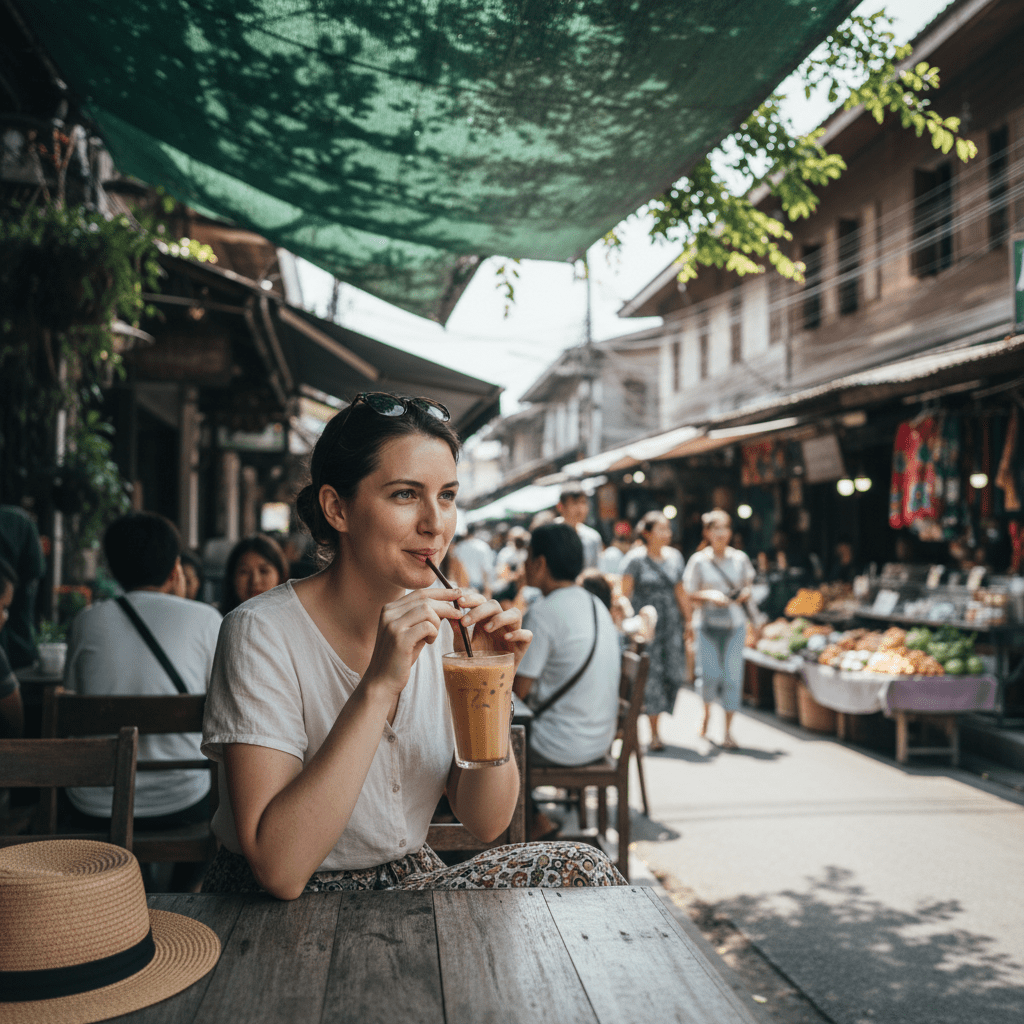
Choosing between Chiang Mai and Phuket as a long-term residence in Thailand presents a fascinating dilemma for many expatriates and digital nomads. While both destinations offer distinct charms and a high quality of life, they cater to fundamentally different preferences and lifestyles. Chiang Mai, nestled in the northern mountains, embodies a rich cultural tapestry and a more relaxed pace, contrasting sharply with Phuket’s vibrant coastal energy and international appeal in the south. This decision often boils down to a personal alignment with either the serene, historical ambiance of the north or the dynamic, beach-centric environment of an island paradise. Understanding these core differences is crucial for anyone contemplating a move to either of these popular Thai locales.
Key Takeaways
- Chiang Mai typically offers a lower cost of living, particularly for rent and local food, making it attractive for budget-conscious residents.
- Phuket boasts a tropical island climate with extensive beaches and marine activities, while Chiang Mai features a cooler, mountainous climate with a focus on cultural and historical sites.
- The expat community in Chiang Mai is often perceived as more laid-back and digitally-oriented, whereas Phuket’s expat scene is diverse, encompassing tourism, marine, and luxury segments.
- Healthcare facilities in both locations are robust, though Phuket’s private hospitals often cater to a more international clientele with higher costs.
- Lifestyle choices vary significantly: Chiang Mai emphasizes cultural immersion, trekking, and café culture, while Phuket focuses on beach life, water sports, and nightlife.
- Accessibility differs, with Chiang Mai offering easier access to northern Thailand’s natural parks and cultural towns, and Phuket serving as a gateway to the Andaman Sea islands.
- Employment opportunities in Phuket lean towards tourism, hospitality, and real estate, while Chiang Mai attracts those in digital fields, education, and creative industries.
Understanding the Core Appeal: Mountains vs. Beaches
The fundamental distinction between Chiang Mai and Phuket lies in their geographical and cultural identities. Chiang Mai, the northern capital, is renowned for its ancient temples, lush mountains, and a deep sense of historical continuity, offering an experience rooted in traditional Thai culture. It appeals to those seeking a slower pace, intellectual pursuits, and a connection with nature beyond the coastline. The city’s charm is in its ability to blend modern amenities with heritage, creating an atmosphere that feels both authentic and welcoming. This mountain-locked setting provides a different rhythm of life compared to the maritime hustle of the south, drawing a specific demographic.
Phuket, conversely, stands as Thailand’s largest island, synonymous with pristine beaches, crystal-clear waters, and a dynamic tourist economy. Its appeal is largely driven by its coastal beauty, opportunities for water sports, and a more resort-centric lifestyle. The island serves as a hub for international tourism, bringing with it a diverse mix of cultures and a wider array of global cuisines and entertainment options. For those who prioritize immediate access to the ocean, a vibrant nightlife, and a lifestyle centered around sun and sand, Phuket presents an undeniable draw. The island offers a more cosmopolitan flair, albeit often at a higher cost.
The choice between these two distinct environments often dictates the daily routines and social interactions of residents. In Chiang Mai, daily life might involve exploring ancient markets, participating in local festivals, or hiking in nearby national parks. The social fabric tends to be community-oriented, with many expats finding common ground in shared interests like yoga, language classes, or creative workshops. The city’s relaxed atmosphere fosters a sense of belonging among long-term residents who appreciate its cultural depth and tranquil surroundings, away from the typical tourist routes that define much of coastal Thailand.
Phuket’s lifestyle, on the other hand, often revolves around its maritime offerings. Residents frequently engage in boating, diving, or simply relaxing on one of its many beaches. The social scene can be more transient due to the constant flow of tourists, but established expat communities exist, often centered around specific interests such as sailing, golf, or luxury living. The island also provides access to numerous smaller islands and marine parks, making it an ideal base for exploration of the Andaman Sea. This proximity to diverse marine ecosystems shapes an active outdoor lifestyle, distinct from Chiang Mai’s inland focus.
Cost of Living: Budgeting for Life in Thailand
When evaluating where to live, the cost of living frequently emerges as a primary consideration. Chiang Mai generally offers a more budget-friendly existence compared to Phuket. Rental prices for apartments and houses are significantly lower in the northern city, allowing residents to secure larger accommodations for less outlay. Utilities, local transportation, and dining at local eateries also present more economical options. A comfortable lifestyle in Chiang Mai can often be maintained on a moderate budget, which is a major draw for digital nomads, retirees, and families looking to extend their savings.
Phuket, being a premium tourist destination, commands higher prices across almost all categories of expenditure. Accommodation, whether renting or buying, is substantially more expensive, especially in popular coastal areas. Dining, particularly at establishments catering to international tourists, can quickly add up, and transportation costs can be higher due to the reliance on taxis or private vehicles rather than widespread public transport. While it is possible to live frugally in Phuket, doing so often requires more effort and a willingness to venture away from tourist zones, which can be less convenient for daily life.
Groceries and everyday essentials also reflect this disparity. In Chiang Mai, large local markets and supermarkets provide access to fresh produce and household items at prices considerably lower than those found in Phuket’s more upscale markets and imported goods stores. While both locations offer a mix of local and international products, the premium for imported items in Phuket is often more pronounced. This difference impacts monthly budgets, particularly for those accustomed to a Western diet or specific brands not readily available locally.
Beyond basic necessities, leisure activities and entertainment also contribute to the overall cost. In Chiang Mai, many cultural experiences, such as temple visits, local workshops, or hiking trails, are inexpensive or free. While there are certainly high-end options, the city offers abundant affordable entertainment. Phuket’s leisure scene, while diverse, often comes with a higher price tag, from boat tours and diving excursions to nightlife venues and beach clubs. This means that a similar level of social engagement might incur a greater financial commitment on the island, requiring careful budget allocation.
Climate and Environment: Tropical Heat vs. Northern Breezes
The climatic conditions in Chiang Mai and Phuket present another significant divergence for prospective residents. Phuket experiences a tropical monsoon climate characterized by high humidity and consistent warmth throughout the year, with a distinct wet season from May to October and a drier, slightly cooler season from November to April. Daily temperatures rarely drop below 24°C, even during the cooler months, making it ideal for those who prefer perpetual summer and proximity to the ocean. The cooling sea breezes often mitigate the heat, providing some respite.
Chiang Mai, situated in a mountainous region, has a more varied climate with three distinct seasons. The cool season, from November to February, is particularly pleasant, with daytime temperatures ranging from 20-30°C and cooler evenings that can drop below 15°C, requiring light jackets. This period is highly favored by many expats. The hot season, from March to May, can see temperatures soar above 35°C, accompanied by dry air and agricultural burning that can affect air quality. The rainy season, from June to October, brings regular showers and lush green landscapes.
The difference in environment extends beyond temperature and humidity. Phuket’s landscape is defined by its coastline, limestone karsts, and rubber plantations, offering a rugged yet beautiful island setting. The ocean is a constant presence, influencing both the climate and the activities available. Residents can expect consistent exposure to saltwater and sand, and a lifestyle closely tied to marine environments. The air quality is generally excellent, benefiting from ocean breezes that disperse any localized pollution, contributing to a sense of openness and freshness.
Chiang Mai’s environment is characterized by its verdant mountains, fertile valleys, and a more inland, agricultural setting. The Ping River runs through the city, and numerous national parks are within easy reach, providing opportunities for hiking, waterfall visits, and exploring dense forests. The air quality, while generally good for much of the year, can be a concern during the aforementioned burning season (March-April), when smoke from agricultural practices can lead to hazy conditions for several weeks. This seasonal challenge is a key factor for individuals with respiratory sensitivities or those who prefer consistently clear skies, prompting some residents to travel during this period.
Lifestyle and Activities: Urban Culture vs. Island Adventures
The type of lifestyle one seeks is paramount in choosing between Chiang Mai and Phuket, as they cater to fundamentally different inclinations. Chiang Mai offers a rich cultural tapestry with a focus on historical exploration, spiritual growth, and a thriving arts scene. Residents can immerse themselves in ancient temples, attend traditional Thai cooking classes, or explore the myriad of craft markets. The city also has a strong café culture, independent bookstores, and a burgeoning digital nomad community, fostering an environment conducive to intellectual engagement and creative pursuits. This relaxed urban setting is ideal for those valuing cultural depth and a sense of community.
Phuket, by contrast, is a playground for outdoor enthusiasts and those seeking a more vibrant, adventure-filled lifestyle. Its stunning beaches provide ample opportunities for swimming, sunbathing, and various water sports, including snorkeling, scuba diving, surfing, and paddleboarding. The island also serves as a gateway to exploring the Andaman Sea, with countless boat trips to nearby islands like Phi Phi and James Bond Island. Nightlife, luxury resorts, and a robust dining scene with international flair are also prominent, appealing to those who enjoy a more dynamic and cosmopolitan environment with constant activity.
Social life in Chiang Mai often revolves around smaller, more intimate gatherings, community events, and shared hobbies. Expat groups are active in organizing meetups for language exchange, fitness, or volunteer work, fostering a close-knit atmosphere. Many residents appreciate the slower pace, which allows for deeper connections and a focus on personal well-being. The lack of a high-pressure tourism industry compared to the south means social interactions can feel more grounded and less commercially driven, contributing to a sense of authenticity in daily life.
Phuket’s social landscape is typically more diverse and fast-paced, reflecting its international tourist base. While there are established expat communities, particularly in areas like Rawai or Cherngtalay, social gatherings often center around beach clubs, restaurants, or marine activities. The island’s transient population means new faces are always arriving, offering a constant refresh of social circles. For those who thrive on meeting people from around the globe and enjoy a more outgoing, active social calendar, Phuket offers abundant opportunities, though it might require more proactive effort to forge lasting connections amidst the dynamism.
Infrastructure and Connectivity: Healthcare, Education, and Transport
Both Chiang Mai and Phuket boast well-developed infrastructure that supports expatriate living, but with some distinctions. Healthcare in both locations is of a high standard, particularly in private hospitals. Chiang Mai offers several reputable private hospitals like Bangkok Hospital Chiang Mai and Ram Hospital, known for their modern facilities and English-speaking staff, catering to both local and expat communities. These hospitals provide a comprehensive range of medical services, making quality healthcare accessible without the higher price point often associated with premium tourist destinations.
Phuket also has state-of-the-art medical facilities, including Bangkok Hospital Phuket and Phuket International Hospital, which are accustomed to serving an international clientele. While the quality of care is comparable to, or in some specialized areas, even exceeds what is found in Chiang Mai, the costs for similar treatments or procedures can be noticeably higher. Many expats in Phuket opt for comprehensive international health insurance to manage these expenses. The island’s role as a medical tourism hub means its hospitals are well-equipped for a variety of complex needs, often with multilingual staff.
Regarding education, both cities provide a good selection of international schools catering to expat families, though the options and curriculum breadth might vary. Chiang Mai has established international schools like Prem Tinsulanonda International School and CMIS (Chiang Mai International School), offering various curricula such as IB and American. These schools are generally well-regarded and provide a stable environment for children. The cost of international education in Chiang Mai is typically more affordable than in Phuket, which is a key factor for families with multiple children.
Phuket also features several well-known international schools, including British International School, Phuket (BISP) and HeadStart International School, offering British and international curricula. These institutions are often larger and provide extensive facilities, reflecting the island’s more affluent demographic. However, the tuition fees at Phuket’s international schools are generally higher, aligning with the overall increased cost of living on the island. Transportation infrastructure also differs; Chiang Mai relies on red songthaews and Grab, while Phuket depends heavily on private vehicles, taxis, and Grab, with less integrated public transport, impacting daily commuting expenses.
Employment and Business Opportunities
The employment landscape in Chiang Mai and Phuket reflects their differing economic drivers. Chiang Mai, while not a major industrial hub, has developed a reputation as a magnet for digital nomads, online entrepreneurs, and remote workers. The city’s lower cost of living, good internet infrastructure, and a supportive community make it an ideal base for those working in tech, creative industries, marketing, and online education. Opportunities for traditional employment often lie in teaching English, hospitality management, or working with local NGOs, though these roles can be competitive and might not offer salaries comparable to Western countries.
Phuket’s economy is heavily reliant on tourism, hospitality, and real estate, dictating the types of employment opportunities available. Roles in hotels, resorts, tour operators, and diving centers are plentiful, particularly for those with language skills and experience in the service industry. The island also has a burgeoning luxury sector, including yachting and high-end property development, which offers specialized job prospects. For individuals with entrepreneurial ambitions, businesses related to tourism, food and beverage, or health and wellness often find a ready market, though competition can be fierce.
For those looking to start a business, the regulatory environment is largely similar across Thailand, but market dynamics vary significantly. In Chiang Mai, small businesses catering to the expat community or focusing on online services can thrive due to lower overheads and a supportive network. The emphasis is often on community-driven services, artisan crafts, or co-working spaces. Networking events and workshops for entrepreneurs are common, fostering an ecosystem for remote and location-independent ventures, making it easier to connect with potential collaborators and clients in the digital sphere.
Phuket offers a larger market for businesses targeting tourists and affluent residents. Restaurants, retail boutiques, tour agencies, and service providers for the boating community are common. The higher cost of commercial rent and labor means that new ventures need a robust business plan and sufficient capital. Success often hinges on catering to international standards and tastes, or identifying niche markets within the luxury or adventure tourism segments. While the potential for higher revenue exists due to the tourist influx, the initial investment and ongoing operational costs are generally higher than in Chiang Mai, requiring more substantial financial backing.
“The decision between Chiang Mai and Phuket encapsulates the broader spectrum of lifestyle choices available in Thailand. It’s not merely a preference for mountains over beaches, but a deeper alignment with either a culturally immersed, community-focused life or a more dynamic, internationally-oriented existence with robust recreational opportunities. Your priorities regarding budget, social scene, and daily activities will fundamentally dictate which locale fosters greater long-term satisfaction.”
— Dr. Anya Sharma, Southeast Asian Migration Analyst, Global Dynamics Institute
| Feature | Chiang Mai | Phuket |
|---|---|---|
| Primary Landscape | Mountains, lush valleys, historical city | Beaches, islands, limestone karsts |
| Cost of Living (Avg.) | Lower to moderate | Moderate to high |
| Climate | Three seasons (cool, hot, rainy); cooler evenings in winter | Tropical monsoon; consistent heat and humidity year-round |
| Expat Community Vibe | Relaxed, digital nomad, cultural, community-focused | Diverse, tourism-related, active, international luxury |
| Main Activities | Temple visits, cultural festivals, trekking, cafes, workshops | Beach activities, water sports, island hopping, nightlife, luxury dining |
| Healthcare Access | Good private hospitals, generally more affordable | Excellent international hospitals, often higher costs |
| International Schools | Several reputable options, generally lower tuition | Numerous well-established options, generally higher tuition |
| Job Market Focus | Digital, education, creative, remote work | Tourism, hospitality, real estate, marine industry |
| Transportation | Songthaews, Grab, motorbikes; walkable old city | Taxis, Grab, private vehicles; less integrated public transport |
| Cultural Immersion | High; deep roots in Lanna culture | Moderate; influenced by international tourism |
Frequently Asked Questions
What is the typical cost difference between living in Chiang Mai and Phuket?
Chiang Mai generally offers a significantly lower cost of living. Rent for a comparable apartment can be 30-50% less than in Phuket. Local food, transportation (like ‘songthaews’), and daily expenses are also more affordable. A comfortable life in Chiang Mai might cost ฿30,000-50,000 per month for a single person, whereas Phuket might require ฿50,000-80,000 to maintain a similar standard, especially in popular expat areas. This difference makes Chiang Mai particularly attractive for those on a tighter budget or seeking to maximize their savings.
How do the climates compare, and what impact does that have on daily life?
Phuket experiences a tropical island climate, consistently warm and humid year-round, with distinct wet and dry seasons. This means daily life revolves around the heat, beaches, and indoor air conditioning, with frequent rain during the monsoon. Chiang Mai has a more varied climate with a cooler, drier season (Nov-Feb) that many expats enjoy, followed by a hot, dry season (Mar-May) often affected by agricultural burning, and then a rainy season. This seasonal variation means residents in Chiang Mai need to adapt their activities and wardrobe more throughout the year, with outdoor pursuits more comfortable during the cool months.
Which city is better for families with young children, considering schools and activities?
Both cities offer good options for families, but their advantages differ. Chiang Mai has a strong community feel, a calmer environment, and several well-regarded international schools that are generally more affordable. The abundance of cultural activities, nature parks, and a less frenetic pace might appeal to families prioritizing cultural immersion and a relaxed upbringing. Phuket also has excellent international schools, but they are typically more expensive. The island’s lifestyle is very outdoor-oriented with numerous beaches and water activities, which can be a significant draw for active families, although the general cost of living and pace of life are higher.
What are the primary differences in the expat communities of Chiang Mai and Phuket?
The expat community in Chiang Mai is often characterized as being more focused on digital nomadism, remote work, holistic wellness, and cultural exploration. It tends to be a bit more laid-back and intellectual, with a strong sense of community built around shared interests like online entrepreneurship, yoga, and sustainable living. Phuket’s expat community is more diverse, encompassing individuals involved in tourism, hospitality, yachting, and luxury real estate, alongside retirees and families. It can be more transient and internationally diverse, offering a wider range of social circles but perhaps requiring more effort to find a consistent community beyond industry-specific groups. The social scene is generally more active and geared towards entertainment.
Which location offers better opportunities for business and remote work?
Chiang Mai is widely considered a hub for digital nomads and remote workers due to its lower cost of living, numerous co-working spaces, and a supportive expat network in online industries. It’s an ideal base for those whose income is generated independently or online. For traditional business, opportunities might be more localized or niche. Phuket, on the other hand, presents more traditional business opportunities linked to its robust tourism and hospitality sectors, luxury services, and real estate. For those looking to open a physical business catering to tourists or affluent residents, Phuket offers a larger market and higher spending potential, though with significantly higher overheads and competition.