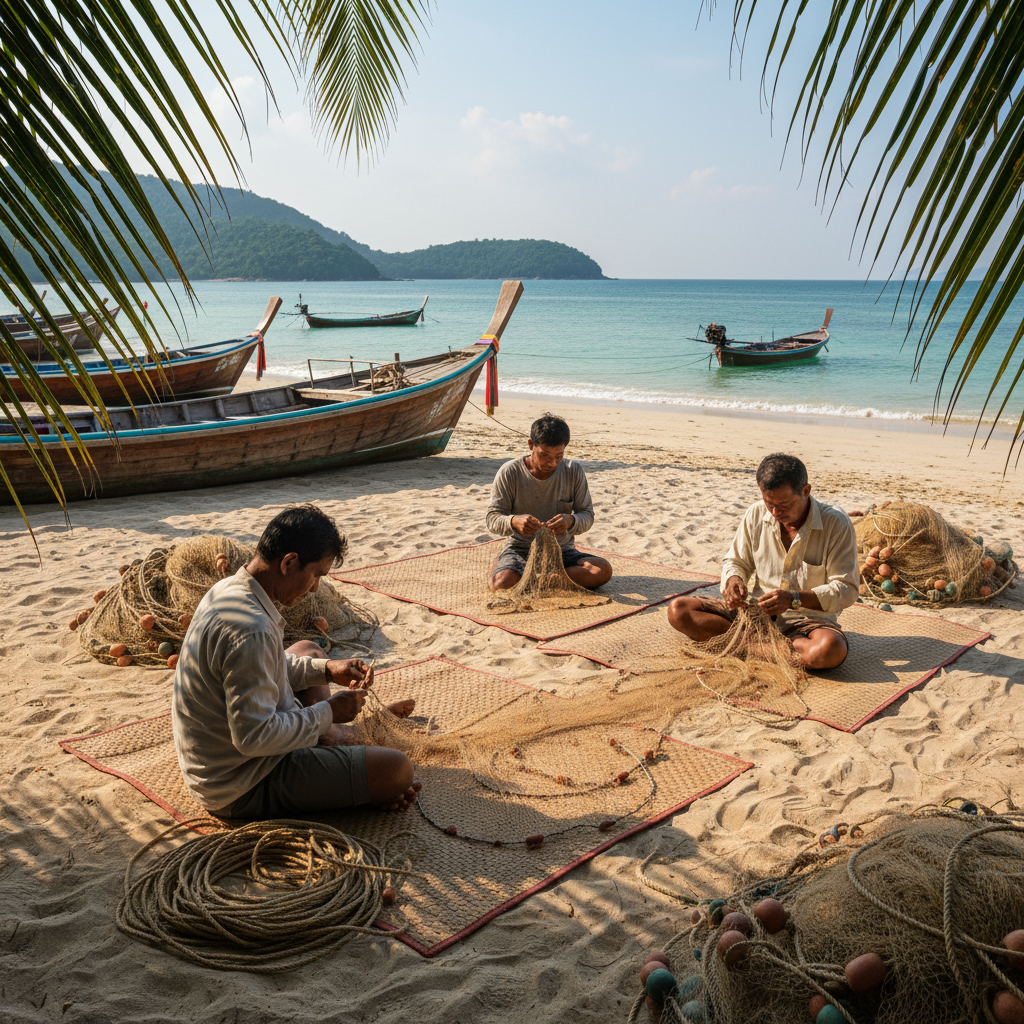
The allure of exchanging routine for an extended period amidst the tropical warmth of Southeast Asia’s islands has solidified their status as premier destinations for long-term residents. With the global shift towards remote work and a growing appreciation for sustainable travel, more individuals and families are exploring the practicality of settling into an island rhythm for months, or even years. This lifestyle offers a blend of natural beauty, cultural immersion, and often a lower cost of living than many Western countries, fostering a genuine sense of belonging rather than fleeting tourism. Understanding the nuances of visa requirements, community integration, and daily living is essential for a successful transition, transforming a vacation spot into a sustainable home base.
Key Takeaways
- Visa policies vary significantly across Southeast Asian nations, requiring careful research for long-term stays.
- Cost of living can be considerably lower than Western countries, but budgets should account for diverse lifestyle choices.
- Connectivity and infrastructure are rapidly improving, supporting digital nomads and remote workers effectively.
- Healthcare access ranges from basic clinics to international standard hospitals, necessitating comprehensive travel insurance.
- Cultural immersion and respect for local traditions are vital for a fulfilling long-term island experience.
- Community engagement opportunities are abundant, from expat groups to local initiatives, fostering a sense of belonging.
- Sustainable living practices and environmental awareness are increasingly important for long-term residents on these islands.
The Enduring Appeal of Long-Term Island Living
The prospect of extended stays on Southeast Asian islands continues to captivate a diverse demographic, from digital nomads seeking inspiration to retirees desiring a tranquil, cost-effective lifestyle. This shift away from conventional short-term tourism reflects a deeper desire for cultural immersion and a more authentic daily existence. The region offers a unique blend of vibrant local traditions, breathtaking natural landscapes, and a generally welcoming populace, creating an environment conducive to extended residency. Many find that the slower pace of island life fosters a sense of well-being, allowing for personal growth and a deeper connection to their surroundings.
Economic considerations often play a significant role in the decision to pursue a long-term island stay. The cost of living in many Southeast Asian destinations, encompassing accommodation, food, and daily expenses, is frequently more affordable than in Europe, North America, or Australia. This financial flexibility allows individuals to stretch their budgets further, potentially enabling earlier retirement or funding a lifestyle that might be unattainable elsewhere. This economic advantage, combined with the quality of life on offer, creates a compelling argument for making a tropical island a temporary or semi-permanent home.
Beyond the financial incentives, the tropical climate and abundant natural beauty are fundamental draws. Consistent warm weather, lush vegetation, and proximity to pristine beaches and marine life offer a stark contrast to colder, urban environments. This natural setting encourages an active outdoor lifestyle, promoting physical health through activities like swimming, surfing, hiking, and diving. The therapeutic qualities of the ocean and the consistent sunshine contribute to mental well-being, reducing stress and fostering a positive outlook that is often difficult to maintain in high-pressure environments.
Moreover, the growing communities of expatriates and locals offer rich opportunities for social engagement and network building. Unlike transient tourist hubs, islands with established long-stay populations facilitate the formation of genuine friendships and support systems. These communities often organize events, workshops, and gatherings, allowing newcomers to quickly integrate and find their niche. This blend of individual tranquility and communal connection ensures that long-term residents can find both solitude and companionship, enriching their overall experience of island life.
Navigating Visa Requirements for Extended Stays
Securing the appropriate visa is the foundational step for any long-term stay in Southeast Asia, and policies vary considerably between countries and even within a single nation depending on the island. While standard tourist visas typically grant stays of 30 to 90 days, provisions for longer periods, such as social visas, retirement visas, or specialized digital nomad visas, are increasingly available. It is imperative to research the specific requirements for your chosen destination well in advance, as retrospective adjustments or overstaying can lead to significant penalties or deportation. Official government immigration websites are the most reliable sources of current information.
Several countries have introduced or refined visa options catering to those seeking extended stays. Thailand, for instance, offers its Long-Term Resident (LTR) visa for wealthy global citizens, highly-skilled professionals, and remote workers, granting up to 10 years with multiple entries. Indonesia’s B211A visa is frequently utilized by digital nomads for initial stays of 60 days, extendable twice for a total of 180 days, often with the possibility of sponsorship for further extensions. The Philippines provides the Special Resident Retiree’s Visa (SRRV), which offers indefinite stay for eligible retirees, and is exploring options for remote workers.
The process for renewing or extending long-stay visas often involves a visit to a local immigration office, submission of updated documents, and payment of fees. This can sometimes be a bureaucratic process, requiring patience and adherence to local procedures. Engaging with local visa agents, while incurring an additional cost, can often streamline this process, particularly for those unfamiliar with the local language or legal system. It is crucial to monitor expiry dates diligently and initiate renewal procedures well before the current visa expires to avoid complications.
Staying informed about changes in immigration policy is equally important, as governments frequently update their regulations to reflect economic priorities or global trends. Relying on outdated information from forums or informal sources can be risky. Subscribing to official government advisories or reputable expat community newsletters can help long-term residents remain abreast of any policy shifts that might affect their status. A proactive approach to visa management ensures a smooth and uninterrupted experience during an extended island sojourn.
Bali, Indonesia: A Well-Established Haven
Bali, Indonesia, stands as a premier destination for long-term stays, largely due to its established infrastructure catering to expatriates and digital nomads. The island offers a mature ecosystem of co-working spaces, international schools, diverse dining options, and a thriving wellness scene that blends traditional practices with modern approaches. Areas like Canggu, Ubud, and Seminyak have become focal points for long-term residents, each offering a distinct atmosphere, from vibrant surf culture to serene artistic retreats. This robust support system minimizes the challenges often associated with settling into a new country.
The cost of living in Bali remains competitive, though it has seen gradual increases in popular areas. Accommodation options range from affordable guesthouses and shared villas to luxurious private estates, suiting various budgets. A comfortable lifestyle, including local meals, transport, and some leisure activities, can typically be managed on a budget that is considerably lower than in many Western cities. For those seeking to integrate more deeply, embracing local markets and warungs (local eateries) offers significant savings and a richer cultural experience.
Bali’s lifestyle is characterized by a unique blend of spiritual traditions, artistic expression, and a relaxed pace. The island’s rich Hindu culture is evident in daily offerings, temple ceremonies, and traditional arts, providing endless opportunities for cultural engagement. The wellness scene, with its yoga studios, meditation retreats, and healthy eateries, complements the spiritual aspect, drawing individuals seeking personal growth and holistic well-being. This multifaceted environment fosters a balanced lifestyle that appeals to many long-term residents.
Connectivity is a significant advantage for remote workers in Bali. Reliable high-speed internet is widespread in major residential areas and co-working spaces, enabling seamless remote work. The presence of numerous international schools makes Bali an attractive option for families. Furthermore, the island’s strategic location facilitates travel to other parts of Indonesia and neighboring Southeast Asian countries, offering convenient exploration opportunities during longer stays. These practicalities solidify Bali’s reputation as a highly functional and enjoyable long-term destination.
Phuket, Thailand: Comfort and Convenience
Phuket, Thailand’s largest island, offers a compelling proposition for long-term stays, moving beyond its reputation as a tourist hotspot to emerge as a functional and comfortable base for expatriates. The island boasts well-developed infrastructure, including modern hospitals, international schools, and a diverse range of residential options, from beachfront condos to quiet villas nestled in green hills. This level of development ensures that many conveniences and services found in larger cities are readily accessible, providing a smooth transition for those planning an extended stay.
The island offers various areas suitable for long-term living, each with its own character. Rawai and Nai Harn in the south are popular among families and those seeking a quieter, community-focused lifestyle, with access to beautiful beaches and a relaxed atmosphere. The central areas around Phuket Town provide a more urban experience with historical charm and local markets, while areas like Cherngtalay and Bangtao in the north offer a blend of luxury resorts and residential developments, often with golf courses and high-end dining. This diversity allows residents to choose an environment that best fits their preferences.
Healthcare facilities on Phuket are among the best in the region, with several international hospitals offering high standards of medical care and English-speaking staff. This is a crucial consideration for long-term residents, providing peace of mind. For families, the presence of reputable international schools following various curricula (e.g., British, American, IB) ensures quality education options. These amenities elevate Phuket beyond a mere holiday destination to a place where a comprehensive lifestyle can be maintained.
Transportation on the island is relatively straightforward, with options ranging from rental cars and motorbikes to ride-hailing services. Phuket International Airport provides excellent connectivity to major cities worldwide, making it convenient for those who need to travel frequently. The blend of modern amenities, natural beauty, and a growing expat community makes Phuket an increasingly attractive choice for individuals and families seeking a comfortable and well-supported long-term base in Southeast Asia.
Phu Quoc, Vietnam: An Emerging Gem
Phu Quoc, Vietnam, is rapidly gaining recognition as an appealing destination for long-term stays, distinguishing itself with its relatively recent development boom and unique natural charm. While perhaps not as globally recognized as Bali or Phuket, its evolving infrastructure and increasing amenities make it a compelling choice for those seeking a balance between modern comforts and an authentic island experience. The Vietnamese government’s investment in tourism and infrastructure has transformed Phu Quoc into a more accessible and livable island, attracting a growing number of expatriates and digital nomads.
One of Phu Quoc’s significant draws is its affordability, particularly compared to more established long-stay destinations. Rent for accommodations, dining at local eateries, and general daily expenses are often more budget-friendly, allowing for a comfortable lifestyle without overstretching finances. The island’s rapid development includes new residential complexes, improved roads, and a growing number of cafes and restaurants that cater to diverse tastes, reflecting its emergence as a viable long-term hub.
The island’s natural beauty remains a core attraction, with pristine beaches, national park forests, and vibrant coral reefs. These natural assets encourage an outdoor-oriented lifestyle, with opportunities for snorkeling, diving, hiking, and exploring the island’s less developed areas. For those who appreciate a slower pace and a connection with nature, Phu Quoc offers an appealing alternative to more bustling locations. The local culture, while subtly present, provides a gentle immersion into Vietnamese customs.
Phu Quoc’s visa policy, which offers a 30-day visa exemption for many nationalities arriving directly to the island, simplifies initial entry and exploration, though longer stays require adherence to standard Vietnamese visa procedures. While infrastructure is still developing compared to more mature destinations, the steady progress in internet connectivity and essential services positions Phu Quoc as an exciting prospect for early adopters looking to establish roots in an evolving, beautiful Southeast Asian island destination. Its unique blend of affordability, natural beauty, and nascent development offers a distinct long-stay experience.
Palawan, Philippines: Nature’s Untamed Escape
Palawan, Philippines, presents a distinct option for long-term residents seeking a deeply immersive natural experience, characterized by its dramatic limestone karst landscapes, crystal-clear waters, and a more untouched environment compared to its Southeast Asian counterparts. This archipelago province appeals to those prioritizing natural beauty and a slower, more integrated local lifestyle over extensive modern amenities. Places like El Nido, Coron, and Port Barton offer varying degrees of development, but all share an undeniable connection to the marine environment and stunning scenery, making it ideal for nature enthusiasts.
The cost of living in Palawan is generally lower than in Bali or Phuket, particularly outside the main tourist hubs like El Nido town. While luxury accommodations exist, more affordable options like guesthouses, local apartments, and simple bungalows are readily available, allowing for budget-conscious long-term stays. The food scene heavily relies on fresh seafood and local produce, providing both delicious and economical dining choices. This affordability allows residents to extend their stay significantly while enjoying a high quality of life within a natural setting.
Connectivity in Palawan, while improving, can be less robust than on more developed islands. Internet speeds can be variable, particularly in more remote areas, which is an important consideration for digital nomads heavily reliant on stable connections. However, for those seeking a digital detox or a less demanding work environment, this can be an advantage, fostering a greater focus on nature and personal well-being. Co-working spaces are emerging, but are not as prevalent as in established digital nomad hubs.
Life in Palawan offers a chance to engage deeply with local communities and a vibrant expat population that often shares a passion for nature and outdoor activities. Opportunities for island hopping, diving, snorkeling, and exploring hidden lagoons are abundant, forming the core of the island’s lifestyle. While lacking large shopping malls or extensive international dining, the charm of Palawan lies in its authenticity, breathtaking natural wonders, and the strong sense of community that develops among those who choose to make this serene, wild landscape their long-term home.
Essential Considerations for Sustained Island Life
Beyond the initial charm, sustained island living demands careful consideration of practicalities that impact daily life. Access to reliable healthcare is paramount, and while many popular islands feature international clinics and hospitals, the quality and cost can vary. Comprehensive travel or international health insurance is not merely a recommendation but a necessity to cover unforeseen medical emergencies or ongoing treatments. Understanding the local healthcare system, including emergency services and pharmacy availability, ensures peace of mind for long-term residents.
Internet reliability is another critical factor, particularly for digital nomads and remote workers. While major hubs on islands like Bali and Phuket offer robust fiber optic connections and numerous co-working spaces, more remote islands or specific areas might present connectivity challenges. Investing in local SIM cards with generous data plans and researching internet infrastructure in your specific residential area before committing to a long-term lease can prevent significant frustration and ensure work continuity.
Cultural integration and respect for local customs are fundamental to a rewarding long-term experience. Learning basic phrases in the local language, understanding social etiquette, and participating in local events can significantly enhance one’s ability to connect with the community and navigate daily interactions. Demonstrating genuine respect for traditions, religion, and local ways of life fosters positive relationships and avoids misunderstandings, allowing long-term residents to truly embed themselves within their chosen island home.
Finally, embracing sustainable living practices is an increasingly important responsibility for long-term residents. Islands are delicate ecosystems, often facing challenges related to waste management, water conservation, and resource depletion. Conscious choices, such as reducing plastic consumption, supporting local businesses, minimizing energy use, and participating in community clean-up efforts, contribute positively to the island’s well-being. A mindful approach ensures that the beauty and resources that draw people to these islands are preserved for future generations, fostering a truly sustainable long-term stay.
“The paradigm of extended island stays in Southeast Asia has shifted from pure tourism to intentional living. Individuals are seeking not just a destination, but a community and a sustainable lifestyle that aligns with their personal and professional goals. Success lies in thorough planning, cultural empathy, and an adaptive mindset to truly integrate and thrive.”
— Dr. Anya Sharma, Ethical Tourism Researcher, Pacific Rim Institute
| Island Destination | Average Monthly Cost of Living (USD) | Visa Ease for Long Stays | Internet Speed (Mbps) | Healthcare Access | Primary Vibe |
|---|---|---|---|---|---|
| Bali, Indonesia | $1,000 – $2,500 | Moderate (B211A, Digital Nomad Visa) | 50-100+ | Good (International clinics & hospitals) | Wellness, Digital Nomad, Culture |
| Phuket, Thailand | $1,200 – $3,000 | Moderate (LTR, Tourist extensions) | 80-150+ | Excellent (International hospitals) | Comfort, Modern Amenities, Family |
| Phu Quoc, Vietnam | $700 – $1,500 | Moderate (Tourist extensions, specific exemptions) | 30-80 | Moderate (Local hospitals, private clinics) | Emerging, Nature, Affordability |
| Palawan, Philippines | $600 – $1,200 | Moderate (SRRV, Tourist extensions) | 10-50 (variable) | Basic (Local clinics, some hospitals) | Nature, Adventure, Authentic Local |
Frequently Asked Questions
What are the typical visa options for long stays in Southeast Asian islands?
Visa options for long stays in Southeast Asia vary significantly by country. Generally, individuals can pursue extended tourist visas, social/cultural visas, or, increasingly, dedicated digital nomad or long-term resident visas. Countries like Thailand offer a Long-Term Resident (LTR) visa for up to 10 years, while Indonesia’s B211A visa allows for initial 60-day stays extendable up to 180 days, popular among remote workers. The Philippines has the Special Resident Retiree’s Visa (SRRV) for eligible retirees. It is crucial to consult the official immigration websites of your target country for the most current and accurate information, as policies can change rapidly.
How does the cost of living compare across different islands in Southeast Asia?
The cost of living across Southeast Asian islands can differ substantially, influenced by the island’s development, popularity, and specific lifestyle choices. Established destinations like Bali and Phuket, while still more affordable than many Western cities, typically have higher costs for accommodation, dining, and certain services due to higher demand and infrastructure. Emerging islands like Phu Quoc (Vietnam) and less developed areas of Palawan (Philippines) often offer a significantly lower cost of living, particularly for local food and basic accommodation. Your personal spending habits, such as choosing local markets over international supermarkets and simple guesthouses over luxury villas, will greatly impact your monthly expenses.
Is healthcare readily available for long-term residents on these islands?
Healthcare availability and quality vary widely across Southeast Asian islands. Major islands such as Phuket and Bali boast international-standard hospitals and clinics with English-speaking staff, offering a comprehensive range of medical services suitable for long-term residents. Smaller or less developed islands, however, may only have basic clinics or limited medical facilities, potentially requiring travel to a larger island or mainland for specialized treatment. It is highly advisable for all long-term residents to secure comprehensive international health insurance that covers emergency medical evacuation, ensuring access to appropriate care regardless of their chosen island’s local provisions.
What are the main challenges of extended island living in Southeast Asia?
Extended island living, while rewarding, comes with its own set of challenges. These can include navigating complex visa processes and fluctuating immigration policies, which require ongoing vigilance. Connectivity issues, such as unreliable internet in more remote areas, can be a hurdle for digital nomads. Cultural adjustments, language barriers, and adapting to a different pace of life might also take time. Additionally, some islands face environmental concerns like waste management and access to consistent amenities, which long-term residents should be aware of and contribute positively to address. Mosquito-borne diseases are also a factor to consider for health preparedness.
How important is internet connectivity for digital nomads on these islands?
For digital nomads and remote workers, reliable internet connectivity is paramount, and its importance cannot be overstated. Islands like Bali (particularly Canggu and Ubud) and Phuket have invested heavily in robust fiber optic networks and boast numerous co-working spaces, ensuring high-speed and stable internet access that supports demanding online work. In contrast, emerging or more remote islands like certain parts of Palawan may have less consistent or slower internet, which could pose significant challenges for those requiring constant, high-bandwidth connections. Researching specific areas for internet infrastructure and considering backup options like mobile hotspots are essential steps for any digital nomad planning a long-term island stay.