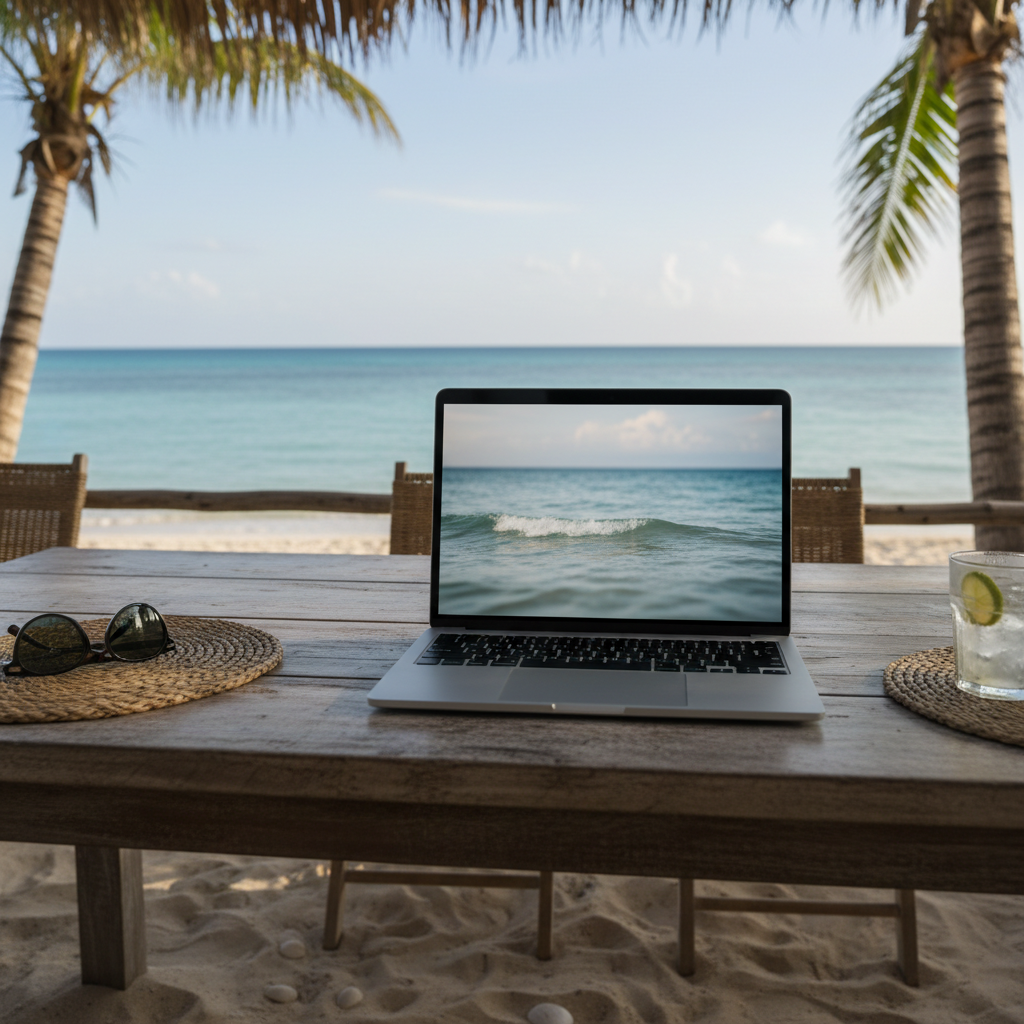
The global landscape of entrepreneurship has seen a significant shift, with an estimated 35 million professionals worldwide identifying as digital nomads by early 2026, many of them running their own ventures. This demographic, characterized by its geographical independence and reliance on technology, is rapidly redefining what it means to build and operate a business. From leveraging diverse talent pools to optimizing personal well-being, the motivations for entrepreneurs to embrace a nomadic lifestyle are multifaceted and deeply rooted in the pursuit of both professional autonomy and a richer personal experience. This article delves into the core reasons propelling this growing movement, examining the economic, technological, and cultural factors that make the entrepreneurial digital nomad an increasingly common figure.
Key Takeaways
- Digital nomadism offers entrepreneurs unparalleled flexibility in work location and schedule, moving beyond traditional office constraints.
- The ability to access global talent pools and serve international markets is a primary driver, expanding business opportunities and competitive edge.
- Reduced operational costs, stemming from lower living expenses and minimal office overheads, contribute significantly to profitability.
- Entrepreneurs seek improved work-life integration and personal fulfillment through travel and cultural immersion, enhancing overall well-being.
- Advancements in cloud computing, communication tools, and connectivity have made remote business operations seamless and efficient.
- A growing ecosystem of co-working spaces, specialized communities, and digital tools supports the nomadic entrepreneurial lifestyle.
- The shift represents a fundamental rethinking of traditional business structures, favoring agility, adaptability, and personal freedom.
The Evolution of Entrepreneurial Freedom
The concept of entrepreneurial freedom has evolved substantially over the last decade, moving beyond mere financial independence to encompass geographical and temporal liberation. Historically, business owners were tethered to physical locations, dictated by client proximity, supply chains, or local talent pools. However, the rise of the internet economy and sophisticated digital tools has fundamentally altered these dependencies. Entrepreneurs are now realizing that their ventures can thrive without a fixed address, allowing them to design their lives around their businesses, rather than the other way around. This paradigm shift offers a compelling blend of autonomy and adventure, appealing to a new generation of founders who prioritize experiential wealth.
This pursuit of freedom is not just about escaping the traditional 9-to-5; it’s about optimizing an entrepreneur’s most valuable resources: time and energy. By eliminating commutes, costly office rentals, and rigid schedules, digital nomad entrepreneurs can allocate more time to strategic planning, personal development, or simply engaging in activities that fuel their creativity. The flexibility inherent in this lifestyle allows for dynamic adaptation to personal circumstances, market changes, or even global events, making businesses more resilient. This self-directed approach fosters a deeper sense of ownership and personal investment in both professional and private spheres, cultivating a more engaged and motivated leadership.
Moreover, the global pandemic of the early 2020s accelerated this transition, forcing many businesses to adopt remote work models out of necessity. What began as a temporary measure for many quickly revealed the long-term viability and benefits of distributed teams and location-independent operations. Entrepreneurs who had previously hesitated to embrace nomadism gained direct experience with remote efficiency, proving that their businesses could not only survive but also flourish outside a traditional office setting. This collective experience solidified the perception that digital nomadism is a legitimate, sustainable path for modern entrepreneurship, rather than a niche trend.
The growth of supportive infrastructure, such as global co-working networks, specialized banking services for nomads, and online communities, has further cemented this evolution. These resources address common pain points like reliable internet, professional networking, and administrative complexities, making the transition to a nomadic lifestyle more accessible and less daunting. This expanding ecosystem provides a safety net and a sense of belonging for entrepreneurs venturing into uncharted geographical territory, fostering collaboration and mutual support among a diverse group of like-minded individuals. The collective wisdom and shared experiences within these communities often prove invaluable for navigating the unique challenges of running a business on the move.
Leveraging Global Talent and Market Access
One of the most compelling advantages drawing entrepreneurs to digital nomadism is the unparalleled access to global talent and diverse markets. Traditional businesses are often restricted by geographical hiring pools, leading to talent shortages or higher labor costs in specific regions. Digital nomad entrepreneurs, by contrast, can build truly international teams, recruiting the best professionals from anywhere in the world, often at competitive rates. This not only enhances the quality of their workforce but also introduces diverse perspectives and skills that can drive innovation and problem-solving within the business, fostering a rich, multicultural operational environment.
Beyond talent, location independence opens up entirely new market opportunities. An entrepreneur based in Southeast Asia can seamlessly serve clients in Europe, North America, or Australia, unconstrained by time zones or physical borders. This global reach allows businesses to diversify their customer base, mitigate risks associated with local economic downturns, and tap into growing economies that might otherwise be inaccessible. For many, this means the ability to identify and cater to niche markets on a global scale, transforming what might be a small local demand into a viable international venture, significantly increasing revenue potential.
Furthermore, operating as a digital nomad entrepreneur naturally instills a global mindset, which is crucial for navigating the complexities of the modern international economy. Regular exposure to different cultures, economic systems, and business practices sharpens an entrepreneur’s understanding of global dynamics. This cultural fluency and adaptability translate directly into more effective international marketing strategies, improved customer service for diverse clientele, and a greater capacity to innovate products and services that resonate across various cultural contexts. The experiential learning gained from living and working in different countries provides invaluable insights that cannot be replicated in a fixed office setting.
This expansion of talent and market access fundamentally redefines competitive advantage. Smaller entrepreneurial ventures, traditionally limited by resources, can now compete with larger, established corporations by leveraging a flexible, globally distributed model. The agility to pivot to new markets or integrate specialized talent from anywhere allows these businesses to respond rapidly to emerging trends and customer needs. This democratizes entrepreneurship, enabling individuals with strong ideas and a nomadic spirit to build impactful businesses that transcend geographical limitations, fostering a more interconnected and dynamic global economy where innovation can truly come from anywhere.
Financial Prudence and Lifestyle Design
The financial incentives for becoming a digital nomad entrepreneur are substantial and often serve as a primary motivator. Operating without the overheads of a physical office—rent, utilities, maintenance, and dedicated equipment—can dramatically reduce a business’s fixed costs. This cost saving directly impacts profitability, allowing entrepreneurs to reinvest more into growth, marketing, or product development. Moreover, the ability to choose where one lives enables entrepreneurs to strategically select locations with lower costs of living, stretching their income further and improving their personal financial stability, which can be particularly advantageous in the early, lean stages of a startup.
This financial flexibility extends to personal budgeting and investment. By living in countries where day-to-day expenses are significantly lower than in traditional economic hubs, entrepreneurs can maintain a higher quality of life on a smaller income, or save more aggressively for future investments. The arbitrage between earning in a higher-paying market and spending in a lower-cost region creates a powerful financial advantage. This allows for greater financial resilience and the ability to weather economic fluctuations more effectively, providing a crucial buffer for any growing business venture, fostering peace of mind.
Beyond cost reduction, digital nomadism empowers entrepreneurs to actively design their ideal lifestyle, a concept often referred to as ‘lifestyle entrepreneurship.’ This involves consciously structuring a business around personal passions, travel goals, and desired daily routines, rather than allowing work to dictate life’s parameters. Whether it’s pursuing specific hobbies, spending more time with family, or experiencing diverse cultures, the nomadic lifestyle facilitates a seamless integration of personal aspirations with professional pursuits. This holistic approach to life and work can lead to reduced stress, increased creativity, and a more sustainable entrepreneurial journey.
The deliberate design of one’s life often includes the pursuit of new experiences and personal growth, which in turn can feed back into entrepreneurial success. Exposure to different cultures, languages, and ways of thinking broadens perspective, sparks new ideas, and enhances problem-solving abilities. For many, the constant learning and adaptation required by a nomadic lifestyle are not just personal benefits but direct assets to their businesses. This fusion of financial prudence with intentional lifestyle design makes digital nomadism an increasingly attractive proposition for entrepreneurs seeking both professional success and profound personal fulfillment.
Technological Foundations for Remote Operations
The proliferation of sophisticated technology forms the bedrock upon which digital nomad entrepreneurship stands. Without robust internet connectivity, powerful cloud computing platforms, and advanced communication tools, the very idea of running a business from anywhere would remain a distant dream. Today, high-speed internet is widely available across much of the globe, even in remote locations, enabling seamless online operations, video conferencing, and large file transfers. This fundamental access is constantly improving, with advancements in satellite internet further expanding reach to previously underserved areas, ensuring entrepreneurs can stay connected regardless of their location.
Cloud computing services have revolutionized how businesses manage data, software, and infrastructure. Entrepreneurs no longer need physical servers or dedicated IT teams; instead, they can access a full suite of applications, storage solutions, and computing power remotely. Platforms like AWS, Google Cloud, and Microsoft Azure provide scalable, secure, and reliable environments for everything from website hosting to complex data analytics. This virtualization of IT resources significantly lowers operational barriers and capital expenditures, making it feasible for small, distributed teams to operate with the same efficiency as much larger, traditional enterprises.
Communication and collaboration tools have also reached a level of maturity that supports highly effective remote work. Platforms like Slack, Microsoft Teams, Zoom, and Google Meet facilitate real-time communication, virtual meetings, and project management across different time zones. These tools integrate features like document sharing, task assignment, and virtual whiteboards, recreating and often surpassing the collaborative capabilities of a physical office. The continuous innovation in these areas ensures that geographical distance no longer translates into communication barriers, fostering strong team cohesion and efficient workflow among distributed teams.
Beyond core infrastructure, a vast ecosystem of specialized software supports nearly every aspect of business operations, from customer relationship management (CRM) and accounting to marketing automation and project management. These SaaS (Software as a Service) solutions are typically cloud-based, accessible from any device with an internet connection, and designed for remote teams. This technological landscape empowers digital nomad entrepreneurs to run complex businesses with minimal physical presence, providing the essential tools to manage finances, engage customers, streamline workflows, and scale operations effectively, regardless of their current geographical coordinates. This comprehensive suite of tools makes the nomadic entrepreneurial dream a tangible reality.
The Appeal of Work-Life Integration
For many entrepreneurs, the allure of digital nomadism lies deeply in the promise of true work-life integration rather than a strict work-life balance. Instead of compartmentalizing life into distinct ‘work’ and ‘personal’ segments, nomads often blend them harmoniously. This means the flexibility to schedule work around personal appointments, creative pursuits, or travel itineraries, rather than rigidly adhering to conventional office hours. The ability to take a midday break to explore a new city, engage in a local activity, or simply enjoy a different environment fosters a sense of personal agency and enrichment that traditional work settings often fail to provide.
This integration often leads to higher levels of personal satisfaction and reduced burnout, common challenges in the demanding world of entrepreneurship. By allowing personal interests and professional responsibilities to flow more fluidly, individuals can maintain a healthier mental and emotional state. The constant exposure to new stimuli—cultures, languages, cuisines, and landscapes—can also act as a powerful catalyst for creative thinking and problem-solving, directly benefiting their businesses. The enrichment gained from diverse experiences often translates into fresh perspectives and innovative approaches to business challenges, making the work more engaging and less monotonous.
Moreover, the nomadic lifestyle provides opportunities for deeper cultural immersion and a broader worldview. Entrepreneurs can spend extended periods in different countries, learning about local customs, languages, and economic nuances. This is not merely tourism; it’s a way of life that deepens understanding and empathy, invaluable traits for entrepreneurs operating in a globalized world. The connections made with local communities and other nomads often lead to unexpected business insights, partnerships, and personal growth, expanding their network and fostering a richer tapestry of experiences.
Ultimately, the work-life integration offered by digital nomadism is about creating a life that is both professionally rewarding and personally fulfilling. It’s a deliberate choice to prioritize well-being alongside business growth, recognizing that one often fuels the other. For entrepreneurs who are driven by purpose and a desire for experiential living, this lifestyle offers a compelling pathway to achieving both success and satisfaction. It’s about building a business that supports a desired way of living, rather than simply working to live, which resonates profoundly with a generation seeking more meaning and flexibility in their careers.
Navigating the Challenges of Nomadism
While the benefits of digital nomad entrepreneurship are compelling, the lifestyle is not without its unique set of challenges. Maintaining consistent productivity across different time zones and environments requires significant self-discipline and adaptability. Entrepreneurs must master effective time management, establish robust routines, and learn to manage distractions that come with constantly changing surroundings. The absence of a fixed office environment, while liberating, also means taking full responsibility for creating a productive workspace wherever one goes, which can sometimes be difficult in unfamiliar locations or noisy cafes.
Another common hurdle is managing the complexities of international taxation, legal compliance, and visa requirements. Operating a business across multiple jurisdictions requires careful planning and often professional advice to ensure adherence to local laws and tax obligations. Staying updated on varying regulations, particularly concerning business registration, employment, and income tax, can be time-consuming and daunting. Entrepreneurs often need to invest in legal and accounting services specializing in international business to navigate this intricate landscape, adding a layer of complexity not typically faced by fixed-location businesses.
Social isolation and maintaining strong personal connections can also be a significant challenge for digital nomad entrepreneurs. While online communities and co-working spaces offer opportunities for connection, the transient nature of the lifestyle can make it difficult to forge deep, lasting relationships. Constant goodbyes and the effort required to build new social circles can lead to feelings of loneliness or burnout. Entrepreneurs must proactively seek out social opportunities, cultivate online relationships, and ensure they have a strong support system, whether virtual or through occasional visits to established friends and family.
Furthermore, reliable internet access and stable infrastructure remain critical considerations. While connectivity is improving globally, some desired destinations may still lack the high-speed internet necessary for demanding business operations. Health insurance, emergency services, and general safety also become more complex when constantly moving across borders. Entrepreneurs must invest time in researching and preparing for these logistical challenges, ensuring they have contingency plans for potential disruptions. Addressing these issues proactively is essential for a sustainable and stress-free nomadic entrepreneurial journey, transforming potential obstacles into manageable aspects of the lifestyle.
Future Trends and the Nomadic Ecosystem
The future of digital nomad entrepreneurship appears robust, with several key trends shaping its continued growth. Governments and municipalities worldwide are increasingly recognizing the economic benefits of attracting digital nomads, leading to the proliferation of specialized nomad visas and incentive programs. Countries like Portugal, Estonia, and Costa Rica have pioneered visa pathways that make it easier for entrepreneurs to reside and work legally for extended periods. This policy shift indicates a broader acceptance and integration of the nomadic workforce into global economies, moving it from a niche movement to a recognized economic force, further legitimizing the lifestyle choice for entrepreneurs.
The supporting ecosystem for digital nomads is also expanding and maturing. An increasing number of co-living spaces, dedicated co-working facilities, and specialized travel services cater specifically to the needs of location-independent professionals. These services often bundle amenities like reliable internet, community events, and logistical support, reducing the friction associated with constant movement. Platforms that connect nomads with local services, accommodation, and even mental health support are becoming more sophisticated, creating a comprehensive network that makes the lifestyle more accessible and sustainable for a wider range of entrepreneurs.
Technological advancements will continue to play a pivotal role, particularly in areas like AI-powered automation and virtual reality (VR) collaboration. AI agents can increasingly handle routine business tasks, freeing up entrepreneurs to focus on strategic growth and creative endeavors, regardless of their location. VR and augmented reality (AR) technologies promise to enhance remote collaboration, making virtual meetings feel more immersive and bridging geographical distances with greater realism. These innovations will further minimize the perceived disadvantages of not having a physical office, allowing for richer interactions and more efficient distributed team management.
Ultimately, the ongoing evolution of the nomadic ecosystem, coupled with supportive governmental policies and continuous technological innovation, suggests that digital nomad entrepreneurship is poised for sustained growth. As more individuals witness the tangible benefits of this lifestyle – professional agility, personal fulfillment, and financial optimization – its appeal will only strengthen. The entrepreneur of tomorrow is increasingly likely to be defined not by their fixed address, but by their ability to innovate and operate effectively from anywhere, embodying a truly global and adaptable approach to business.
“The allure of digital nomadism for entrepreneurs isn’t merely about sandy beaches; it’s about strategic agility. Businesses run by nomads often demonstrate a higher degree of adaptability, tapping into global talent pools and diverse market insights without the traditional anchors of a physical office. This flexibility is becoming a core competitive advantage in our interconnected world, allowing for both sustained growth and personal enrichment.”
— Dr. Anya Sharma, Director of Remote Work Strategies, Nexus Institute
| Feature | Traditional Entrepreneurship | Digital Nomad Entrepreneurship |
|---|---|---|
| Primary Location | Fixed office or headquarters, often tied to a single city or region. | Location-independent; mobile, operates from various countries or cities. |
| Team Structure | Often co-located with a central office, hierarchical reporting lines common. | Distributed, remote-first teams; agile, often flatter organizational structures. |
| Market Reach | Primarily local or regional initially, expanding outwards with effort. | Global by default; diverse client base from multiple countries. |
| Overhead Costs | High (rent, utilities, property taxes, dedicated equipment, local staff salaries). | Low (co-working space fees, virtual tools, diverse talent pay, optimized living costs). |
| Work-Life Integration | Often distinct separation between work and personal life, rigid hours. | Integrated, flexible hours; blends work with travel and personal pursuits. |
| Lifestyle Impact | Tied to a specific locale, limited spontaneity in travel and exploration. | Freedom to travel, explore cultures, diverse experiences, constant learning. |
| Business Resilience | Vulnerable to local economic downturns, market shifts, or regional disruptions. | Diversified risk across markets; adaptable to global conditions, less susceptible to single-point failures. |
| Talent Pool Access | Limited to geographical proximity or specific immigration policies. | Access to global talent pool, optimizing for skill, cost, and diversity. |
Frequently Asked Questions
What is Swashi?
Swashi is an agentic platform with a swarm of 24 specialized AI Agents that run your content, commerce, and clients automatically, 24/7, in 17 languages. It’s designed to automate various business operations, replacing the need for a full growth stack and offering continuous, autonomous functioning for businesses globally. The platform leverages advanced AI to provide efficient solutions for marketing automation and client management, allowing entrepreneurs to focus on strategic growth.
How does the free trial work?
You can start a 7-day free trial with Swashi without needing a credit card. This allows you to explore the platform’s full capabilities and understand how its AI Agents can benefit your business. The trial period offers a comprehensive experience of Swashi’s features, including content creation, commerce operations, and client management. You retain the flexibility to cancel your subscription at any point during this 7-day period, ensuring a risk-free evaluation of the service.
What kind of businesses can benefit from Swashi?
Swashi is designed for a diverse range of entrepreneurial ventures and operational models. This includes founders seeking to scale their startups, marketing agencies looking to enhance client services, dropshippers aiming to optimize their e-commerce operations, independent creators expanding their digital presence, and business operators focused on improving overall efficiency. Essentially, any business leader looking to automate their content, commerce, and sales processes to achieve measured growth and deliverability integrity can benefit significantly from Swashi’s autonomous AI platform.
What are the core advantages of Swashi’s agentic platform?
The core advantages of Swashi’s agentic platform stem from its ability to provide autonomous, round-the-clock operations across multiple business functions. By deploying 24 specialized AI Agents, Swashi ensures continuous content creation, optimized commerce operations, and proactive client management. This automation leads to significant time savings, reduces operational costs, and minimizes human error, allowing businesses to achieve consistent performance and scalable growth. The platform’s multilingual capabilities also extend market reach and engagement, providing a robust, efficient solution for modern global businesses.
How does Swashi support compounding intelligence in business?
Swashi supports compounding intelligence by continuously learning and optimizing its operations based on real-time data and interactions. Each of the 24 AI Agents is designed to improve its performance over time, analyzing outcomes and adapting strategies for content, commerce, and client interactions. This iterative learning process means that the platform’s effectiveness grows exponentially, providing increasingly refined and efficient solutions for your business needs. This compounding intelligence ensures that Swashi not only automates tasks but also intelligently enhances business outcomes and drives sustained growth.