Vietnam’s allure for digital nomads extends far beyond its well-trodden paths of Hanoi and Ho Chi Minh City, with numerous hidden enclaves offering a blend of authentic culture, serene landscapes, and practical remote work amenities. The nation’s diverse geography, from northern mountains to southern deltas, conceals pockets of tranquility and inspiration that cater specifically to those seeking both productivity and discovery. These destinations often provide a more genuine immersion into local life, sidestepping the typical tourist circuits while still delivering essential infrastructure. Understanding where these sanctuaries lie is key for any nomad aiming to truly experience Vietnam without sacrificing their workflow. It’s time to look beyond the guidebooks and uncover Vietnam’s true nomadic potential.
Key Takeaways
- Vietnam offers a rich tapestry of hidden destinations for digital nomads beyond major cities.
- Lesser-known areas provide a more authentic cultural experience and cost-effective living.
- Northern regions like Ha Giang and Cao Bang offer dramatic landscapes and a slower pace of life.
- Central Vietnam’s Quy Nhon and Tuy Hoa combine coastal relaxation with local charm and improving infrastructure.
- The Mekong Delta’s Can Tho and Chau Doc present unique riverine cultures and strong community vibes.
- These hidden gems increasingly feature reliable internet connectivity and nascent co-working options.
- Embracing local immersion and preparing for slightly less developed amenities enhances the experience.
Unveiling Vietnam’s Northern Frontiers for Nomads
The mountainous north of Vietnam holds some of the country’s most dramatic landscapes and a slower pace of life, ideal for nomads seeking both inspiration and solitude. Ha Giang, particularly its famed Loop, offers breathtaking vistas of karst formations, terraced rice fields, and ethnic minority villages. While the Loop itself is a journey, towns like Dong Van and Meo Vac are emerging as quiet bases, offering basic guesthouses with improving Wi-Fi. Nomads here can find a profound connection to nature and local culture, often working from charming homestays that provide a window into highland life. The remoteness demands a degree of self-reliance, yet the rewards in terms of tranquility and genuine experience are substantial.
Cao Bang Province, another northern gem, is renowned for the majestic Ban Gioc waterfall, straddling the border with China. Beyond this natural wonder, the province is dotted with serene valleys, ancient forests, and quiet towns like Trung Khanh, which offer a peaceful environment for focused work. The pace of life here is noticeably slower than in major urban centers, providing a stark contrast to the bustle. Connectivity is generally reliable in the main towns, and the cost of living remains exceptionally low. Exploring Cao Bang allows nomads to delve into Vietnam’s history and natural beauty without the constant presence of tourist crowds, fostering a deep sense of calm.
Mai Chau Valley, situated closer to Hanoi but still feeling worlds away, presents a picturesque landscape of lush rice paddies and traditional stilt houses. This destination is known for its accessibility yet retains a strong sense of local identity, primarily inhabited by the White Thai ethnic group. Nomads can find comfortable guesthouses and even some dedicated co-working spaces or cafes with dependable internet, making it a viable option for those preferring a gentle introduction to Vietnam’s countryside. The valley offers opportunities for cycling, trekking, and cultural exchanges, providing a balanced lifestyle that blends productivity with authentic cultural immersion in a serene setting.
Beyond the well-known Sapa, which has seen significant tourist development, there are numerous smaller villages and districts in the Lao Cai province that offer a more authentic experience. Areas around Bac Ha or Muong Hum provide similar stunning mountain scenery and vibrant weekly markets without the same level of commercialization. These locales present an opportunity for deeper engagement with local communities, particularly the H’mong, Dao, and Tay ethnic groups. While infrastructure might be simpler, the genuine hospitality and untouched landscapes offer a rich cultural experience that can profoundly impact a nomad’s journey, making connectivity research essential before committing to an extended stay.
Central Vietnam’s Coastal Secrets and Cultural Havens
Central Vietnam, often overshadowed by the major hubs, harbors a series of coastal and cultural retreats that are increasingly appealing to digital nomads. Quy Nhon, in Binh Dinh province, stands out with its pristine beaches, fresh seafood, and a burgeoning urban infrastructure that still maintains a laid-back, local feel. Unlike its more famous neighbors, Quy Nhon offers a genuine Vietnamese coastal experience without the extensive tourist development. The city boasts a growing number of cafes with strong Wi-Fi, affordable living costs, and a friendly atmosphere, making it an excellent base for those who appreciate sea breezes and local flavors while working remotely.
Further south along the coast, Tuy Hoa in Phu Yen province remains largely untouched by mass tourism. Its dramatic rocky shores, golden sand beaches, and unique natural landmarks like Ganh Da Dia (The Ghenh Da Dia Reef) provide a stunning backdrop for any nomad’s daily life. The pace here is even slower than Quy Nhon, offering a profound sense of peace and isolation for concentrated work. While co-working spaces are fewer, many guesthouses and cafes offer adequate internet. Tuy Hoa appeals to those who prioritize natural beauty and tranquility, willing to forgo some urban conveniences for an authentic and serene coastal experience.
While Hue is famed for its Imperial City, its quieter outskirts and surrounding areas offer a different perspective for nomads. Focusing on areas slightly removed from the immediate tourist core, one can find peaceful riverside accommodations or guesthouses nestled amidst rice paddies. This provides an opportunity to delve into Vietnam’s rich history and culture without the constant tourist buzz, allowing for more contemplative work periods. Many such establishments now offer reliable internet, catering to the increasing demand from remote workers. The blend of historical significance, natural beauty, and a calmer environment makes these pockets of Hue appealing.
Phong Nha-Ke Bang National Park is renowned for its cave systems and adventure tourism, but the small town of Phong Nha itself and its surrounding villages offer a unique base for nature-loving nomads. The area provides an immersive experience in lush jungle environments, with opportunities for kayaking, caving, and trekking on days off. While the primary focus is ecotourism, the increasing number of guesthouses and small hotels in Phong Nha town now offer internet connectivity sufficient for remote work. This destination caters to individuals who thrive in nature and seek an active lifestyle alongside their professional commitments, providing an unusual yet rewarding nomadic experience.
The Mekong Delta’s Authentic Nomadic Retreats
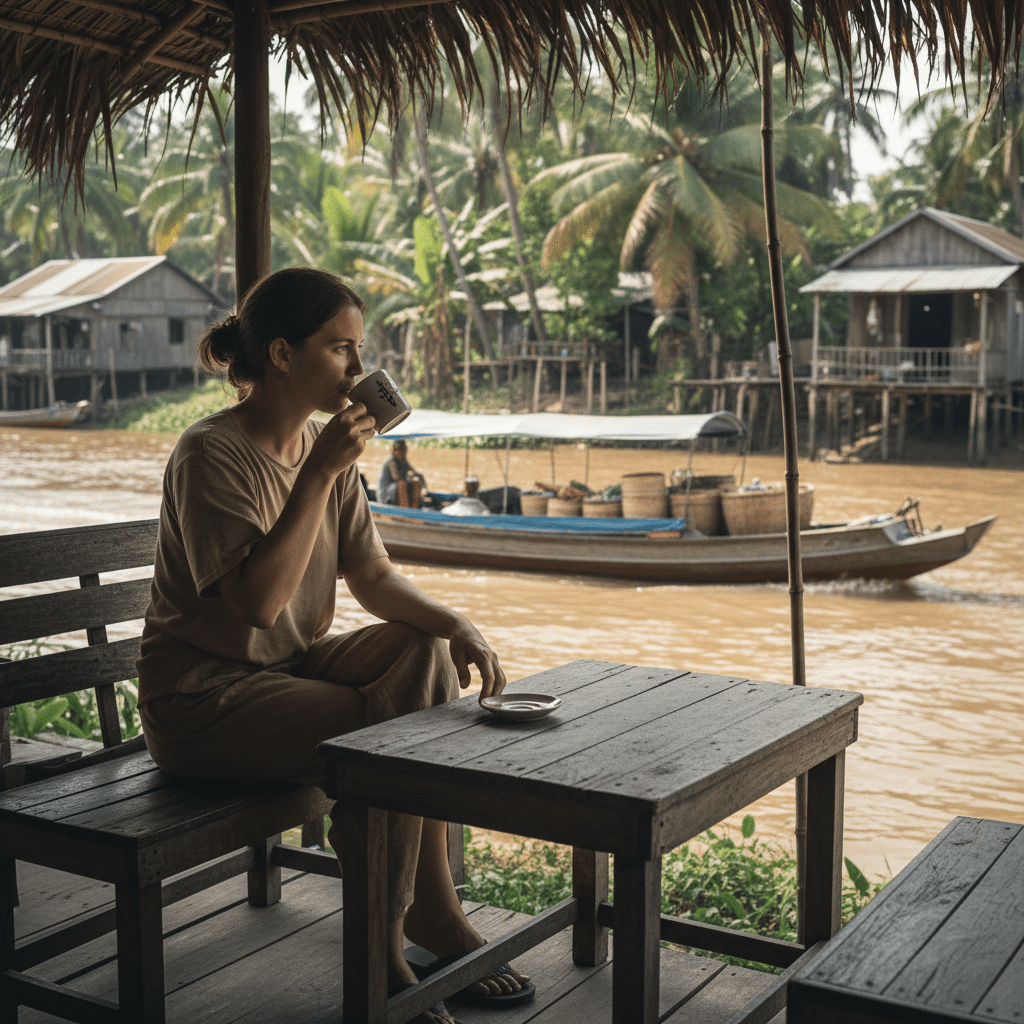
The Mekong Delta, a vast network of rivers and waterways in Southern Vietnam, offers a distinctly different nomadic experience characterized by riverine life and a strong sense of community. Can Tho, the Delta’s largest city, serves as a bustling yet charming hub, famed for its floating markets like Cai Rang. Nomads here can immerse themselves in the rhythm of river life, exploring intricate canals and enjoying fresh local produce. The city’s infrastructure has advanced significantly, with decent internet, modern cafes, and comfortable accommodations, making it a viable base for remote work while offering a deep dive into Southern Vietnamese culture and cuisine.
Chau Doc, a border town near Cambodia, offers a unique multicultural experience with influences from Vietnamese, Khmer, and Cham communities. Located at the confluence of several rivers, it is a spiritual center known for its temples and the sacred Sam Mountain. Nomads in Chau Doc can experience authentic Delta life, explore floating villages, and observe a blend of religious practices. While infrastructure is more modest than Can Tho, guesthouses typically provide essential amenities including Wi-Fi. This destination appeals to those seeking a rich cultural tapestry and a less explored, yet profoundly authentic, Vietnamese setting.
Further afield in the Delta, the Con Dao Archipelago, particularly Con Son Island, presents an intriguing blend of pristine beaches, lush forests, and historical significance. Once a notorious prison island, Con Son has transformed into a tranquil escape with a budding eco-tourism scene. It offers clear waters, diverse marine life, and a quiet town center with a few boutique accommodations and cafes. Internet connectivity is available but can be more variable than on the mainland. For nomads prioritizing natural beauty, diving, and a serene environment over extensive urban amenities, Con Son offers a truly secluded and restorative work-life balance.
Ben Tre, often referred to as the ‘coconut kingdom,’ is another Mekong Delta province that provides a tranquil setting for nomads. Characterized by its countless coconut groves, winding canals, and traditional workshops, Ben Tre offers a truly immersive experience in rural Vietnamese life. Many homestays and eco-lodges provide quiet environments with sufficient internet for work. It’s an ideal location for those looking to disconnect from urban stresses and connect with nature and local communities. The slower pace of life, combined with affordable living and unique local culinary experiences, makes Ben Tre a compelling option for a prolonged stay.
Infrastructure and Connectivity in Emerging Nomad Hubs
The perception that Vietnam’s hidden destinations lack adequate infrastructure for digital nomads is quickly becoming outdated. Across the country, even in smaller towns and remote areas, 4G and increasingly 5G mobile data coverage is widespread and affordable, providing a reliable primary or backup internet source. Fiber optic internet is also expanding into provincial capitals and even some larger villages, offering high-speed connections that support video calls and data-intensive tasks. While not every guesthouse will have blazing fast Wi-Fi, strategic selection or reliance on mobile hotspots can ensure productivity in most locations.
Accommodation options in these emerging nomad hubs are diverse and evolving. Traditional guesthouses (nhà nghỉ), homestays, and family-run hotels offer authentic experiences at very competitive prices. In more developed hidden gems like Quy Nhon or Can Tho, one can also find boutique hotels and a growing number of serviced apartments suitable for longer stays. Websites and local agents are increasingly listing these options, making it easier for nomads to secure comfortable and connected lodging. The variety ensures that different budgets and preferences are catered to, from rustic charm to modern comfort.
Local amenities, while not always as extensive as in major cities, are typically sufficient for daily needs. Vibrant local markets provide fresh produce, street food stalls offer delicious and affordable meals, and small convenience stores are ubiquitous. Healthcare facilities, in particular, vary significantly; while provincial hospitals exist, for serious medical issues, travel to larger cities might be necessary. Nomads should always have comprehensive travel insurance and research local clinics. The focus in these areas is often on local entrepreneurship, supporting small businesses and fostering community integration.
Navigating visa considerations is a critical aspect for any digital nomad in Vietnam. As of July 2026, Vietnam continues to refine its visa policies, with extensions for tourist visas and various business visa options available, though a dedicated ‘digital nomad visa’ framework is still under discussion. Most nomads utilize the standard tourist visa, often extended or renewed by leaving and re-entering the country. It is crucial to stay informed about the latest regulations through official channels or reputable visa agencies. Planning for visa logistics in advance can prevent disruptions to extended stays in these attractive, lesser-known locations.
Cultural Immersion and Community Engagement
Opting for Vietnam’s hidden destinations offers unparalleled opportunities for cultural immersion, a significant draw for many digital nomads. Learning a few basic Vietnamese phrases, even just greetings and polite expressions, can dramatically enhance interactions with locals. The Vietnamese people are generally appreciative of such efforts, and it often opens doors to more genuine conversations and experiences. Understanding fundamental social etiquette, such as removing shoes before entering homes or temples, using two hands when giving or receiving items, and showing respect to elders, demonstrates cultural sensitivity and builds positive rapport.
Participating in local traditions and events provides a deeper connection to the culture. This might involve attending a village festival, joining a cooking class focused on regional specialties, or simply observing daily life in markets and temples. Many homestays in hidden areas actively encourage guests to engage in activities like rice planting, fishing, or crafting, offering a hands-on experience of local livelihoods. Such participation not only enriches the nomadic journey but also contributes positively to the local economy and community, fostering a sense of shared experience.
Ethical tourism is particularly pertinent when exploring less developed regions. Supporting local businesses directly, from small guesthouses to family-run restaurants and artisans, ensures that tourist dollars benefit the community rather than external corporations. Minimizing environmental impact by reducing waste, conserving water, and respecting natural habitats is equally important. Nomads have a unique opportunity to act as responsible travelers, setting an example and contributing to the sustainable development of these delicate ecosystems and cultures. This mindful approach helps preserve the very qualities that make these destinations appealing.
Building local connections beyond transactional interactions is a rewarding aspect of living in hidden gems. Engaging with locals, whether through shared meals, casual conversations, or even offering skills in community projects, can lead to meaningful friendships and a deeper understanding of the local way of life. Many smaller communities are less accustomed to long-term foreign visitors, making genuine connections easier to forge. These interactions often provide insights into local customs, history, and daily challenges, enriching the nomad’s perspective far beyond what guidebooks can offer. Embracing these opportunities for connection defines a more profound nomadic experience.
Planning Your Hidden Vietnam Nomad Journey
Effective planning is crucial for a successful and enjoyable nomadic experience in Vietnam’s hidden destinations. Researching the best time to visit is paramount, as Vietnam’s climate varies significantly across its long length. The northern mountains experience cool, dry winters and hot, wet summers, while the central coast is prone to typhoons from September to November, and the southern delta enjoys a relatively consistent tropical climate. Aligning your visit with optimal weather conditions for your chosen region will enhance both your work productivity and leisure activities, ensuring a more comfortable stay.
Transportation within Vietnam, especially to and between hidden gems, requires careful consideration. While domestic flights connect major cities, local buses and sleeper buses are the primary means of inter-provincial travel, offering an affordable and authentic way to experience the country. Motorbikes or scooters are popular for short distances and exploring local areas, but only for experienced riders due to traffic conditions. Ferries are essential for island hopping in areas like Con Dao or exploring the Mekong Delta’s waterways. Pre-booking tickets and understanding local transport customs will streamline your travels.
Packing essentials for a hidden Vietnam nomad journey should balance remote work necessities with practical travel gear. Reliable tech, including a laptop, power bank, and universal adapter, is fundamental. Lightweight, breathable clothing suitable for a tropical climate, along with comfortable walking shoes, are important. A basic medical kit, insect repellent, and any prescription medications are also advisable, as pharmacies in remote areas may have limited supplies. A water filter bottle can be useful for reducing plastic waste and ensuring access to clean drinking water.
Prioritizing safety and health is vital. While Vietnam is generally a safe country, common travel precautions apply: safeguarding valuables, being aware of surroundings, and exercising caution when driving. Food safety is also a consideration; opting for busy street food stalls and reputable local eateries usually ensures freshness. Access to healthcare can be more limited in remote areas, emphasizing the need for robust travel insurance that includes emergency evacuation. Knowing the location of the nearest reputable hospital or clinic in your chosen base is a prudent step for peace of mind.
Leveraging digital nomad resources can significantly smooth your transition. Online communities, such as Facebook groups dedicated to digital nomads in Vietnam, provide a platform for asking questions, sharing insights, and connecting with fellow travelers. While formal co-working spaces may be scarce in hidden gems, local cafes often serve as informal work hubs. Websites and blogs by experienced nomads offer practical advice on everything from finding accommodation to navigating local bureaucracy. These resources help build a support network and access up-to-date information, making your journey into Vietnam’s less-traveled paths more informed and enjoyable.
“The true allure of Vietnam for a remote worker lies in its undiscovered corners. Moving beyond the well-trodden paths allows for an immersion into local rhythms and natural environments that genuinely foster creativity and focus. It’s in these hidden villages and coastal towns that you find the authentic pulse of the nation, a significant departure from the urban grind, offering unparalleled depth to the nomadic experience.”
— Dr. Lena Tran, Ethnobotanist and Southeast Asia Cultural Consultant
| Destination | Cost of Living (Monthly Est. USD) | Internet Reliability | Nomad Community Size | Cultural Immersion | Nature Access | Infrastructure Development |
|---|---|---|---|---|---|---|
| Ha Giang (Northern) | $400 – $700 | Good (4G/Fiber in towns) | Very Small | High (Ethnic Minorities) | Exceptional (Mountains, Vistas) | Basic to Developing |
| Quy Nhon (Central Coast) | $500 – $850 | Excellent (Fiber, 5G) | Small but Growing | Medium-High (Local Coastal) | Excellent (Beaches, Hills) | Developing (Urban Amenities) |
| Can Tho (Mekong Delta) | $450 – $750 | Excellent (Fiber, 5G) | Small but Growing | High (Riverine Culture) | Good (Waterways, Gardens) | Developing (City) |
| Da Nang (Known Hub) | $700 – $1200 | Excellent (Fiber, 5G) | Large, Established | Medium (Urban, Tourist) | Good (Beaches, Mountains nearby) | High (Modern City) |
| Hoi An (Known Hub) | $600 – $1000 | Excellent (Fiber, 5G) | Medium, Established | High (Ancient Town) | Medium (Rivers, Beaches nearby) | High (Tourist-Oriented) |
Frequently Asked Questions
How reliable is internet connectivity in Vietnam’s hidden destinations?
Internet connectivity in Vietnam’s lesser-known destinations is surprisingly robust and continually improving. Most provincial towns and even larger villages now have access to 4G and often 5G mobile data, which is both fast and affordable, making it a reliable primary connection. Additionally, fiber optic internet has expanded significantly, with many guesthouses, cafes, and homes in these areas offering high-speed Wi-Fi. While occasional outages can occur, strategic planning with a local SIM card and a hotspot ensures that digital nomads can maintain productivity even in more remote settings.
What are the average living costs in these lesser-known areas?
Living costs in Vietnam’s hidden destinations are significantly lower than in major cities like Hanoi or Ho Chi Minh City, making them highly attractive for budget-conscious nomads. An individual can expect to spend anywhere from $400 to $850 USD per month, depending on lifestyle choices. This typically includes affordable accommodation (e.g., guesthouses, homestays), inexpensive local food (street food and local markets are very economical), and basic transportation. While urban amenities are fewer, the savings on daily expenses allow for a richer cultural experience and more leisure activities.
Are there specific visa requirements for digital nomads staying longer in Vietnam?
As of July 2026, Vietnam does not have a dedicated ‘digital nomad visa’ program. Most digital nomads typically enter Vietnam on a tourist visa, which can range from 15 to 90 days depending on nationality and entry method. For longer stays, nomads often apply for visa extensions through local agencies or perform ‘visa runs’ by exiting and re-entering the country. It is crucial to consult the latest regulations from the Vietnamese Immigration Department or a reputable visa service provider, as policies can evolve. Planning visa logistics well in advance is essential for an uninterrupted stay.
What kind of accommodation can I expect in these hidden gems?
Accommodation in Vietnam’s hidden destinations offers a blend of authenticity and comfort. You’ll primarily find family-run guesthouses (nhà nghỉ), charming homestays (often in traditional stilt houses in rural areas), and small boutique hotels. These options typically provide clean rooms, private bathrooms, and often include Wi-Fi and breakfast. In more developed coastal towns like Quy Nhon or provincial capitals in the Mekong Delta, serviced apartments and more modern hotel options are also becoming available. The common thread is affordability and a welcoming, local atmosphere, providing a genuine sense of place.
How can I best integrate with local communities in these remote areas?
Integrating with local communities in Vietnam’s hidden destinations is a rewarding experience, best achieved through genuine interaction and respect. Learning basic Vietnamese phrases, participating in local customs (like sharing meals or attending market days), and engaging with your hosts at guesthouses or homestays are excellent starting points. Volunteering or offering skills to local businesses can also create strong bonds. Showing genuine interest in local culture, supporting small enterprises, and being mindful of local traditions will facilitate warm receptions and a deeper, more meaningful connection with the people and the place.