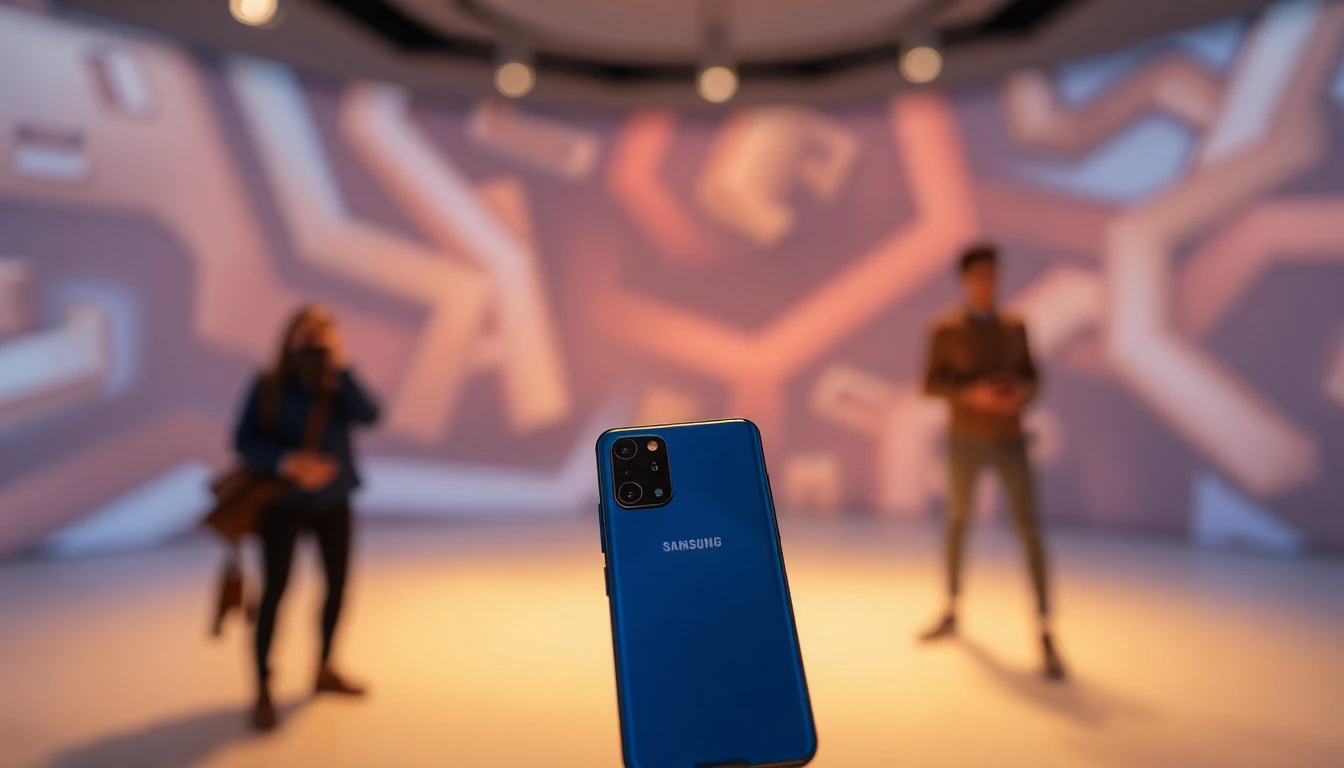
Samsung Unveils Galaxy S26 Series: The Most Intuitive Galaxy AI Phone Yet
In a highly anticipated launch event held earlier today, Samsung officially unveiled the Galaxy S26 series, marking a significant leap forward in mobile technology. The new lineup, consisting of the Galaxy S26, S26+, and S26 Ultra, is heavily focused on integrating Galaxy AI deeper into the user experience, promising a more intuitive and seamless interaction with the devices. While hardware upgrades are present, the real star of the show is the enhanced AI capabilities, which aim to personalize and optimize various aspects of smartphone usage, from photography to productivity.
The launch comes at a crucial time for Samsung. With increasing competition from other smartphone manufacturers, particularly in the AI space, the Galaxy S26 series represents Samsung’s attempt to solidify its position as a leader in mobile innovation. The company is betting big on AI, hoping to attract consumers with features that simplify daily tasks and enhance overall smartphone utility. The success of this strategy remains to be seen, but initial reactions from tech analysts and early adopters have been largely positive.
Enhanced AI Capabilities: A Deeper Dive
The core of the Galaxy S26 series lies in its enhanced Galaxy AI, powered by a new generation of the NPU (Neural Processing Unit). This upgrade allows for faster and more efficient on-device AI processing, leading to improvements across various applications. One of the most notable enhancements is in the camera department. The S26 series introduces advanced AI-powered scene recognition, which can now identify a wider range of objects and environments, optimizing camera settings in real-time for the best possible image quality. The new AI also enhances low-light photography, reducing noise and improving clarity in challenging lighting conditions.
Beyond photography, the Galaxy S26 series also features improved AI-driven translation capabilities. The devices can now translate languages in real-time, both in text and voice, making communication across language barriers more seamless than ever before. This feature is particularly useful for travelers and international business professionals. Furthermore, the AI is used to personalize the user interface, learning user habits and preferences to optimize app placement, notification management, and even battery usage. Samsung has also emphasized the security aspects of its AI, ensuring that all AI processing is done on-device, minimizing the risk of data privacy breaches. This is a critical point, given increasing concerns about data security and the privacy implications of AI technology.
The integration of AI extends to productivity as well. The Galaxy S26 series features an AI-powered assistant that can help users manage their schedules, prioritize tasks, and even draft emails. This assistant learns from user behavior, becoming more effective over time in anticipating needs and providing relevant assistance. However, the true potential of this AI assistant will depend on its ability to seamlessly integrate with other apps and services. If it remains confined to a limited set of functions, its usefulness will be significantly diminished. The success of the Galaxy S26 series will likely hinge on how well Samsung can deliver on its promise of an intuitive and seamless AI experience.
Hardware Upgrades: Performance and Design
While the AI enhancements take center stage, the Galaxy S26 series also boasts significant hardware upgrades. The phones are powered by the latest generation of processors, offering a substantial performance boost compared to their predecessors. This translates to faster app loading times, smoother multitasking, and improved gaming performance. The displays have also been upgraded, featuring brighter and more vibrant colors, as well as adaptive refresh rates that can scale up to 144Hz for smoother scrolling and animations. The Galaxy S26 Ultra, in particular, features a new camera system with improved zoom capabilities and enhanced image stabilization. The design of the phones has also been refined, with slimmer bezels and a more streamlined aesthetic.
Samsung has also focused on improving the durability of the Galaxy S26 series. The phones are constructed with a stronger and more scratch-resistant material, and they are also water and dust resistant with an IP68 rating. Battery life has also been improved, thanks to more efficient processors and larger battery capacities. The Galaxy S26 Ultra, in particular, is expected to offer all-day battery life, even with heavy usage. However, some critics have noted that the design of the Galaxy S26 series is not significantly different from previous models. While the refinements are welcome, they argue that Samsung could have taken a bolder approach to the design. The question remains whether these hardware upgrades will be enough to entice consumers to upgrade to the new Galaxy S26 series.
The choice of materials and the overall industrial design language continue to reflect Samsung’s commitment to a premium aesthetic. However, the company also faces increasing pressure to adopt more sustainable practices. The use of recycled materials in the construction of the Galaxy S26 series is a step in the right direction, but more needs to be done to minimize the environmental impact of the devices throughout their lifecycle. Consumers are increasingly aware of the environmental consequences of their purchasing decisions, and companies that prioritize sustainability are likely to gain a competitive advantage.
Competition in the AI Smartphone Market
The Galaxy S26 series enters a highly competitive AI smartphone market, facing challenges from rivals such as Apple, Google, and various Chinese manufacturers. Apple is expected to release its own AI-powered iPhone later this year, and Google is continuously improving the AI capabilities of its Pixel phones. Chinese manufacturers such as Xiaomi and Oppo are also investing heavily in AI technology, offering competitive devices at lower price points. To succeed in this market, Samsung needs to differentiate its AI offerings and provide a compelling reason for consumers to choose the Galaxy S26 series over its competitors.
One way to differentiate is to focus on specific use cases where AI can provide a significant advantage. For example, Samsung could focus on developing AI-powered features for professional photographers and videographers, leveraging the advanced camera capabilities of the Galaxy S26 Ultra. Another area of opportunity is in health and fitness tracking. Samsung could develop AI-powered features that provide personalized insights and recommendations based on user data, helping users to achieve their health and fitness goals. Furthermore, Samsung needs to ensure that its AI features are easy to use and understand. Many consumers are still unfamiliar with AI technology, and complex or confusing features are likely to be ignored. The key is to make AI accessible and intuitive for everyone.
The partnership between technology companies and AI developers is also shaping the competitive landscape. Samsung has been actively collaborating with AI startups to integrate innovative features into its devices. This allows Samsung to quickly adopt cutting-edge AI technology without having to develop it in-house. However, Samsung also needs to be careful about ensuring that these partnerships align with its overall strategy and values. The company needs to ensure that it maintains control over the AI technology that it integrates into its devices and that it protects user data privacy. The future of the AI smartphone market will depend on how well companies can navigate these challenges and opportunities.
Consumer Expectations and Market Reception
Consumer expectations for the Galaxy S26 series are high, given Samsung’s reputation for innovation and quality. Consumers are looking for devices that not only offer advanced features but also provide a seamless and user-friendly experience. The success of the Galaxy S26 series will depend on its ability to meet these expectations. Early reviews of the Galaxy S26 series have been largely positive, with critics praising the enhanced AI capabilities and the improved performance. However, some critics have also noted that the price of the Galaxy S26 series is relatively high, which could be a barrier for some consumers.
The overall market reception to the Galaxy S26 series will depend on a variety of factors, including the availability of competing devices, the effectiveness of Samsung’s marketing campaigns, and the overall economic climate. The global economy is currently facing a number of challenges, including high inflation and rising interest rates. This could lead to a slowdown in consumer spending, which could negatively impact the sales of the Galaxy S26 series. However, Samsung is confident that the Galaxy S26 series will be a success, given its advanced features and its strong brand reputation. The company is planning to launch a series of marketing campaigns to highlight the key features of the Galaxy S26 series and to attract consumers.
Looking ahead, the smartphone market is expected to continue to evolve rapidly, with AI playing an increasingly important role. Consumers will continue to demand devices that are more powerful, more efficient, and more user-friendly. Companies that can meet these demands will be well-positioned to succeed in the long term. The Galaxy S26 series represents Samsung’s attempt to stay ahead of the curve and to maintain its position as a leader in the smartphone market. However, the company faces significant challenges from its competitors, and it will need to continue to innovate and adapt to changing consumer expectations in order to remain competitive.
Future Outlook: The Evolution of AI in Smartphones
The launch of the Galaxy S26 series signals a clear trend towards the increasing integration of AI in smartphones. In the coming years, we can expect to see AI playing an even more prominent role in various aspects of smartphone usage, from photography and productivity to entertainment and communication. AI will be used to personalize the user experience, to optimize device performance, and to provide intelligent assistance. This will lead to smartphones that are more intuitive, more efficient, and more useful than ever before. However, the increasing use of AI also raises a number of important questions about data privacy, security, and ethical considerations.
As AI becomes more deeply integrated into smartphones, it will be important to ensure that user data is protected and that AI is used in a responsible and ethical manner. Companies need to be transparent about how they are using AI and to provide users with control over their data. Furthermore, it will be important to address the potential biases that can be embedded in AI algorithms. AI algorithms are trained on data, and if that data is biased, the algorithms will also be biased. This can lead to unfair or discriminatory outcomes. To avoid these problems, companies need to carefully evaluate the data that they use to train their AI algorithms and to ensure that those algorithms are fair and unbiased. The UN is already working on a scientific panel to assess the impact of AI, which highlights the global importance of responsible AI development (UN approves 40-member scientific panel on the impact of artificial intelligence over US objections).
The evolution of AI in smartphones will also be shaped by technological advancements in other areas, such as cloud computing, 5G connectivity, and sensor technology. Cloud computing will enable smartphones to access more powerful AI processing capabilities, allowing them to perform more complex tasks. 5G connectivity will enable faster data transfer speeds, which will be essential for AI-powered applications that require large amounts of data. Sensor technology will enable smartphones to gather more data about the user and their environment, which will be used to personalize the user experience and to provide intelligent assistance. The integration of these technologies will lead to a new generation of smartphones that are more powerful, more intelligent, and more useful than ever before.
Key Takeaways
The Samsung Galaxy S26 series represents a significant step forward in the integration of AI into smartphones, offering users a more intuitive and personalized experience. While hardware upgrades are present, the real focus is on the enhanced Galaxy AI capabilities, which aim to simplify daily tasks and enhance overall smartphone utility. The series faces strong competition in the AI smartphone market, requiring Samsung to differentiate its offerings and provide compelling reasons for consumers to choose its devices. The future of smartphones is inextricably linked to AI, with increasing integration expected in the years to come, raising important questions about data privacy, security, and ethical considerations. It’s a market where innovation is constant, and companies need to stay ahead of the curve.
Samsung’s emphasis on on-device processing is a noteworthy aspect, particularly in light of growing privacy concerns. The ability to process AI tasks locally minimizes the reliance on cloud servers, reducing the potential for data breaches and unauthorized access. This approach aligns with a broader trend towards prioritizing user privacy in the tech industry. The US Supreme Court, for instance, is adopting new technology to identify conflicts of interest, reflecting a growing emphasis on accountability and transparency (US Supreme Court adopts new technology to help identify conflicts of interest).
The success of the Galaxy S26 series will depend not only on its technological advancements but also on its ability to address the ethical and societal implications of AI. As AI becomes more pervasive, it is crucial to ensure that it is used in a responsible and beneficial manner. This requires a collaborative effort from governments, industry, and civil society to develop appropriate regulations and guidelines. The launch of the Galaxy S26 series is a reminder that technology is not just about innovation; it is also about responsibility.
| Feature | Galaxy S26 | Galaxy S26+ | Galaxy S26 Ultra |
|---|---|---|---|
| Display Size | 6.1 inches | 6.6 inches | 6.9 inches |
| Main Camera | 50MP | 50MP | 200MP |
| Battery Capacity | 4000 mAh | 4800 mAh | 5500 mAh |
| RAM | 8GB | 12GB | 16GB |
Frequently Asked Questions
What are the key AI features of the Samsung Galaxy S26 series?
The Galaxy S26 series places a strong emphasis on AI integration, with key features including enhanced AI-powered scene recognition for the camera, real-time language translation, personalized user interface optimization, and an AI-powered assistant for managing schedules and tasks. The AI is designed to learn user habits and preferences, providing a more intuitive and seamless experience. A key differentiator is the focus on on-device AI processing to enhance data privacy and security, processing data locally rather than relying heavily on cloud servers. This approach directly addresses rising concerns about data breaches and unauthorized access, positioning Samsung as a leader in prioritizing user privacy within the smartphone market. This strategic decision is vital considering the increase in global digital surveillance, particularly highlighted by reports on how ICE uses technology to track people (Newsjack: How ICE is using technology, databases to track people).
How does the camera in the Galaxy S26 series utilize AI?
The camera system in the Galaxy S26 series benefits significantly from AI. The AI-powered scene recognition can identify a wider range of objects and environments, optimizing camera settings in real-time to capture the best possible image quality. This includes adjusting exposure, white balance, and focus for different scenes, such as landscapes, portraits, or food. The AI also enhances low-light photography by reducing noise and improving clarity. Additionally, the AI can assist with framing and composition, suggesting optimal angles and perspectives. For the Galaxy S26 Ultra, the AI supports enhanced zoom capabilities, digitally stabilizing the image even at high zoom levels. This suite of features is designed to make professional-quality photography more accessible to the average user, greatly improving the camera’s overall user experience.
What are the potential privacy implications of using AI on the Galaxy S26 series?
While Samsung emphasizes on-device AI processing for enhanced privacy, there are still potential privacy implications to consider. Even with local processing, the AI algorithms need to be trained on data, which could potentially be collected and analyzed by Samsung. Users should carefully review Samsung’s privacy policies to understand what data is being collected and how it is being used. It is also important to be aware of the permissions granted to apps that utilize AI features, as these apps may also collect and share user data. To mitigate these risks, users can customize their privacy settings, limit app permissions, and use privacy-focused apps and services. As AI technology continues to evolve, it is crucial to stay informed about the latest privacy risks and best practices.
How does the Galaxy S26 series compare to its competitors in terms of AI capabilities?
The Galaxy S26 series enters a highly competitive market with several other smartphones offering advanced AI capabilities. Google’s Pixel phones are known for their AI-powered computational photography and smart assistant features. Apple is also expected to release its own AI-powered iPhone later this year, which could pose a significant challenge to Samsung. Several Chinese manufacturers, such as Xiaomi and Oppo, are also investing heavily in AI technology and offering competitive devices at lower price points. To differentiate itself, Samsung needs to offer a unique and compelling AI experience that sets it apart from the competition. This could involve focusing on specific use cases, such as professional photography or health and fitness tracking, or developing AI features that are particularly user-friendly and accessible.
What is the expected lifespan of the Samsung Galaxy S26 series, and what kind of software support will it receive?
Typically, Samsung provides about four years of major Android OS updates and five years of security updates for its flagship devices like the Galaxy S series. Considering this trend, the Galaxy S26 series is likely to receive software support until around 2031 for security patches, and potentially until 2030 for major Android version upgrades. This extended support is crucial for maintaining device security and ensuring compatibility with the latest apps and services. While exact details may vary, Samsung generally aims to provide long-term support for its flagship devices to enhance customer satisfaction and protect user data. This extended support window is especially important given the increasing sophistication of cyber threats and the growing reliance on mobile devices for sensitive tasks. This commitment to security updates is vital in a world where digital tracking and potential misuse of personal information are major concerns, as highlighted by the issues surrounding the Epstein files (Newsjack: The Epstein Files and the Hidden World of an Unaccountable Elite).